




Vintage Figure Landscape Painting
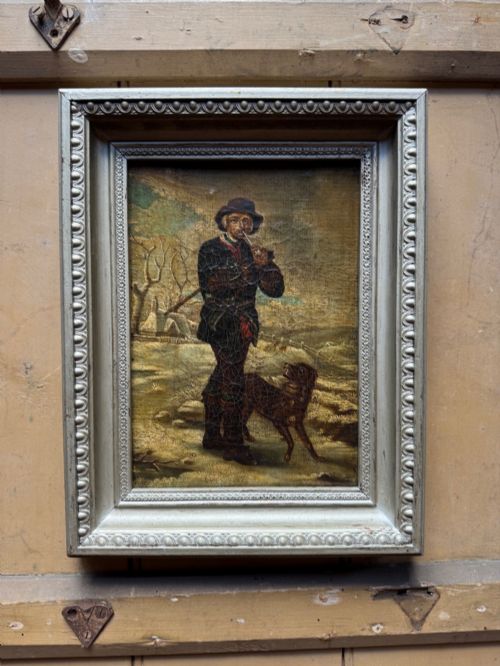
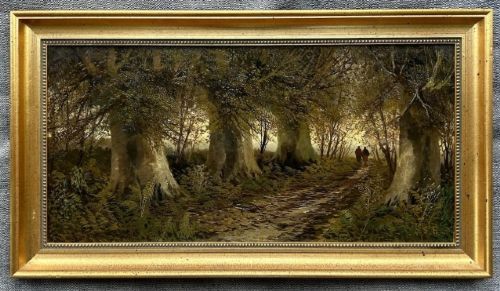
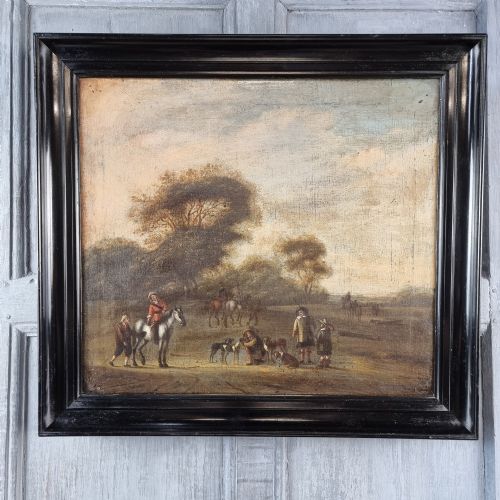
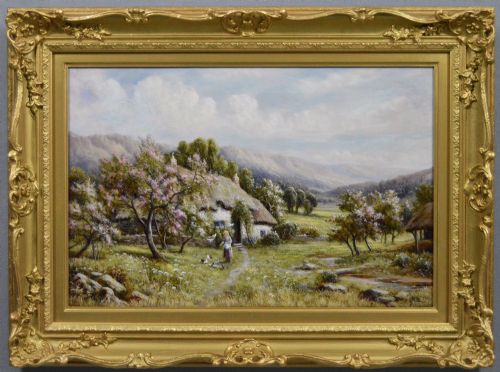
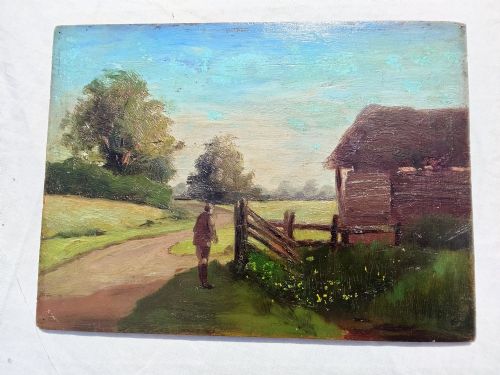
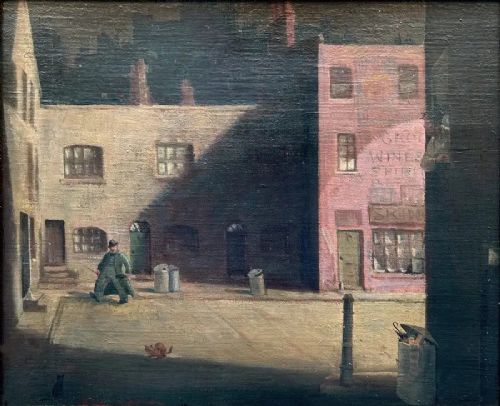
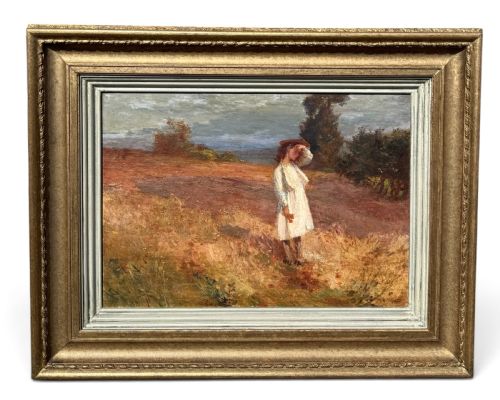
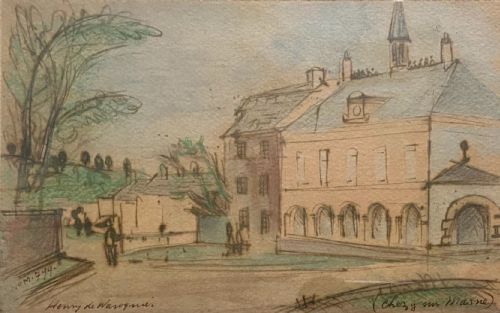
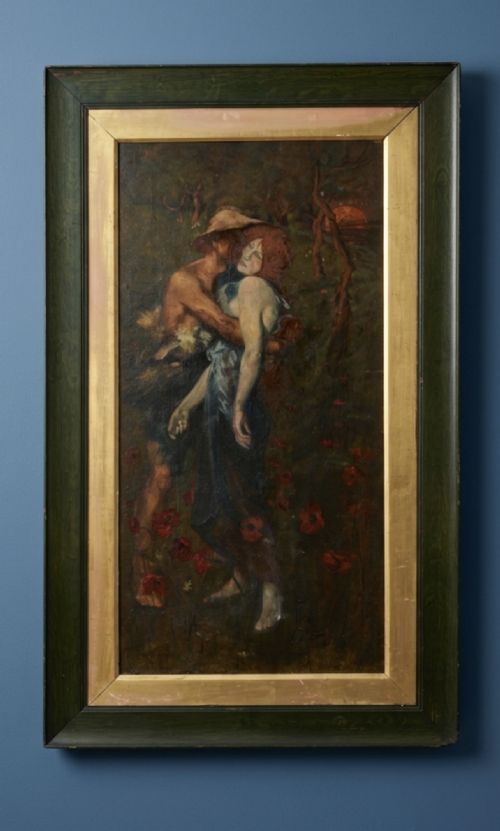
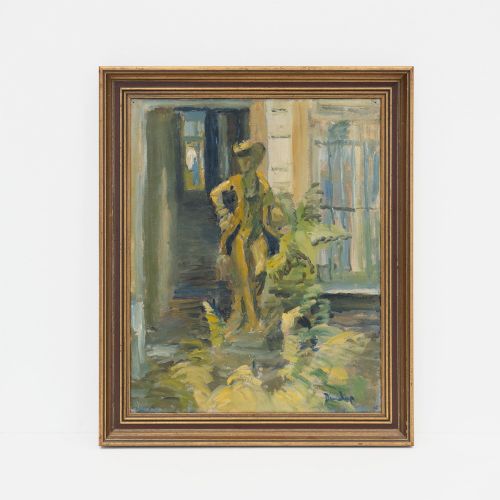
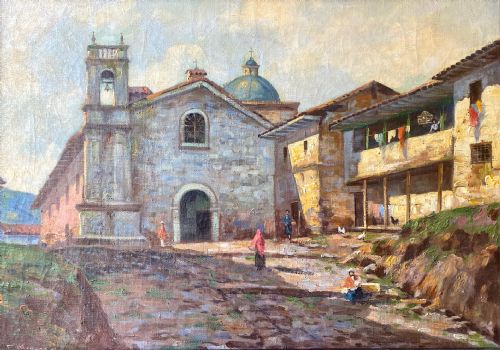
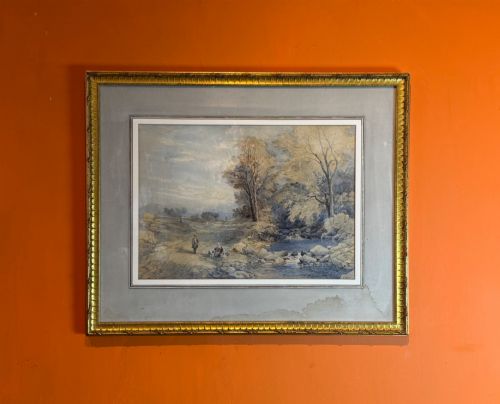
A vintage figure landscape painting captures human presence within rural, coastal or urban vistas, offering a glimpse into past lives set against natural scenery.
Vintage Figure Landscape Painting
A vintage figure landscape painting brings together scenery and human activity, combining open views with everyday figures or travellers. When you search for vintage figure landscape painting, you encounter works ranging from nineteenth-century realism to mid-century impressionism.
Most examples found here date from the nineteenth and twentieth centuries, taking the form of oil paintings on canvas, wooden boards, or watercolours on paper. These pieces capture specific moments, such as figures crossing a ford, resting in a park, or walking along a beach.
Origins vary across British, French, and wider continental schools, reflecting diverse regional painting traditions. Whether showing figures beside a cottage or on a harbour promenade, each canvas records a distinct locale and period style.
Materials and construction
Painters applied oil paint or watercolour onto prepared canvas, wooden panels, or heavy paper supports. Canvas was frequently stretched over wooden frames, while smaller studies utilised solid wooden boards.
Gilt and giltwood frames often complete the presentation, complementing the pigments with traditional metallic finishes. Artists employed varied brushwork, from smooth academic blending to visible impasto texture, depending on the prevailing style.
Listings feature works spanning the seventeenth to the twentieth centuries, utilising canvas, paper, and wooden board.
Judging the work
Quality rests upon the artist's handling of light, atmosphere, and human proportions within the wider scenery. Stronger examples demonstrate confident brushwork and a balanced composition where the figures integrate naturally with the surrounding topography.
Condition plays a role, with untouched surfaces retaining original pigment depth and stable varnishes. Works bearing clear signatures or established provenance carry stronger attribution, whilst anonymous school pieces rely entirely on their visual strength.
Thomas W Lascelles·Robert John Hammond·Francisco Sancha·Christine Nesbit·Umberto Volpato·Henry de Waroquier·Florence Adelina Hess·Ronald Ossory Dunlop·Thomas Hicks·Margaret Maitland Howard·Henry John Yeend King·E A Minardo·John A Houston·Herbert Royle·George Turner·Thomas Rose Miles·Henry Charles Fox·Edward H Holder·Francis William Topham·Kershaw Schofield·Arthur Walker Redgate·Owen Bowen·Louis Smets·Garnet Ruskin Wolseley·Charles Horwood
The Vintage Figure Landscape Painting Glossary
- Canvas
- A heavy woven fabric stretched across a wooden frame to serve as a support for oil painting. It provides a flexible yet durable surface favoured by artists for centuries.
- Impasto
- Paint applied thickly to a canvas or board, standing out in relief from the surface. This technique adds visible texture and catches light dynamically.
- Giltwood
- Wood carved and coated with gold leaf or a gold-coloured metallic finish used for picture frames. It enhances the visual weight and period character of a painting.
- Watercolour
- A paint consisting of pigment suspended in a water-based solution, typically applied to paper. It allows for translucent washes and delicate tonal effects.
- Board
- A rigid wooden or manufactured panel utilised as a solid support for painting instead of flexible canvas. It offers a stable surface often found in smaller outdoor studies.
Vintage Figure Landscape Painting: Frequently Asked Questions
What defines a vintage figure landscape painting?
These works depict outdoor scenery with one or more human figures integrated into the composition. They span varied movements from nineteenth-century realism to mid-century impressionism.
The inclusion of people distinguishes them from pure vistas, adding narrative and scale to the natural or urban surroundings.
Where were these paintings produced?
The pieces originate from diverse European and American traditions, with strong representation from British and French schools. Artists recorded local countryside, coastal scenes, and continental cities.
Foreign travel and regional art colonies heavily influenced the specific locations captured on canvas and paper.
How should I care for a canvas painting?
Keep paintings away from direct sunlight, excessive moisture, and rapid temperature fluctuations. Display them on interior walls where the environment remains stable.
Dust gently with a soft, dry brush when necessary, avoiding chemical cleaners or water on the painted surface.
How do I identify the period of a piece?
Dating relies upon stylistic markers, framing methods, stretcher construction, and materials like board or canvas. Signatures, dates inscribed on the reverse, and artist records provide definitive confirmation.
Clothing styles of the depicted figures also offer reliable clues to the decade of creation.