


Impressionist Figurative Art
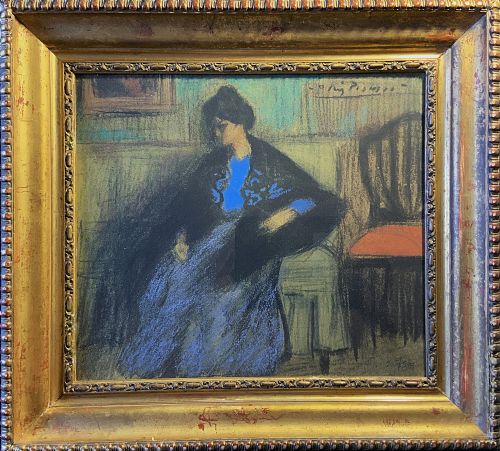
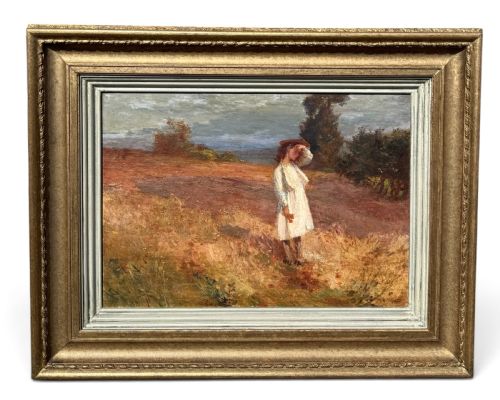
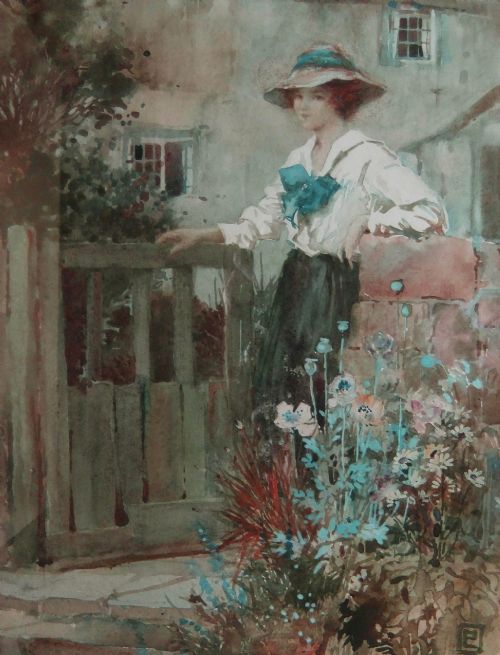
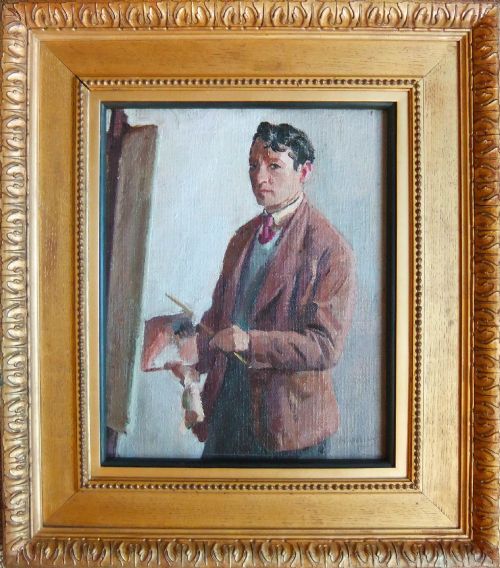
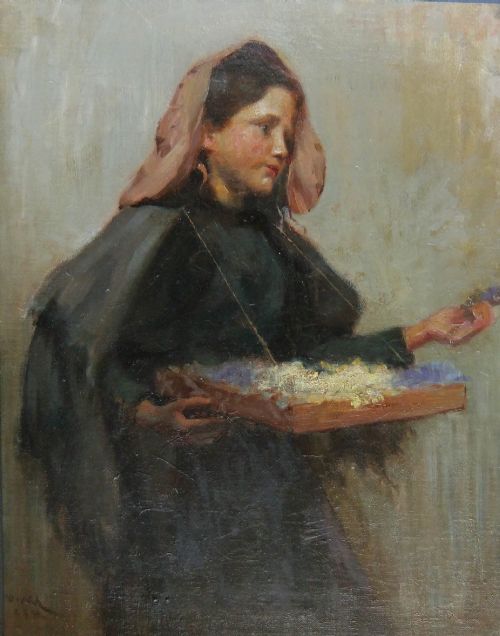
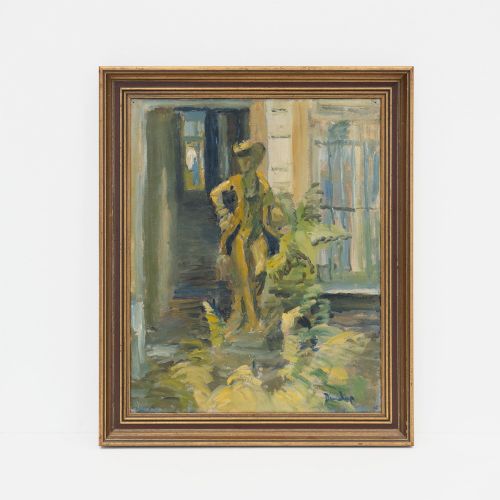
Impressionist figurative art captures human presence through loose brushwork and vibrant light, ranging from intimate domestic interiors to sunlit outdoor gatherings.
Impressionist Figurative Art
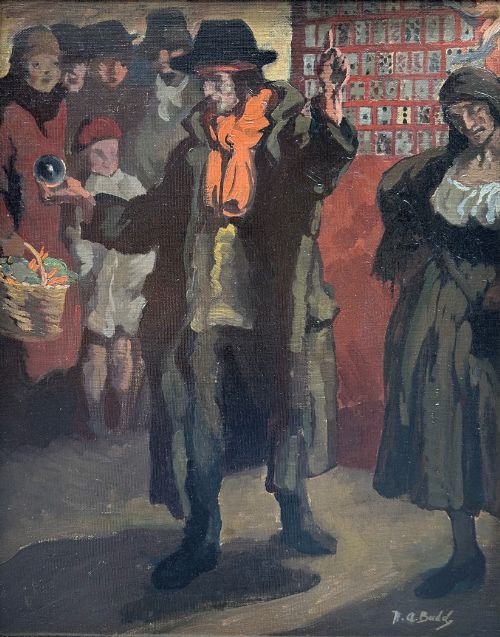
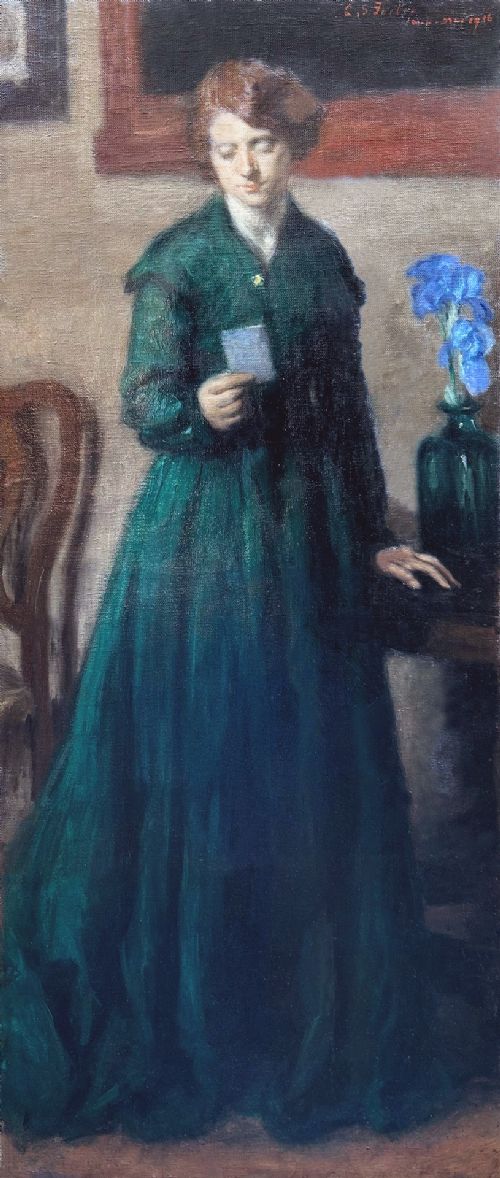
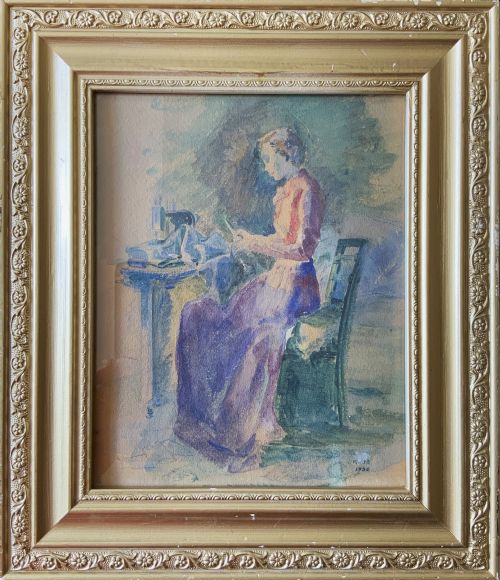
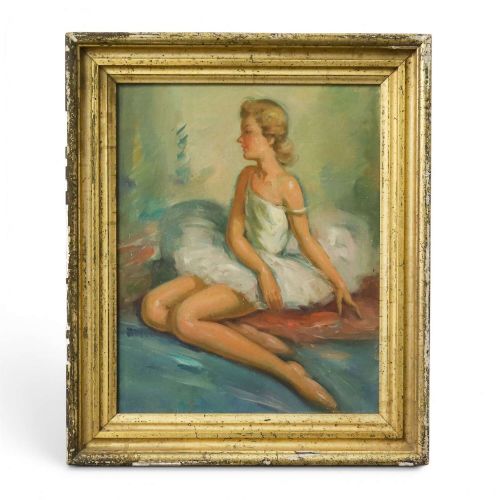
Buyers seeking impressionist figurative art encounter paintings, watercolours, and prints spanning from the late nineteenth century through the mid-twentieth century. The selection leans heavily towards oils on canvas or panel and watercolours, depicting people in gardens, interiors, and coastal settings.
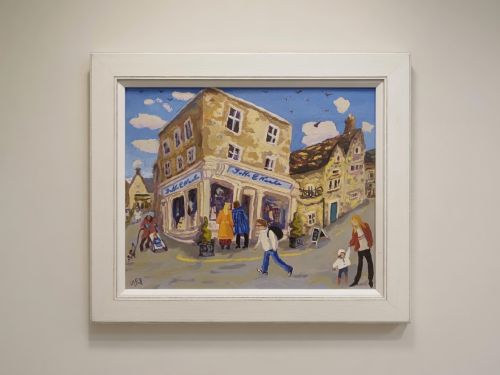
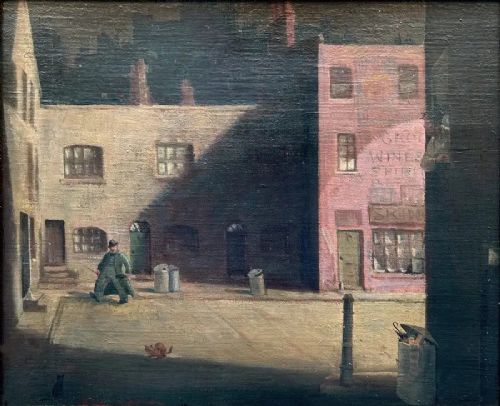
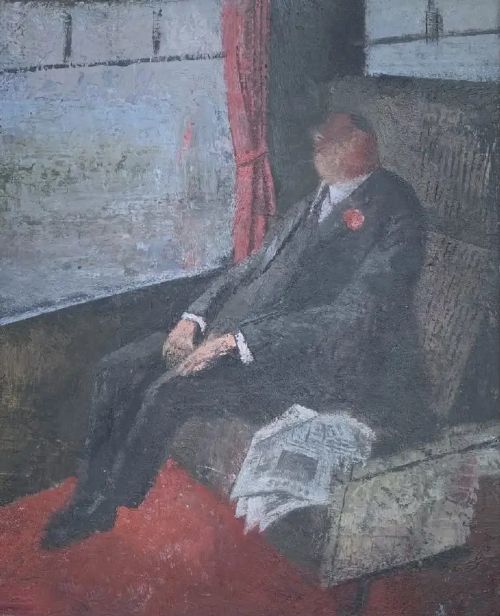
The pieces encompass British, French, Belgian, and Italian works, shifting from late Victorian and Edwardian approaches into Post-Impressionism and Mid-Century Modern interpretations. Figures appear in everyday moments, from quiet portraits and reading scenes to beach outings and garden gatherings.
Materials and technique
Artists built these works primarily using oil paint on canvas or wood panels, alongside watercolours and pencil studies on paper. Brushwork remains visible and expressive rather than blended away, prioritizing the play of light over strict academic finish.
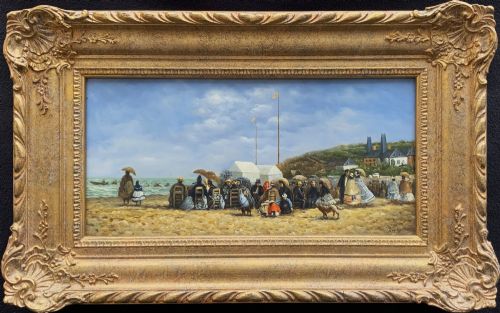
Framing often involves period wood mouldings, sometimes with gilt finishes that complement the painterly surfaces of the canvas or paper underneath.
Several canvases capture moments of quiet leisure, from children playing on the beach to ladies sunbathing by secluded rivers.
Distinctions in quality
Quality rests on the confidence of the brushwork and the artist's command over light and human anatomy within a looser style. Stronger pieces display a distinct atmosphere and compositional balance, whereas lesser examples rely on formulaic gestures.
The preservation of the original paint surface and the harmony of any period frame relative to the artwork contribute significantly to the standing of an individual piece.
Francisco Sancha·Herbert Ashwin Budd·Charles Stuart Forbes·Percy Lancaster·Philip Naviasky·William Watt Milne·Ronald Ossory Dunlop·Raymond Moritz·Henri Vincent-Anglade·Frans Gailliard·Harry Freckleton·Attilio Toro·Gabriel Dauchot·Augustus Edwin John·Kershaw Schofield·Florence Hess·Emil John Hess·Jean Hippolyte Marchand·Albert Guillaume·Roland Batchelor·Jeffrey Pratt·Lucy Pratt
The Impressionist Figurative Art Glossary
- Post-Impressionism
- A stylistic development following Impressionism where artists extended the use of vivid colours and thick brushwork while exploring more structured forms of personal expression.
- Oil on Canvas
- Pigment mixed with drying oil applied to a stretched woven fabric support, which stands as the primary medium for enduring paintings.
- Watercolour
- A paint consisting of water-soluble pigments applied to paper, valued for its translucent quality and immediacy.
- Luminism
- An aesthetic focus on the effects of light in landscape and figurative works, emphasising atmospheric glow.
- Lithograph
- A printmaking technique based on the repulsion of oil and water, enabling multiple reproductions of an artist's drawn image.
Impressionist Figurative Art: Frequently Asked Questions
What defines impressionist figurative art?
These works focus on human subjects captured through loose, expressive brushwork and an emphasis on natural light. They record people in unposed, everyday settings rather than formal portraiture.
Created across several decades in Britain and continental Europe, the pieces reflect evolving approaches to colour and atmosphere from the late nineteenth century onward.
How should I care for an oil painting?
Keep paintings away from direct sunlight, high humidity, and rapid temperature fluctuations to protect the canvas and paint layers. Dust the surface gently with a soft, dry brush without applying pressure.
Avoid using water or chemical cleaners on the paint or the gilt frame. Professional conservation is recommended if structural issues arise.
Are watercolours fragile?
Watercolours on paper are sensitive to ultraviolet light and moisture, which can cause fading or paper degradation over time. Proper framing behind glass with acid-free mounts helps protect the paper.
Display these works in rooms with stable, indirect lighting away from direct sun exposure.
How do I identify the period of a piece?
Dating relies on stylistic clues, framing materials, stretcher construction, and artist signatures where available. Mid-century works often feature brighter palettes and looser compositions compared to late nineteenth-century pieces.
Exhibiting labels or handwritten inscriptions on the reverse of the canvas or panel frequently provide direct clues to the date and origin.