
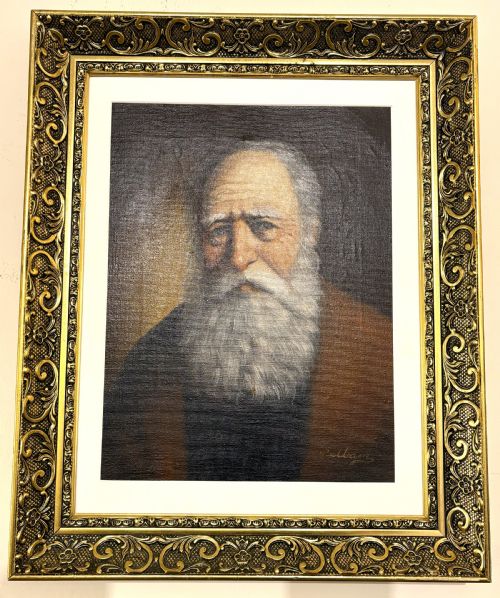


Impressionist Portrait Canvas
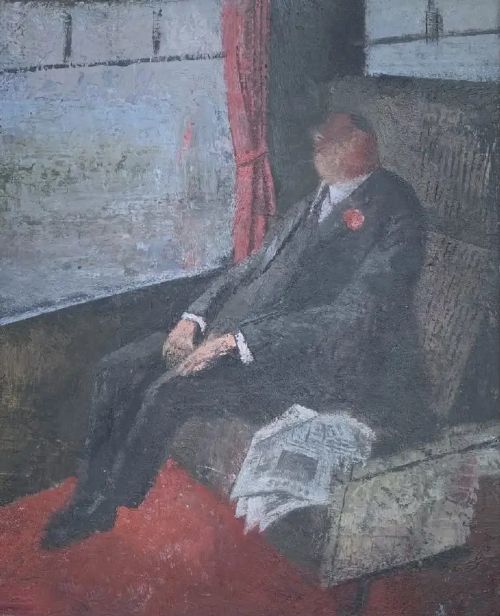
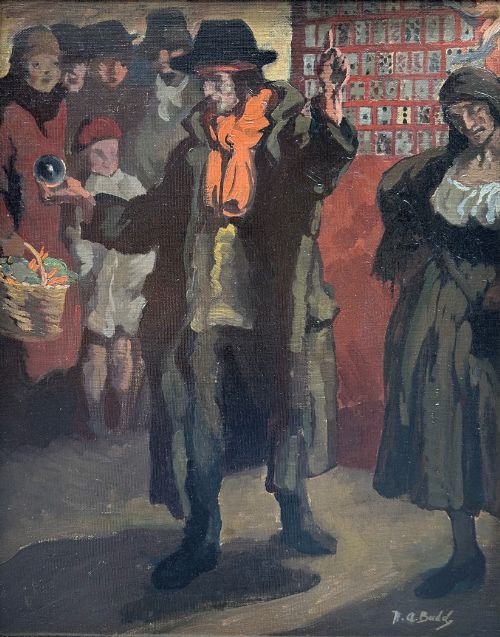
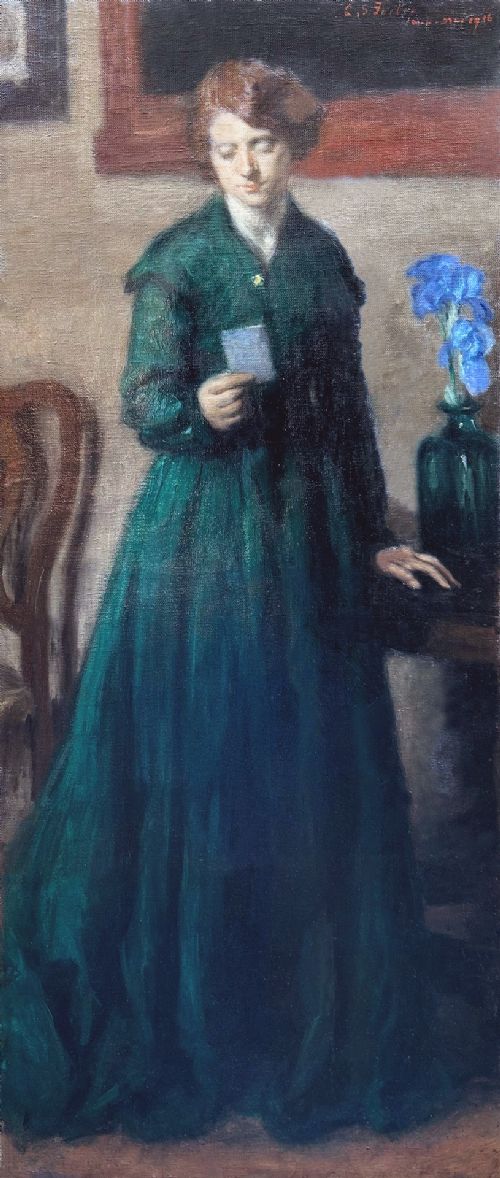
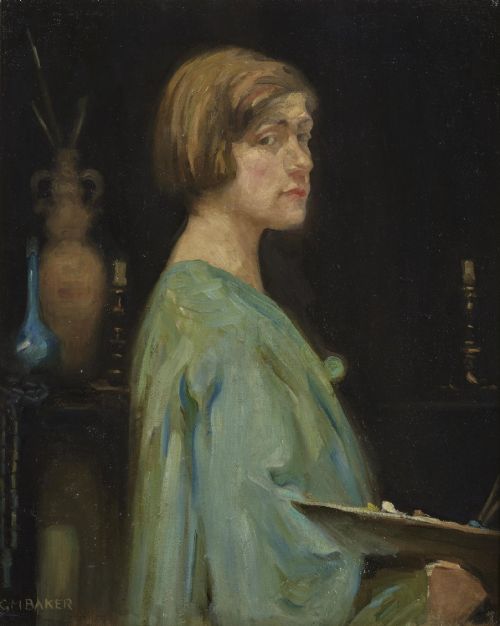
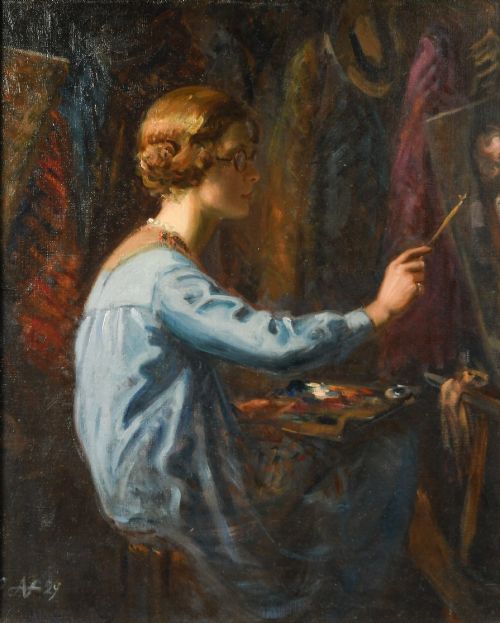
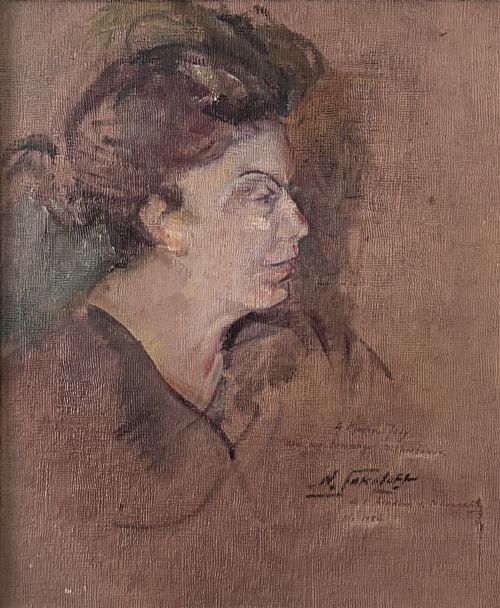
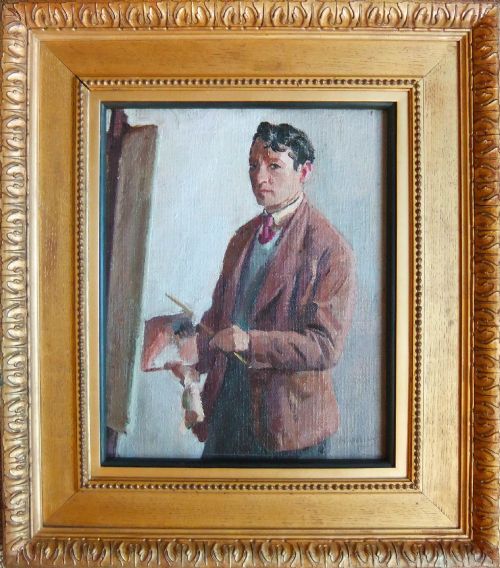
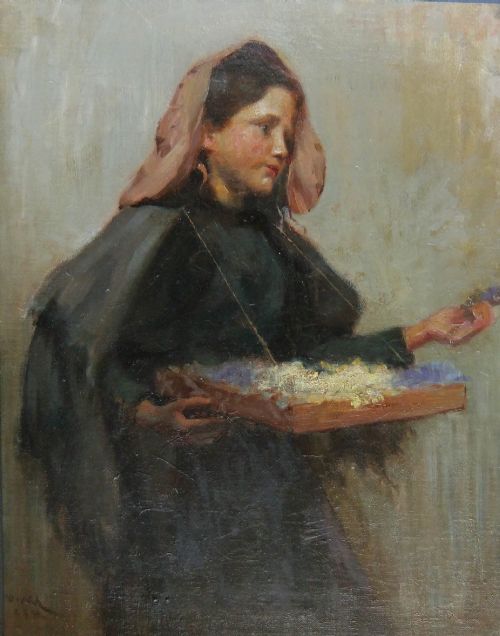
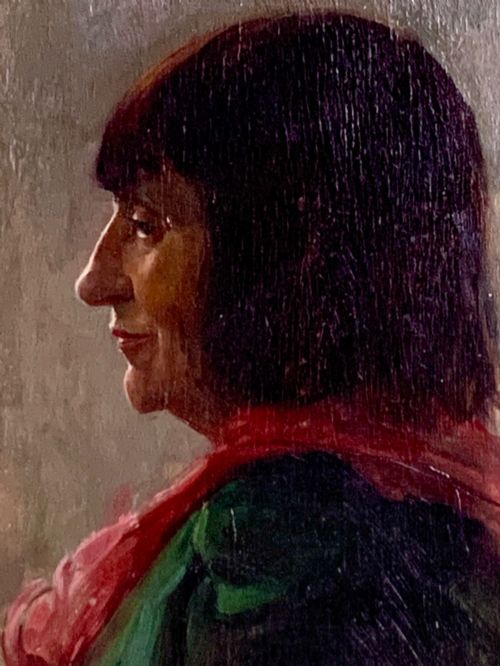
An impressionist portrait canvas captures the fleeting play of light and shadow upon a human face, offering an intimate glimpse into past lives through loose, expressive brushwork.
Impressionist Portrait Canvas
An impressionist portrait canvas brings together loose brushwork and human subjects, often depicting women, children, and artists themselves in contemplative or everyday moments. These works frequently emerge from British, French, and Belgian artistic circles spanning the late nineteenth century through the mid-twentieth century.
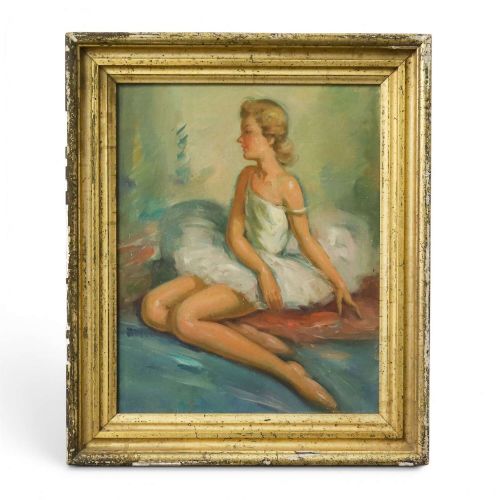
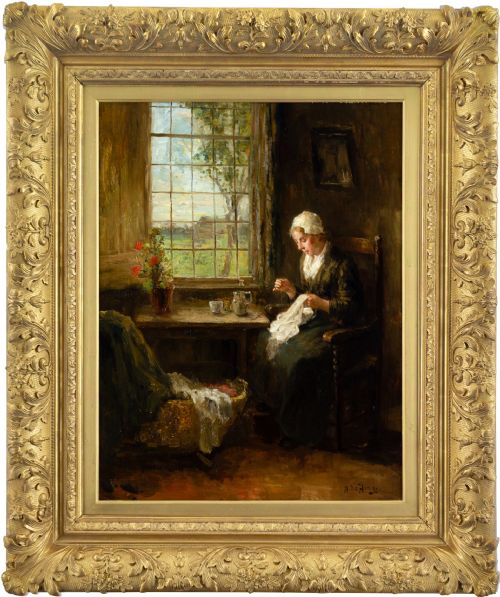
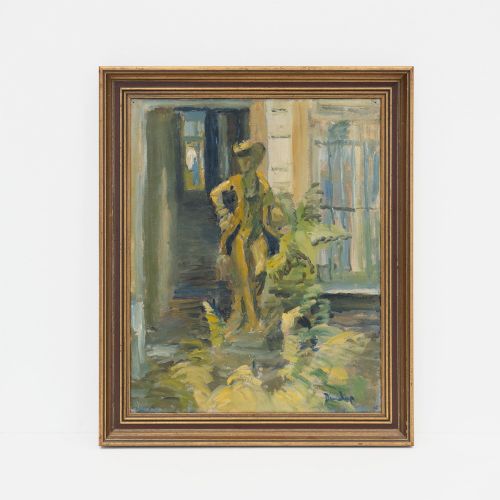
Buyers exploring this selection encounter oil paintings on woven canvas supports, ranging from modest studies to large exhibition pieces. Many examples arrive housed in period wooden frames, occasionally enhanced with gilt and gesso mouldings.
The aesthetic bridges traditional representation and modern freedom, drawing on styles such as Post-Impressionism, British Impressionism, and Mid-Century Realism. Pieces vary from intimate domestic scenes to expressive female nudes and self-portraits created by both named European masters and anonymous British schools.
Materials and Technique
Artists built these images using oil paint applied to stretched canvas, capitalising on the medium's slow drying time to blend tones directly on the support or lay down bold, distinct impasto marks. This technique allows light to bounce off textured paint surfaces rather than flat planes.
Frames play a structural and aesthetic role, constructed from wood and frequently finished with layered gesso and gilt decoration to complement the palette of the canvas within. The interplay between the fabric of the stretcher, the oil pigments, and the carved wooden border defines the physical object.
Materials recorded across the inventory include oil paint, stretched canvas, wood supports, and gesso-moulded gilt frames.
Distinctions in Quality
Quality rests upon the confidence of the brushwork and the artist's command of light, where masterly economy of line breathes distinct character into a sitter rather than relying on stiff academic precision. Superior canvases reveal a deliberate rhythm in every stroke that unifies the subject with the surrounding atmosphere.
The integrity of the canvas and the preservation of the original paint layer determine the visual impact, as undisturbed impasto and stable oil grounds retain their intended brilliance. Additionally, the harmony between the painting and its period frame contributes significantly to the overall integrity of the piece.
Herbert Ashwin Budd·Charles Stuart Forbes·Gladys Marguerite Baker·Bernard De Hoog·Philip Naviasky·William Watt Milne·Ronald Ossory Dunlop·David Pelbam·Raymond Moritz·Henri Vincent-Anglade·Frans Gailliard·Attilio Toro·Philippa Maynard Romer·Vincenzo Irolli·Paul Schier·Jozef Israëls·Jean Hippolyte Marchand·Roland Batchelor·Dod Proctor·Roberto Venturi·Igor Talwinski·Yetta Kane·Christian Caillard·George Smith·Bernard Meninsky
The Impressionist Portrait Canvas Glossary
- Impasto
- Paint applied thickly to a canvas, standing out in relief from the plane and catching the light directly.
- Gesso
- A traditional paint mixture consisting of a binder mixed with chalk, gypsum, or pigment, used to prepare wooden frames.
- Post-Impressionism
- An artistic movement extending Impressionist techniques while rejecting its limitations, favouring more symbolic content and heavier structural brushwork.
- Stretcher
- The wooden frame upon which an artist's canvas is stretched tightly before painting.
- Luminism
- An American and European painting style focusing on the effects of light, characterised by smooth brushstrokes and glowing atmospheres.
Impressionist Portrait Canvas: Frequently Asked Questions
What defines an impressionist portrait canvas?
These works rely on visible, expressive brushstrokes and an emphasis on natural light rather than rigid academic detail. The focus rests on capturing the personality and momentary mood of the sitter.
Created primarily in oil on canvas, the style spans various European and British movements from the late nineteenth century through the mid-twentieth century.
How should I care for an oil painting on canvas?
Keep the artwork out of direct sunlight and away from damp environments to protect the organic fibres of the canvas and the stability of the oil pigments. Dust the surface very gently with a dry, soft brush when necessary.
Avoid using any liquid cleaners or attempting to wash the paint layer, as old oil paint remains sensitive to moisture and chemical solvents.
How do I distinguish between periods?
Nineteenth-century examples often lean towards academic realism infused with early light studies, whereas pieces from the 1920s and 1930s embrace modernist abstraction and bolder palettes. Mid-century works from the 1950s and 1960s frequently push brushwork toward greater freedom and texture.
Examining the canvas preparation, stretcher construction, and style of the signature helps place the work within its historical decade.