
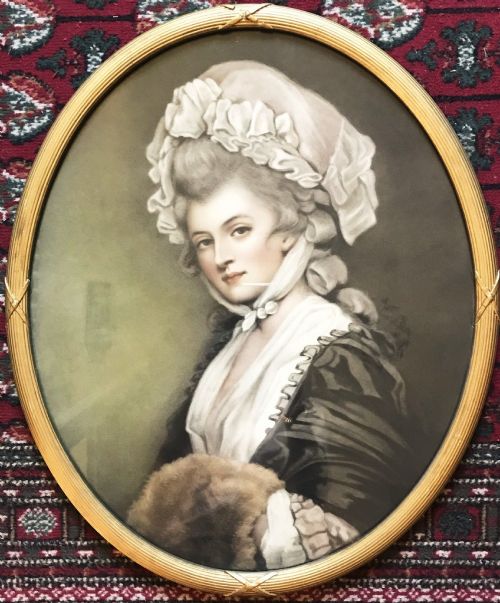
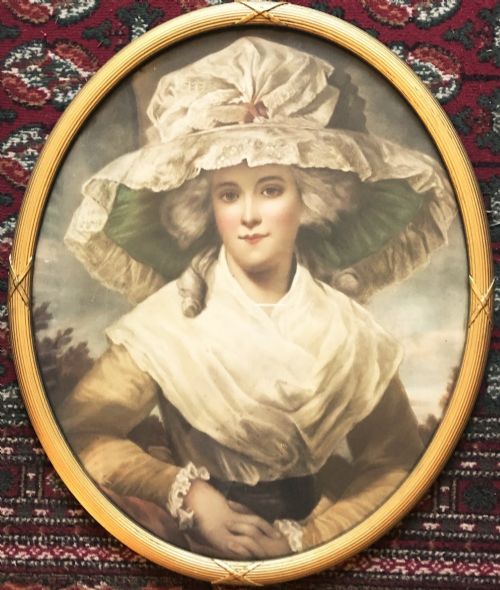


Large Original Portrait Painting
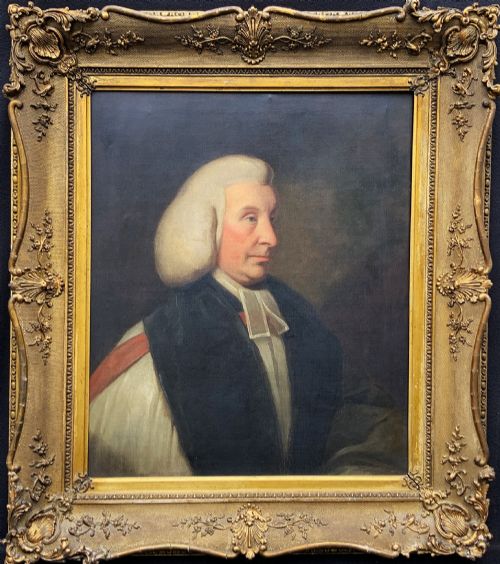
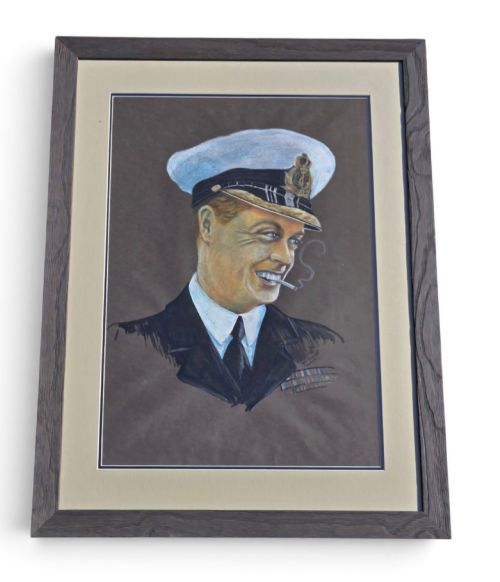
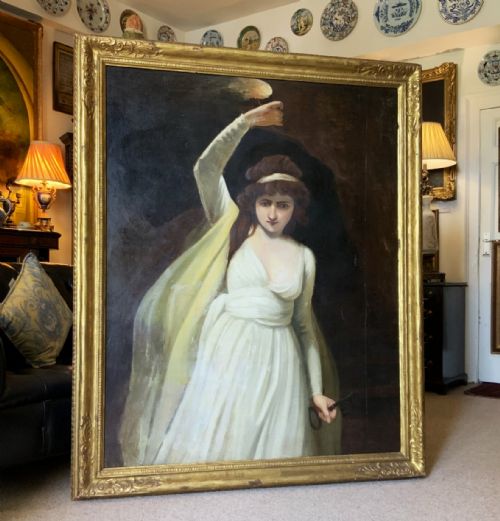
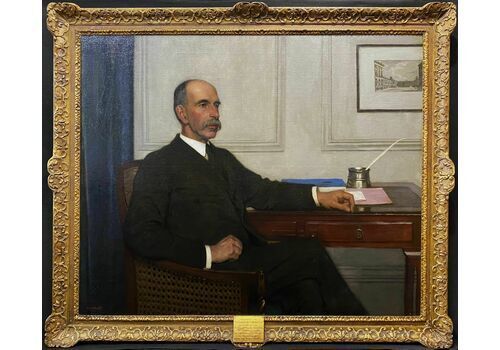
These large original portrait painting examples command a room with historic presence and scale, offering a direct connection to sitters from centuries past.
Large Original Portrait Painting
A large original portrait painting brings substantial visual weight to an interior, spanning subjects from 18th-century merchants and clergymen to mid-century nudes, figures in fancy dress, and animals.
The selections encountered here stretch from the Georgian era through Victorian and Edwardian periods into Mid-Century Modern works, encompassing both formal commissions and intimate domestic studies.
Makers and subjects range from named artists like John Opie RA and Harold Knight RA to anonymous English School sitters, French subjects, and Dutch Golden Age merchants.
Materials and execution
Canvas stretched over wooden frames serves as the primary support for the majority of these oil paintings, complemented by works executed on paper in pastel or board.
Pigments in oil paint provide the rich depth and layered tonality seen across the centuries, while pastel on paper captures softer, immediate textures in works such as equestrian and human studies.
Gilt wood frames frequently house these canvases, providing the substantial borders necessary to support and enclose large historical and domestic compositions.
Among the historical sitters and noble portraits, a gathering of foxhounds and a pair of mermaids share canvas space with the aristocracy.
Assessing visual execution
Execution relies heavily on the artist's handling of light, shadow, and sitter expression, distinguishing formal academic portraiture from looser impressionist or avant-garde interpretations.
The integration of the subject with its surrounding environment - whether a distant church landscape or an interior red armchair - dictates the compositional depth of the piece.
John Opie RA·Harold Knight RA·Henri Schouten·Robert Edward Morrison·William Dring RA
The Large Original Portrait Painting Glossary
- English School
- A term used to describe paintings produced by British artists working within shared stylistic traditions without necessarily belonging to a formal academy. It often denotes regional portraiture of the 18th and 19th centuries.
- Pastel
- A dry painting medium consisting of powdered pigment and a binder, worked onto paper to create velvety colour fields. It requires glazing for protection.
- Gilt Wood
- Timber carved and coated with a thin layer of gold leaf or metallic paint. It provides traditional framing suited to period oil paintings.
- Newlyn School
- An artist colony founded in Cornwall during the late 19th century. Painters associated with this group focused on naturalistic depictions of rural life and coastal scenes in plein air.
Large Original Portrait Painting: Frequently Asked Questions
How do I hang a large portrait painting?
Due to their substantial weight, these large works require secure wall fixings anchored directly into studs or masonry rather than standard plaster hooks.
Position the centre of the canvas at roughly eye level to ensure the sitter's gaze engages naturally with the room.
What lighting suits oil portraits?
Warm, low-UV picture lights mounted above the frame highlight the rich textures of oil paint without causing pigment degradation over time.
Avoid placing these paintings in direct sunlight to prevent fading of both the canvas pigments and any accompanying gilt wood frames.
How do I identify the period of a portrait?
Clothing, hairstyles, and framing styles offer the most reliable visual clues for dating historical portraits before checking signatures or artist records.
Georgian and Victorian works typically feature formal attire and ornate gilt frames, whereas mid-century pieces lean towards looser brushwork and modern apparel.
Are pastels as durable as oils?
Pastels on paper lack the protective varnish layer found on oil paintings and remain vulnerable to moisture and physical disruption if unsealed.
Glazed framing provides the essential barrier needed to protect delicate pastel pigments from atmospheric damage.