


Italian Portrait Art
Italian portrait art spans centuries of painted subjects, capturing noble figures, religious icons, and ordinary citizens in oils, pastels, and watercolours.
Italian Portrait Art
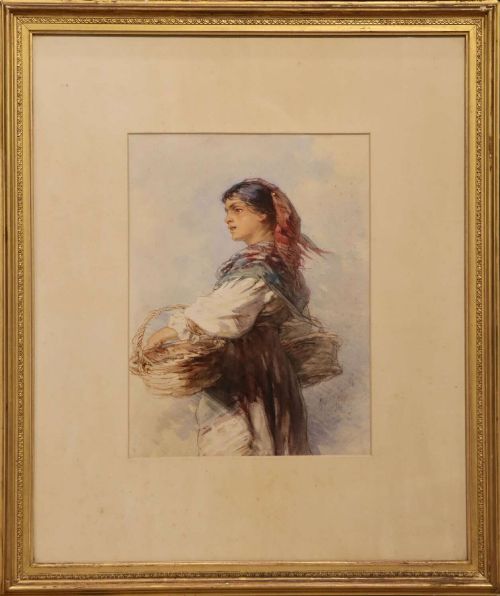
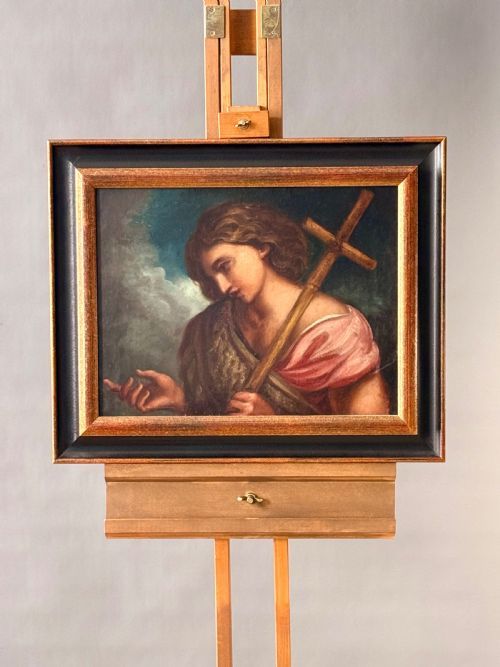
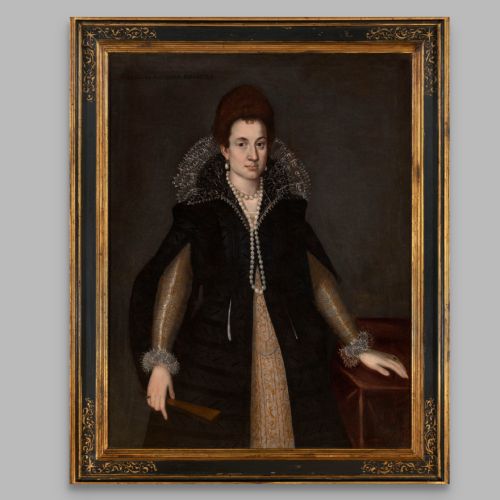
Italian portrait art encompasses centuries of painted and drawn subjects, ranging from religious figures and noblewomen to everyday peasants rendered by regional schools. When searching for Italian portrait art, buyers encounter works executed across the sixteenth, seventeenth, eighteenth, and nineteenth centuries, alongside later revivals.
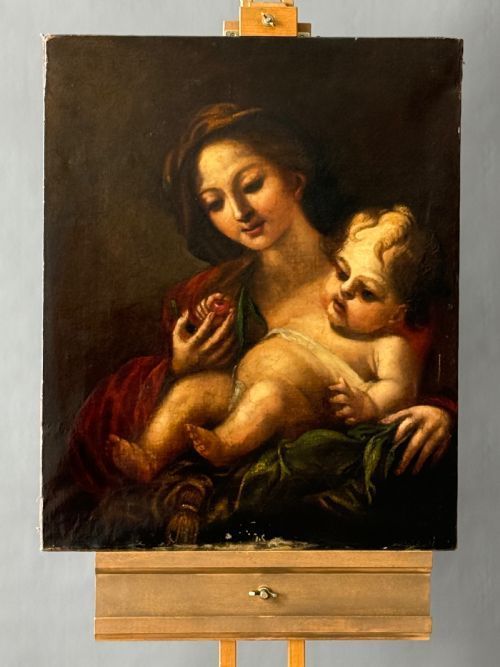
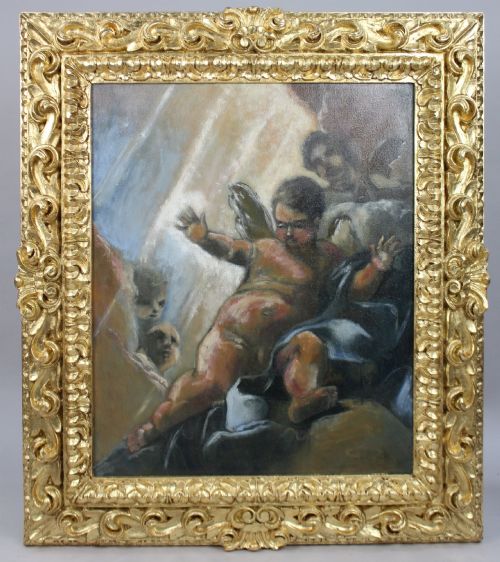
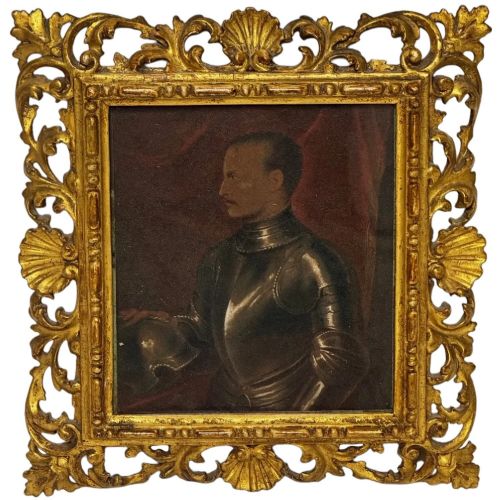
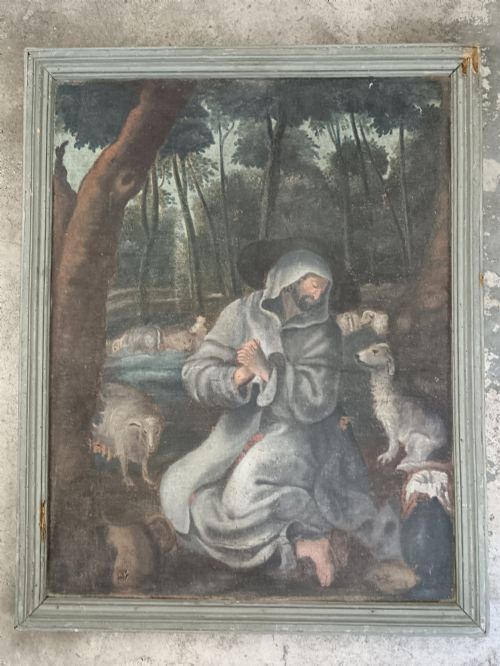
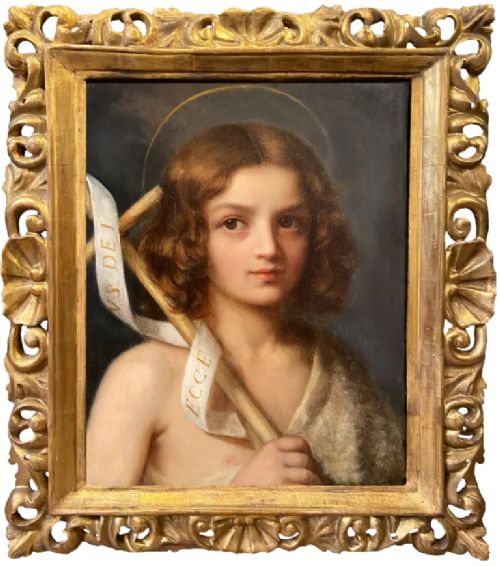
The most common formats on this page are oil paintings on canvas and wood panels, often presented within period frames such as carved giltwood. Religious subjects after Renaissance masters appear alongside secular character studies and formal likenesses recorded by named artists and anonymous European schools alike.
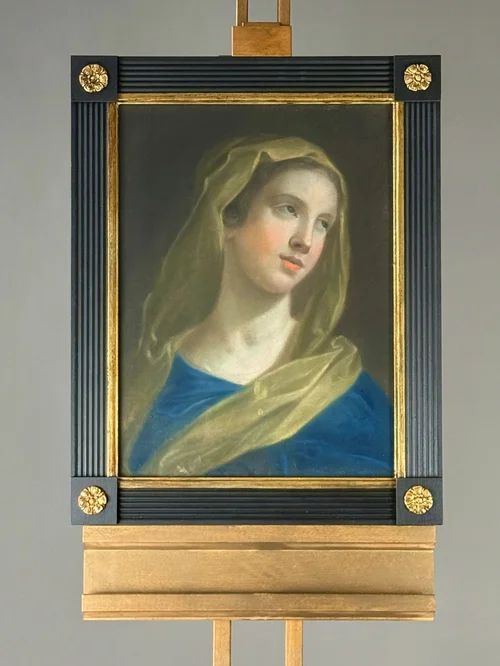
Works vary from intimate pastel miniatures to large-scale gallery canvases depicting aristocratic subjects. Regional variations span Venetian Venetian traditions, Tuscan studies, and Neapolitan execution, reflecting the diverse origins of the pieces.
Materials and technique
The primary technique relies upon oil paint applied to stretched canvas or wooden board, occasionally supplemented by pastel or watercolour on paper. Painters utilised ground pigments mixed with oil binders to build luminous skin tones and deep drapery shadows.
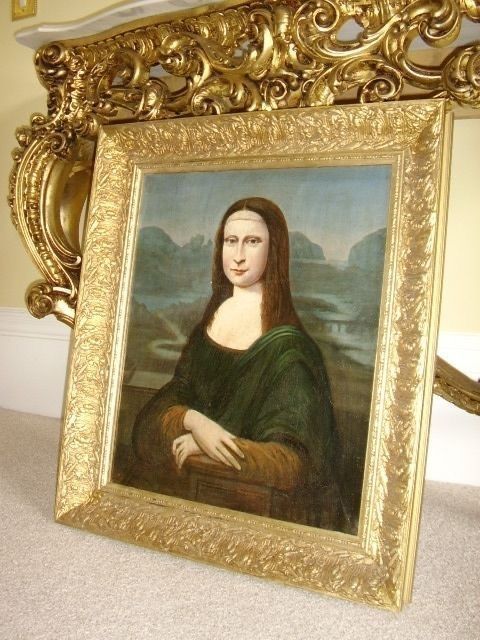
Frames form an integral part of the physical object, constructed from carved wood finished with gold leaf, gilt, or swept gilt moulding. These surrounds complement the visual weight of the canvas and provide structural protection to the edges of the support.
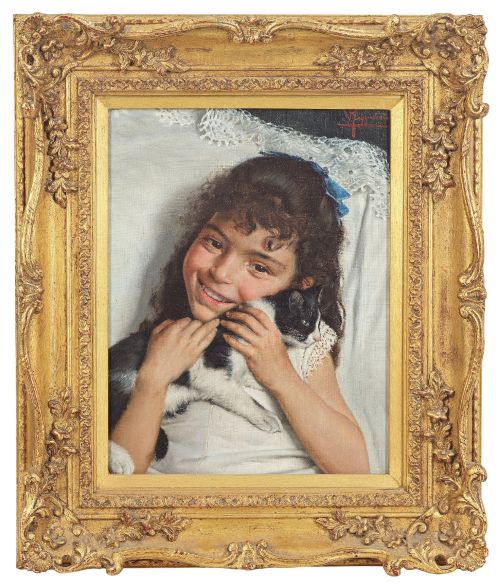
Several portraits feature watchful domestic animals, including a cat resting beside a young girl and a determined Tuscan bull.
Markers of distinction
Quality rests upon the confidence of the brushwork and the anatomical proportion of the subject, where master execution distinguishes professional studio output from simpler provincial copies. The sensitivity of expression in the face and hands reveals the painter's ability to capture character.
The preservation of the original paint layer dictates the integrity of the piece, where stable craquelure indicates natural ageing rather than disruptive intervention. Original period framing also elevates a work, especially when carved giltwood matches the era of the canvas.
Guido Bach·Leonardo Da Vinci·Dumini Leopoldo·Benedetto Luti·Vittorio Reggianini·Pietro Fachetti·Gian Paolo Pace·Bernardino Luini·Guillaume Courtois·Raphael Conestabile·Titian·Paolo Veronese·Benvenuto Tisi·Attilio Toro·Virgil And Dante·Filipo Indoni·Francesco Solimena·Antonio Merente·Costantino Frixione·Claude Lorrain·Domenico Zampieri·Pietro Perugino·Luigi Bardi
The Italian Portrait Art Glossary
- Pentimento
- An alteration in a painting where an earlier stage is visible beneath the final paint layer, showing the artist changing their composition during work. This occurrence confirms the handmade nature of historic oil paintings.
- Tondo
- A circular painting or relief sculpture. This format frequently appears in Renaissance and revival religious portraiture.
- Giltwood
- Wood that has been coated with a thin layer of gold leaf or metallic gilt finish. It is characteristic of decorative frames from the baroque and revival periods.
- Old Master
- A term for a European artist of high skill working before the nineteenth century. These paintings form a cornerstone of historic art collections.
- Pastel
- A medium consisting of powdered pigment mixed with a binder and pressed into stick form. Eighteenth-century artists used pastels for delicate portraits on paper.
Italian Portrait Art: Frequently Asked Questions
How do I date an old Italian portrait?
Dating relies upon examining the preparation of the canvas, the style of the clothing worn by the sitter, and the construction methods of the accompanying frame. Stylistic markers often align with specific regional schools active during particular centuries.
Secondary evidence includes stretcher construction, nail types, and any inscriptions or labels on the reverse of the panel or canvas.
What is an after or follower painting?
A painting described as after a master is a later copy or interpretation of a famous composition, such as a work by Raphael or Leonardo da Vinci. These pieces allowed collectors to own versions of celebrated museum works.
A follower describes an artist working closely within the style and workshop tradition of a major master without necessarily producing a direct copy.
Where should I hang a framed oil portrait?
Oil paintings on canvas require stable environmental conditions away from direct sunlight, high humidity, and rapid temperature fluctuations caused by radiators. Placing them on interior walls helps preserve both the canvas support and the giltwood frame.
Ensure the wall fixings match the weight of the heavy wooden frames frequently found on antique portraits.
Why do some portraits show religious subjects?
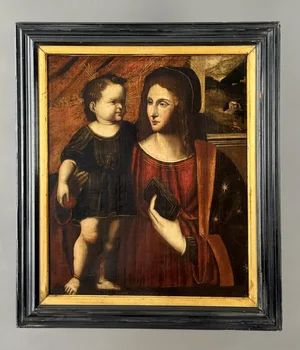
Religious imagery formed a central part of Italian artistic production, with depictions of the Madonna, child, and saints commissioned for domestic devotion and public spaces. These works reflect the spiritual life and patronage systems of historic Italy.
Artists across centuries reinterpreted these sacred narratives using contemporary portraiture conventions for their models.