
Antique Orientalist Art
Antique orientalist art gathers Victorian and later pieces recording distant lands and figures through European eyes.
Antique Orientalist Art
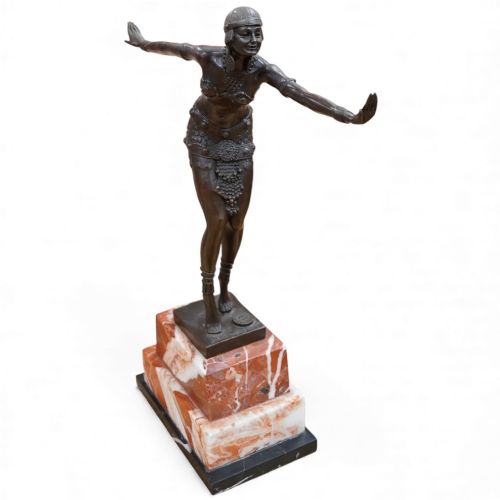
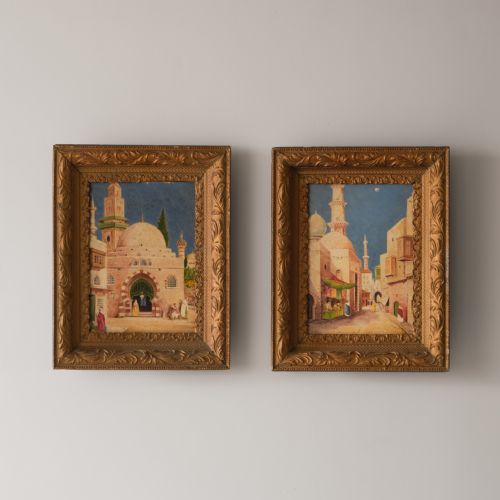
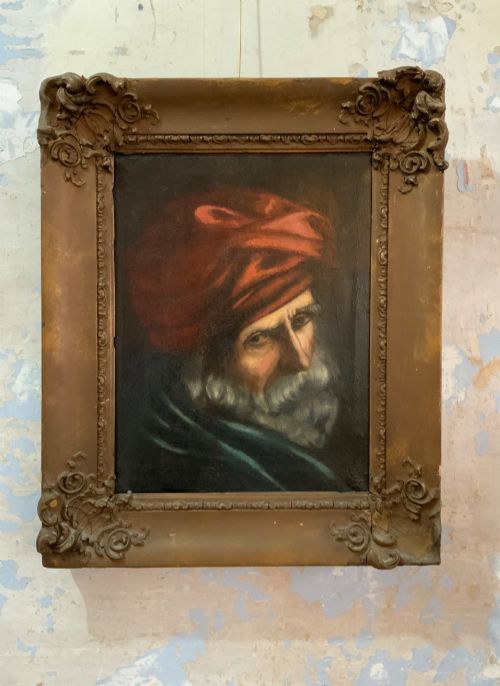
When searching for antique orientalist art, collectors encounter a diverse array of mediums that capture Victorian and early twentieth-century interpretations of Middle Eastern, North African, and Asian subjects. These works encompass framed prints, watercolour paintings, oil on canvas, and detailed bronze sculptures.
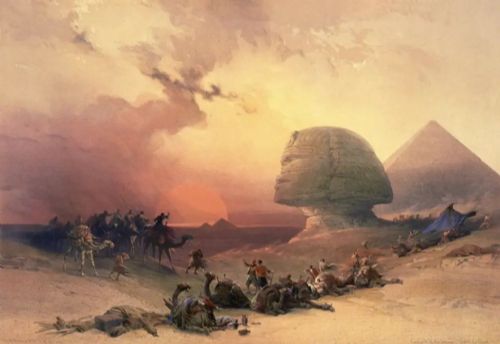
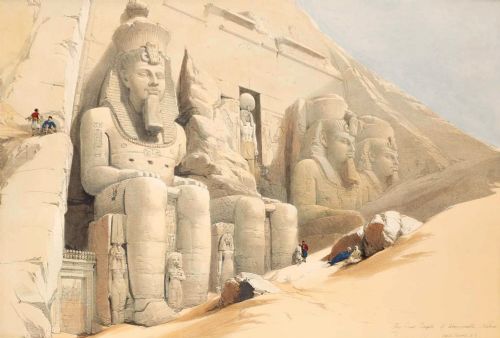
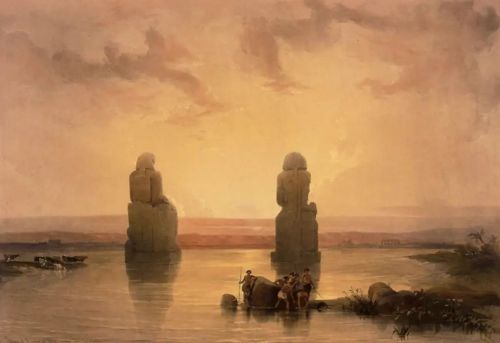
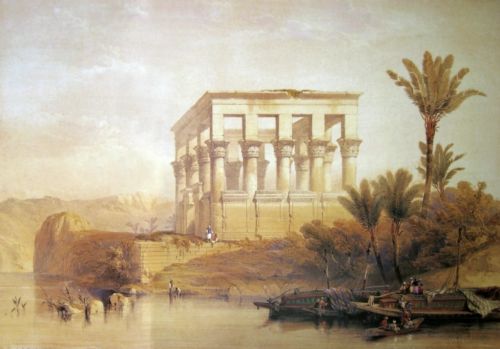
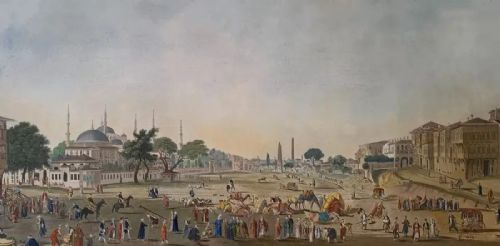
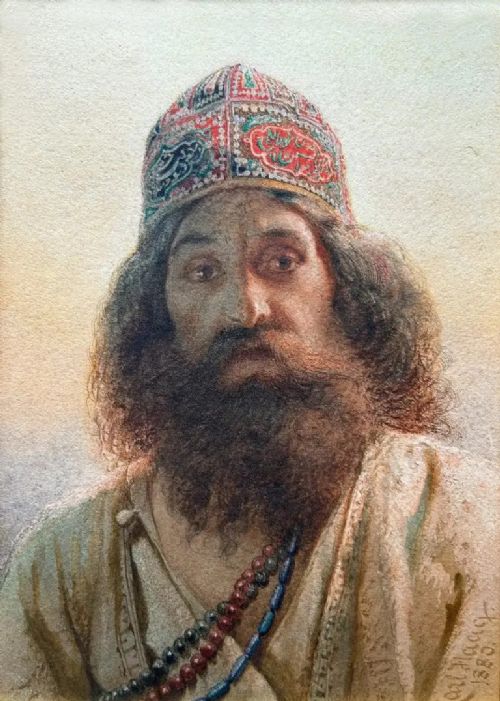
The objects frequently depict architectural studies, desert landscapes, and portraits of gentlemen and local figures. Pieces range from naive depictions of old Bagdad to lithographs of Cairo and architectural dioramas reflecting Moorish influence.
Most items on this page date from the nineteenth century through to the interwar decades, showing the shifting stylistic currents from Victorian realism through to Art Nouveau and Art Deco.
Materials and techniques
The physical objects rely heavily on traditional fine art materials such as oil and watercolour on canvas, paper, and board. Drawings utilise ink and heightened charcoal, whilst prints appear as photogravures and lithographs.
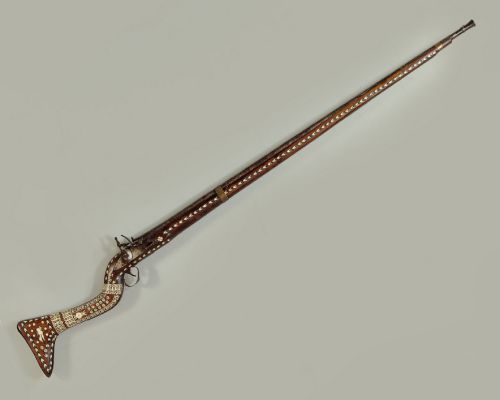
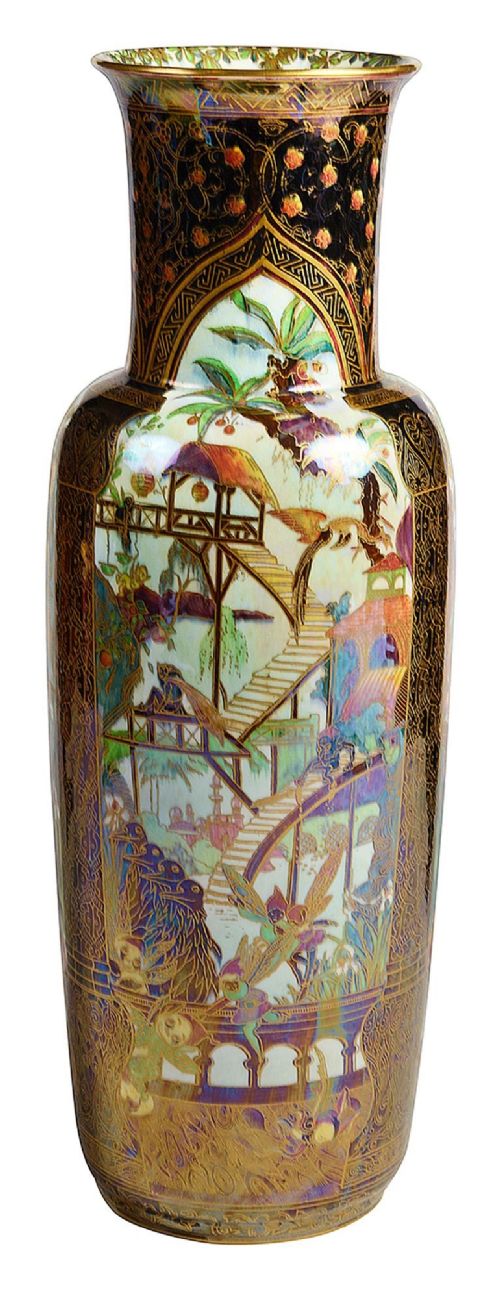
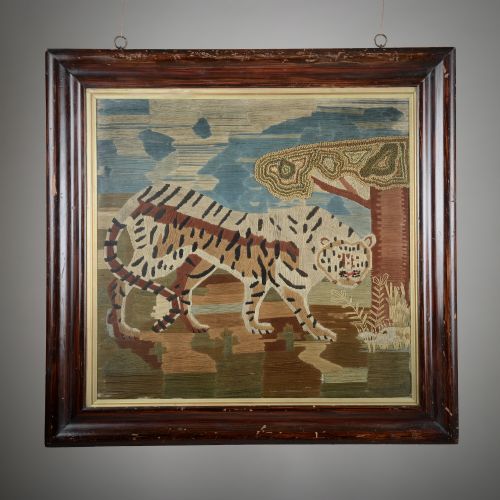
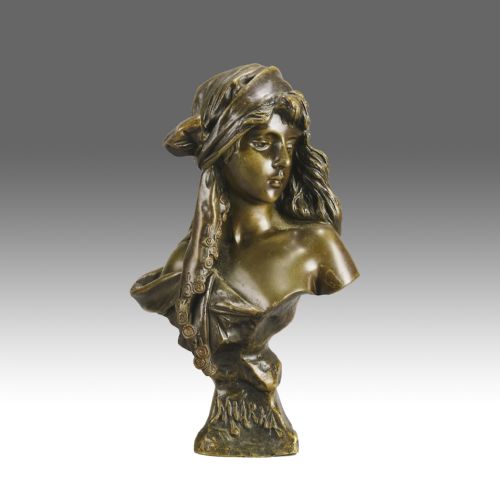
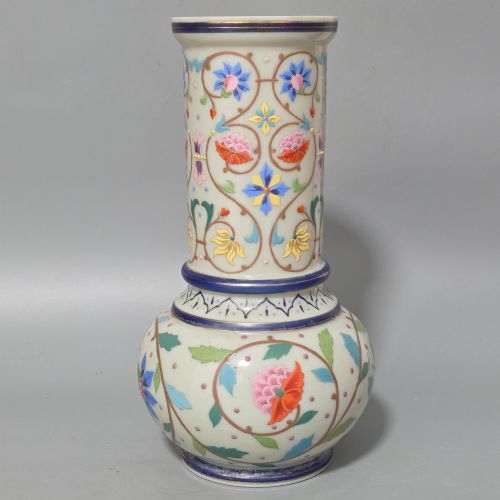
Three-dimensional pieces utilise cast bronze, bone inlay on wood, and glazed ceramic or porcelain bodies seen in figures and vases. Textile works incorporate silk embroidery on garments and wool work depictions.
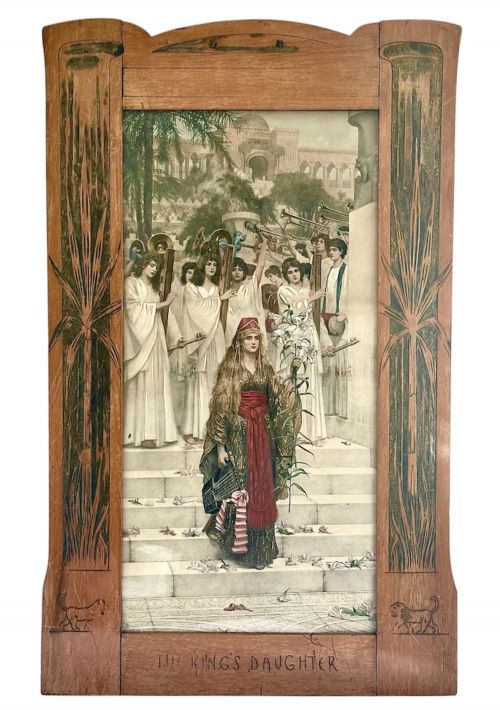
Framing often complements the work, with original wooden and gilt frames preserving the period aesthetic of these travel-inspired items.
Listings feature paper, canvas, wood, glass, and bronze across the nineteenth century, Art Nouveau, and Art Deco periods.
What separates the grades
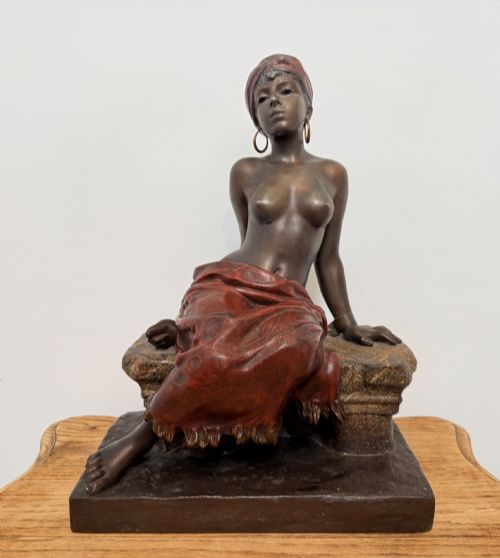
Quality in these works rests upon the fidelity of draughtsmanship, the expressive capture of light in watercolours and oils, and the crispness of casting in bronze figures. Finer bronzes display meticulous chisel work and patination.
The renown of the artist or publishing house heavily influences distinction, alongside the survival of original mounts, frames, and pigment integrity. Pieces retaining clear period context and documented publishing histories stand apart from unsigned or naive student works.
David Roberts·Emmanuel Villanis·Daisy Makeig jones·Warwick Goble·Edouard Drouot·Goldscheider·Edwin Lord Weeks·Arthur Waagen·Robert Camille Quesnel
The Antique Orientalist Art Glossary
- Orientalism
- Artistic and literary output depicting subjects from the Middle East, North Africa, and Asia, largely created by Western practitioners during the nineteenth and early twentieth centuries. It reflects contemporary European fascination with these regions.
- Lithography
- A planographic printing process utilising stone or metal plates to produce multiple impressions of pictorial designs. Nineteenth-century examples often illustrated travel portfolios and architectural surveys.
- Photogravure
- An intaglio printing method producing photographic images with continuous tonal gradations through an etched copper plate. It offered high fidelity for reproducing detailed artworks and portraits.
- Gouache
- An opaque water-based medium producing dense, matte pigment layers often combined with transparent watercolour in landscape paintings. It allowed artists to build rich highlights and deep shadows.
- Patina
- The surface sheen and colour acquired by bronze and other metals through age and environmental exposure. A well-preserved patina indicates proper historical maintenance.
Antique Orientalist Art: Frequently Asked Questions
What subjects appear in orientalist paintings?
Paintings commonly depict sunlit desert landscapes, bustling street scenes, river views, and detailed portraits of local inhabitants in traditional dress. Artists frequently travelled to Egypt, Turkey, and Persia to record architecture and daily life.
These visual records often combine topographical accuracy with romanticised atmospheres, reflecting the travel accounts popular in Victorian and Edwardian society.
How should I care for antique watercolours?
Paper and watercolours require protection from direct sunlight to prevent fading of sensitive pigments. Framing under glass with acid-free mounts ensures the paper remains stable over time.
Maintaining stable room humidity prevents warping of the paper and protects the surrounding wooden or gilt frames from cracking.
How do I identify bronze sculptures from this period?
Nineteenth-century bronze sculptures often carry foundry marks, artist signatures, or titles cast directly into the base or plinth. Examining the underside reveals the casting technique and the natural ageing of the metal.
Heavier patination and hand-finished chasing details distinguish mass-produced decorative items from higher quality studio casts.
Where were ceramic vases and figures made?
European factories such as Royal Doulton, Wedgwood, and continental potteries produced orientalist ceramics, alongside specialised works attributed to Parisian studios. These pieces translated exotic themes into porcelain and earthenware figures or vases.
Backstamps and impressed numbers help date these ceramic works to specific production eras such as Art Nouveau or Art Deco.