

19th Century Figure Painting
A 19th century figure painting captures human presence within landscape, pastoral or interior settings, offering buyers a window into historical narrative and everyday Victorian life.
19th Century Figure Painting
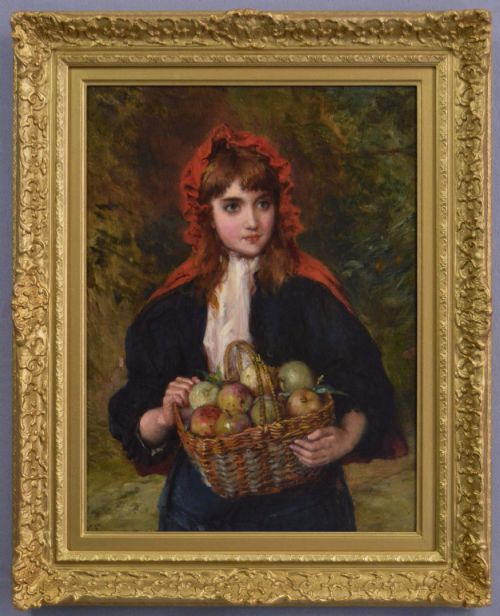
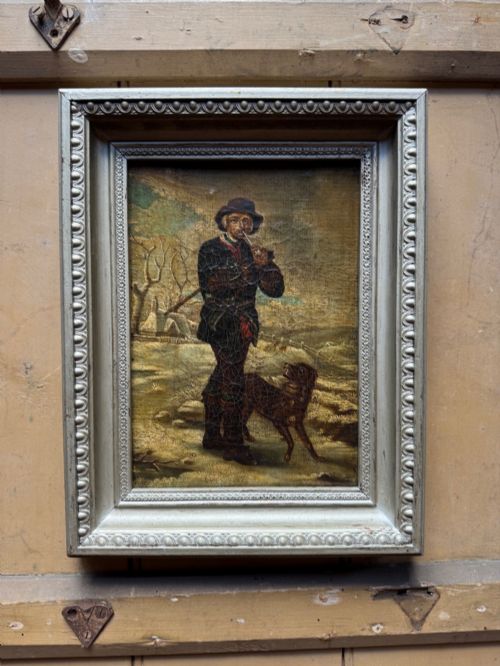
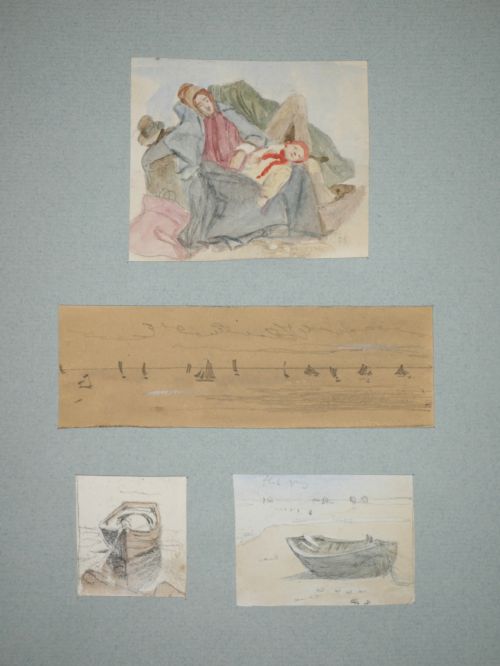
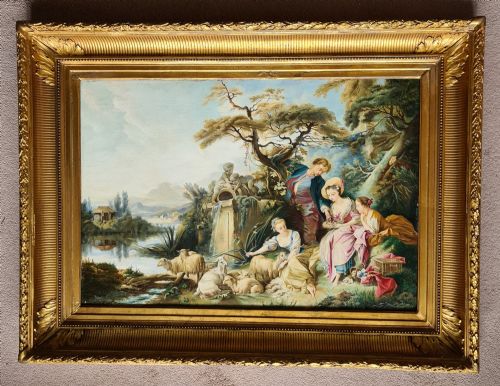
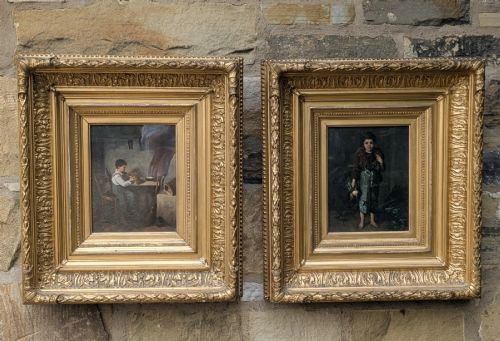
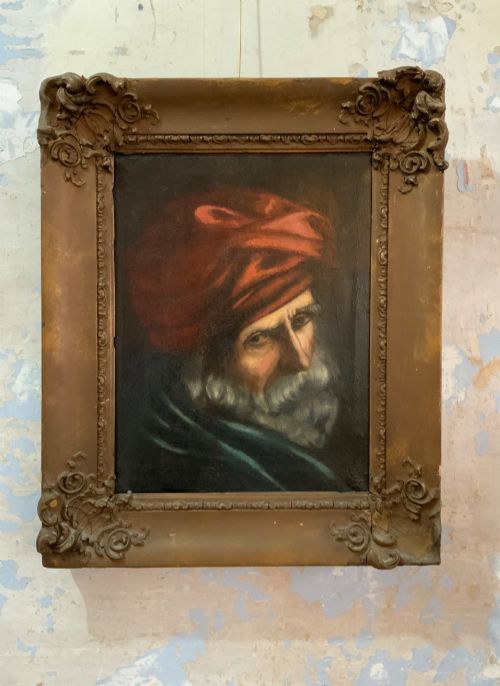
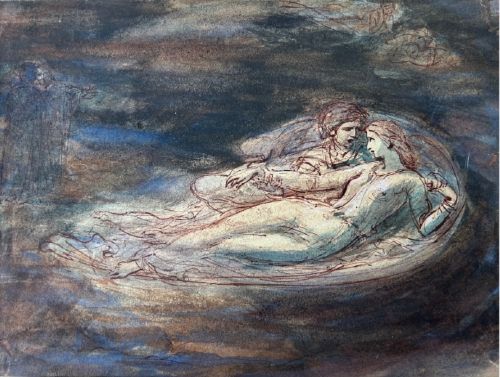
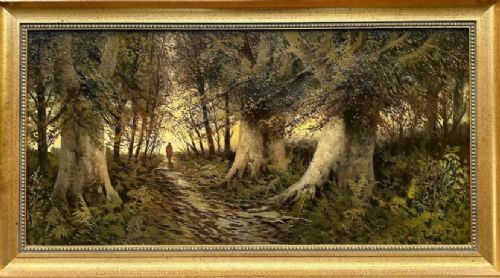
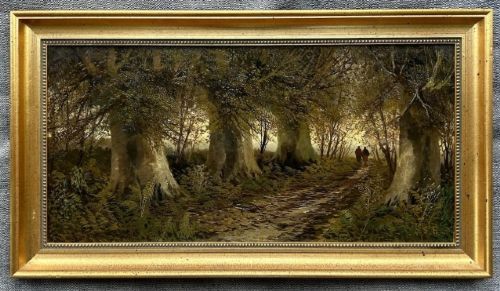
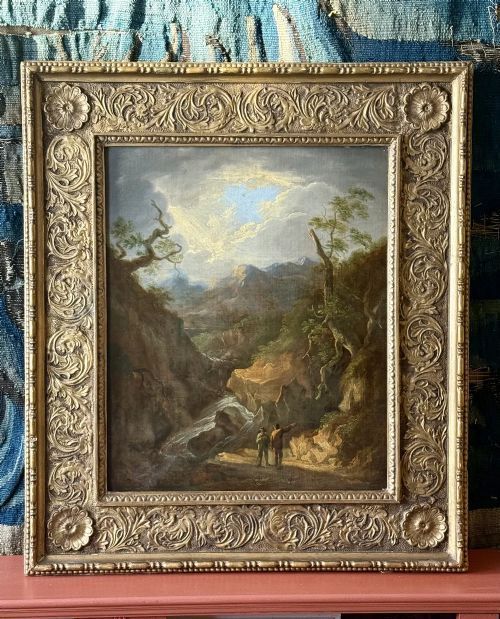
A 19th century figure painting typically presents human subjects integrated into rural landscapes, coastal scenes, or domestic interiors, reflecting the artistic preoccupations of the Victorian era and preceding decades. The works span intimate watercolours, detailed ink and wash sketches, and substantial oil paintings on canvas or wood panel.
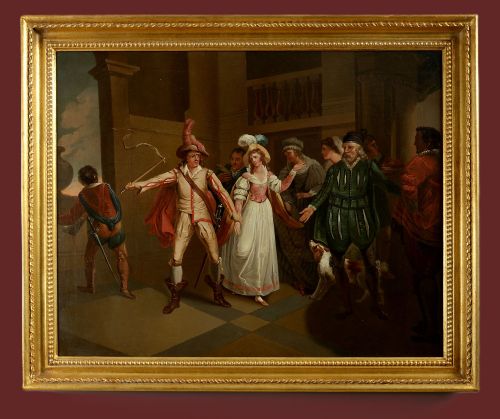
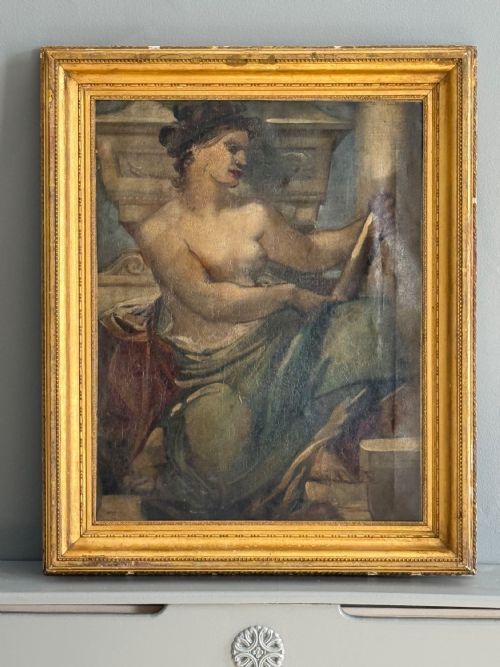
Buyers encounter diverse regional schools and stylistic revivals, ranging from British pastoral scenes featuring cottagers and labourers to Continental landscapes and Orientalist compositions. The subjects stretch from solitary portraits and literary interpretations to bustling coastal groups and Neapolitan fisherfolk.
Most pieces date from the Victorian period through the late nineteenth century, created by professional artists, regional schools, and skilled amateurs alike. These works document human activity, dress, and topography with the direct observation characteristic of the period.
How They Were Made
Artists of the period applied oil paint to prepared canvas, wooden panel, or board, building up rich pigment layers that capture light and atmosphere in landscape settings. Watercolours and gouache on paper or card allowed practitioners to record rapid sketches and finished watercolours with delicate washes and fine ink detail.
Supports varied according to scale and convention, with portable wood panels and card frequently utilised for plein air studies, while larger exhibition pieces relied on stretched canvas. Gesso and ornate gilt frames completed the presentation, protecting the painted surface while enhancing the visual weight of the artwork.
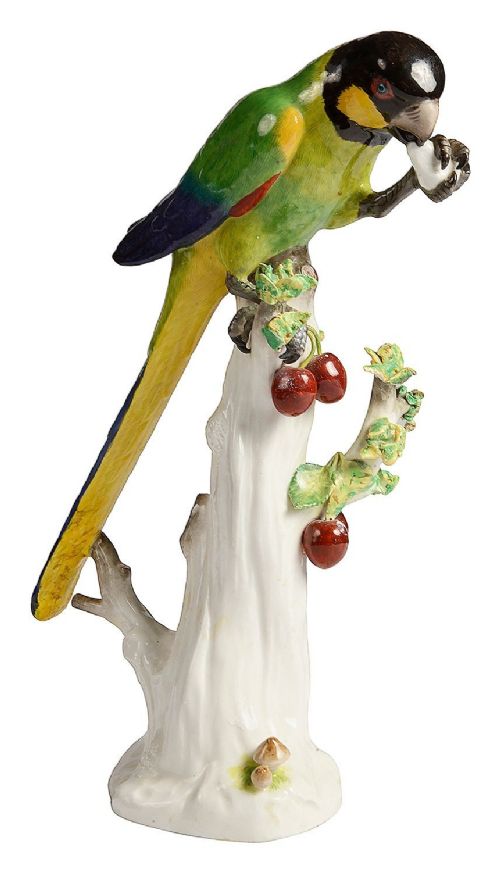
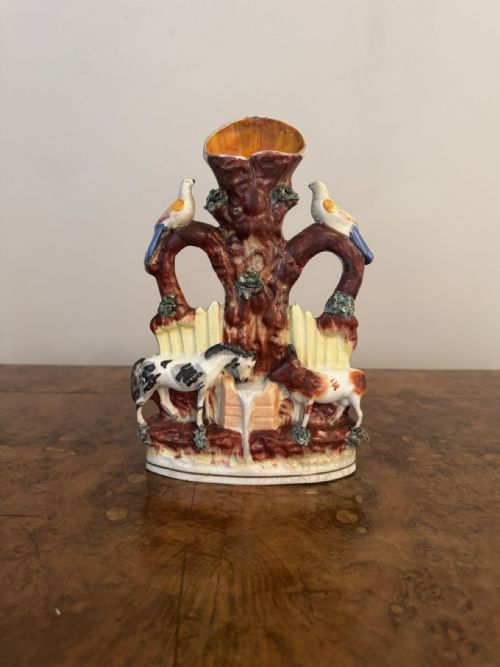
Among the human subjects, a terracotta pug dog and a Meissen parrot perched on a tree trunk claim their own undeniable character.
What Varies In Quality
The standard of execution in a 19th century figure painting rests upon the artist's command of anatomy, facial expression, and the natural integration of the human subject into the surrounding landscape. Finer works display confident brushwork, subtle tonal transitions, and a convincing sense of light and space.
Provenance and attribution significantly influence standing, with signed works by exhibited salon artists or documented members of recognised regional schools commanding greater interest than anonymous amateur productions. The preservation of the original pigment surface and the integrity of the support also distinguish superior examples.
William Oliver·James Smetham·Thomas W Lascelles·Benjamin Barker of Bath·Robert John Hammond·Walter Heath Williams·Stephen Pearce·Thomas Spinks·E Villanis·Umberto Volpato·Carlo Ferranti
The 19th Century Figure Painting Glossary
- Oil Paint
- A slow-drying paint made by combining pigments with a drying oil, typically linseed oil. This medium allowed artists to achieve rich colour depths and blend tones smoothly over extended painting sessions.
- Watercolour
- A painting method where coloured pigments are suspended in a water-soluble binder, traditionally applied to paper. It enabled artists to produce luminous washes and transport materials easily for outdoor sketching.
- Gouache
- An opaque water-based paint featuring pigment mixed with water and an inert white filler such as chalk. It provides solid, flat areas of colour and sharp highlights in works on paper.
- Gesso
- A plaster-like mixture used as a preparation base for painting surfaces or applied to wooden mouldings for frames. It created a smooth, stable ground for gilding and decorative embellishment.
- Panel
- A rigid flat support made of wood used by painters as an alternative to canvas. Wooden panels offered a smooth, stable surface favoured for detailed cabinet paintings and outdoor oil sketches.
19th Century Figure Painting: Frequently Asked Questions
What subjects appear in these paintings?
The compositions frequently feature solitary figures or groups engaged in rural labour, travelling along country lanes, or resting by coastal waters. Painters also recorded domestic interiors, literary narratives, and topographical views populated by local inhabitants.
Human presence serves to animate the landscape, providing scale and narrative interest. Figures might include fisherfolk, agricultural workers, travellers, or portrait subjects set against architectural and natural backdrops.
How do I care for antique paintings?
Protect the artwork from direct sunlight and extremes of temperature or humidity, which cause canvas to slacken and wood panels to warp. Display the pieces in stable indoor environments away from direct heat sources.
Clean surfaces gently with a soft, dry brush to remove dust, avoiding water or chemical cleaning agents on painted areas. Consult a professional conservator if the canvas requires cleaning or structural repair.
How can I identify the date?
Examine the style of dress, hair, and accessories worn by the figures, as these reflect the distinct fashions of the Victorian era and earlier nineteenth-century decades. Stretched canvas types, framing styles, and stretcher construction methods provide additional chronological clues.
Signatures, dates inscribed on the reverse, or artist biographies recorded in historical exhibition catalogues help narrow the period of creation. Unsigned works can often be attributed through stylistic comparison with known regional school output.
Where were these works produced?
Originating across Britain and continental Europe, the pieces reflect the production of national schools such as the British, French, Italian, and Belgian traditions. Artists travelled widely, painting local populations during Grand Tours and sketching expeditions abroad.
Regional artistic hubs, from the Norwich School to urban studios in Paris and Rome, fostered distinct approaches to landscape and figurative composition. This widespread production created a diverse visual record of nineteenth-century life.