

Traditional Figurative Oil Artwork
Traditional figurative oil artwork brings historic human stories, intimate domestic scenes and character portraits directly onto the wall through rich brushwork.
Traditional Figurative Oil Artwork
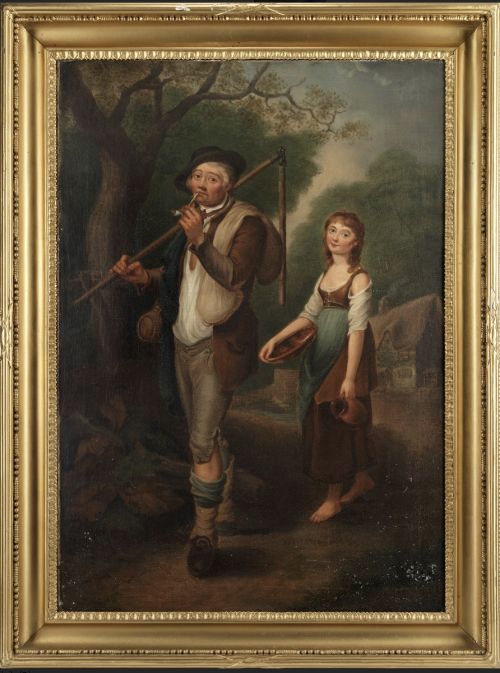
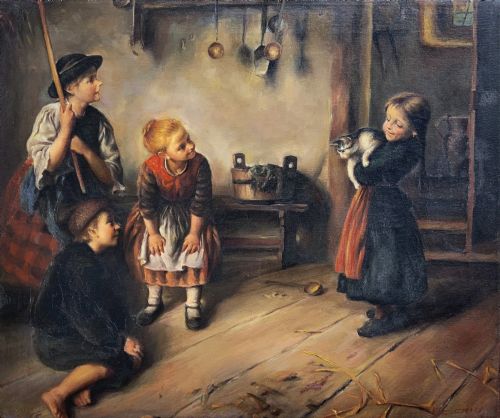
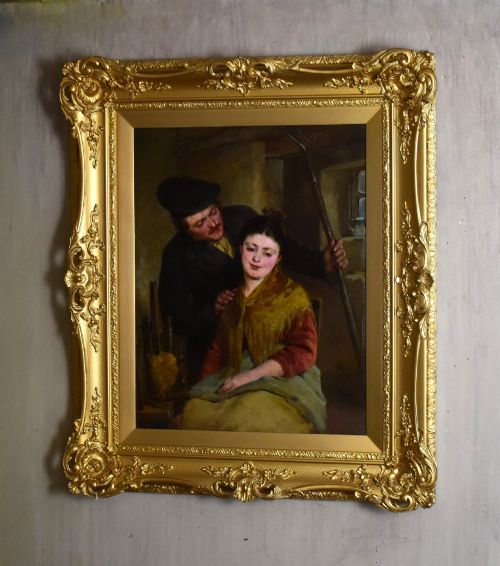
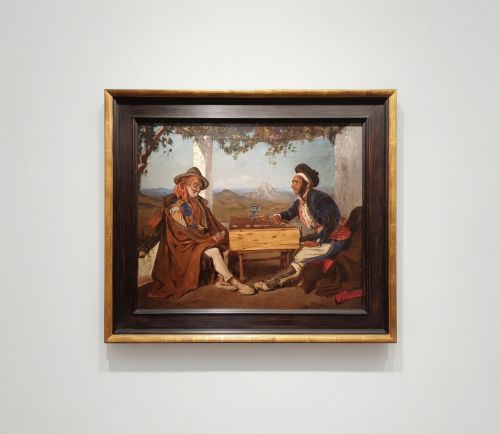
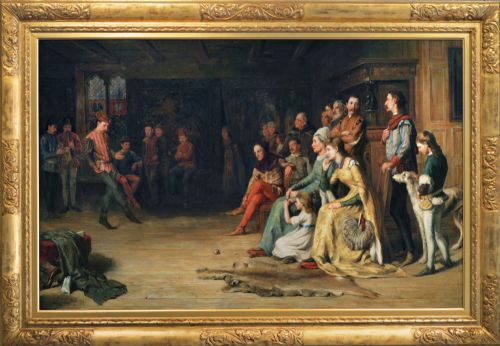
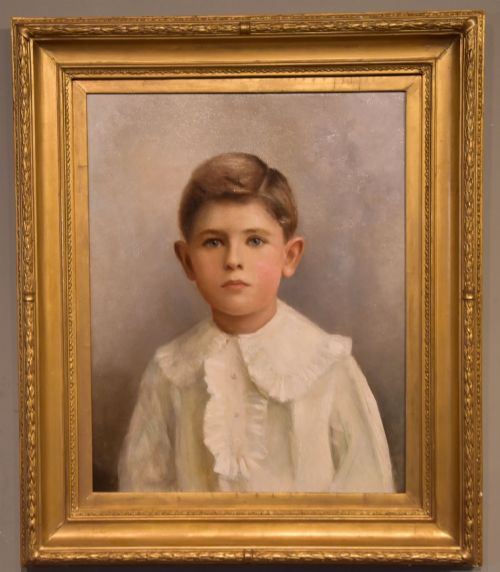
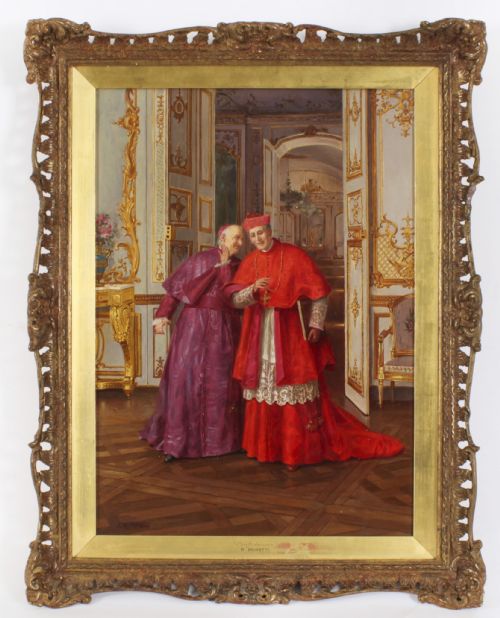
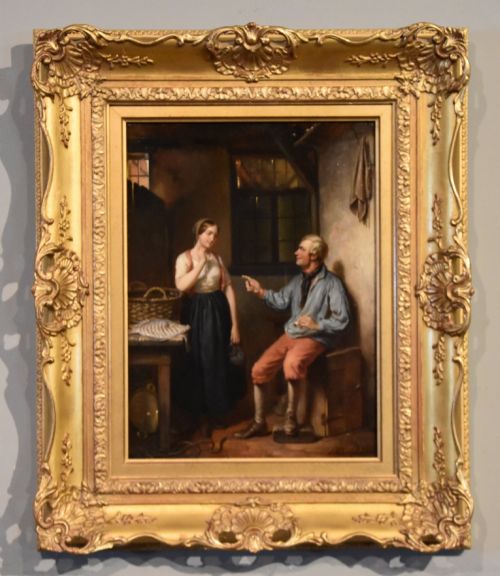
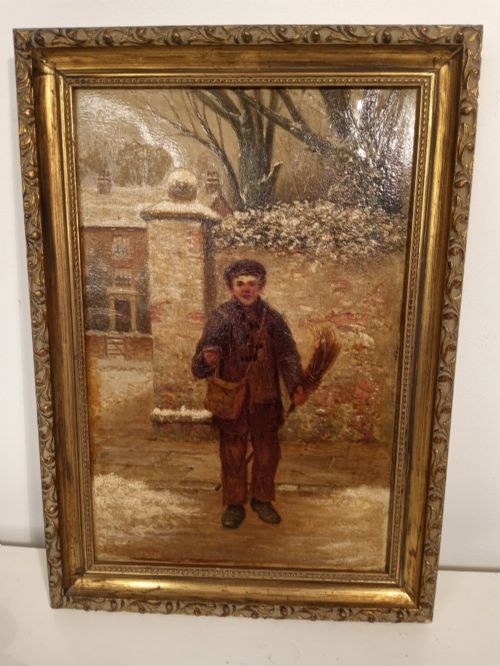
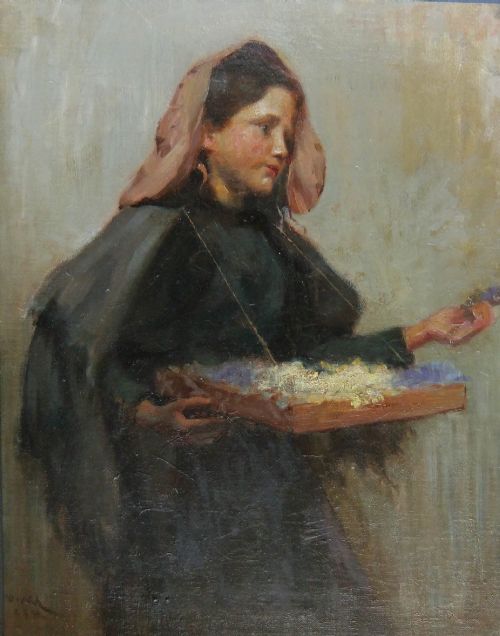
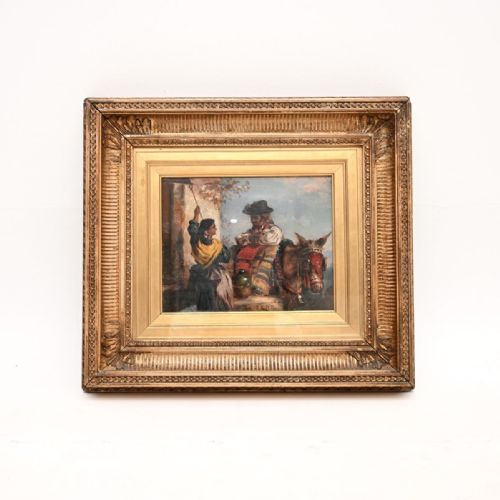
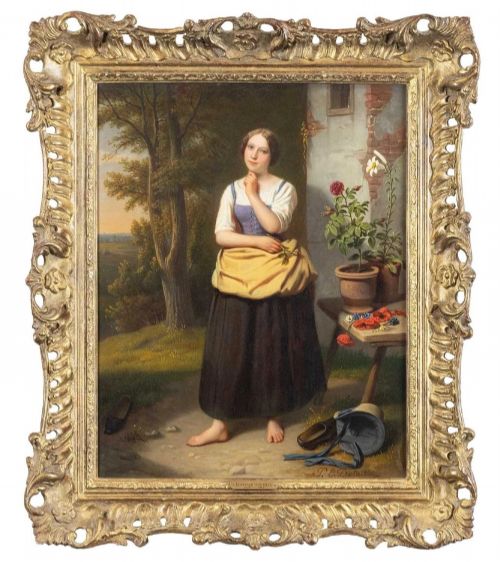
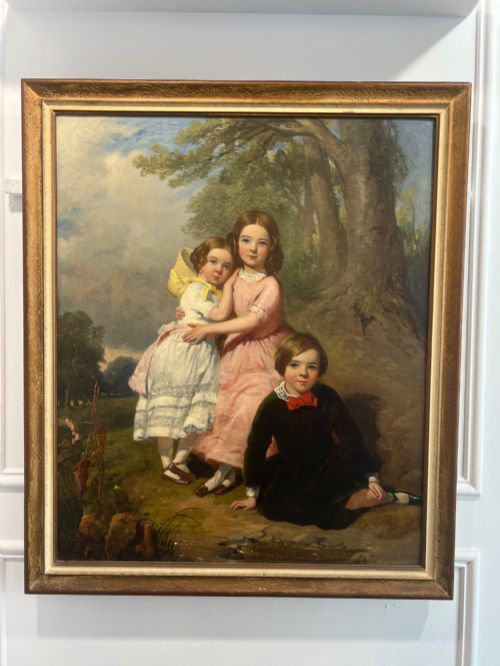
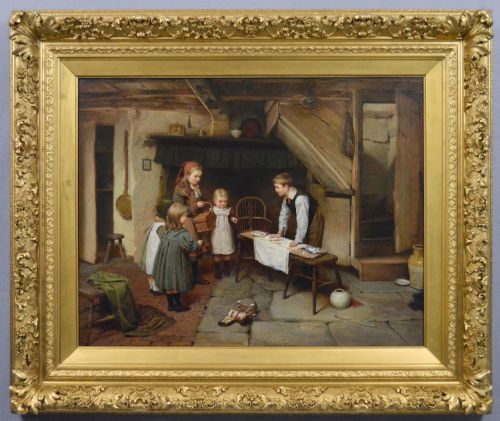
Traditional figurative oil artwork encompasses paintings that centre on human subjects, ranging from solitary portraits to elaborate genre scenes of daily life. When searching for traditional figurative oil artwork, buyers encounter canvas and panel paintings rooted primarily in nineteenth-century and early twentieth-century traditions. These pieces capture people in interiors, landscapes and historical settings, reflecting the artistic priorities of Victorian and Edwardian painters.
The selections available here lean heavily into genre painting and portraiture produced across Britain and continental Europe. Works span from intimate depictions of children and domestic workers to grander historical compositions involving multiple figures. The common thread is the human form rendered in oil paint to tell a visual story or preserve a likeness.
How they were made
Artists built these compositions using oil paint applied to stretched canvas, wooden panel or board, often supported by gesso preparation layers. The medium allowed for subtle blending of tones, rich glazing and visible impasto that gives depth to fabrics, skin and interior lighting. Once dry, many of these paintings were housed in heavy giltwood or carved wooden frames designed to complement the palette of the canvas.
Techniques varied from the precise academic realism seen in historical genre scenes to looser, more expressive brushwork in later Edwardian and mid-century pieces. Painters worked up their subjects through preparatory sketching before laying down successive layers of oil pigment to achieve luminosity and shadow.
What varies in quality
Quality in these figurative works rests on the draughtsmanship of the figures and the handling of expression within the faces. Superior paintings demonstrate a confident command of anatomy, posture and spatial depth, whereas lesser works can feel stiff or awkwardly proportioned. The integration of light and shadow across the subjects determines how successfully the scene holds the viewer's attention.
The distinction also lies in the ambition of the composition and the fidelity of the narrative detail. Paintings featuring multiple interacting figures with distinct facial expressions and detailed period costumes demand a higher level of technical skill than simple bust-length portraits.
Howard Helmick·James Hamilton·Henry Windsor Fry·Jacob Akkersdijk·William Watt Milne·Thomas Kent Pelham·Harry Brooker·Charles Haigh Wood·Haynes King·John Sanderson Wells·James Kyd·David Teniers II·Friedrich von Kaulbach·Hendricus Joseph Dillens·Frank Hyde·Fernand Jean Barbier·Jane Maria Bowkett·William Oliver·Henry Weigall·Thomas Rose Miles·John Ritchie·Karel Frans Philippeau·Henry Collins·Frederick Bartman·Robert Alexander Hillingford
The Traditional Figurative Oil Artwork Glossary
- Genre painting
- Depictions of everyday life and ordinary people engaged in common activities, often set within domestic interiors or rural landscapes.
- Impasto
- Paint applied thickly to a canvas or panel so that it stands out from the surface, leaving visible brush or palette knife marks.
- Gesso
- A plaster-like mixture used as a smooth base coat on panels or frame mouldings before gilding and painting.
- Giltwood
- Wood carved and covered with thin gold leaf or gold paint, frequently used for traditional picture frames.
Traditional Figurative Oil Artwork: Frequently Asked Questions
What is a genre painting?
A genre painting shows scenes from everyday life, featuring ordinary people at work, rest or play rather than grand historical or mythological subjects.
These works provide a window into past social customs, domestic interiors and working conditions through the lives of everyday subjects.
How do I date an oil painting?
Dating relies on a combination of stylistic clues, clothing fashions, artist signatures and the physical materials of the canvas and stretcher.
Examining the stretcher frames, nail types and framing styles often helps confirm the era in which the work was produced.
Where should I hang figurative art?
Figurative oil paintings suit principal reception rooms, studies and dining areas where viewers have time to study the details and narrative.
Keep them away from direct sunlight and damp walls to protect the oil pigments and the wooden stretcher frames.
Are these paintings original works?
The pieces listed are original hand-painted works in oil on canvas or panel, rather than modern mechanical reproductions.
Each painting carries the unique brushstrokes and individual touch of the artist who created it.