





Antique Clerical Artwork
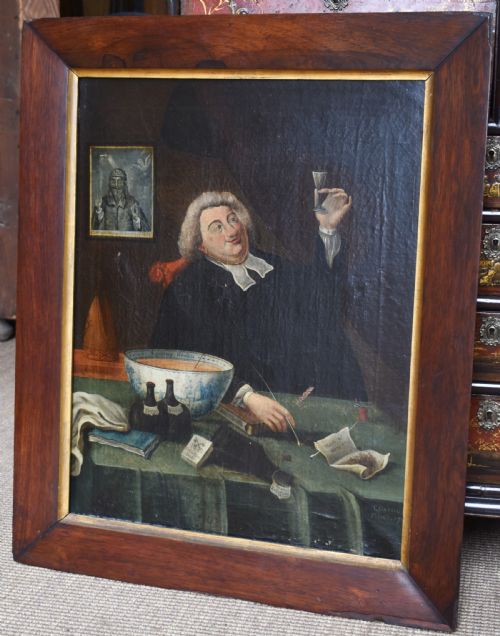
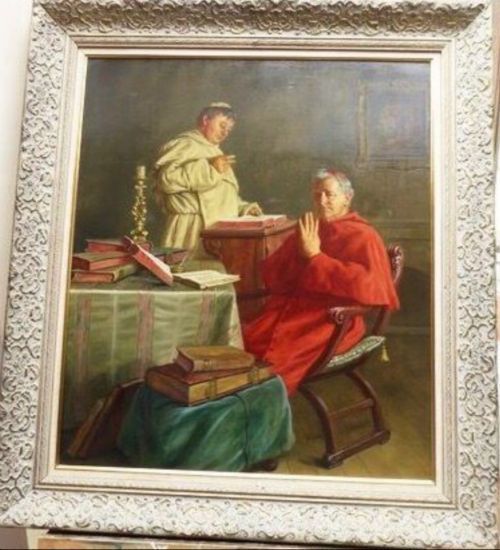
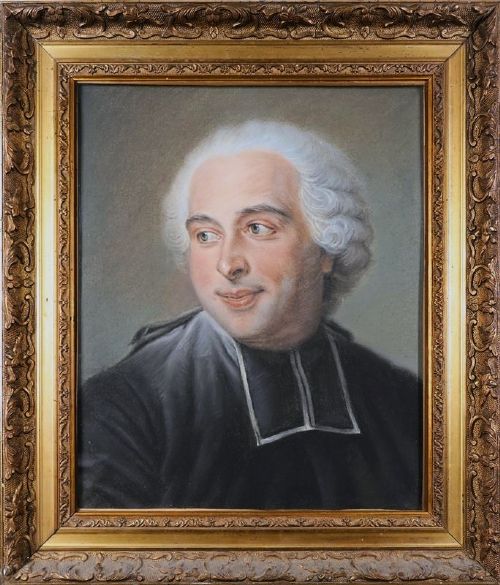
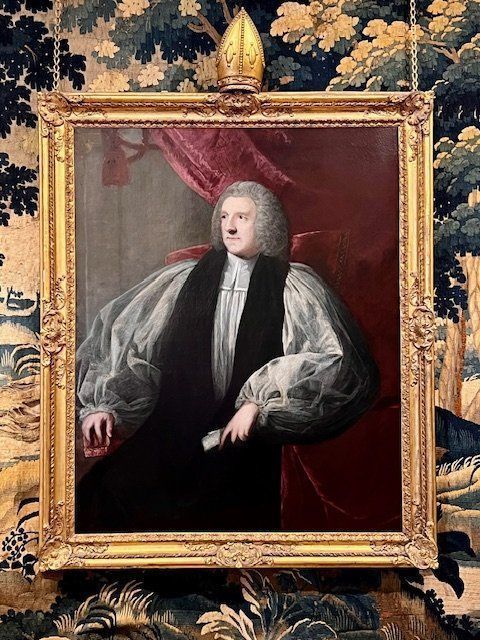
These antique clerical artwork pieces are oil paintings and watercolours depicting churchmen, monks and theologians, prized for their rich portraiture and historical depth.
Antique Clerical Artwork
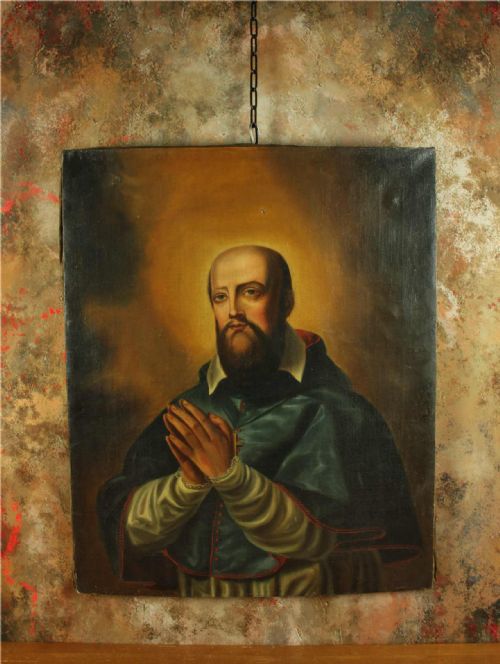
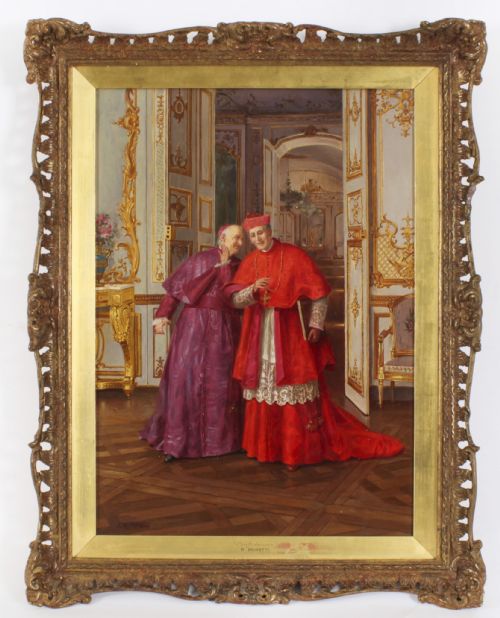
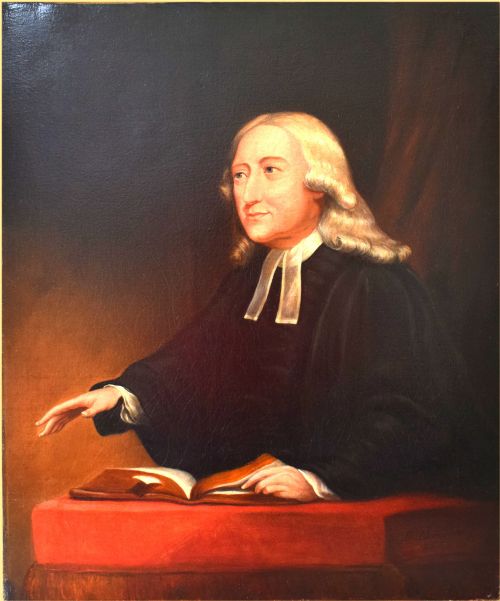
When searching for antique clerical artwork, you encounter framed fine art and oil paintings centred on portraits of archbishops, cardinals, pastors, and monks. These works capture figures of faith from the seventeenth, eighteenth, and nineteenth centuries, including depictions by the English School and Italian Baroque masters.
The most common subjects on this page are oil paintings on canvas, alongside pastel and watercolour portraits. You find grand representations of popes and theologians alongside intimate scenes of monks fishing or cardinals at tables.
Originating from British, Italian, French, and Spanish traditions, these paintings range from academic realism to seventeenth-century English portraiture. Each piece records the gravity and station of its ecclesiastical subject through formal posture and period attire.
How they were made
The primary technique relies on oil paint applied to canvas or paper, often supported by wooden stretchers and housed in giltwood frames. Artists utilised layered oils to build deep tones in clerical robes, capturing the texture of heavy fabrics and lace.
Watercolour and pastel appear on paper for lighter portrait studies, maintaining precise detail in facial expressions and clerical collars. Framing often incorporates period giltwood, which complements the dark, rich palettes typical of seventeenth and eighteenth-century portraiture.
Antique Clerical Artwork Retail Price Guide 2026
Typical asking prices for clerical artwork among the pieces listed under this phrase on Sellingantiques today, from the lower quarter to the upper quarter. They describe what is for sale here now, not the wider market.
Listings feature oil on canvas, paper, and wood, spanning seventeenth-century English portraits to twentieth-century academic realism.
What varies in quality
Quality rests in the precision of the brushwork and the psychological depth of the sitter's expression. Master works capture lifelike detail in the hands, eyes, and vestments, whereas lesser pieces rely on formulaic rendering.
The distinction between a workshop production and a signed piece by a named artist alters the standing of the work. Attribution to recognised figures or established schools elevates the art historical importance of the canvas.
Sir Joshua Reynolds·Frank Moss Bennett·Frank Hyde·Alan Ramsay·Ernst Stierhof·Edward Penny·John Jackson
The Antique Clerical Artwork Glossary
- Academic Realism
- A style of painting and sculpture produced under the influence of European academies of art. It emphasises precise anatomical accuracy and polished surfaces.
- Giltwood
- Wood that has been treated with gold leaf or a gold-coloured finish. It is commonly found on traditional frames surrounding oil paintings.
- Old Master
- A term for a European painter of skill born before about eighteen hundred. These artists worked within established classical and regional traditions.
- Pastel
- A dry medium composed of powdered pigment and a binder, formed into a stick. It creates soft, velvety portraits on paper.
- Provenance
- The chronology of the ownership and custody of a historical item. It helps establish authenticity and historical context.
Antique Clerical Artwork: Frequently Asked Questions
What subjects appear in clerical artwork?
These works portray popes, archbishops, cardinals, ministers, and monks in formal poses or quiet daily moments. Artists captured the distinct vestments and solemn expressions of religious figures across centuries.
Subjects range from formal ecclesiastical portraits to narrative scenes of monks engaged in everyday activities like fishing or dining.
How do I identify the period of a painting?
Period is determined through the style of dress, painting technique, canvas preparation, and framing. Seventeenth-century works often feature rigid collars and dark backgrounds, while nineteenth-century pieces show looser academic realism.
Examining the stretcher bars, nails, and canvas weave also helps confirm the age of the physical object.
Where were these paintings produced?
The pieces originate primarily from British, Italian, French, and Spanish workshops and studios. Regional styles reflect local religious traditions and prevailing artistic movements.
Italian and Spanish works often lean towards baroque drama, while English portraits emphasise sober realism and dignified presence.
How should I display these paintings at home?
Hang them on walls away from direct sunlight and fluctuating heat sources to protect the oil paint and canvas. Pairing them with traditional or period interior decor enhances their historical character.
Ensure the giltwood frame is securely hung using appropriate hardware suited to the weight of the artwork.