


Narrative Oil on Canvas
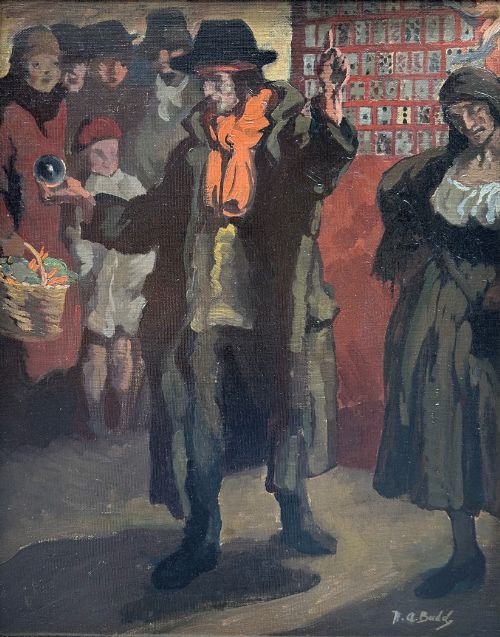
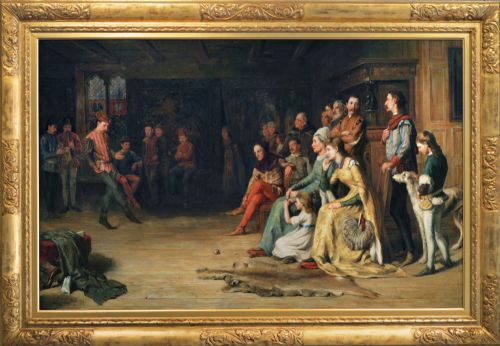
Narrative oil on canvas works tell stories through paint, capturing literary, historical, and domestic scenes on stretched fabric.
Narrative Oil on Canvas
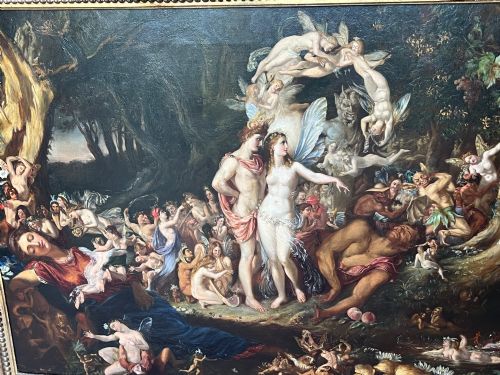
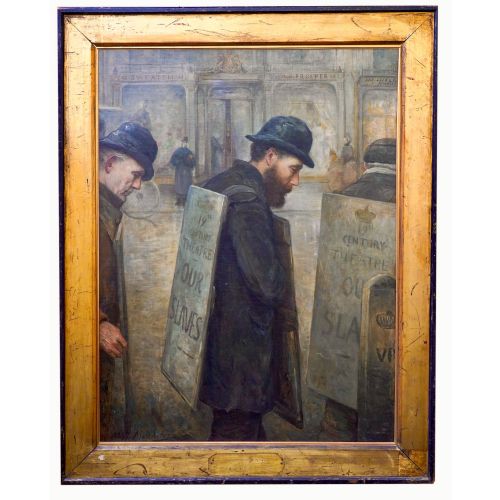
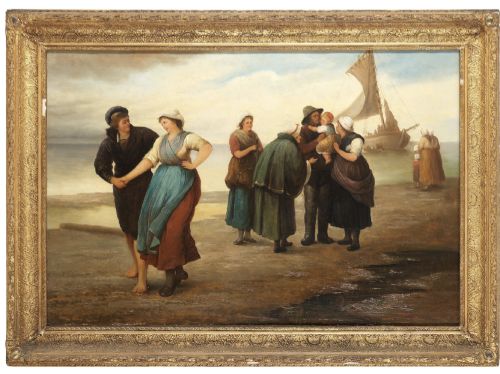
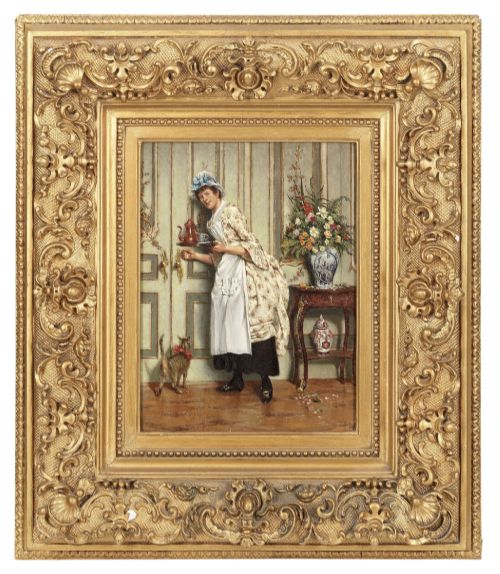
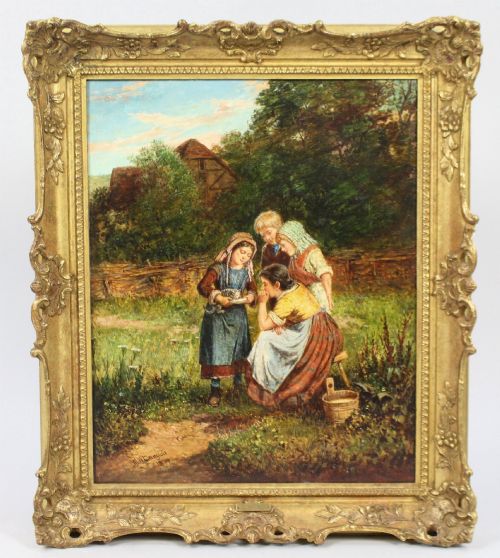
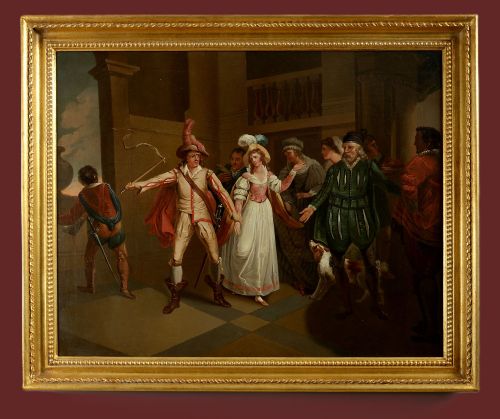
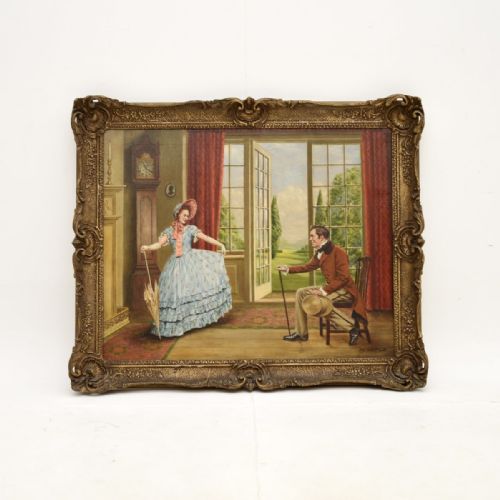
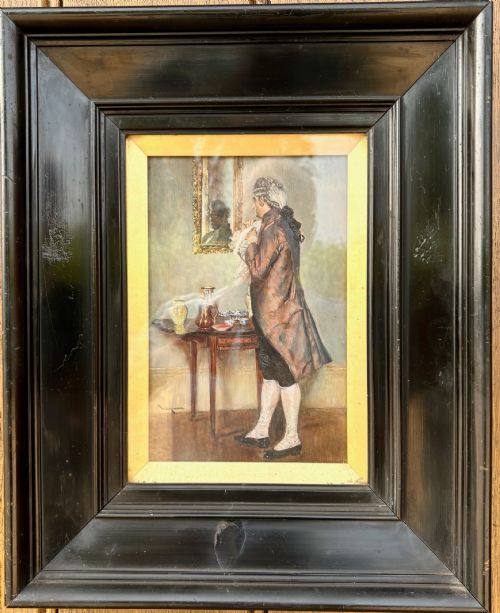
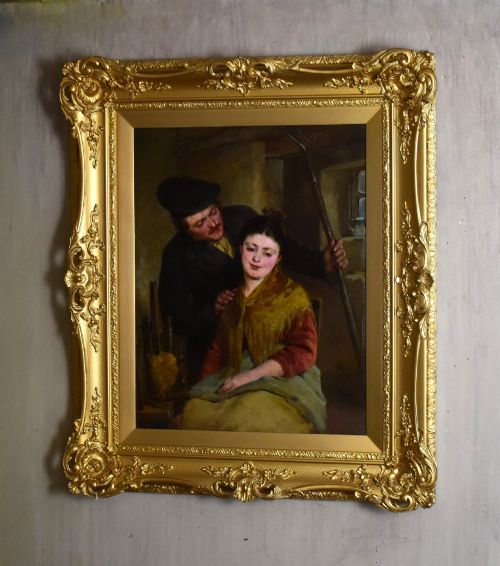
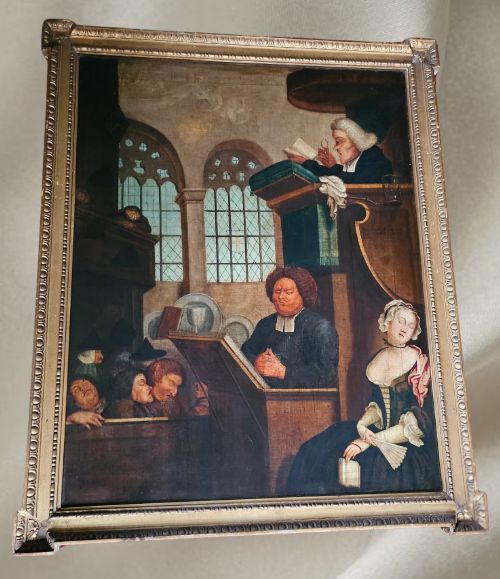
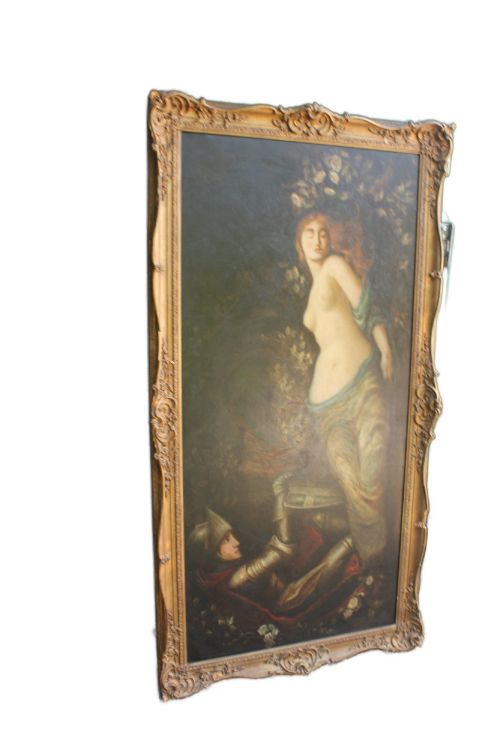
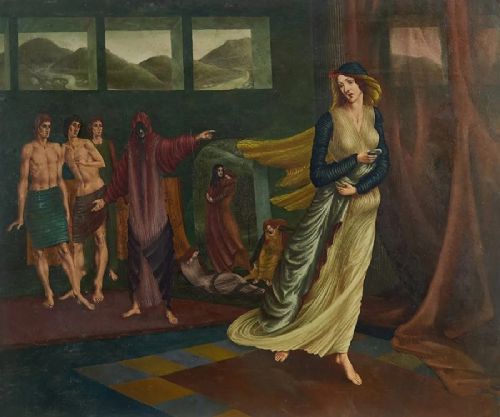
Narrative oil on canvas pieces depict specific stories, social histories, and domestic scenes, drawing subjects from literature, scripture, and everyday life. When exploring narrative oil on canvas, buyers frequently encounter Victorian genre paintings, historical works, and literary adaptations created across the nineteenth and twentieth centuries.
These framed wall art pieces range from intimate interior domestic interactions to monumental historical accounts. Artists utilise the medium to convey movement, character, and emotion, resulting in paintings that function as visual storytelling.
Materials and Techniques
These works are created using oil paint applied to woven canvas, often supported by wooden stretchers and housed within ornate giltwood and gesso frames incorporating gold leaf. The combination of slow-drying oil paints allows artists to build rich layers of colour, tone, and fine detail over time.
Makers prepare the canvas surface with primers before applying the pigment, capturing light and texture within the brushwork. Original framing often complements the period of the painting, providing structural stability and aesthetic framing.
Cats, kittens, geese, and smugglers frequently share the canvas with Victorian children and country house residents.
Assessing Quality and Execution
Quality in these works rests upon the precision of the draughtsmanship, the expressiveness of the figures, and the handling of light and narrative tension. Masterly brushwork brings the depicted characters and interior environments to life with convincing depth and atmosphere.
The preservation of the original canvas and paint surface contributes significantly to the integrity of the piece. Works that retain their original giltwood and gesso frames display a harmonious relationship between the artwork and its period setting.
Sir Joseph Noel Paton·Stephen Samuel Lewin·Mark William Langlois·Alfred Lyndon Grace·Howard Helmick·Herbert Ashwin Budd·Abraham Cooper·Charles Hunt·Harry Brooker·George Bernard O'Neill
The Narrative Oil on Canvas Glossary
- Genre painting
- Depiction of aspects of everyday life by depicting ordinary people engaged in common activities. These scenes offer a window into social history and domestic routines.
- Giltwood
- Wood that has been treated with gold leaf or a gold-coloured finish. This material is commonly found on traditional picture frames.
- Gesso
- A plaster-like material applied to wooden frame mouldings as a base for gilding. It allows craftsmen to carve intricate decorative details.
- Stretchers
- The wooden frames upon which canvas is tightly stretched before painting. Proper stretching maintains the tension and stability of the fabric support.
- Social realism
- An artistic movement that highlights the everyday conditions of the working class and poor. These works convey social commentary through narrative imagery.
Narrative Oil on Canvas: Frequently Asked Questions
What subjects do these paintings show?
These works illustrate stories drawn from literature, mythology, religious texts, and everyday Victorian social life. Artists translate dramatic moments and domestic interactions onto the canvas to engage the viewer's imagination.
Scenes range from intimate cottage interiors and tea time gatherings to historical battles and literary adaptations such as Shakespearean plays. Each piece functions as a visual narrative capturing human character and emotion.
How were these artworks framed originally?
Period paintings are typically housed in wooden frames decorated with gesso mouldings and finished with gold leaf. These frames were designed to complement the aesthetic of the artwork and provide structural support.
The weight and ornamentation of the giltwood frames reflect the prevailing interior design styles of the nineteenth and early twentieth centuries.
How do I care for an oil painting?
Display the canvas away from direct sunlight and dramatic fluctuations in temperature or humidity to protect the oil paint and wooden stretcher. Regular gentle dusting with a soft, dry brush keeps the surface clean without disturbing the pigment.
Avoid using liquid cleaners or moisture on the canvas or the giltwood frame. Professional conservation is recommended if the paint surface requires deeper cleaning or stabilisation.
How can I tell the period of a painting?
Dating relies on examining the style of the clothing, the subject matter, the execution technique, and the materials of both the canvas and the frame. Victorian genre scenes often depict distinct moral narratives and domestic interiors characteristic of the nineteenth century.
Signatures, artist dates, and framing construction methods also provide reliable clues for establishing when the work was created.