

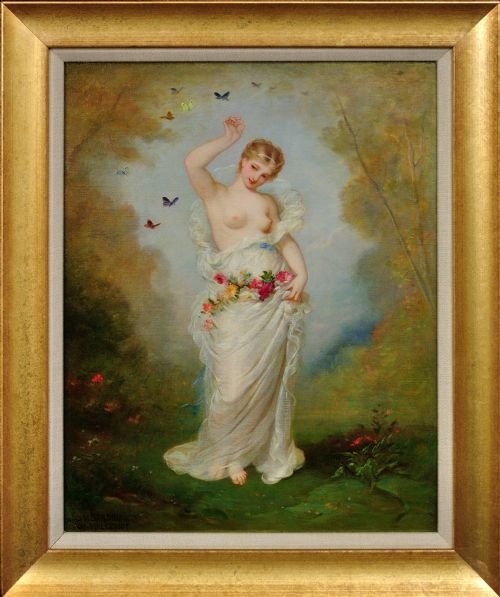
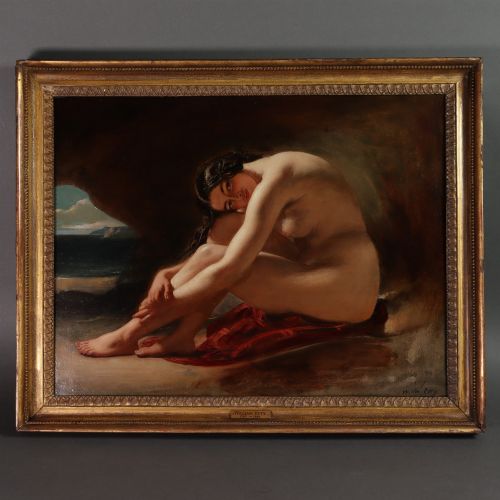
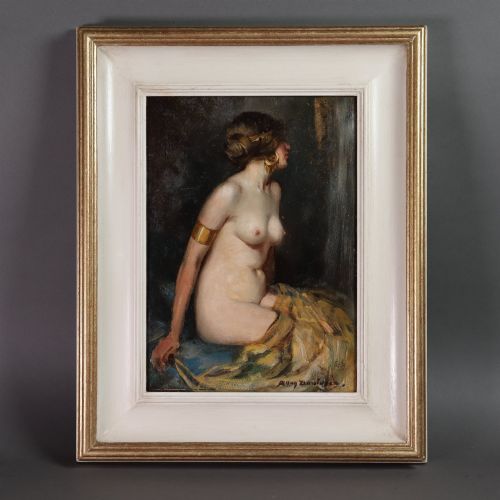


Classical Nude Portrait
A classical nude portrait captures the human form through academic discipline, mythic tradition and enduring figurative study.
Classical Nude Portrait
A classical nude portrait draws upon historical, mythological and academic traditions to render the human figure with idealized proportion and anatomical study. When you search for a classical nude portrait, you encounter works spanning from the eighteenth century through the art deco period, executed in mediums ranging from oil paint on canvas to terracotta and miniature painting.
The selections on this page demonstrate the enduring appeal of figurative art through various historical lenses, including French academic style, Victorian romanticism and neoclassical sculpture. These pieces capture subjects from classical mythology and literature, such as naiads, nereids and literary heroines, translated through the specific aesthetic concerns of their respective eras.
Distinctions in quality
Quality in these works rests upon the artist's command of human anatomy, proportion and expressive line work, which separates competent academic exercises from truly compelling figurative studies. The handling of light across the form and the convincing rendering of three-dimensional depth reveal the depth of the maker's training.
The integrity of the surrounding frame, the preservation of the painted surface or terracotta material, and the provenance attached to named artists or established circles elevate certain pieces above standard decorative examples. Superior works maintain their structural and visual stability over the centuries, preserving the intended mood of the subject.
Materials documented across the collection include canvas, giltwood, oil paint, wood, glass, and terracotta.
André Charles Voillemot·William Etty·Allan Douglas Davidson·James Clark·Arthur Hacker·Fernand Jean Barbier
The Classical Nude Portrait Glossary
- Neoclassical
- A style rooted in the art and culture of ancient Greece and Rome, emphasising restraint, proportion and heroic subject matter. This aesthetic heavily influences nineteenth-century academic painting and sculpture.
- Terracotta
- A porous reddish-brown fired clay utilised for sculptural busts and figures. Artists often leave the material unglazed to showcase the direct impressions of the modeller's hand.
- Naiad
- A type of female water spirit or nymph associated with fountains, wells, springs and brooks in classical mythology. These mythological figures provide frequent subject matter for academic figurative art.
- Academic
- Pertaining to the formal rules and standards of European art academies, particularly regarding figurative drawing and historical narrative. Works in this tradition prioritize rigorous anatomical study and traditional composition.
Classical Nude Portrait: Frequently Asked Questions
How do I date a classical nude portrait?
Dating relies heavily on stylistic markers, framing materials, and recorded signatures or biographical dates of the artists involved. Works often reflect the academic conventions prevalent in their specific decade of creation.
Examination of the canvas weave, panel preparation, and stretcher bars can also provide physical evidence to narrow down the period of manufacture.
Where should I hang these artworks?
These pieces suit traditional drawing rooms, studies, or dedicated galleries where adequate lighting can highlight the tonal qualities of the oil paint or the contours of sculptural terracotta. Placing them away from direct sunlight protects the pigments from fading over time.
Pairing framed oil paintings with period architectural details or classic interior decor enhances their visual impact within a modern home.
What subjects are common in these pieces?
Common subjects include figures drawn from classical mythology, such as nymphs, nereids, and literary characters like Ariadne and Andromeda. Artists utilised these traditional narratives to explore anatomical form and expressive gesture.
Allegorical figures and idealized bather scenes also feature prominently across the various historical periods represented in the collection.
How do paintings differ from sculptural pieces here?
Paintings utilise oil on canvas, panel or board to create two-dimensional illusions of light, shadow and volume through colour and brushwork. Sculptural works like terracotta busts offer a three-dimensional physical presence.
Both forms share a common dedication to classical figurative study despite employing entirely different material processes.