





Framed Oak Lithograph
A framed oak lithograph brings character to a room through sturdy timber framing and mid-nineteenth to mid-twentieth century printmaking.
Framed Oak Lithograph
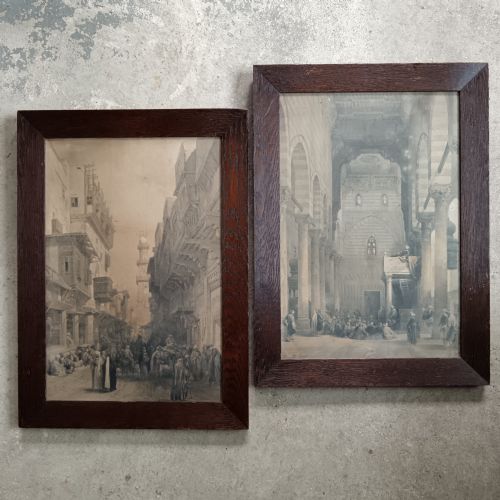
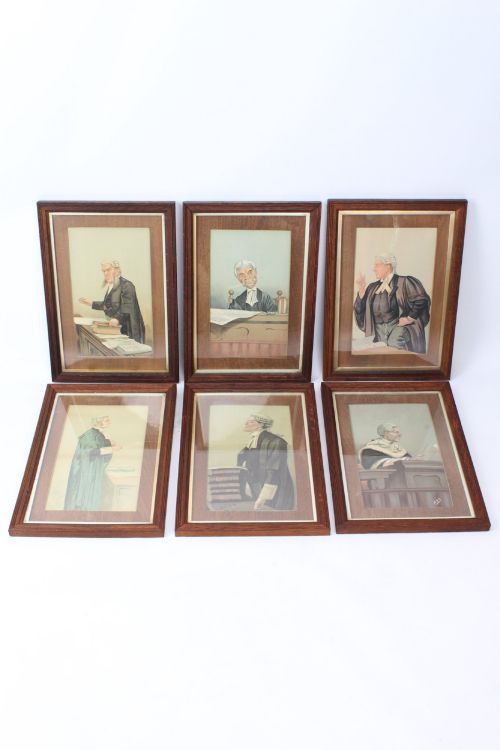
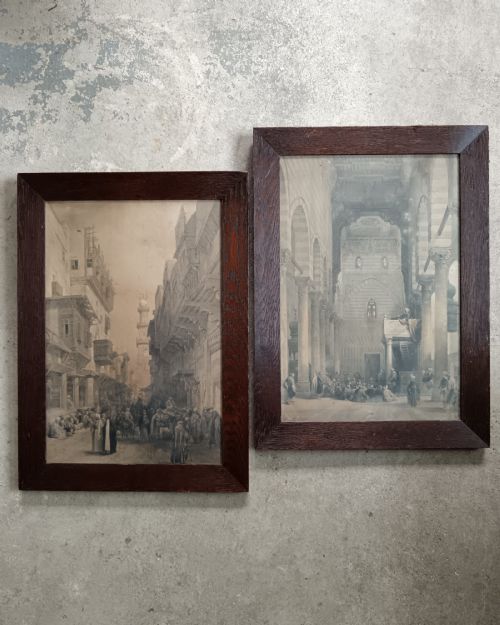
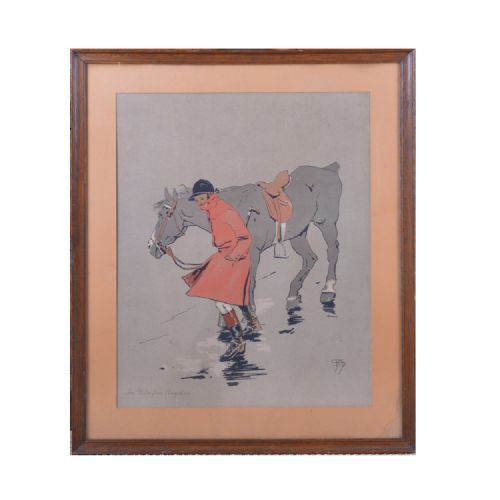
A framed oak lithograph brings together robust wooden borders and nineteenth or twentieth century printed paper artwork. When searching for a framed oak lithograph, buyers encounter various subjects ranging from British sporting art to Victorian Orientalist scenes.
The pieces listed on this page encompass framed art prints, wall art, and specific portrayals such as cattle prints and botanical engravings. These works typically date across the Victorian and Edwardian eras, extending into the mid-twentieth century.
Originating from periods like 1850, 1860, 1900, 1910, and 1940, these items present historical imagery enclosed within protective glass and wooden frames.
Materials and construction methods
Production relies primarily on paper sheets, cardboard backing, and glass fronting secured inside solid wood oak frames. Artisans utilised lithographic techniques and chromolithography to transfer detailed ink illustrations onto paper.
Framing workshops enclosed these paper artworks alongside glass to protect the delicate surfaces from environmental damage over decades. The combination of heavy oak moulding and paper media defines the physical structure of these works.
Framed Oak Lithograph Retail Price Guide 2026
Typical asking prices for framed oak lithograph among the pieces listed under this phrase on Sellingantiques today, from the lower quarter to the upper quarter. They describe what is for sale here now, not the wider market.
The listings on this site combine wood, glass, paper, and cardboard across Victorian, Edwardian, and mid-twentieth century periods.
Assessing the quality of pieces
Quality separates through the clarity of the lithographic ink impression and the preservation state of the paper. Stronger examples display crisp linework and vibrant chromolithographic colour without heavy fading.
The integrity of the original oak frame and the retention of maker or framer details contribute to the standing of an individual piece. Original framing components add historical context that elevates the overall presentation.
Louis Haghe·H. Alden and Co·Snaffles·Frank Algernon Stewart·H. Strafford
The Framed Oak Lithograph Glossary
- Lithograph
- A print made from a planographic process in which an image is drawn onto stone or metal and transferred to paper. This method allows for fine tonal gradations and detailed illustration.
- Chromolithograph
- A colour lithograph produced through the use of multiple stones, each applying a different ink hue. This technique creates rich polychromatic prints popular in the nineteenth and twentieth centuries.
- Victorian
- Relating to the reign of Queen Victoria, spanning from eighteen thirty-seven to nineteen hundred. This period encompasses significant output in illustrated prints and decorative framing.
- Edwardian
- Pertaining to the period of King Edward the Seventh's reign from nineteen hundred to nineteen ten. Items from this era reflect distinct aesthetic shifts in portraiture and sporting art.
Framed Oak Lithograph: Frequently Asked Questions
How do I care for framed oak lithographs?
Keep paper artworks away from direct sunlight to prevent the lithographic inks from fading over time. Maintain stable indoor humidity levels to protect both the wooden frames and the paper supports.
Dust the oak moulding gently with a dry cloth and avoid using liquid cleaners directly on the glass or the timber surface.
What periods do these framed works cover?
The selections span from the mid-nineteenth century through the Victorian and Edwardian eras into the mid-twentieth century. Dates range across specific decades including eighteen fifty, eighteen sixty, nineteen hundred, and nineteen forty.
Earlier examples often feature strict Victorian Orientalist or British sporting themes, while later pieces move into twentieth-century sporting prints.
How are the prints secured inside their frames?
Paper works are placed behind protective glass panes and backed with cardboard or timber boards inside the outer oak moulding. Original framing often utilises historical fixings and paper tape seals.
Original frames, such as those by period makers, preserve the historic assembly of the artwork.
What subjects appear on these pieces?
Subjects include British sporting art, Victorian Orientalist scenes, botanical engravings, and cattle studies. Many depict historical figures, animals, and architectural views.
Set formats and paired works also feature prominently across the available selections.