

Antique Oil Portraiture
Antique oil portraiture preserves the likenesses of past centuries through layered pigments on canvas and wood.
Antique Oil Portraiture
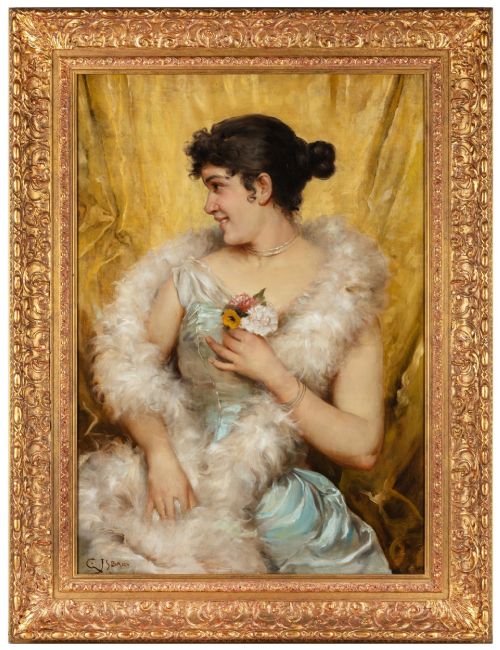
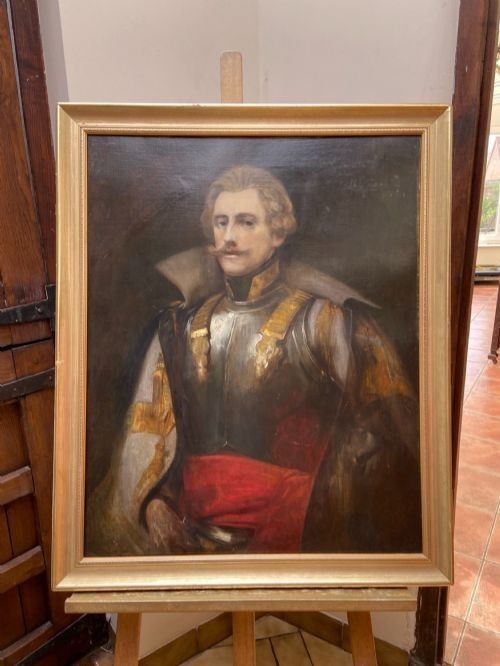
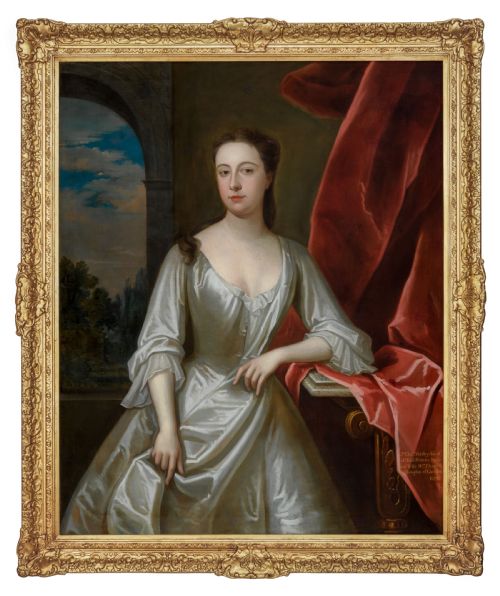
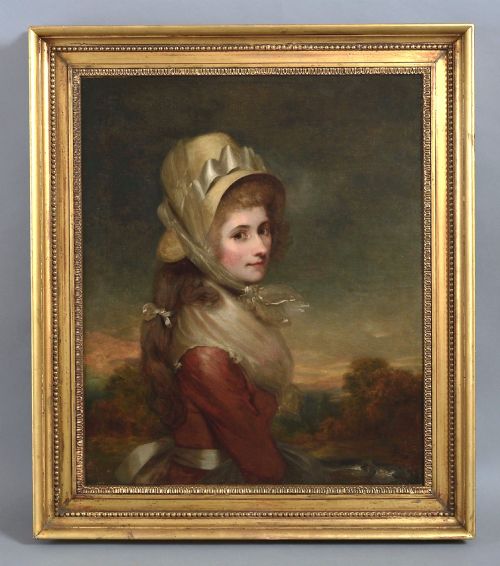
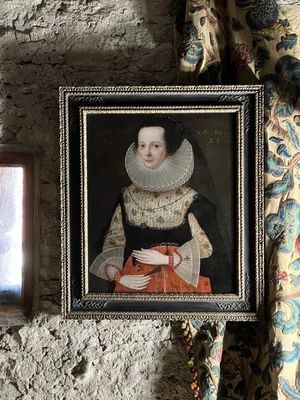
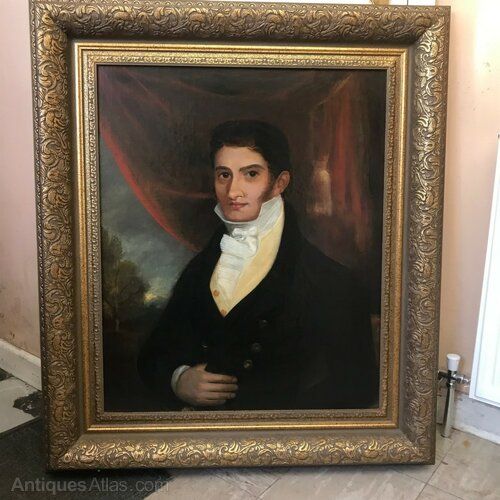
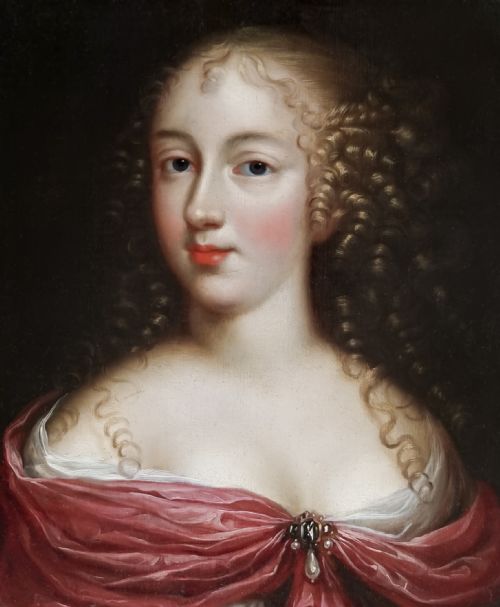
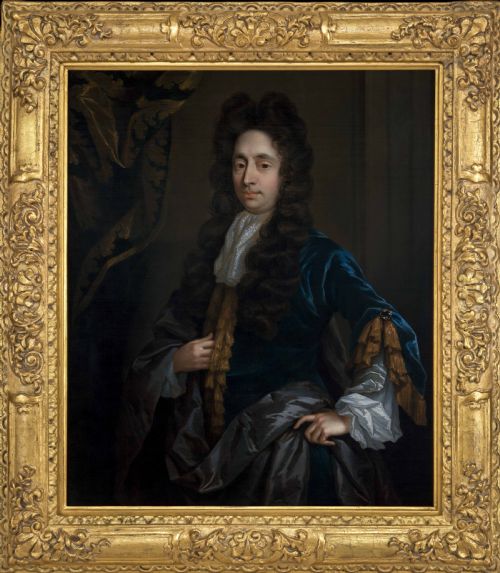
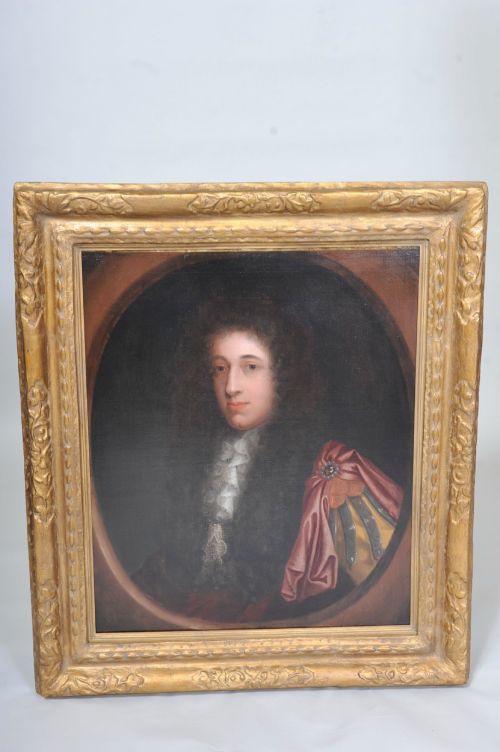
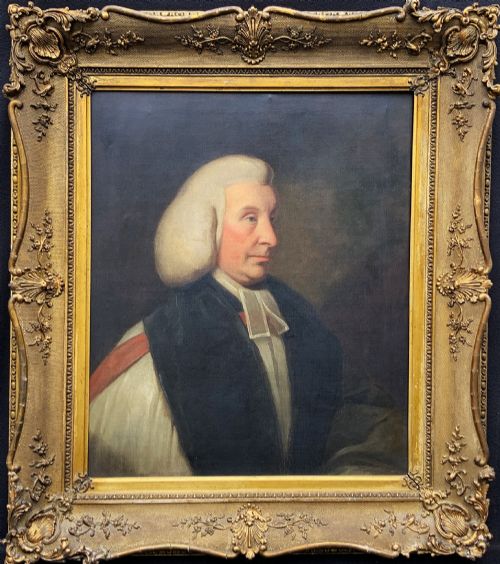
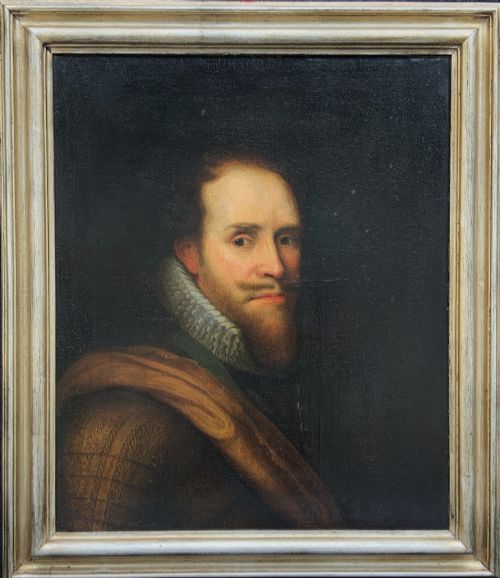
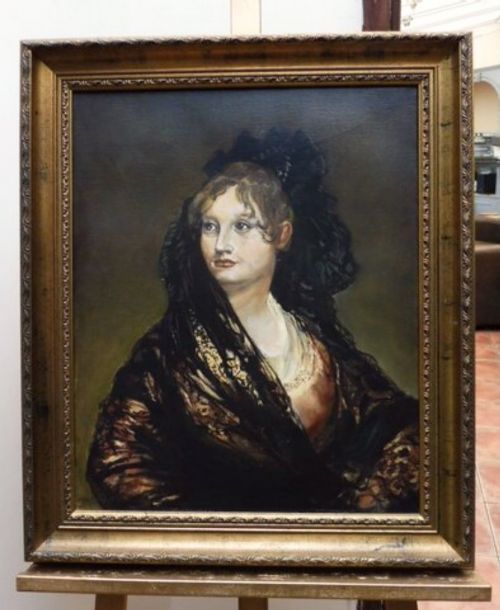
Collectors seeking antique oil portraiture encounter framed likenesses originating mainly from the seventeenth, eighteenth, and nineteenth centuries. These works record noblewomen, gentlemen, officers, and children rendered by British, Dutch, and French schools.
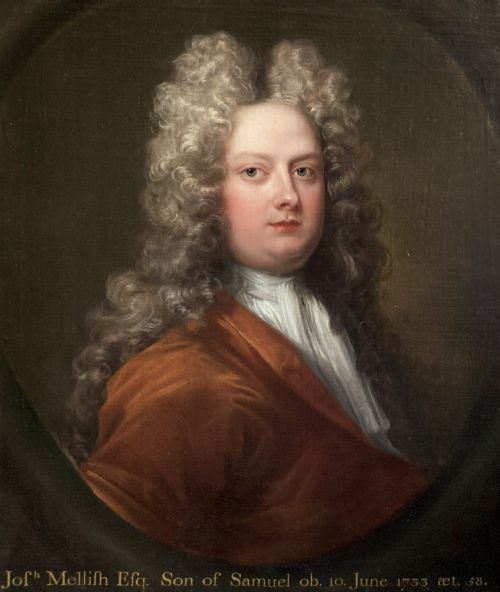
The selections span from intimate panel paintings to large canvases framed in giltwood. Many bear inscriptions identifying sitters such as lords, ladies, and clergymen from specific historical eras.
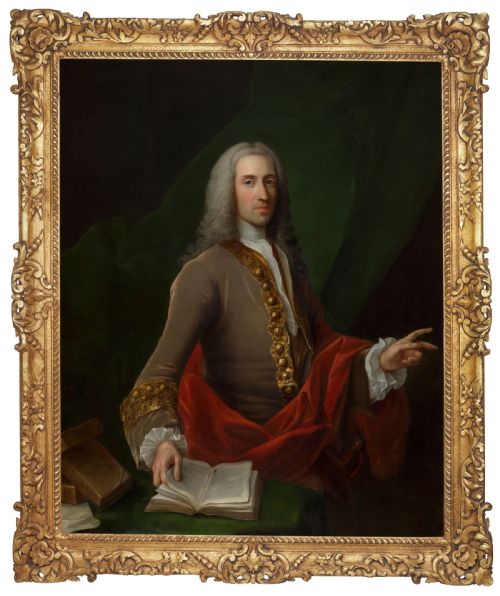
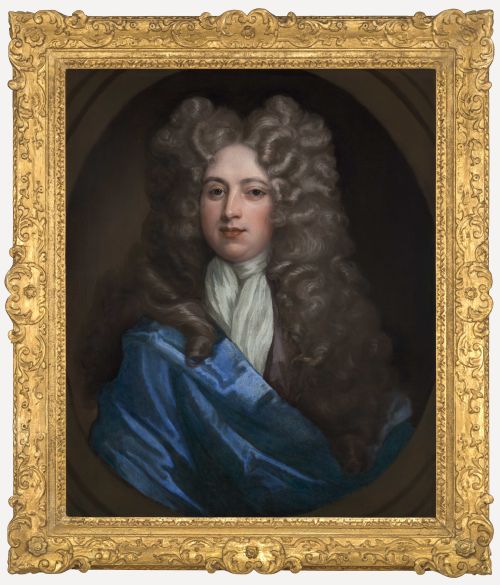
Subjects appear in elaborate court costume, periwigs, and uniforms, reflecting the social standing expected of portrait commissions. Works range from studio pieces to detailed studies by named artists.
Methods and materials of execution
Artists built these works utilising oil paint applied to stretched canvas or wooden panels. Prepared grounds provided a stable base for the accumulation of translucent glazes and opaque pigments.
Framing typically involved carved wood and gold leaf, often contemporaneous with the painting. Giltwood surrounds enhanced the visual depth and status of the framed subject.
Listings feature works spanning the seventeenth century through to the 1960s, executed in oil on canvas, panel, and board.
Distinctions in execution and provenance
Mastery in facial rendering and fabric draping separates workshop output from the hand of a principal artist. Finer examples capture psychological depth and anatomical precision rather than rigid symmetry.
Attribution to documented painters or identifiable sitters elevates historical significance. The survival of original stretched canvas and undisturbed varnish layers preserves the integrity of the composition.
Sir Godfrey Kneller·Charles Jervas·Joseph Clover·Sir Martin Archer Shee·John Hayls·Jeremiah Davison·Pierre Mignard·Constantyn Netscher·Thomas Murray·Sir Peter Lely·John Scougall·Thomas Beach·Pietro Fachetti·G J S Bary·Sir Allan Ramsay·Sir William Beechey·John Michael Wright·William Blake Richmond
The Antique Oil Portraiture Glossary
- Oil on Canvas
- Pigments mixed with drying oils applied to a woven fabric support. This combination allowed artists to blend tones smoothly and achieve rich textures.
- Panel Painting
- Artwork executed on a flat piece of wood rather than fabric. These rigid supports were common in earlier centuries before large canvas stretching became standard.
- Circle of
- A designation indicating the work was produced by an artist closely associated with a master, sharing a similar style and period.
- Periwig
- A voluminous artificial hairstyle worn by men of high status during the seventeenth and early eighteenth centuries, frequently depicted in portraiture.
Antique Oil Portraiture: Frequently Asked Questions
How do I date an antique oil portrait?
Dating relies primarily on the sitter's costume, hair styling, and framing materials. Portrait conventions changed rapidly across the seventeenth, eighteenth, and nineteenth centuries.
Inscriptions on the canvas or stretcher often record the sitter's identity and the year of execution. Stylistic comparisons with dated works by the same school provide further confirmation.
What is the difference between an attributed work and a studio piece?
An attributed work displays sufficient stylistic evidence to suggest it came from a specific master's hand. Experts use brushwork comparisons and provenance to support these connections.
A studio piece was produced under the supervision of a prominent artist, often by assistants using the master's preparatory sketches and compositional layouts.
How should I care for an antique oil painting?
Display these works away from direct sunlight and fluctuating humidity to prevent canvas tension issues and pigment degradation. Stable indoor environments protect both the wooden stretcher and the fragile paint layers.
Avoid using liquid cleaners on the surface. Professional conservators should handle any varnish removal or structural repairs.
Why do some portraits feature panels instead of canvas?
Wooden panels provided a rigid, smooth surface favored by painters before stretched canvas became widely adopted. Oak and other hardwoods were common supports, particularly in the seventeenth century.
Panel paintings require careful humidity control to prevent the wood from warping or splitting along the grain over centuries.