

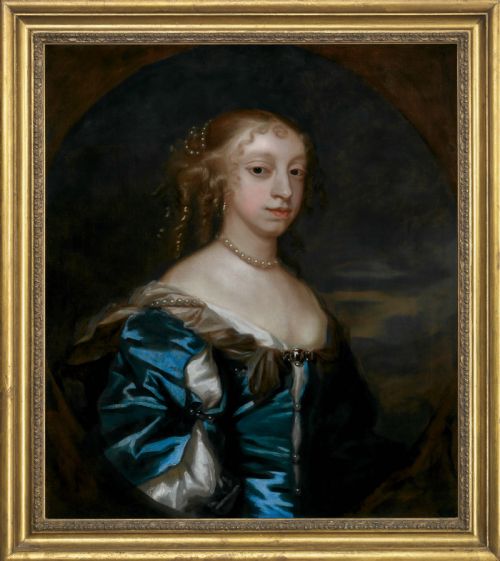
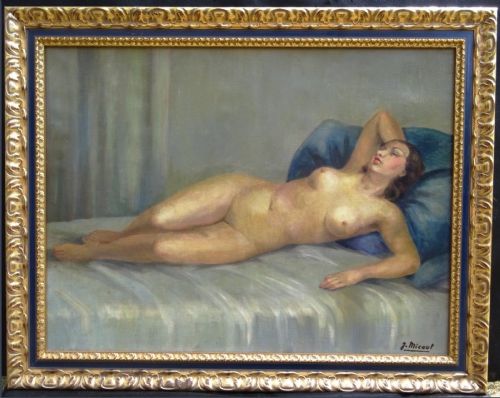
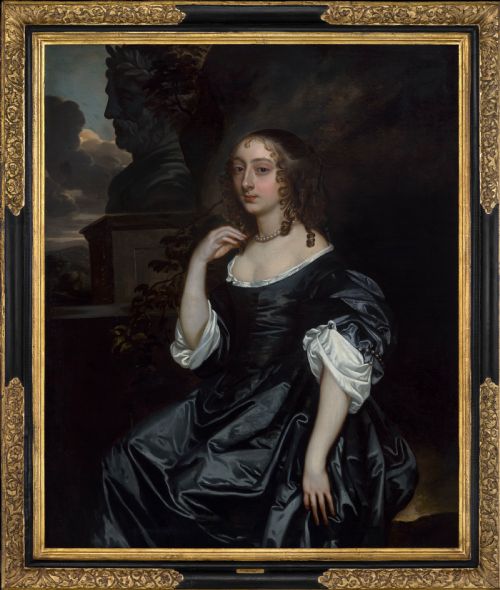
Oil Canvas Portrait Lady
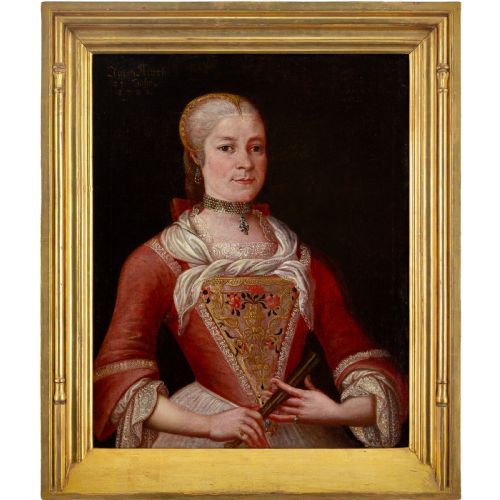
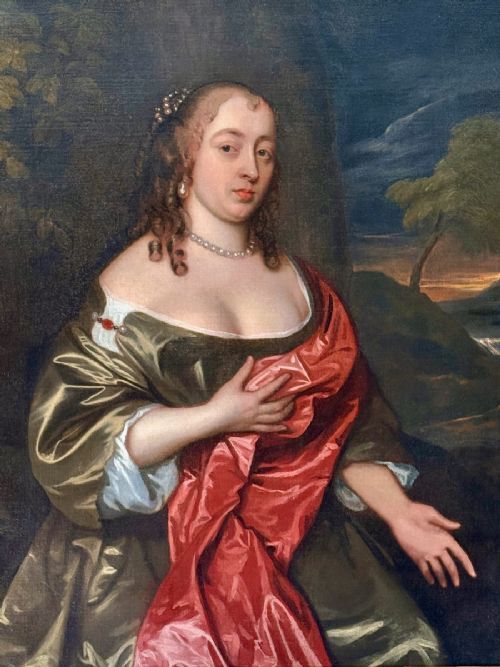
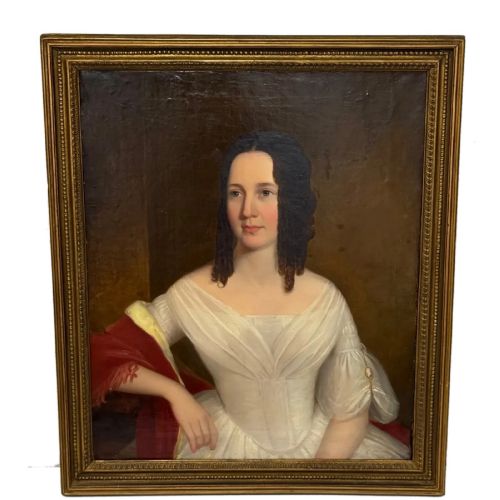
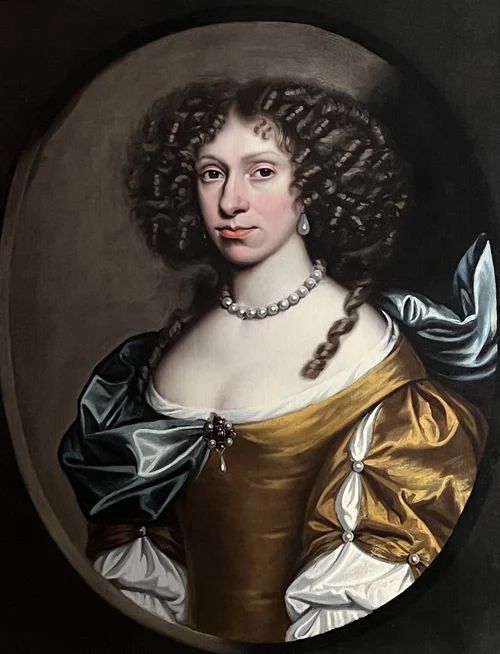
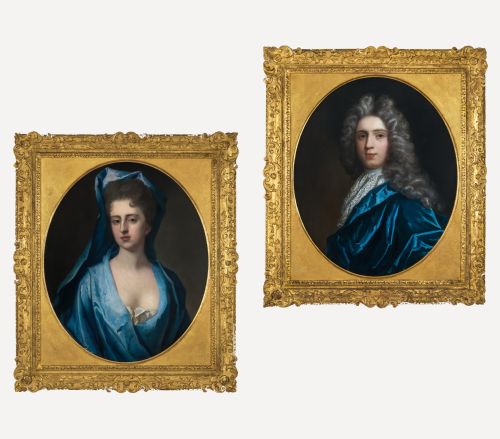
An oil canvas portrait lady brings centuries of historical presence and fine portraiture directly into a room.
Oil Canvas Portrait Lady
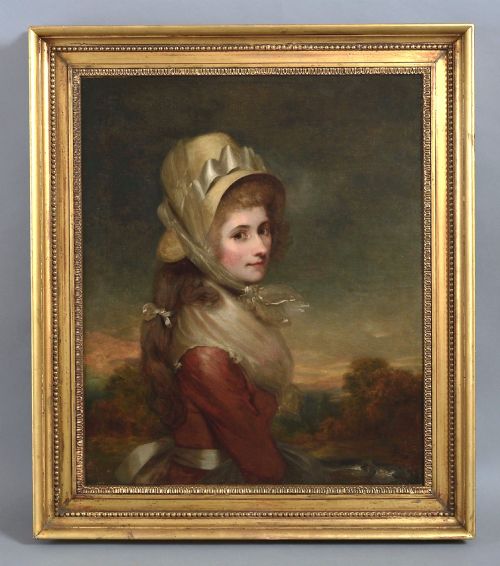
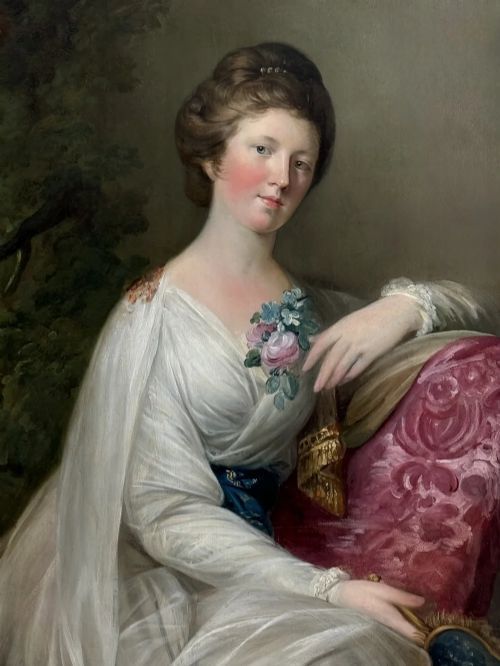
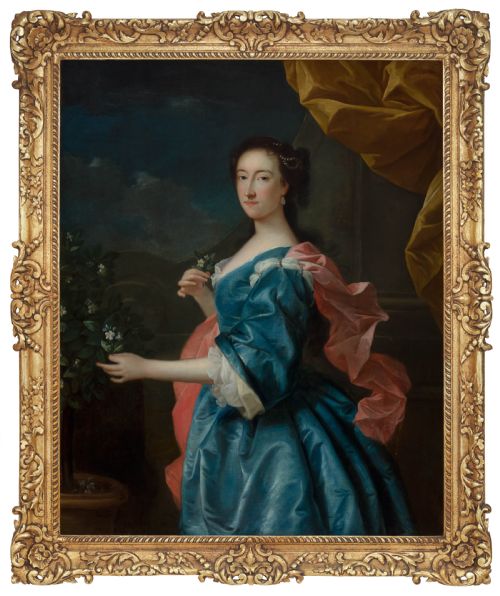
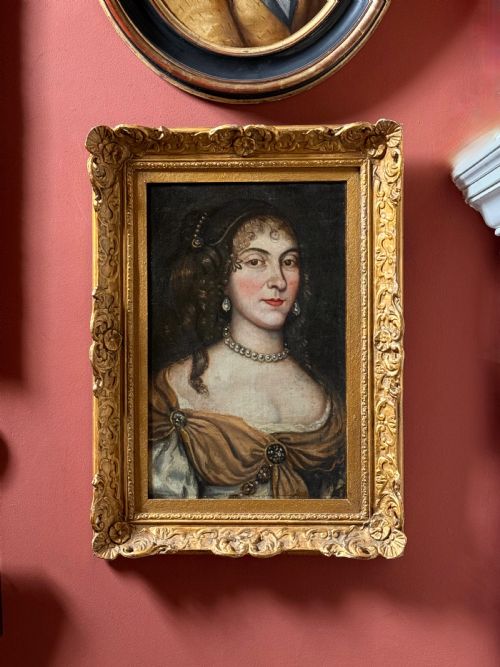
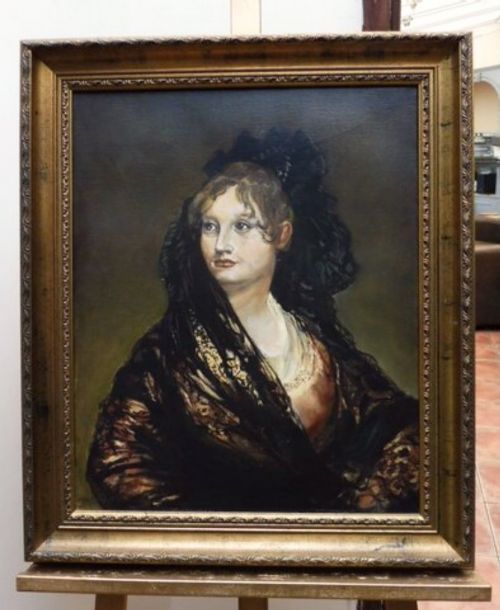
When searching for an oil canvas portrait lady, a buyer encounters centuries of figurative painting ranging from the seventeenth century through the Victorian era and into the mid-twentieth century. These works depict noblewomen, countesses, society figures, and literary subjects rendered in oils by British, Dutch, and French artists and schools.
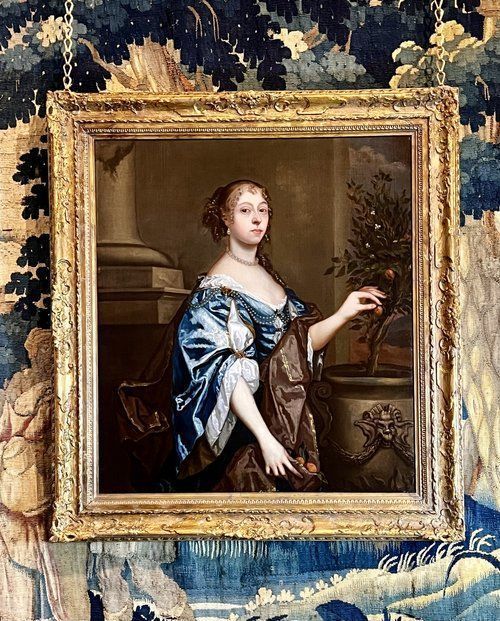
The versions most frequently met on this page include seventeenth-century aristocratic studies in silk and satin, eighteenth-century depictions in landscape settings, and nineteenth-century Victorian works. Many of these paintings preserve original giltwood frames and detailed historical provenance connecting the sitters to notable estates and families.
How They Were Made
These works are executed using oil paint applied to stretched canvas, often supported by wooden stretcher frames and housed within carved and gilded wooden surrounds known as giltwood frames.
Techniques range from the layered glazes of the Dutch Golden Age and British Baroque schools to the looser brushwork of later Victorian and twentieth-century academic painters.
Several ladies are accompanied in their portraits by faithful pet dogs, woodland streams, and baskets of freshly picked oranges.
What Varies in Quality
The standard of execution in facial rendering, hand articulation, and the depiction of complex fabric textures such as silk, velvet, and lace distinguishes masterworks from standard studio output.
The survival of the original or period-appropriate carved gold leaf frame and the strength of the historical attribution or documented provenance elevate individual works within the broader field of portraiture.
Sir Peter Lely·Sir Godfrey Kneller·Allan Ramsay·Michael Dahl
The Oil Canvas Portrait Lady Glossary
- Provenance
- The documented history of ownership of an artwork, tracing its passage from the original sitter or commission down to the present day. Strong provenance often includes exhibition records and historical archives.
- Giltwood
- Wood that has been coated with a thin layer of gold leaf or gold paint, commonly used for ornate antique picture frames. These frames frequently display intricate hand-carved decorative motifs.
- Ruff
- A prominent, pleated frill collar worn during the late sixteenth and seventeenth centuries. This stiffened fabric accessory appears frequently in early portraits.
- Drapery
- Fabric arranged in loose folds around a sitter's body within a portrait composition. Artists utilised painted drapery to add theatrical movement and rich colour contrast.
Oil Canvas Portrait Lady: Frequently Asked Questions
How do I date an oil portrait?
Dating relies heavily on the style of the sitter's clothing, hair, and accessories, such as ruffs, ribbons, or specific dress cuts. Examining the construction of the canvas and the style of the underlying stretcher frame provides further chronological clues.
Historical inscriptions on the canvas or stretcher often record the sitter's identity and the year the work was executed. Comparing the brushwork and palette to known examples by specific artists or schools narrows the date range further.
Where should I hang a large portrait?
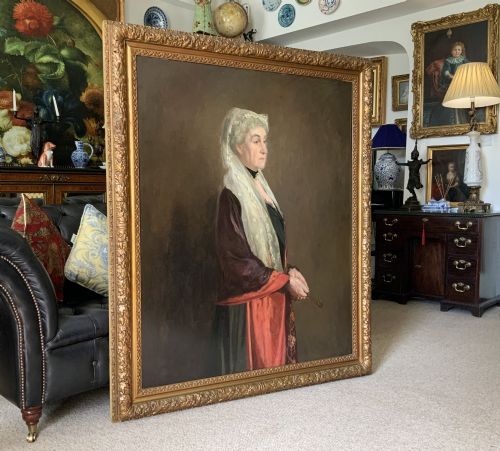
Large historical portraits require a wall capable of supporting substantial weight, ideally in a principal reception room, hallway, or dining space with stable environmental conditions. These works command attention and suit prominent placement above a fireplace or along a wide staircase wall.
Direct sunlight and excessive moisture should be avoided to protect the oil paint and canvas from degradation. Adequate space allows the scale and original giltwood frame to be appreciated properly from a distance.
What is an attributed painting?
An attribution indicates that an artwork is judged by experts to be the work of a particular artist or their immediate studio based on stylistic similarities. This designation is used when a signature or document is absent but the hand is recognizable.
Works attributed to a master's circle or follower reflect the techniques and aesthetic of that specific workshop. These pieces offer collectors access to period styles associated with prominent historical painters.
How do I care for antique canvas?
Preserving an oil painting involves maintaining stable room temperatures and avoiding high humidity or sudden temperature fluctuations. Dust should be removed gently from the canvas surface and frame using a soft, dry brush without applying pressure.
Professional conservators should handle any cleaning, varnish removal, or structural repairs to the canvas and backing. Regular inspection helps detect any early signs of paint cracking or slackening in the stretcher.