



Victorian Wall Art Original
Victorian wall art original selections capture the diverse visual culture of the nineteenth century through period paintings, watercolours, and works on paper.
Victorian Wall Art Original
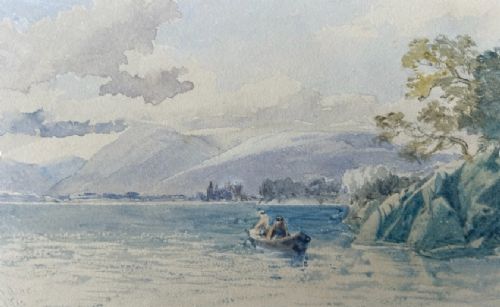
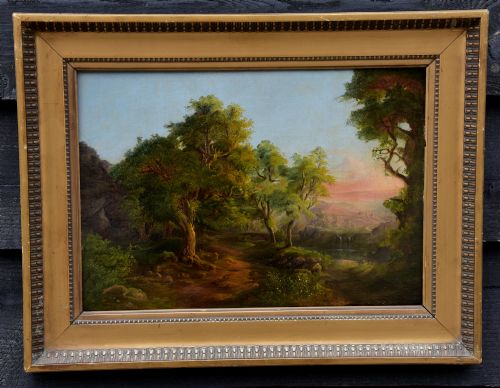
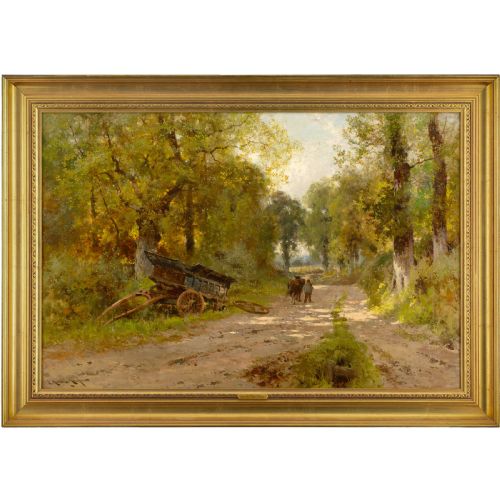
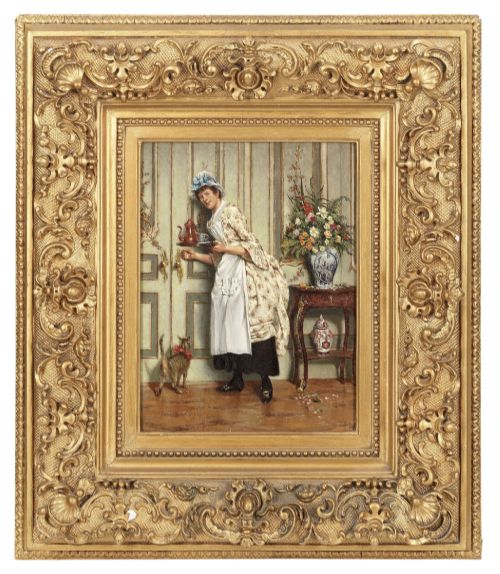
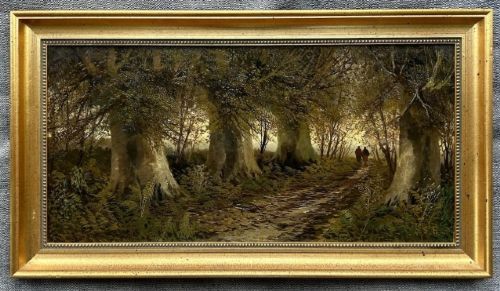
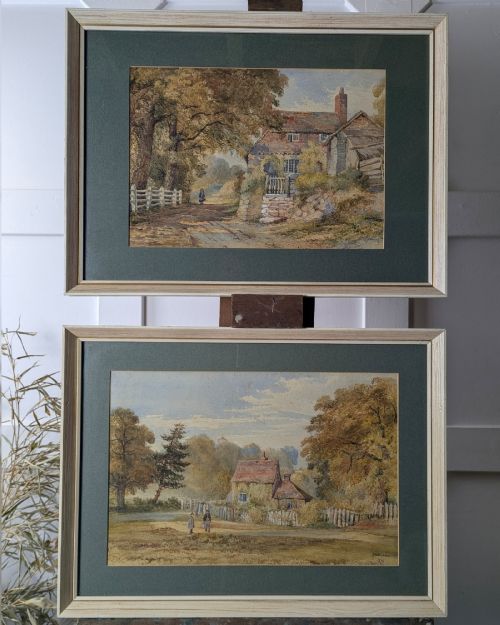
When buyers search for victorian wall art original works, they encounter a broad selection of nineteenth-century paintings, watercolours, etchings, and drawings spanning various domestic and landscape subjects. The materials predominantly feature oil on canvas or board, watercolour on paper, and glass-fronted frames enclosing botanical studies, portraits, and rural scenes.
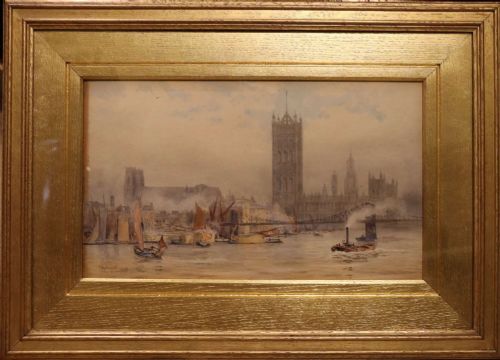
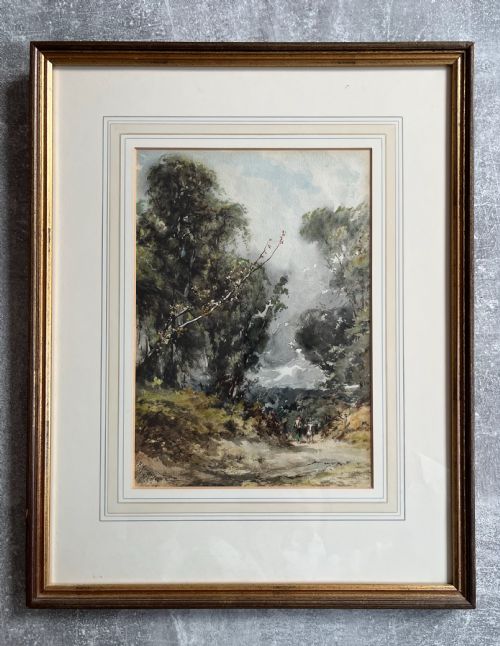
The objects most frequently met on this page date from the nineteenth century, including specific decades such as the eighteen-eighties and eighteen-nineties alongside broader Victorian, Regency, and Edwardian periods. Common formats range from framed oil landscapes and architectural watercolours to charcoal portraits and floral still life compositions.
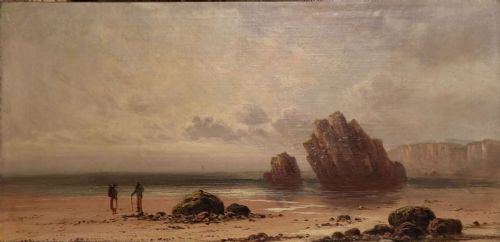
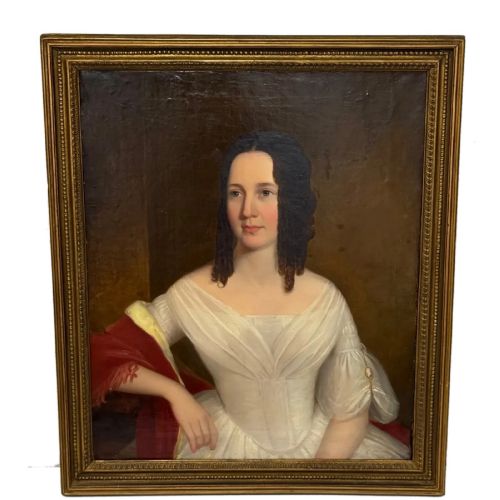
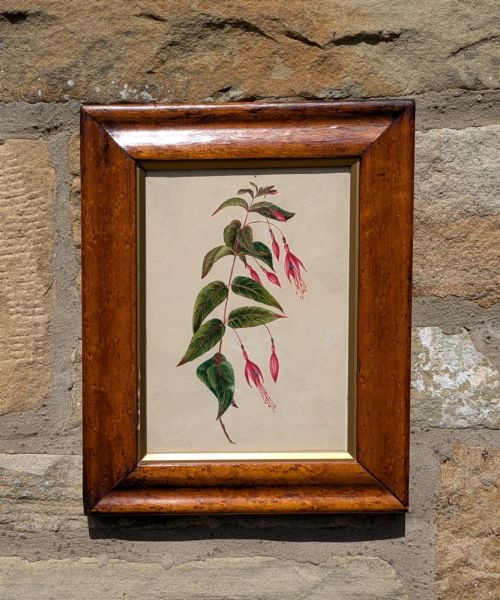
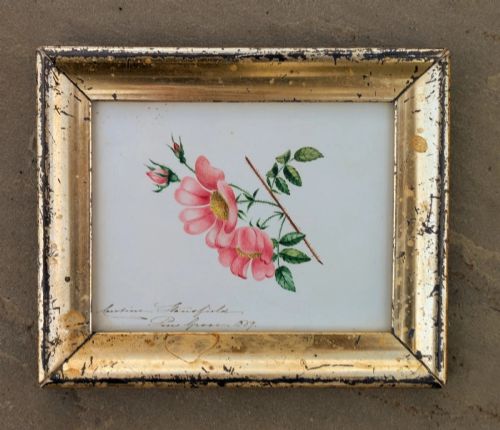
Subject matter reflects nineteenth-century artistic interests, encompassing British and European landscapes, marine views of harbours and beaches, domestic interiors, animal studies, and botanical illustrations. Many pieces bear artist signatures, monograms, or period framing such as rosewood or giltwood surrounds.
Materials and construction
Makers utilised traditional supports including canvas stretched over wooden frames, wooden boards, and heavy rag paper for watercolours and drawings. Pigments were hand-applied using oil or watercolour techniques, often finished with protective glazes or housed beneath glass.
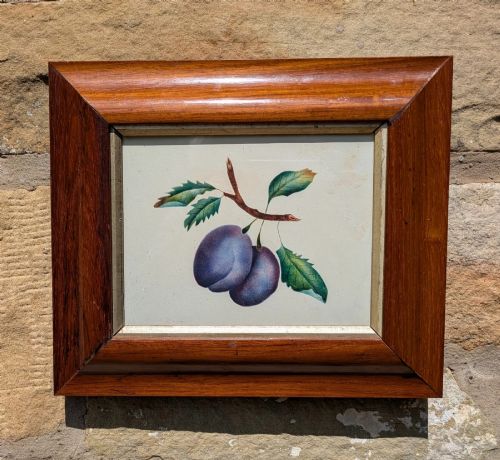
Frames play a structural and aesthetic role, frequently constructed from wood such as rosewood or finished in giltwood, sometimes retaining original Hogarth mouldings or period surrounds that complement the artwork.
A charming nineteenth-century watercolour records a remarkably plump rosella parrot with great artistic conviction.
Distinctions in quality
Quality in these works rests upon the precision of brushwork, the handling of light and perspective, and the preservation of the original medium without extensive overpainting or paper degradation. Superior examples demonstrate confident draughtsmanship and careful anatomical or architectural detail.
The integrity of the original frame, the clarity of artist signatures or documentation, and the vibrancy of surviving pigments further separate standard decorative items from works of higher artistic execution.
George Fotherly Hargitt·Thomas Miles Richardson Jnr·James Orrock·Alfred Young Nutt·John Horace Hooper·William Banks Fortescue·Stephen Samuel Lewin·Thomas W Lascelles·Robert A Nottingham·David Bates·Alfred Lyndon Grace·Robert W Macbeth·Albert Clark·Francis Moltino·Margaret Sarah Carpenter·Konstantin Stoitzner·Louis Charles Verwee·Henry Windsor Fry·Frederick James Kerr·Albert Rieger·Herbert Dicksee·Edgar Hunt·Arthur Dudley
The Victorian Wall Art Original Glossary
- Giltwood
- Wood carved and coated with a thin layer of gold leaf or metallic gilt. This finish is commonly found on traditional nineteenth-century picture frames.
- Watercolour
- A painting method where fine pigment is suspended in a water-soluble binder on paper. It often yields translucent washes and delicate botanical or landscape details.
- Etching
- A printmaking technique where an artist uses acid to cut into the unprotected parts of a metal plate to hold the ink. The resulting design is then transferred under pressure to paper.
- Regency
- A stylistic period spanning the early nineteenth century preceding the Victorian era, characterised by specific neoclassical and romantic design motifs.
Victorian Wall Art Original: Frequently Asked Questions
How do I identify a genuine nineteenth-century painting?
Authenticate pieces by examining the backing materials, canvas texture, pigments, and framing construction typical of the period. Signatures, dates, and inscriptions often provide direct confirmation of the artist and creation era.
Look for signs of natural age-related wear, such as stable craquelure in oil paints or toning on antique paper, which distinguish authentic nineteenth-century works from modern reproductions.
What subjects were popular in nineteenth-century art?
Artists frequently depicted pastoral landscapes, coastal scenes, botanical studies, animal portraits, and human figures in domestic or narrative settings. These themes reflected contemporary romantic and realist artistic movements.
Regional views of Britain and continental Europe also appeared regularly, capturing architecture, riversides, and rural life for Victorian collectors.
How should I care for antique watercolours?
Protect watercolours from direct sunlight to prevent the fading of delicate pigments on paper. Framing should ideally utilise acid-free mounts and conservation glass to block ultraviolet rays.
Maintain stable indoor humidity levels to avoid paper warping, mould growth, or deterioration of the underlying support material.
Are original frames important for these artworks?
Period frames, particularly those in original giltwood or rosewood, contribute historical context and aesthetic harmony to nineteenth-century art. They were often selected specifically by the maker or contemporary owner.
While artworks can be reframed for conservation reasons, retaining the original surround helps preserve the complete historical object.