




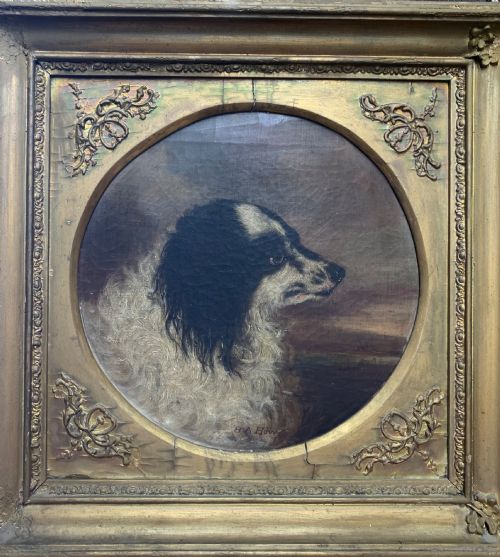


Edwardian Framed Canvas
Edwardian framed canvas works bring original oil paintings into domestic spaces within structured wood and gesso settings.
Edwardian Framed Canvas
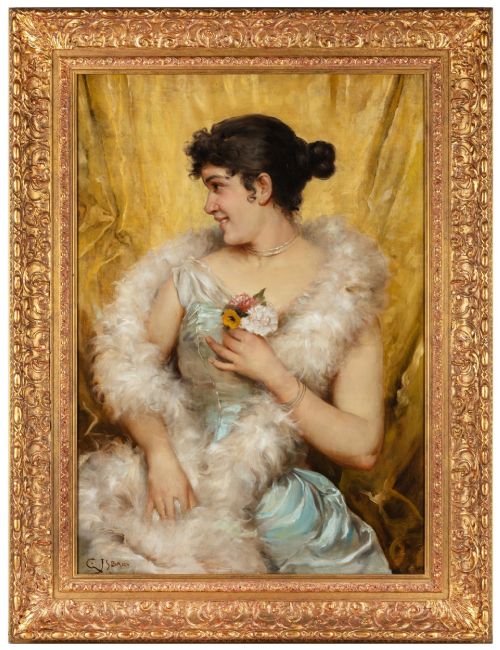
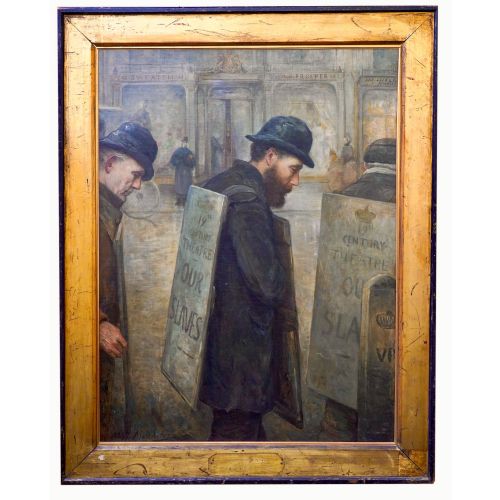
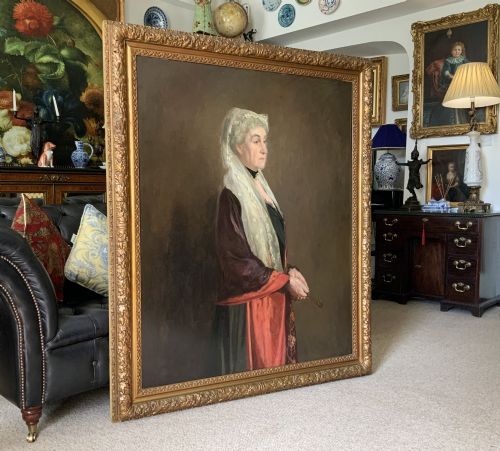
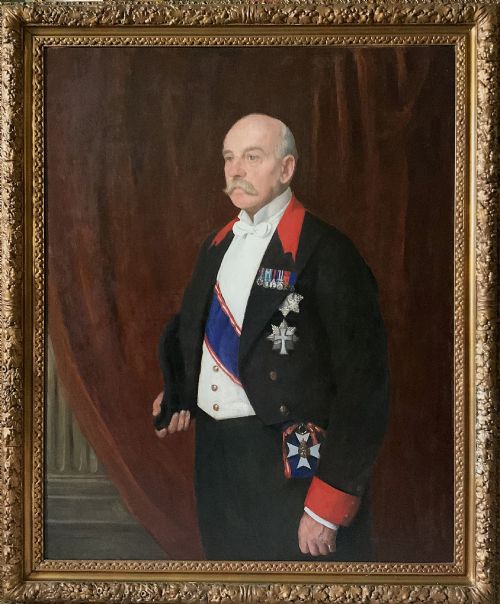
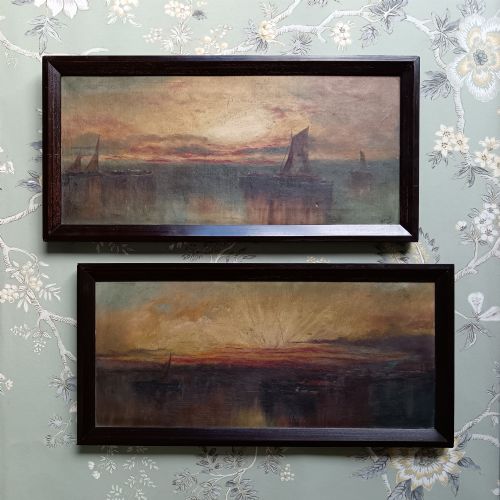
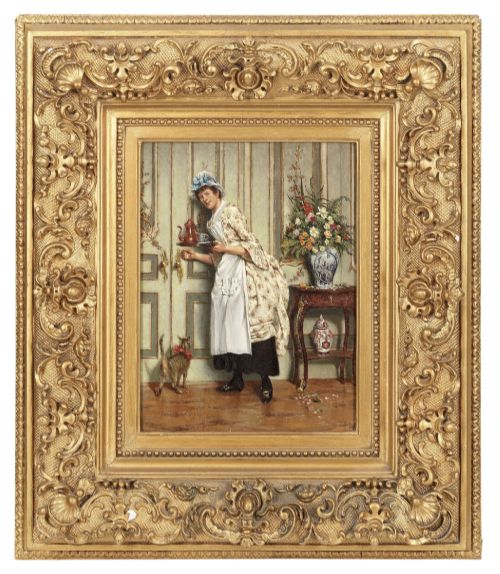
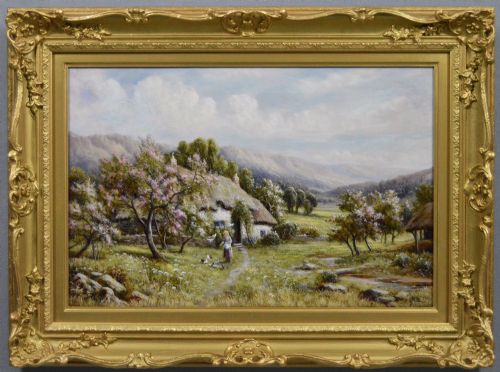
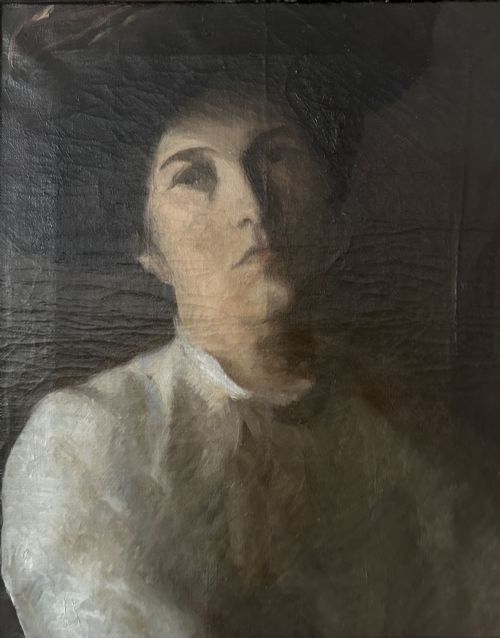
An edwardian framed canvas consists of an oil painting stretched over a canvas support and housed within a decorative wooden frame. These pieces span portraits, landscapes, marine scenes, and sporting subjects produced during the early twentieth century alongside adjacent Victorian and later periods.
The selections encountered here range from intimate interior scenes and floral still lifes to monumental military and social history portraits. Many pieces bear artist signatures or attributions to the British School, reflecting the diverse output of painters working around nineteen hundred.
Buyers seeking an edwardian framed canvas will find works executed in oil paint, often retaining their original giltwood or moulded wooden surrounds. The physical coupling of the painted canvas and its period frame provides a complete decorative object ready for display.
How they were made
Makers built these objects using oil paint applied to woven canvas supports that were stretched over wooden frames and secured behind primary display mouldings. Wood served as the structural basis for both the internal stretcher bars and the external decorative frames.
Framing workshops finished the wooden mouldings using gesso layers to build up decorative profiles before applying gilding or paint. This combination of oil on canvas within a gilded or painted wood surround defined the standard production method for fine art paintings of the era.
Racing pigeons and spaniels share wall space with generals and aristocrats, proving that Edwardian households held a broad view of portraiture.
What varies in quality
The distinction between ordinary and superior examples rests upon the fidelity of the brushwork and the expressive capability of the composition, particularly in portraiture and landscape detailing. Master painters command greater nuance in light, shadow, and anatomy than jobbing studio artists.
The integrity of the original frame and its relationship to the canvas influence the overall standard of the piece. Frames featuring intricate gesso moulding and original gilding complement the artwork more effectively than later or heavily restored surrounds.
Felix Stone Moscheles·John Maler Collier·Stephen Samuel Lewin·Henrietta Rae·Harold Knight
The Edwardian Framed Canvas Glossary
- Gesso
- A plaster-like mixture applied to wooden frames as a base for gilding or painting. It allows craftsmen to carve and shape elaborate ornamental reliefs.
- Giltwood
- Wood that has been coated with thin gold leaf or gold paint. This material provides the brilliant metallic finish seen on many period frames.
- Stretcher
- The internal wooden frame that holds the canvas taut. Traditional versions utilise corner keys to adjust the tension of the fabric.
- Provenance
- The documented history of ownership or origin for an artwork. Establishing provenance helps verify the attribution and authenticity of a painting.
Edwardian Framed Canvas: Frequently Asked Questions
How do I clean an old canvas?
Surface dust can be removed gently with a soft, dry brush, avoiding any pressure on the painted surface.
Professional conservators should handle deeper cleaning or varnish removal to prevent accidental damage to the oil pigments.
Are these paintings signed by the artist?
Many examples feature artist signatures, monograms, or contemporary inscriptions written directly onto the canvas or the frame.
Unsigned works often originate from specific regional schools or studio workshops active during the period.
Can I change the original frame?
Replacing the period frame alters the historical integrity of the piece, as the canvas and surround were often selected together.
Preserving the original wood and gesso housing maintains the aesthetic balance intended by the maker.
How do I hang a heavy oil painting?
Substantial works require secure wall fixings anchored directly into structural studs or masonry rather than standard plaster.
Using braided picture wire rated well above the weight of the frame ensures safe and stable wall mounting.