



British Oil Portrait
A british oil portrait brings the gravity and presence of earlier centuries directly into a room.
British Oil Portrait
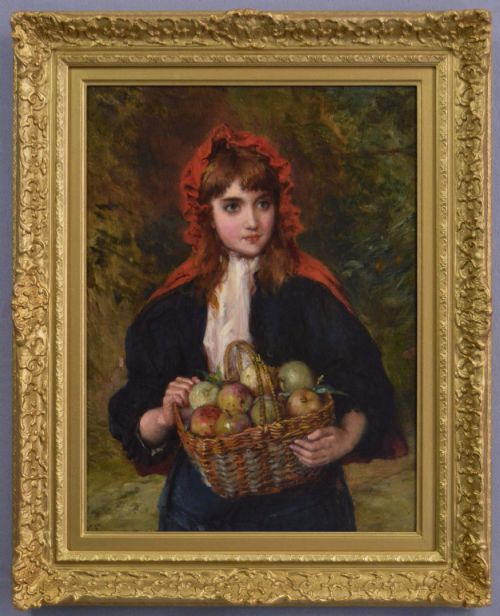
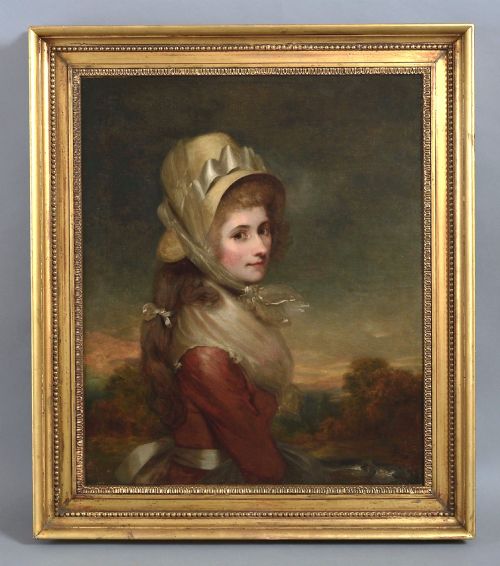
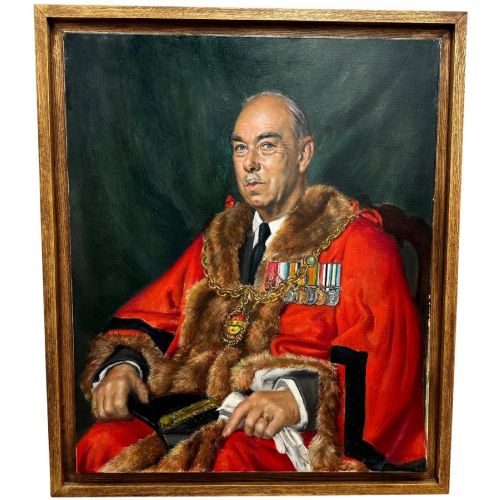
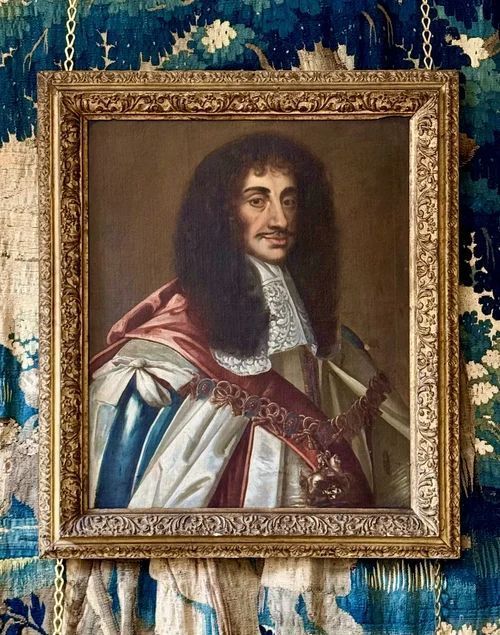
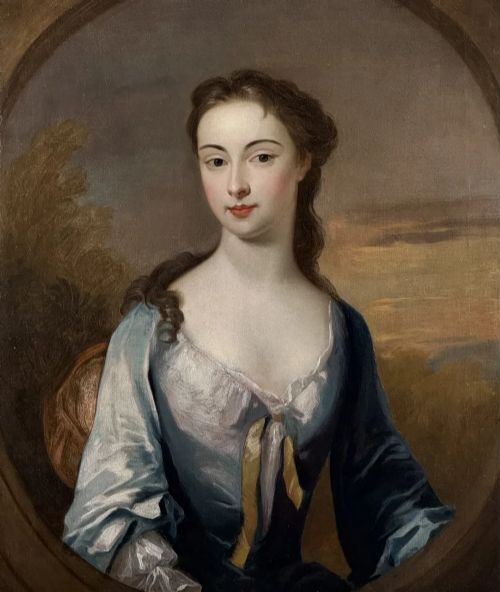
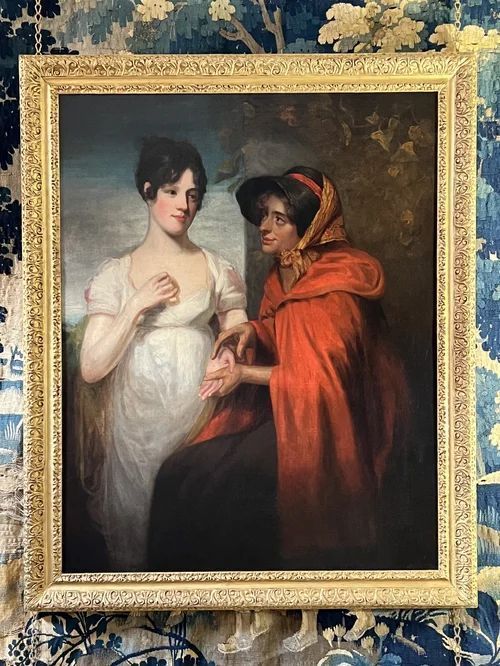
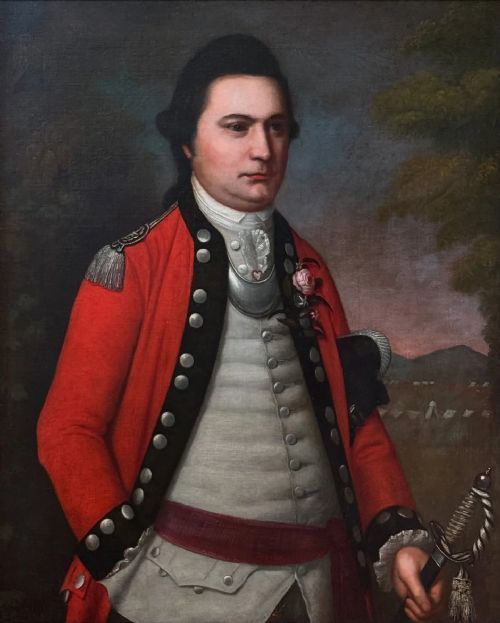
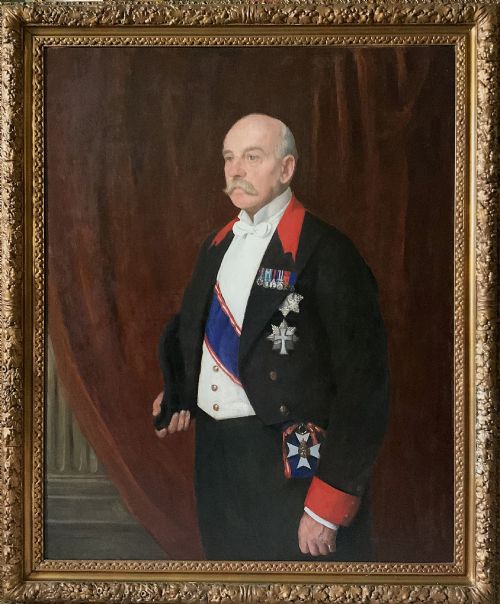
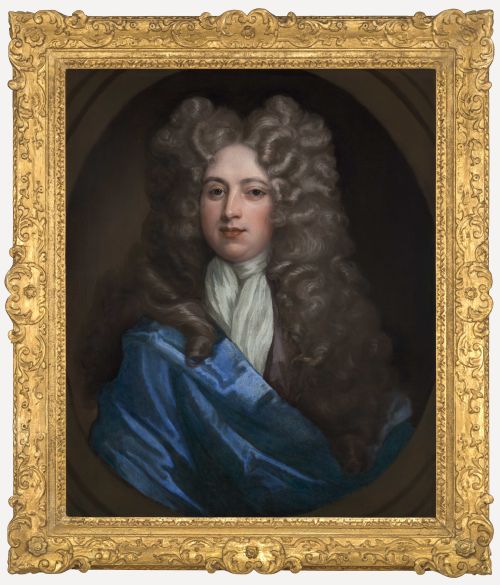
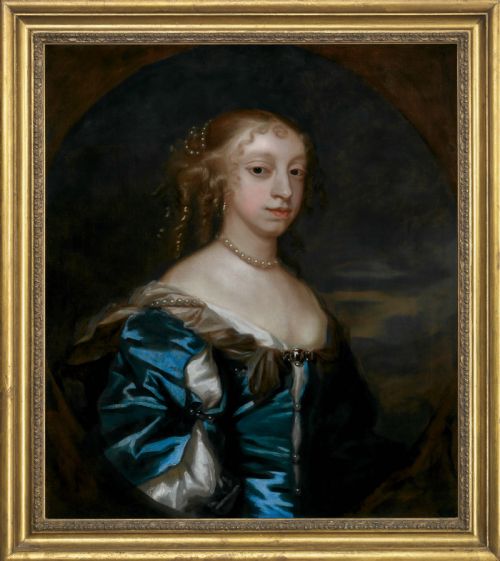
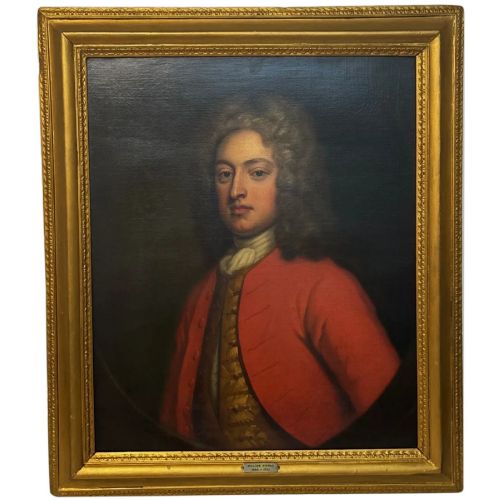
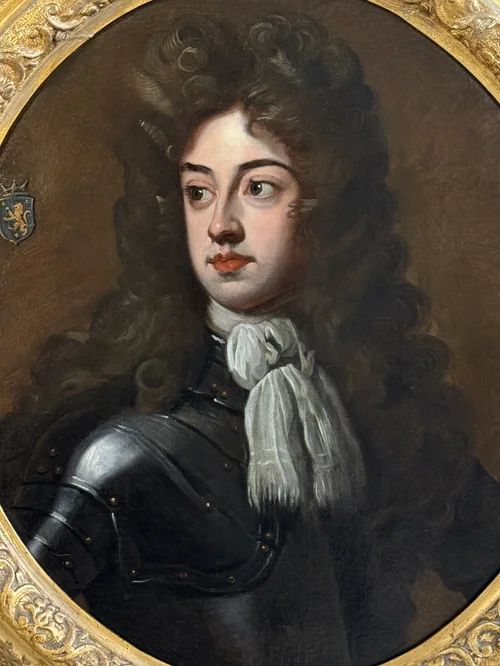
A british oil portrait captures figures of standing, family groups, military officers, and civic leaders across several centuries of painting tradition. The selection ranges from formal 17th-century depictions in elaborate dress and armour to 18th-century canvas works by established artists and their studios.
Buyers will encounter 19th-century Victorian works alongside provincial pieces attributed to regional British schools. Later examples stretch into the 20th century, including mid-century portraits and depictions of figures in uniform.
The physical formats vary from head-and-shoulders studies on canvas or board to monumental military and civic paintings. Alongside human subjects, the selection occasionally includes animal subjects such as prize livestock, racing pigeons, and dogs.
What Varies in Quality
Quality rests upon the skill of the brushwork, the psychological depth captured in the sitter's expression, and the anatomical accuracy of the hands and face. Works by named masters or documented studio circles display superior draftsmanship compared to provincial or untrained hands.
The preservation of the original paint surface dictates desirability, with undisturbed craquelure and minimal overpainting rating higher than heavy restoration. The quality of the accompanying giltwood frame and its period harmony with the canvas also influence the standing of the piece.
British Oil Portrait Retail Price Guide 2026
Typical asking prices for british oil portrait among the pieces listed under this phrase on Sellingantiques today, from the lower quarter to the upper quarter. They describe what is for sale here now, not the wider market.
Several canvases quietly preserve the gaze of racing pigeons, prize shorthorn bulls, and vigilant lurcher dogs alongside human nobility.
William Oliver·Sir Martin Archer Shee·Bernard Hailstone·Valentine T Garland·John Maler Collier·Sir Peter Lely·Charles Jervas·John Opie·Stickland Lowry·Thomas Murray·Sir Godfrey Kneller·Kenneth Cozens·Thomas Barker of Bath·Sir Joshua Reynolds·Thomas Beach·Jean Baptiste Van Loo·John Greenhill·John Closterman·W D Almond·Allan Ramsey·Albert Clark·Margaret Sarah Carpenter·Harry Maude Jonas·Edwin Frederick Holt·Sir William Beechey
The British Oil Portrait Glossary
- Oil on Canvas
- Pigment mixed with a drying oil binder applied to a stretched woven fabric support. This combination allowed artists to blend tones smoothly and build rich textures.
- Giltwood
- Wood carved and coated with thin gold leaf or metallic powder to create a decorative frame surface. These frames often reflect the specific ornamental style of the portrait's era.
- Circle of
- A designation used when a painting shows the distinct hand of an artist working closely within a master's immediate studio or workshop environment. It denotes period proximity rather than direct autograph work.
- Provincial School
- A term describing artwork produced outside the main artistic centres, typically displaying simpler techniques and more direct local character. These pieces offer a window into regional artistic expression.
- Craquelure
- The fine network of microscopic cracks that forms across an aged oil paint film as it hardens over decades. It serves as a natural indicator of age and material stability.
British Oil Portrait: Frequently Asked Questions
How do I date a british oil portrait?
Dating relies heavily on the sitter's costume, periwig, doublet, or uniform style, alongside the framing and preparation of the canvas. Secondary clues include inscriptions, artist signatures, and recorded provenance.
Comparison with dated works from the same regional school helps narrow the decade of execution. Costume historians often provide the most reliable benchmarks for 17th and 18th-century attire.
What is a studio work?
A studio work is a painting produced by assistants and apprentices under the direct supervision and instruction of a master artist. These pieces often replicated popular portraits of prominent public figures.
Such works maintained high standards of draftsmanship while allowing patrons to acquire compositions associated with leading painters of the day.
How should I hang an oil portrait?
Oil paintings require stable interior conditions away from direct sunlight, high humidity, and rapid temperature fluctuations caused by radiators. Proper wall fixings must support the combined weight of the canvas and its heavy giltwood frame.
Positioning the painting at eye level in a principal room reflects the traditional manner in which these historical statements of identity were displayed.
What distinguishes provincial art?
Provincial portraits were created by artists working outside metropolitan hubs like London, often serving local gentry, clergy, and civic leaders. These pieces frequently exhibit a charming directness and less formal adherence to academic rules.
While lacking the polished flattery of court painters, they provide honest documentation of regional dress, physiognomy, and social standing.