

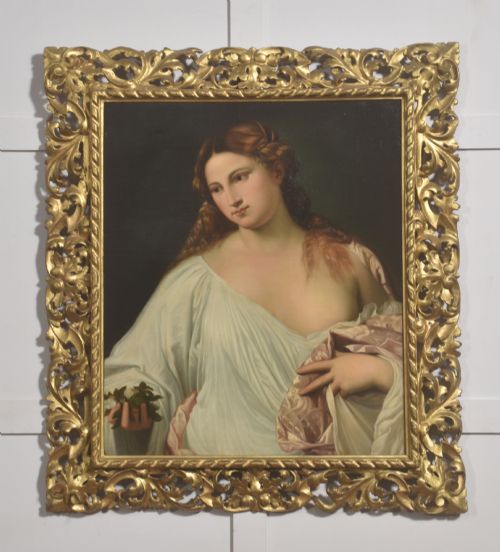
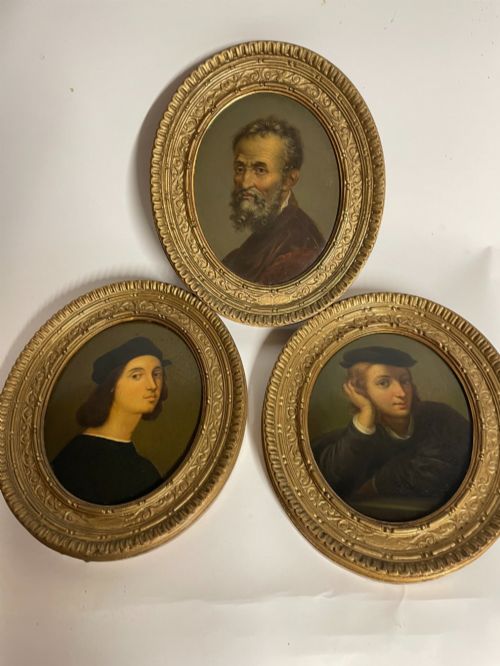


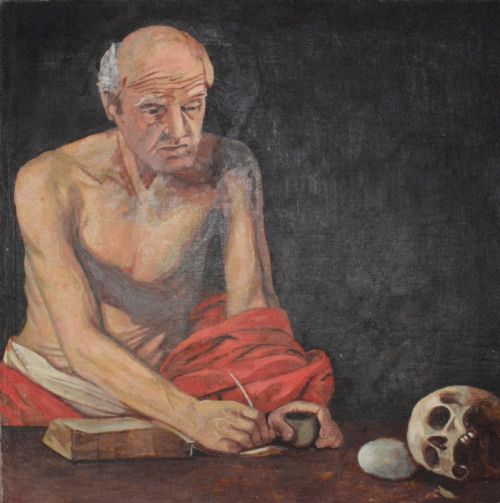
Classic Master Style Portrait
These classic master style portrait works capture centuries of painterly tradition, offering a direct link to historical portraiture that collectors prize for its depth.
Classic Master Style Portrait
When you search for a classic master style portrait, you encounter fine art paintings and drawings spanning from the seventeenth century through to the twentieth century. These works frequently channel historical movements such as the Dutch Golden Age, Baroque, and Renaissance revival, anchoring interiors in a traditional aesthetic.
The pieces on this page lean heavily towards oil on canvas paintings, alongside sanguine drawings and sketches. Subjects range from aristocratic ladies in satin dresses and gentlemen in ruffs to studies of notable figures and literary saints.
Many of these works represent either period pieces or later interpretations executed after renowned painters. You will find works originating from English, Dutch, and Italian schools, reflecting the enduring influence of master portraiture across Europe.
Materials and technique
The physical foundation of these works relies upon oil paint applied to canvas, a medium that allowed historic painters to build rich layers of tone and shadow. Artists utilised traditional pigments to render realistic textures in fabrics like blue wraps and white satin.
Framing often complements the artwork through the use of giltwood and gilt wood, enhancing the visual weight of the paintings. Drawings on this page utilise sanguine, a reddish chalk medium that creates warm, expressive line work on paper.
Classic Master Style Portrait Retail Price Guide 2026
Typical asking prices for classic master style portrait among the pieces listed under this phrase on Sellingantiques today, from the lower quarter to the upper quarter. They describe what is for sale here now, not the wider market.
An eighty-four-year-old subject by Rembrandt rubs shoulders here with an Italian tailor and a boy in a red coat.
What separates the fine from the ordinary
The distinction in quality rests upon the handling of light, shadow, and human expression by the hand behind the brush. Stronger works demonstrate a confident command of anatomy and fabric, capturing the palpable presence of the sitter.
Provenance and attribution also shape the standing of a piece, distinguishing direct circles of historical painters from later school studies. The fidelity of the gilding and the preservation of the canvas surface contribute further to the standing of the work.
Charles Jervas·Nicolaes Maes·Rembrandt van Rijn·Giovanni Battista Moroni·Jacob Huysmans·Sir Thomas Lawrence
The Classic Master Style Portrait Glossary
- Canvas
- A heavy woven fabric used as a support surface for oil paintings. It provides the texture beneath historical brushwork.
- Giltwood
- Wood carved and covered with a thin layer of gold leaf or gold paint. Frames in this material surround many traditional oil paintings.
- Sanguine
- A type of red chalk used for drawing. It produces warm, earthy tones favoured for figure sketches.
- Ruff
- A voluminous pleated collar worn in fashion during the sixteenth and seventeenth centuries. Its presence helps date early portraiture.
- Baroque
- An artistic style prevalent from the seventeenth century characterised by dramatic use of light and deep shadow. Portraiture from this movement emphasises emotional intensity.
Classic Master Style Portrait: Frequently Asked Questions
What is a classic master style portrait?
It is a painting or drawing that adopts the techniques, subjects, and compositions of historical European masters. These works often date from the seventeenth to nineteenth centuries or represent later studies after famous painters.
They serve as focal points in period interiors, bringing a sense of historical narrative and dignified presence to a room.
How do I identify a seventeenth-century portrait?
Look for specific clothing details such as ruffs, lace collars, and heavy satin dresses, alongside a dark, dramatic background typical of the Baroque period. The handling of oil paint on canvas during this era prioritised deep chiaroscuro lighting.
Signatures, dates, and attribution notes in the title also point toward the likely century of creation.
Where should I hang an oil portrait?
These works suit traditional reception rooms, studies, or hallways where they can be displayed against neutral or panelled walls. Proper placement avoids direct sunlight to protect the oil paint and canvas.
Pairing the painting with appropriate directional picture lighting enhances the depth of the dark backgrounds.
What does after a master mean?
This phrase indicates that the artwork is a later creation executed in the style of, or directly copied from, a renowned historical painter. Such works allowed later artists to study master techniques and provided collectors with accessible versions of famous compositions.
They hold their own place in the history of taste and interior decoration.