


British Rural Art
British rural art captures the quiet rhythms of the countryside through traditional paintings and watercolours.
British Rural Art
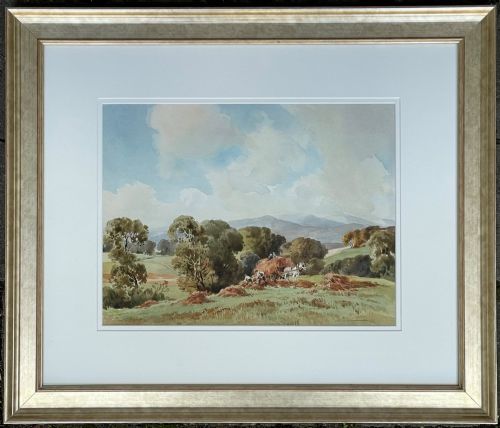
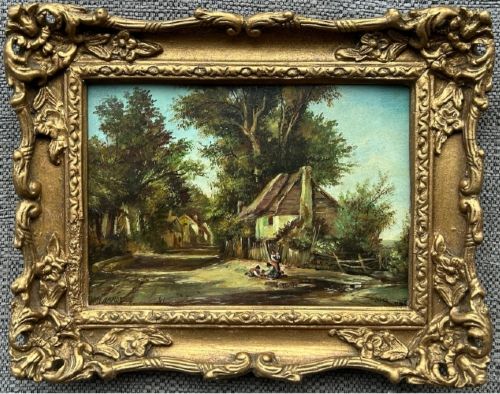
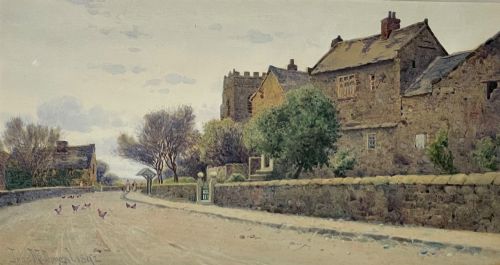
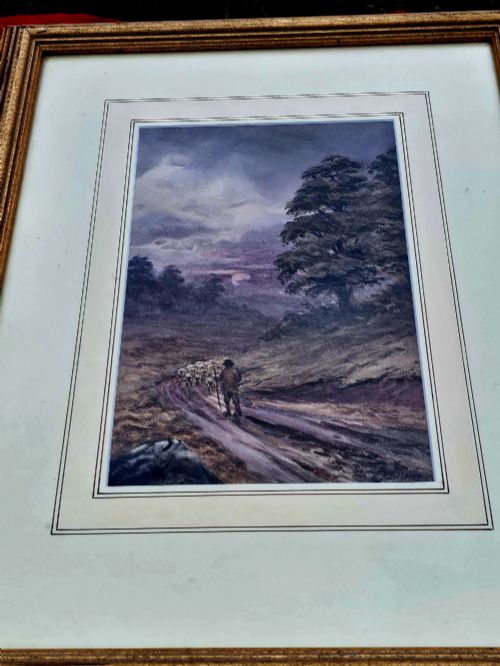
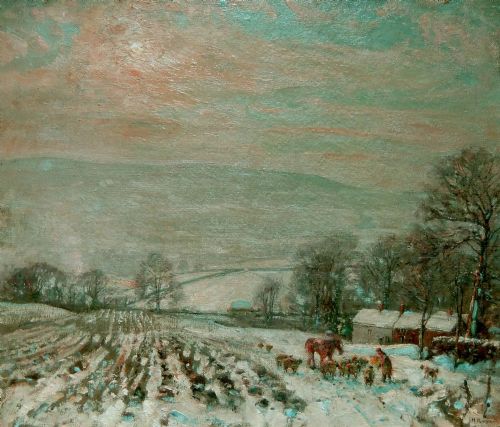
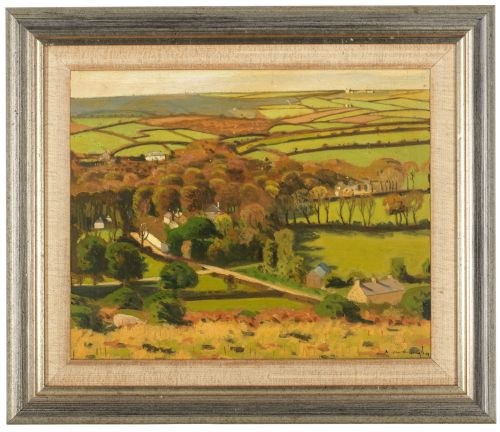
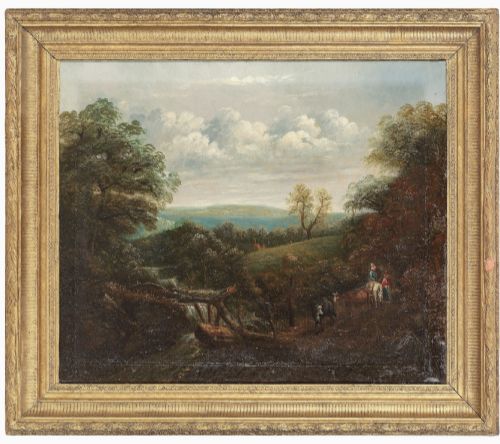
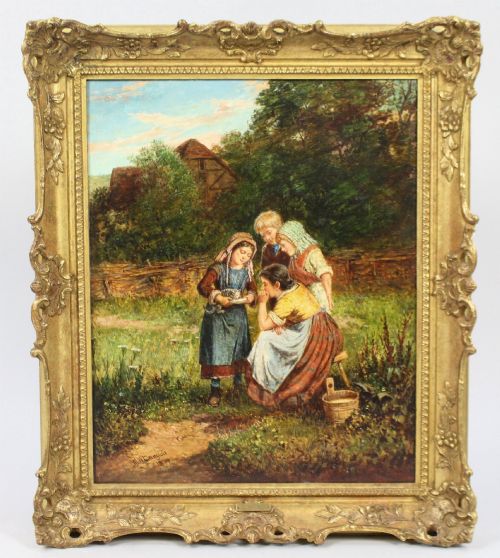
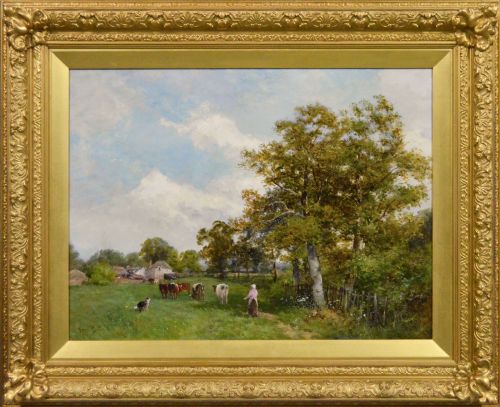
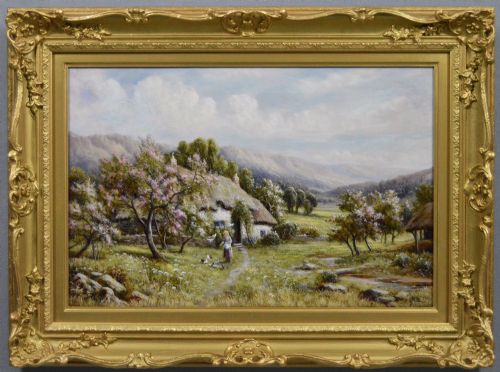
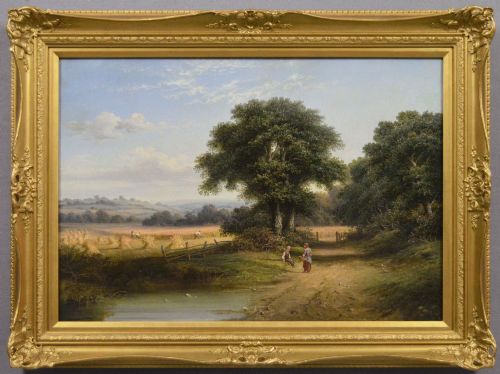
British rural art encompasses paintings, watercolours, and etchings depicting fields, cottages, rivers, and farm animals across various periods. Buyers seek these pieces to bring the tranquil character of the historic countryside into their homes.
Materials and Technique
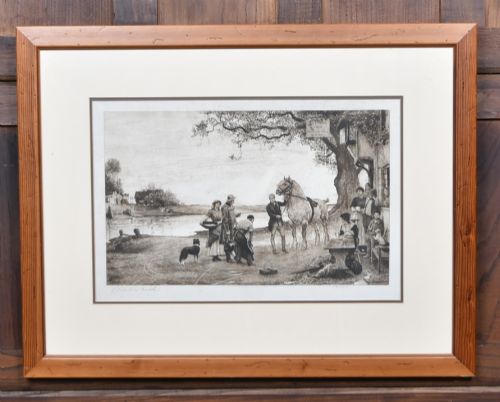
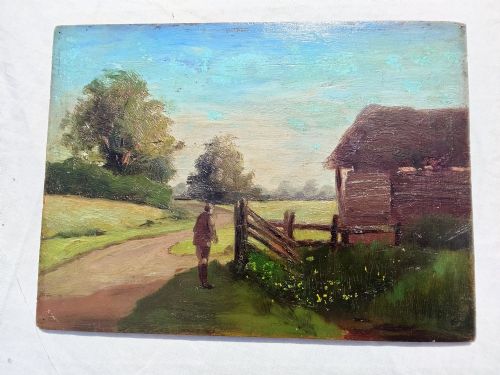
Artists worked primarily with oil paint on canvas or wooden board, and watercolour on paper, capturing natural light and texture. Etchings also appear, showcasing fine linework and tonal depth achieved through acid biting on metal plates.
Supports ranged from stretched canvas and sturdy wooden panels to heavy watercolour paper, matched with traditional framing. Pigments applied by brush or pen reflect the prevailing academic and impressionist techniques of their respective decades.
British Rural Art Retail Price Guide 2026
Typical asking prices for british rural art among the pieces listed under this phrase on Sellingantiques today, from the lower quarter to the upper quarter. They describe what is for sale here now, not the wider market.
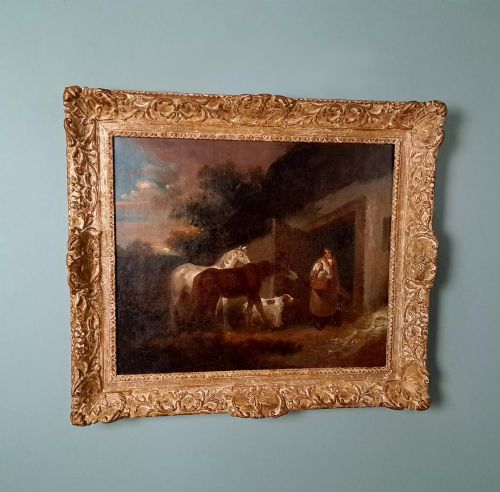
Several canvases faithfully record the stubborn expressions of working farm bulls and patient stable ponies.
Distinctions in Quality
Quality rests on the artist's command of light, atmospheric perspective, and anatomical precision in figures and animals. Superior works demonstrate confident brushwork and a coherent composition that draws the viewer into the landscape.
Lesser examples often rely on formulaic arrangements and stiff, repetitive details without engaging the natural mood of the scene. The handling of subtle tones in skies and foliage marks the division between standard decorative pieces and accomplished fine art.
George Graham·Percy Lancaster·William Howard Hardy·William Joseph Shayer Senior·John McDougal·Herbert Royle·Robert Morson Hughes·Mark William Langlois·David Bates·Robert John Hammond·Walter Heath Williams·Robert W Macbeth·John Horace Hooper·Raymond Booth·Eric Brown·Ernest Higgins Rigg·George Oyston·Frederick James Kerr·Edgar Hunt·John Bond·William Greaves·Frederick Hines·Sydney Yates Johnson·Owen Bowen·Herbert Dicksee
The British Rural Art Glossary
- Watercolour
- A painting method where fine pigment is suspended in water-based solution on paper. This medium allows for transparent washes and luminous effects.
- Oil on Canvas
- Pigment mixed with drying oil applied to a woven fabric stretched across a wooden frame. It remains the standard durable medium for rich colour layering.
- Etching
- A printmaking process where lines are incised into a metal plate through acid before applying ink. This technique produces crisp, detailed monochrome illustrations.
- Pastoral
- A genre of art idealising rural life and agricultural landscapes. These scenes emphasise harmony between humans, animals, and nature.
- Barbizon Influence
- A style reflecting the French Barbizon school's focus on direct observation of nature. Painters adopted loose brushwork and atmospheric realism in open air.
British Rural Art: Frequently Asked Questions
What subjects do these rural paintings show?
These works typically depict agricultural scenes, farm animals, river valleys, and remote cottages across Britain. Artists focused on everyday rural life, including harvesting, herding sheep, and quiet country paths.
Such compositions reflect the deep connection between rural communities and the changing seasons during the nineteenth and early twentieth centuries.
How should I care for an antique watercolour?
Watercolours require protection from direct sunlight to prevent the pigments and paper from fading over time. Displaying them in rooms with stable humidity levels helps preserve the paper support.
Using acid-free mounting materials during framing further protects the integrity of the artwork against yellowing and chemical degradation.
How do I identify a Victorian oil painting?
Victorian oil paintings often feature traditional framing, specific artist signatures, and canvas stamps from period art suppliers. The subject matter frequently leans toward narrative realism or idealised pastoral views.
Examining the stretcher bars, canvas texture, and the style of the brushwork assists in confirming the approximate period of execution.
Where were these landscape scenes usually painted?
Artists travelled throughout the British countryside, capturing specific locations in regions such as Cornwall, Yorkshire, Dorset, and the Welsh borders. Many worked directly outdoors to capture natural light and local topography.
Inscribed titles on the reverse or within the composition often name the exact village, river, or lane depicted by the painter.