
Traditional Country Landscape Art
Traditional country landscape art captures rural life, agricultural scenes and pastoral views through historic paintings.
Traditional Country Landscape Art
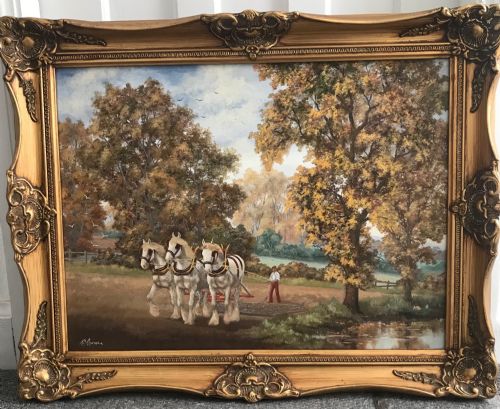
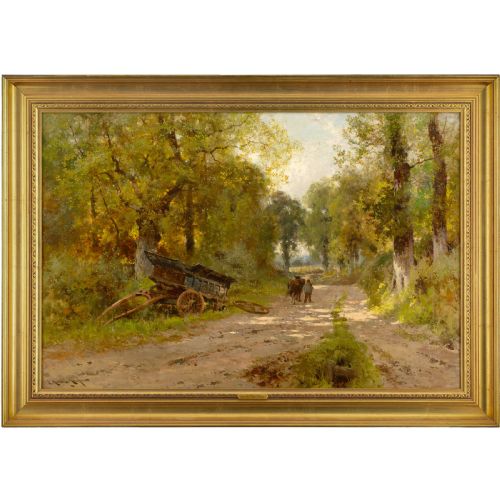
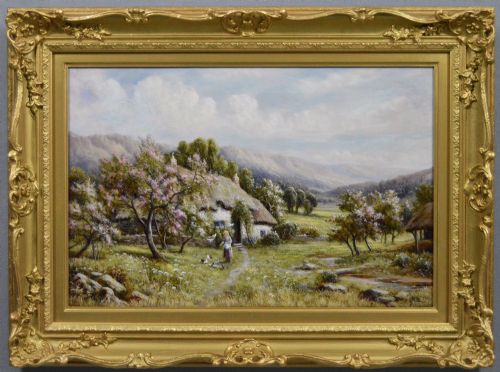
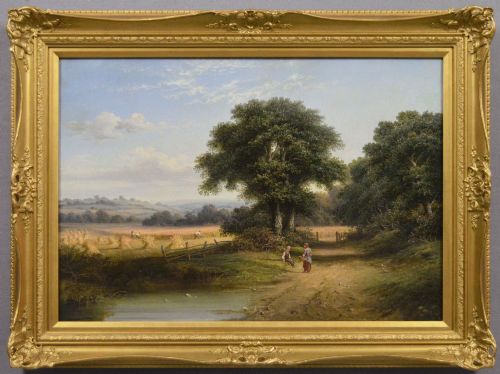
Traditional country landscape art encompasses painted depictions of rural scenes, agricultural life, animals and countryside views. When searching for traditional country landscape art, buyers encounter works spanning the nineteenth and twentieth centuries.
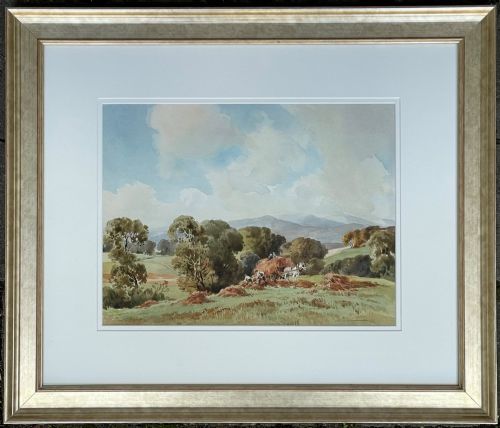
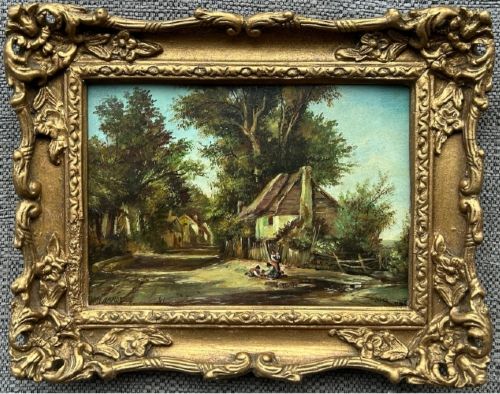
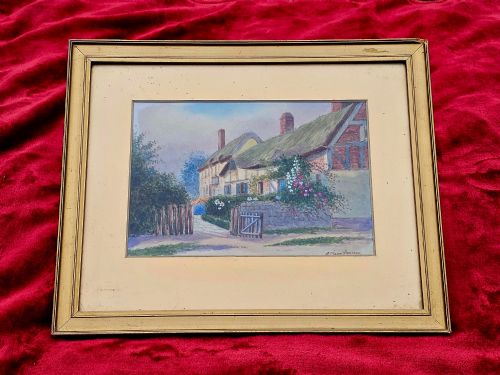
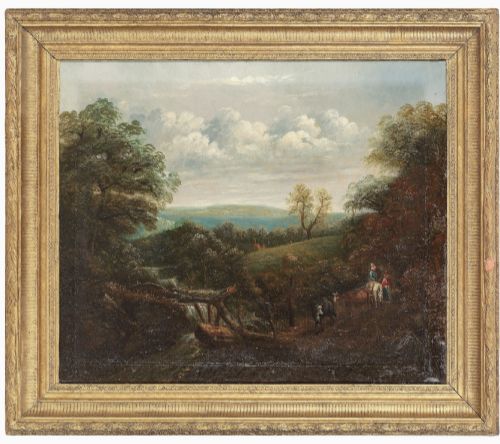
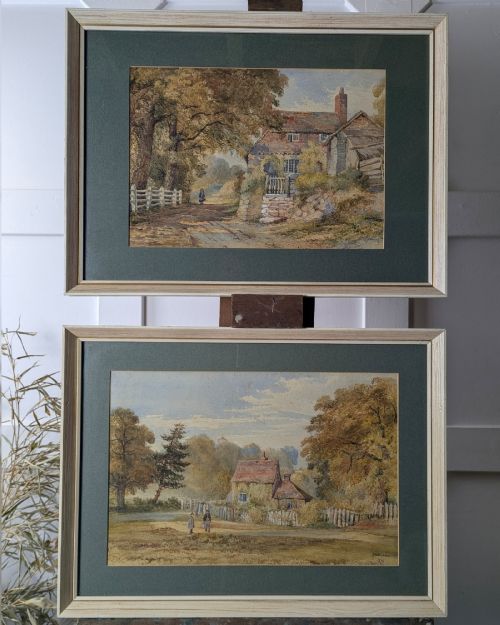
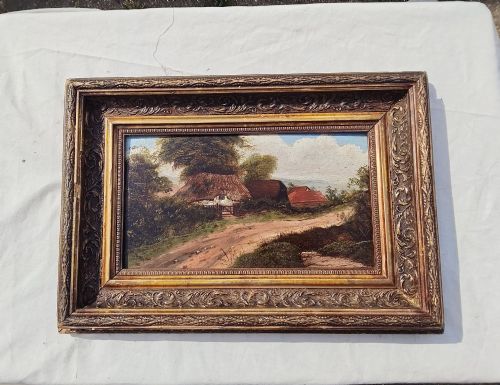
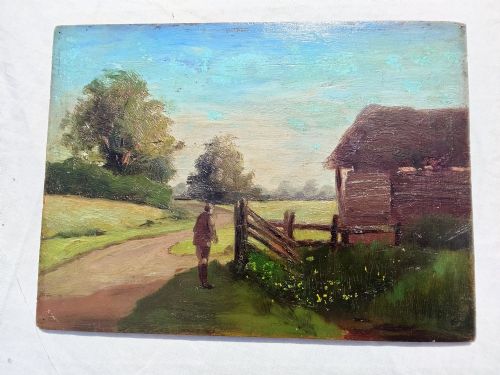
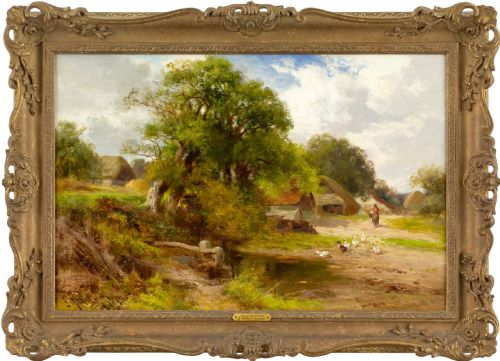
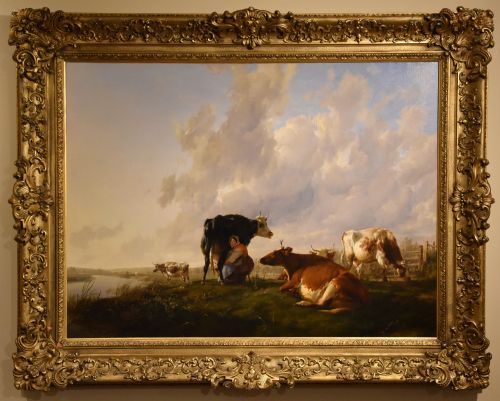
The selections on this page primarily consist of oil paintings and watercolours on canvas, panel, board and paper. These pieces frequently portray scenes involving cottages, rivers, farm animals, horses and harvest fields across British regions.
Victorian and Edwardian examples dominate the selection, alongside pieces from the Georgian period and mid-twentieth century. Works range from intimate watercolours to large framed oil compositions by named artists and regional British schools.
Materials and techniques
Painters utilised oil paint or watercolour applied to stretched canvas, wooden panels, card or heavy paper supports. Oil mediums allowed artists to build rich textures and deep colour layers, particularly suited to rural scenes and animal portraits.
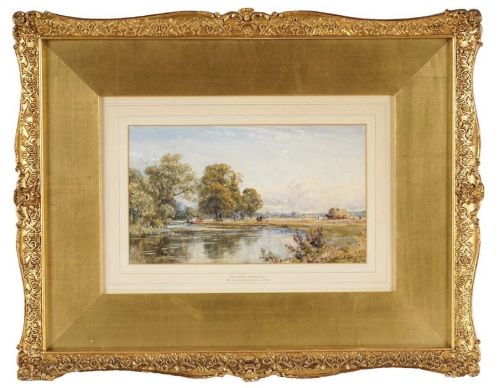
Watercolour works on paper relied on translucent washes to capture natural light across river valleys and countryside paths. Finished artworks were typically housed within gilt wood, gesso or moulded wooden frames that complemented the period aesthetic.
Traditional Country Landscape Art Retail Price Guide 2026
Typical asking prices for traditional country landscape art among the pieces listed under this phrase on Sellingantiques today, from the lower quarter to the upper quarter. They describe what is for sale here now, not the wider market.
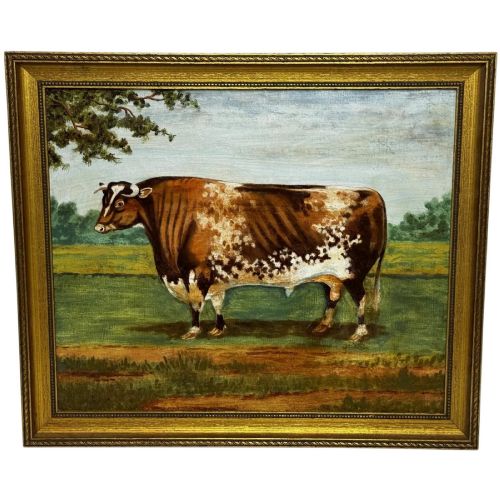
Several paintings record prize-winning shorthorn bulls taking a well-earned break from rural stardom.
Judging quality in rural paintings
Quality separates through the artist's command of light, composition and anatomical precision in figures and animals. Superior works demonstrate confident brushwork and atmospheric depth rather than rigid formulaic execution.
The integrity of the original support, the stability of the pigment layer and the compatibility of the accompanying frame contribute significantly to the standing of an individual painting.
Percy Lancaster·William Howard Hardy·John Horace Hooper·A Marie Parsons·Robert A Nottingham·Robert John Hammond·Walter Heath Williams·Robert Thorne Waite·John Smith Atherton·Thomas Sidney Cooper·John Sargent Noble·George Wright·Henry Yeen King·T C Hofland·Henry H Parker·Miles Birkett Foster·Henry Schouten·George Morland·Sydney Yates Johnson·A M Gauci·Hubert Wellington·Owen Bowen·Charles Walter Simpson·Robert Little
The Traditional Country Landscape Art Glossary
- Oil on Canvas
- Pigment mixed with drying oil applied to a woven fabric stretched across a wooden frame. This primary support allowed artists to create durable works with rich surface texture.
- Watercolour Painting
- Pigments suspended in a water-based solution applied to paper or card. Artists used this medium for luminous effects and delicate pastoral scenes.
- Giltwood
- Wood carved and coated with gold leaf or metallic gilt powder. This finish frequently adorns traditional picture frames.
- Victorian Realism
- An artistic movement focusing on accurate depictions of contemporary life and nature. Works in this style portray rural scenes and animals with close attention to detail.
Traditional Country Landscape Art: Frequently Asked Questions
What subjects appear in traditional country landscape art?
These artworks depict rural British views, harvest fields, farm animals, river valleys and cottages. Common motifs include shire horses, cattle, shepherds with sheep flocks and figures near country paths.
Many pieces record specific regional locations such as Yorkshire, Devon, Sussex and the Thames, capturing agricultural life from past centuries.
How do I date a historic landscape painting?
Dating relies on stylistic evidence, artist signatures, framing materials and annotations inscribed on the reverse of the canvas or panel. Costume details, agricultural equipment and architectural styles within the scene also provide chronological clues.
Period markers such as Victorian or Edwardian designations help place works within broader historical eras.
How should I display antique oil paintings?
Antique oil paintings require stable indoor environments away from direct sunlight and excessive humidity. Wall placement should avoid sudden temperature fluctuations caused by radiators or fireplaces.
Matching the painting with an appropriate period frame protects the edges of the canvas and enhances the overall visual presentation.
What is the difference between oils and watercolours?
Oil paintings use pigment suspended in drying oil on canvas or wooden boards, offering rich textures and deep colour saturation. Watercolour paintings use water-soluble pigments on paper, producing luminous and translucent effects.
Watercolours require protective glass framing to prevent moisture damage, whereas oil paintings on canvas remain open to the room atmosphere.