

Sporting Art Painting
Sporting art painting captures the speed, power and atmosphere of equestrian pursuits, field sports and animal portraits.
What Sporting Art Paintings Are
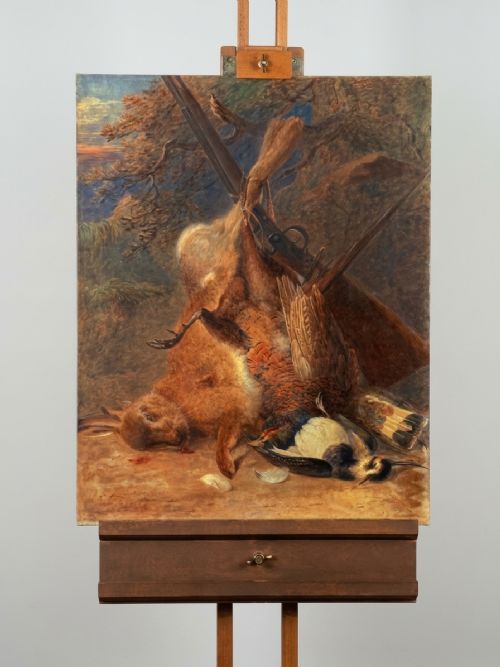
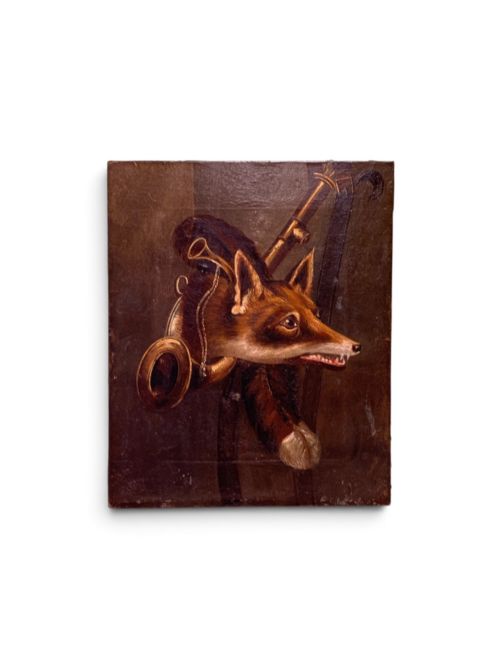
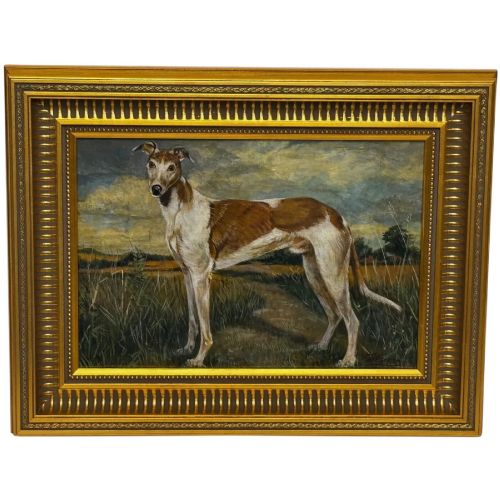
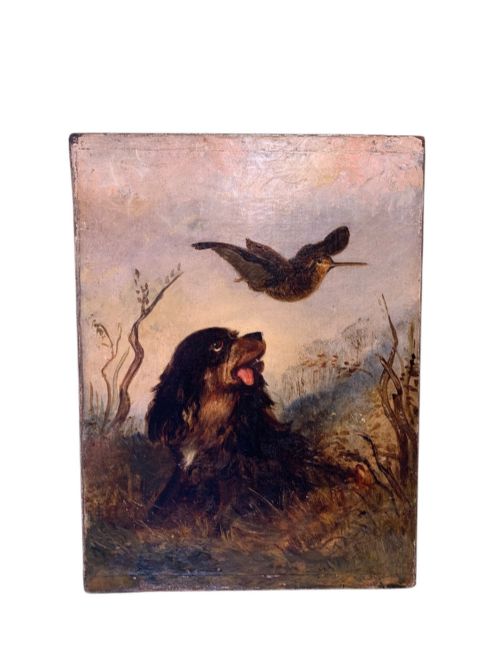
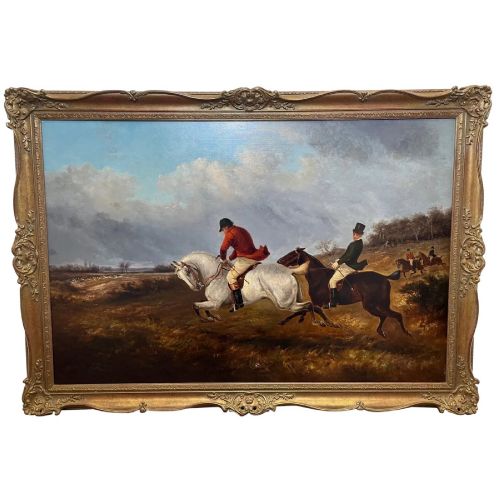
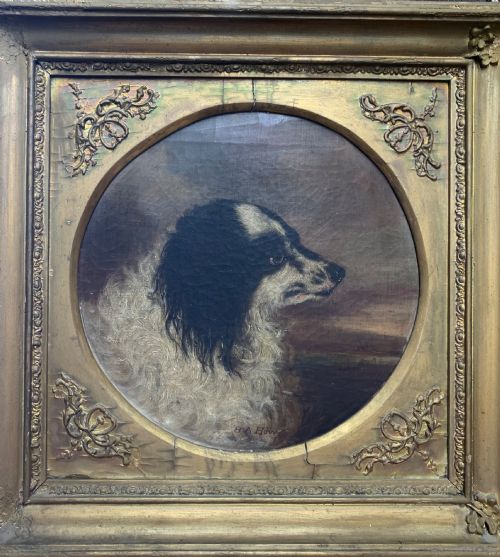
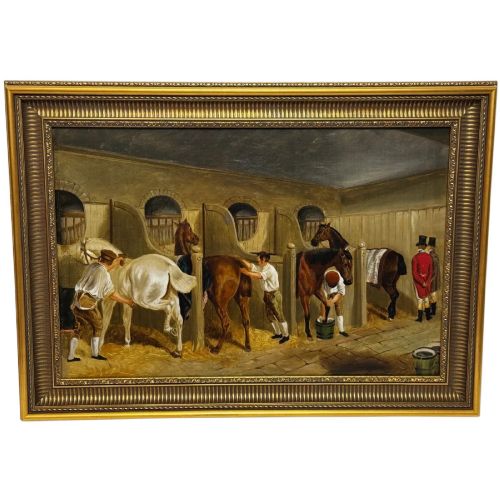
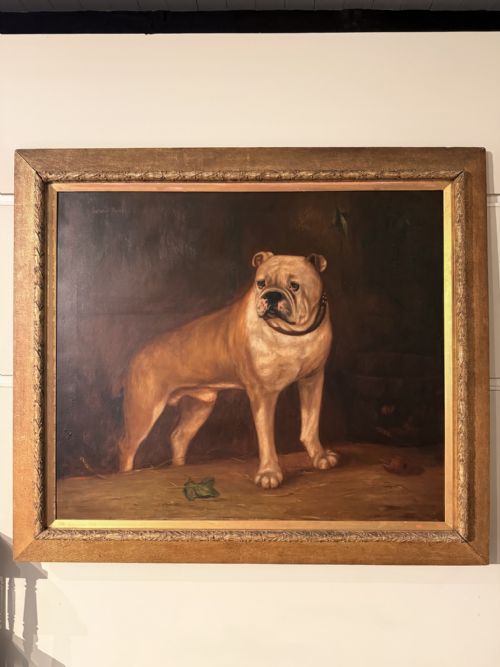
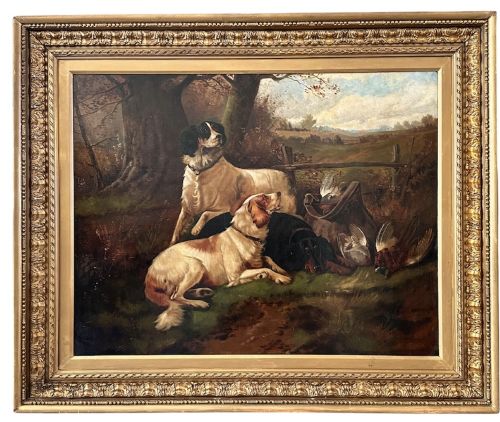
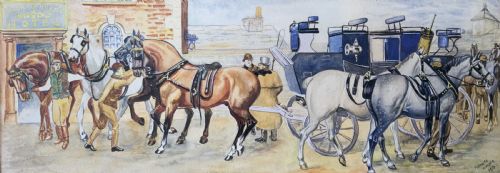
When you search for sporting art painting, you encounter works celebrating horses, hounds, fish and racing scenes. These depictions preserve specific moments of the hunt, the riverbank and the racecourse.
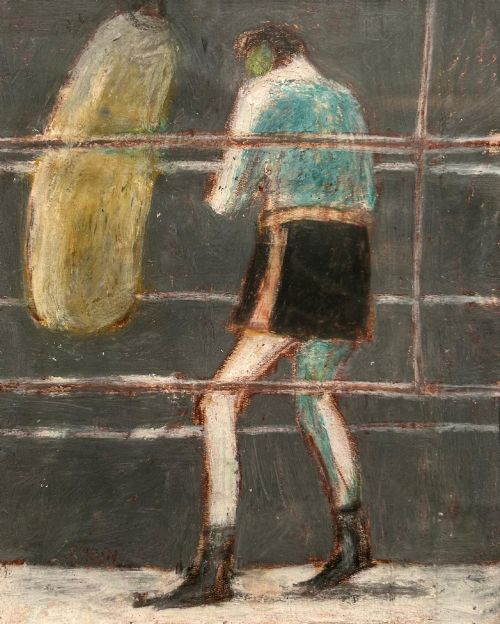
The selections on this page span the nineteenth and twentieth centuries, including Victorian examples alongside works from the nineteen-sixties. You meet traditional British sporting art executed in oil and watercolour.
Subjects range from individual racehorse portraits with jockeys up to dynamic river scenes featuring pike. Each canvas or paper surface records the prevailing aesthetic of its decade.
How They Were Made
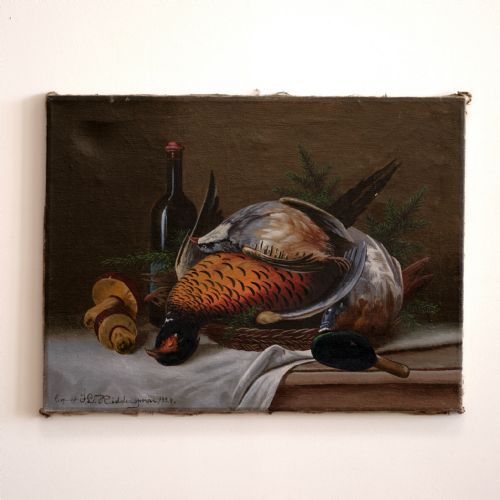
The physical works rely primarily upon oil paint applied to canvas or watercolour pigment on paper. Artists utilised traditional media to build depth in animal musculature, coats and water.
Finished pictures are housed within wood frames or giltwood frames that complement the subject matter. These surrounds range from simple wooden mouldings to ornate gilded constructions.
Retail Price Guide 2026
Typical UK retail prices for sporting art painting, calculated from the Sellingantiques database of over a million retail prices indexed since 2003. This retail price guide relies exclusively on Sellingantiques data; no external sources or auction records are used, so the figures do not describe the wider market.
Fish make surprise appearances alongside horses, proving that sporting art goes wherever the rod or hunt takes it.
What Varies in Quality
Quality rests upon the artist's ability to render anatomical accuracy and movement convincingly. A superior hand captures the tension in a hunter or the specific markings of a racehorse like Diamond Jubilee.
The integration of the subject with its environment distinguishes finer examples. Background landscapes, atmospheric river water and framing contribute equally to the overall success of the composition.
Alfred Wheeler·Harry Davis·Frank Giggs
The Sporting Art Painting Glossary
- Canvas
- A heavy woven fabric stretched across a wooden support to serve as a foundation for oil paint.
- Watercolour pigment
- A water-soluble medium applied to paper to achieve translucent colour washes and fine detail.
- Giltwood frame
- A wooden moulding covered with a thin layer of gold leaf, designed to enhance and protect the artwork.
- Jockey up
- A term describing a racehorse depicted with its rider mounted in silks.
- Sporting art
- A genre dedicated to the depiction of animals, hunting, fishing and equestrian competition.
Frequently Asked Questions
What subjects appear in these paintings?
The works focus on horses, hounds, fish and racing scenes.
Subjects include fox hunting, racehorses with jockeys, and pike surfacing from rivers.
Which materials were used?
Artists employed oil paint on canvas and watercolour pigment on paper.
Completed works are housed within wood frames or giltwood frames.
How do I date a piece?
Dating relies on stylistic clues, framing techniques and recorded periods.
Examples span the nineteenth century through to the nineteen-sixties.
Where do these pieces originate?
The tradition is rooted in British sporting art.
Parks, rivers and racecourses provide the primary settings for the compositions.