




Classical Relief Cameos
Classical relief cameos are miniature sculptural carvings and casts recording classical antiquity, sought by collectors for their exquisite neoclassical portraiture.
Classical Relief Cameos
Classical relief cameos encompass framed wall art, brooches, and intaglios produced across the eighteenth, nineteenth, and twentieth centuries. Buyers seeking classical relief cameos encounter items ranging from single shell brooch mounts to large framed collections of plaster casts.
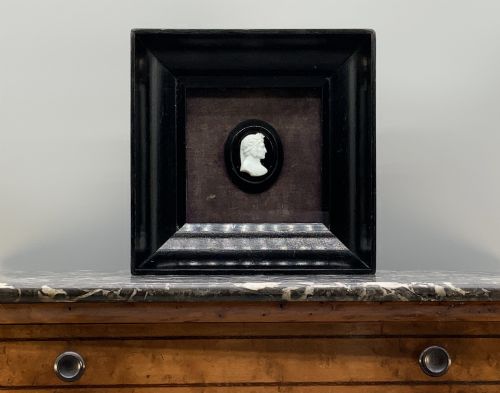
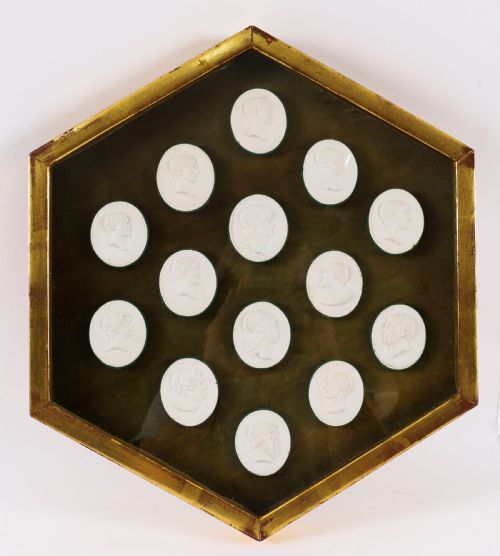
The material origins trace primarily to nineteenth-century Victorian production alongside eighteenth-century grand tour souvenirs. Neoclassical motifs dominate these pieces, depicting Roman emperors, mythological figures, and classical poets within wood, giltwood, or velvet frames.
Materials and Technique
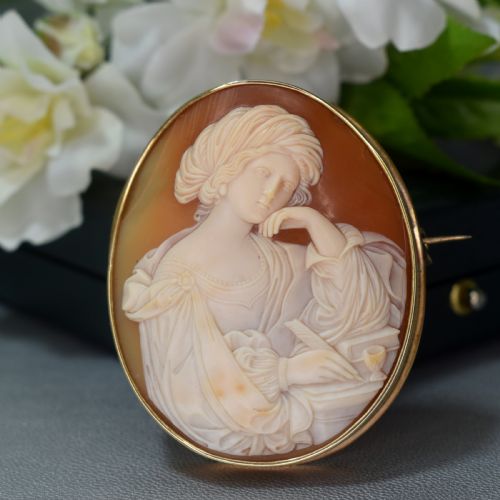
Makers utilised shell, lava, marble, plaster, and ivory, carving the raised profiles directly into natural strata or casting them from mould collections. Shell and lava pieces employ layered organic materials to achieve contrasting background shades.
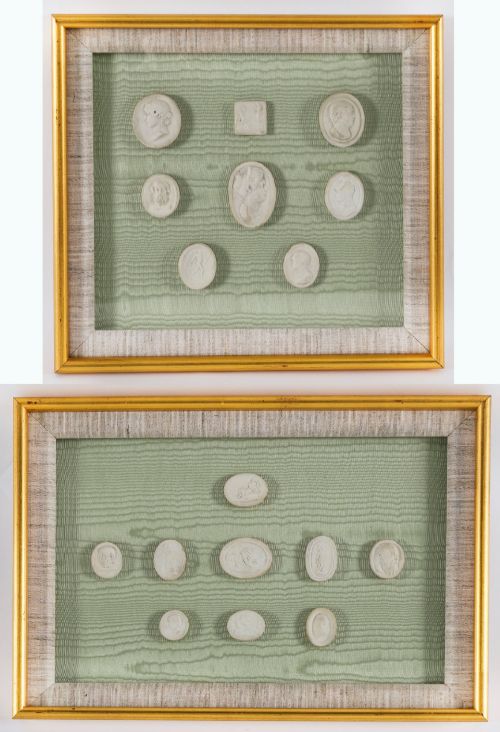
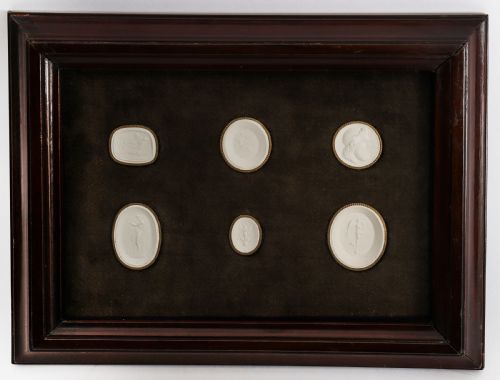
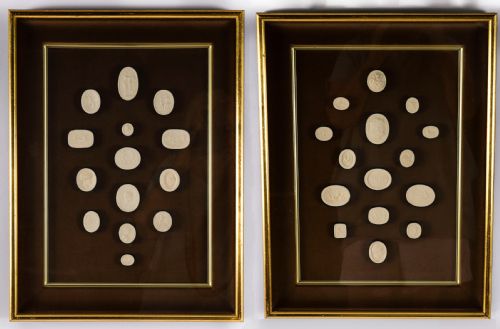
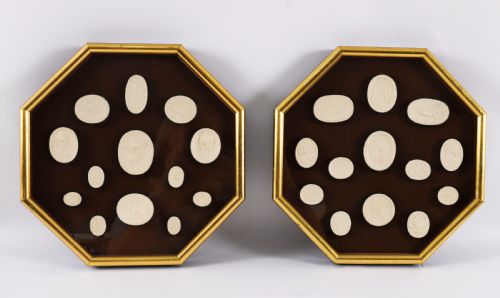
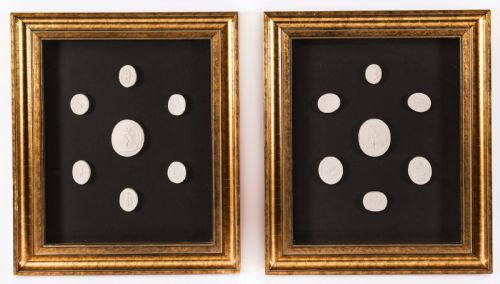
Plaster casts and intaglios utilise fine gypsum plasters set within wood, giltwood, or fabric-lined frames, often arranged in multi-piece sets. Metal mounts in silver, gold, and pinchbeck secure wearable brooches and earrings.
Nineteenth-century travellers meticulously glued tiny plaster casts into velvet boxes, inventing the ultimate portable art gallery for dusty carriage rides.
Factors of Distinction
The fidelity of the cast or the delicacy of the hand-carved shell determines the visual impact of the profile. Superior execution reveals subtle musculature and accurate drapery folds derived from antique statuary.
Giovanni Liberotti·Pietro Bracci·R. Pernice·Thorvalsen Workshop
The Classical Relief Cameos Glossary
- Intaglio
- An incised gem or cast where the design is hollowed beneath the surface, contrasting with a cameo. These pieces are often framed as symmetrical pairs or large comprehensive sets.
- Grand Tour
- An educational journey through continental Europe undertaken by nineteenth-century travellers who collected plaster casts and carved plaques as souvenirs. These sets document classical sculpture collections.
- Pintado
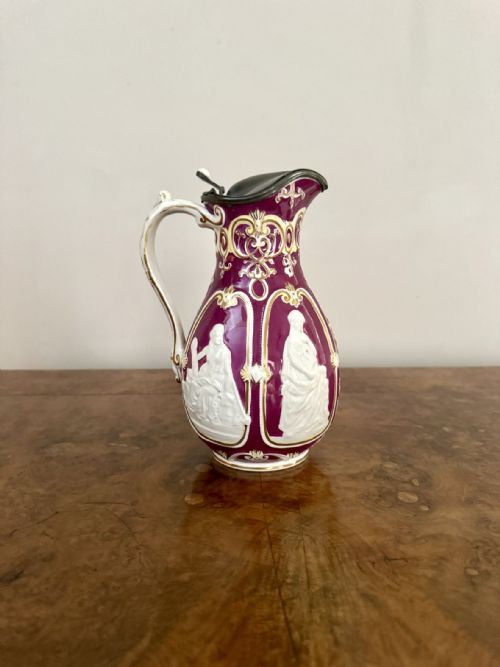
- A term occasionally associated with decorative surfaces, though primarily seen here in framed plaster and marble bas-relief configurations.
- Bas-relief
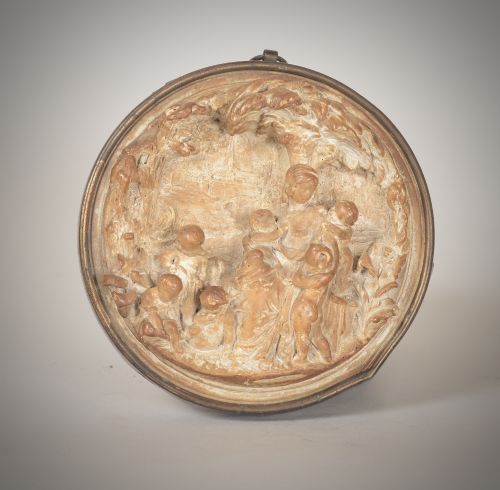
- A sculptural technique where the figures project slightly from the flat background, typical of marble and ivory portrait plaques. This method creates subtle shadow play across profile portraits.
- Pinchbeck
- An alloy of copper and zinc used to simulate gold in nineteenth-century jewellery mounts. It provides durable housing for shell and lava brooches.
Classical Relief Cameos: Frequently Asked Questions
What are grand tour cameos?
Grand tour cameos are historical souvenir plaques and plaster casts collected by travellers visiting classical European sites during the eighteenth and nineteenth centuries. They preserve miniature copies of famous antique sculptures and architectural reliefs.
These pieces typically arrive mounted in wood or giltwood frames, often arranged in sets of varying sizes. They served as both decorative wall art and tangible records of classical scholarship.
How are plaster intaglios framed?
Plaster intaglios are arranged neatly against velvet or fabric backgrounds inside protective wooden or giltwood box frames. Multiple casts are frequently grouped in symmetrical rows or geometric patterns.
Keep these framed collections away from direct sunlight and damp environments to protect the plaster and fabric linings from degradation. Dust the glass exterior gently with a dry cloth.
What is the difference between shell and lava cameos?
Shell cameos utilise layered natural mollusc shells, such as queen conch, carving the raised portrait against a darker background stratum. Lava cameos are carved from compressed volcanic ash, offering a matte, monochromatic texture.
Both materials were popular during the Victorian era for wearable brooches and earrings depicting mythological deities and classical profiles. Shell provides glossy contrast, whereas lava delivers a subtle, chalky finish.