



Antique Wedgwood Plaque
These antique wedgwood plaque pieces are ceramic reliefs set into furniture, boxes, and metalwork, prized for bringing neoclassical figures into domestic interiors.
Antique Wedgwood Plaque
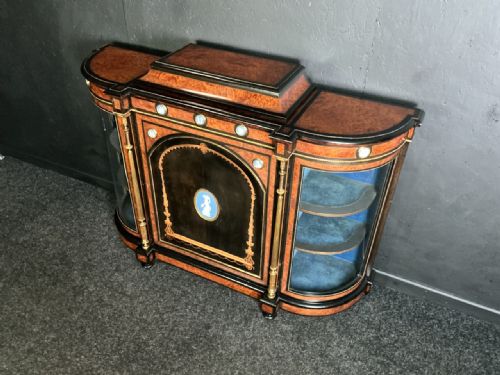
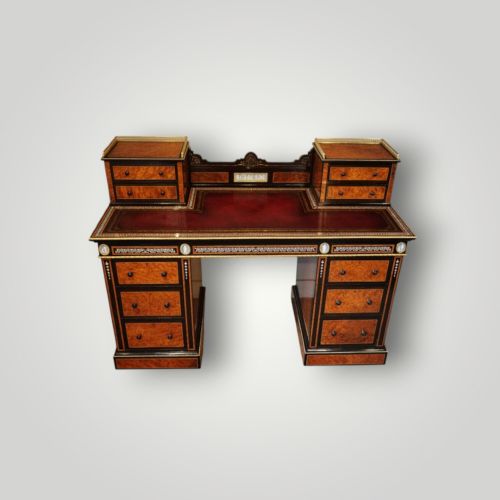
When you search for an antique wedgwood plaque, you encounter everything from mounted framed cameos and brooches to elaborate credenzas, desks, and letter scales. The pieces take the form of decorative plaques and portraits, alongside functional items where ceramic medallions provide a neoclassical focal point. You are most likely to meet these plaques mounted on 19th-century walnut or burr walnut furniture such as credenzas and writing slopes.
The material origins span the 18th century through to the Victorian era and into the 20th century, capturing shifts in taste from Georgian refinement to Victorian revivalism. Alongside cabinetry, smaller decorative objects appear frequently, including basalt plaques, jewellery boxes, and tea caddies. Each example demonstrates how ceramic ornamentation crossed between cabinetry, stationery items, and personal adornment.
How they were made
The ceramics rely primarily on jasperware and basalt, utilised to create contrasting white reliefs against coloured grounds. These plaques are then integrated into timber structures formed from amboyna, ebonised wood, mahogany, satinwood, and burr walnut. Metal elements in ormolu, brass, and polished bronze frequently frame or support the ceramic inserts.
Cabinetmakers and manufacturers secured the plaques into recesses within the wooden or metal frames, sometimes combining them with ivory inlay, marquetry, and giltwood. Letter scales, inkwells, and lap desks deploy similar mounting techniques, pairing fine timber with cast metal and ceramic medallions.
The archive records 18th-century demi-lune tables alongside Victorian wardrobes, all united by the presence of ceramic plaques.
What varies in quality
The standard of the piece often depends on the integration of the ceramic plaque into its host object, where purpose-built furniture cabinetry outranks later adaptations. Credenzas, pedestal desks, and writing slopes featuring structural mounts show greater ambition than smaller supplementary items.
The crispness of the moulding on the jasperware or basalt reliefs dictates the visual impact of the plaque itself. Finely detailed neoclassical cameos with sharp relief distinguish the superior examples from standard production.
Jackson and Graham
The Antique Wedgwood Plaque Glossary
- Jasperware
- A fine-grained, unglazed stoneware developed by Josiah Wedgwood, notable for its matte surface and contrasting relief decoration. It appears most commonly in blue, green, and black grounds with white figures.
- Basalt
- A dense, fine-grained black stoneware also produced by Wedgwood, prized for its resemblance to antique carved stone. It was frequently used for portrait medallions and decorative plaques.
- Credenza
- A large sideboard or cabinet used for display and storage, often fitted with glass doors and enriched with mounts. In Victorian furniture, these pieces frequently incorporate ceramic plaques into their friezes.
- Amboyna
- A highly decorative exotic wood with a speckled, burl grain used for fine cabinetry and stationery boxes. It provides a rich background for contrasting ebonised wood details.
- Neoclassical
- A style inspired by the art and architecture of classical antiquity, characterised by symmetry and mythological motifs. This aesthetic governs the figural designs found on the ceramic reliefs.
Antique Wedgwood Plaque: Frequently Asked Questions
What objects feature antique wedgwood plaques?
These ceramic reliefs appear across a wide variety of furniture and decorative objects. You find them mounted on credenzas, pedestal desks, writing slopes, tea caddies, and letter scales.
Smaller items also showcase the ceramic work, including brooches, framed portrait medallions, and chandeliers. Each piece uses the plaque as a central decorative accent.
How do I care for wooden furniture with ceramic plaques?
Keep wooden pieces away from direct sunlight and steady heat sources to protect timber veneers like amboyna, burr walnut, and mahogany. Dust the carved and inlaid surfaces gently with a dry, soft cloth.
Take care around the inset ceramic plaques and any ormolu or brass mounts when cleaning. Avoid liquid polishes that might seep into the unglazed pores of the jasperware.
Are all the plaques made of blue jasperware?
Blue is common, but the listings show variety in both the ceramic bodies and the colours used. Basalt plaques provide a striking black stone-like alternative to the traditional coloured grounds.
The figures and reliefs themselves are typically white, standing out sharply against the darker ceramic body behind them.
How can I tell a Victorian piece from an 18th-century one?
Dating relies heavily on the construction of the host object rather than the plaque alone, as ceramic moulds were often used across multiple generations. Look at the timber carcasses, dovetailing, and secondary woods used in the furniture.
Stylistic shifts also help separate periods, moving from Georgian satinwood marquetry towards heavier Victorian burr walnut and ebonised revival designs.