
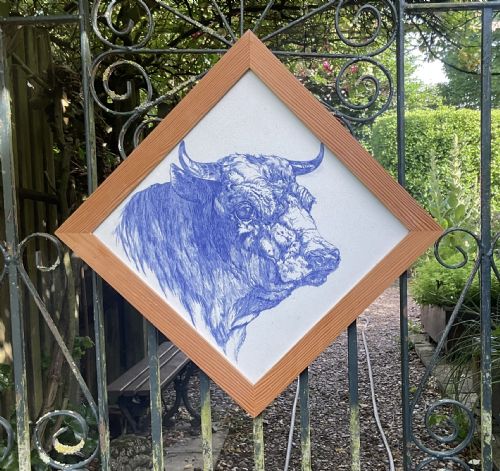
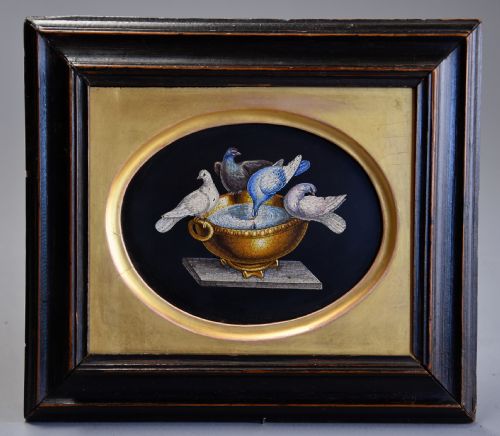
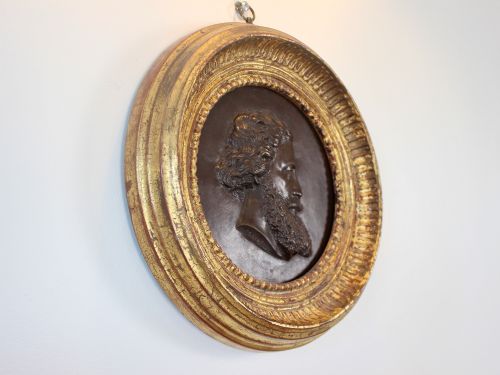


Framed Wall Plaque
When you search for a framed wall plaque, you are looking at decorative panels mounted for display, spanning centuries of craftsmanship.
Framed Wall Plaque
A framed wall plaque is a decorative panel designed for suspension, bringing miniature artistry directly to vertical spaces. These pieces combine central artistic plaques with purpose-built surrounds to create complete decorative statements.
You will most frequently encounter 19th-century examples on this page, alongside work from the 18th and early 20th centuries. The forms range from hand-painted porcelain and enamel to carved stone, plaster relief, and intricate metalwork.
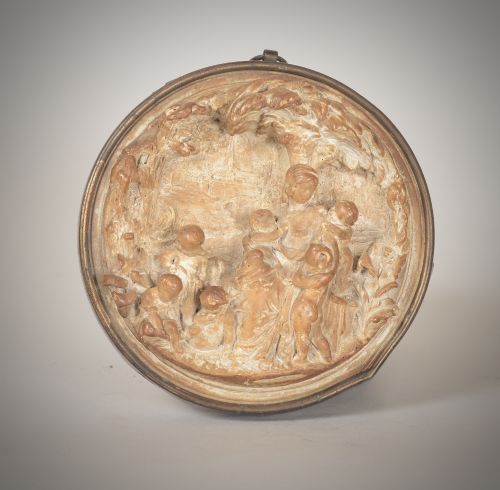
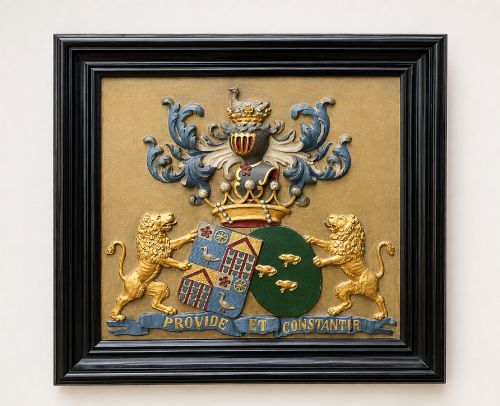
Origins stretch across Britain, continental Europe, and East Asia, reflecting diverse interior tastes from Grand Tour souvenirs to domestic advertising and commemoration. Whether shaped as roundels, rectangular panels, or heraldic shields, each item functions as portable art.
How they were made
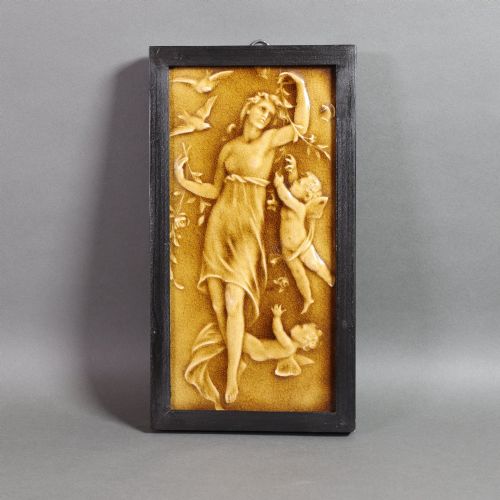
Makers utilised ceramic and vitreous techniques, firing porcelain and enamel at high temperatures to achieve permanent polychrome detail and rich glazes. Other pieces rely on metalworking, casting bronze, copper, and brass into relief panels or stamping thin sheets for wall signs.
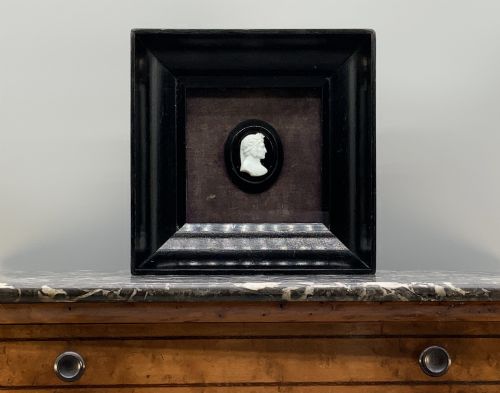
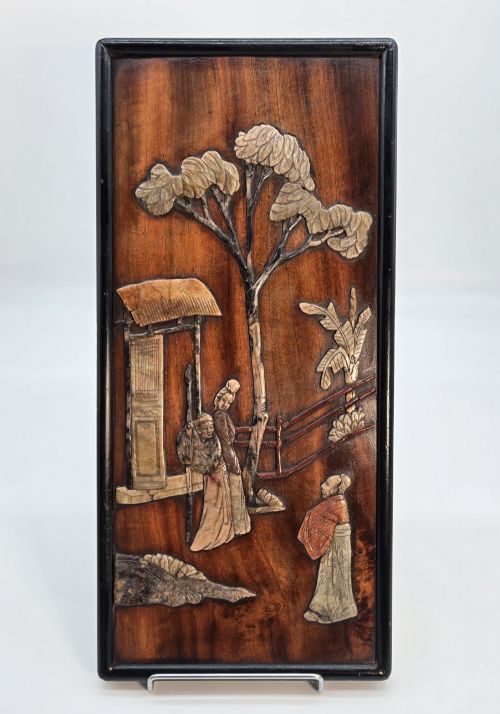
Organic and mineral materials required specialist carving and inlay methods, seen in pietra dura stonework, micro-mosaics, mother-of-pearl assemblage, and carved ivory. Woodwork is integral, utilising ebonised frames, oak surrounds, and lacquered wood supports.
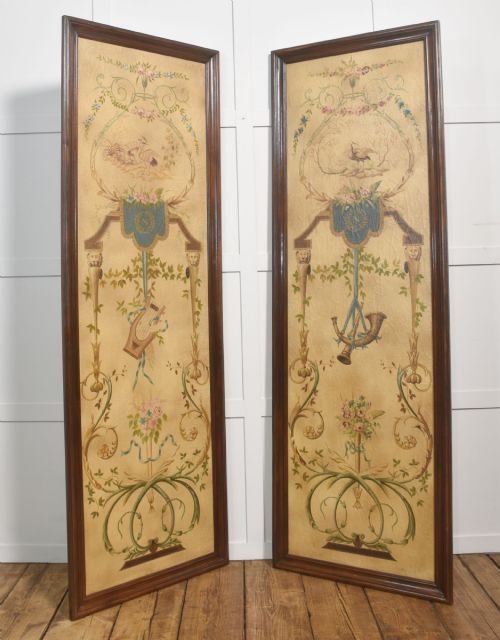
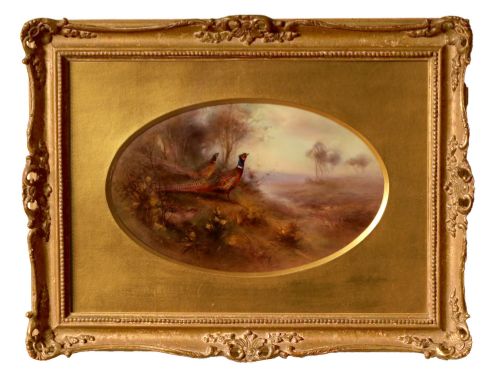
Mounting techniques varied by period, securing delicate plaster, porcelain, and metal plaques within protective wooden, giltwood, or metal frames often lined with velvet or contrasting backdrops.
Listings span periods from the 18th century through the 1930s, encompassing Neoclassical, Victorian, and Arts and Crafts styles.
What varies in quality
The standard of execution in the central medium dictates overall quality, separating master painting or crisp relief casting from hurried commercial production. Precision in hand-painted porcelain details or micromosaic tesserae reveals the artisan's direct skill.
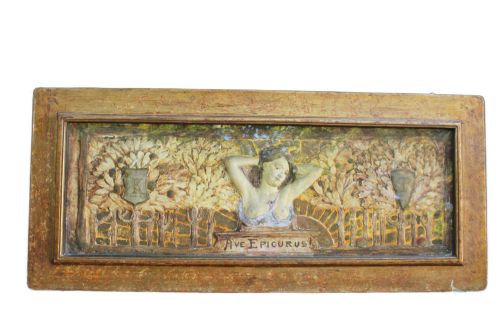
The quality and integration of the frame matter immensely, as inferior pieces utilise mismatched secondary surrounds while superior examples pair bespoke frames specifically designed for the plaque. Original matching enclosures enhance the artistic coherence.
Materials themselves establish distinct tiers, distinguishing genuine hand-carved stone, fine enamels, and precious metals from moulded plaster or mass-produced printed metal signs.
James Stinton·Icilio Federico Joni·Mintons·Royal Worcester
The Framed Wall Plaque Glossary
- Pietra dura
- An artistic technique using cut and fitted polished coloured stones to create pietistic or pictorial images. It appears frequently in Italian panels.
- Micromosaic
- A method of creating detailed miniature pictures using tiny glass tesserae fused together. These require immense patience and precision.
- Limoges enamel
- Glass painted or fused over a metal base, originating from the French city of Limoges. These pieces show deep translucent colour.
- Heraldic marriage plaque
- A decorative panel displaying combined family coats of arms to commemorate a union. They often record specific historical names and dates.
- Grand tour
- A cultural journey undertaken by wealthy young Europeans visiting continental art centres. Souvenirs included classical portrait plaques and micromosaics.
- Repoussé
- A metalworking technique where a malleable metal is hammered from the reverse side to form a raised design. It defines many copper and bronze relief plaques.
Framed Wall Plaque: Frequently Asked Questions
What materials are common?
The listings feature a diverse array of foundational materials, predominantly porcelain, enamel, copper, bronze, and wood. Many incorporate decorative elements made from mother-of-pearl, abalone, plaster, and carved stone.
Frames utilise matching timber, giltwood, and ebonised finishes to house these varied artistic mediums securely.
How were these displayed?
These pieces were created specifically for interior wall display in domestic or institutional settings. They allowed owners to exhibit miniature artworks, commemorative events, or decorative panels without requiring large canvas spaces.
Many included integrated hanging loops or were set within substantial frames suited for prominent parlor placement.
How do I date a piece?
Dating relies on stylistic clues, framing techniques, and recorded signatures or dates found on the face or reverse of the plaque. Arts and Crafts items often display distinct lettering and motifs from around nineteen hundred.
Earlier examples from the eighteenth century utilise specific enamel and framing characteristics common to Staffordshire production.
Are frames usually original?
Many items retain their original period frames, such as ebonised wood or carved oak surrounds fitted specifically to the plaque. Certain pieces demonstrate integrated mounting where the frame and panel function as a single designed object.
Checking the fit and backing materials helps determine whether the enclosure belongs historically to the central plaque.