




Antique Wall Display
When choosing an antique wall display, you are selecting a historic mounting piece designed to hold cherished items safely off the floor.
Antique Wall Display
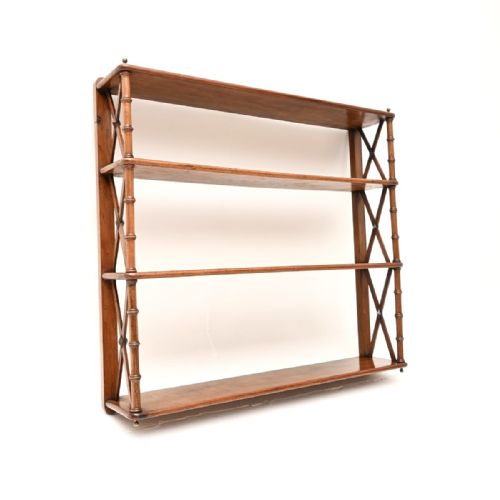
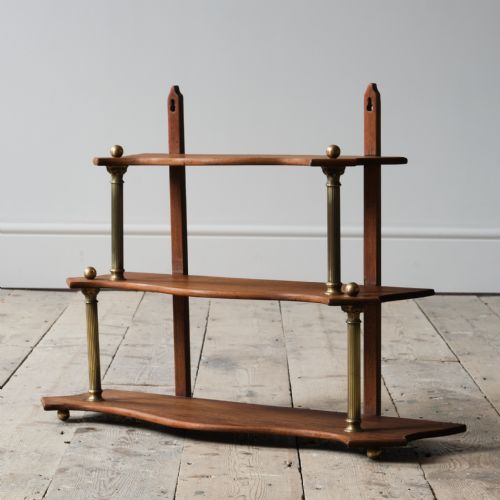
The search for an antique wall display encompasses a diverse group of mounted furniture and decorative items engineered to exhibit objects within living spaces. These range from open wooden shelving units and multi-tiered whatnots to glazed hanging cabinets and dedicated plate racks designed for domestic interiors.
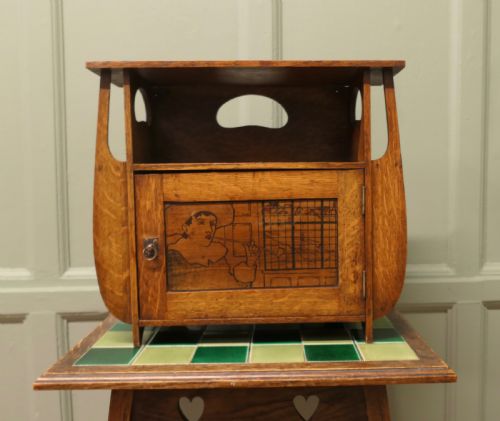
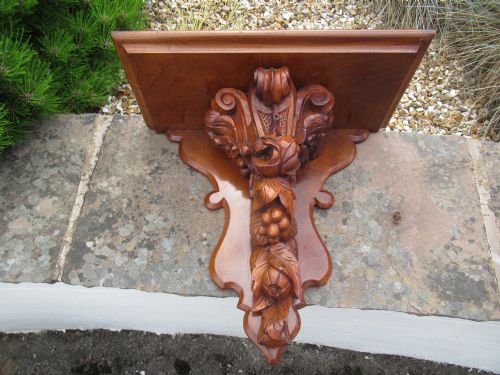
On this page, buyers frequently encounter mahogany and oak hanging shelves from the Georgian and Victorian periods, alongside glazed wall cupboards and decorative display brackets. These items reflect centuries of British and continental craftsmanship aimed at maximising wall space for storage and presentation.
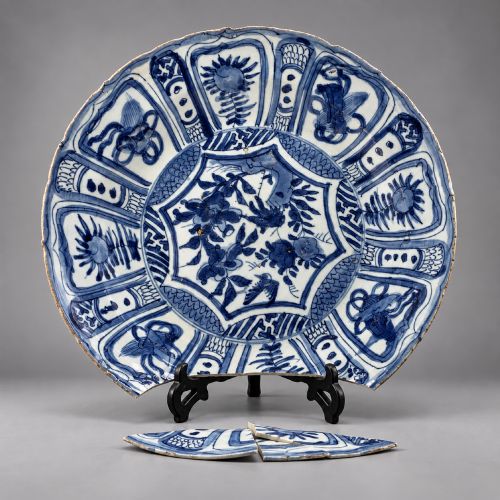
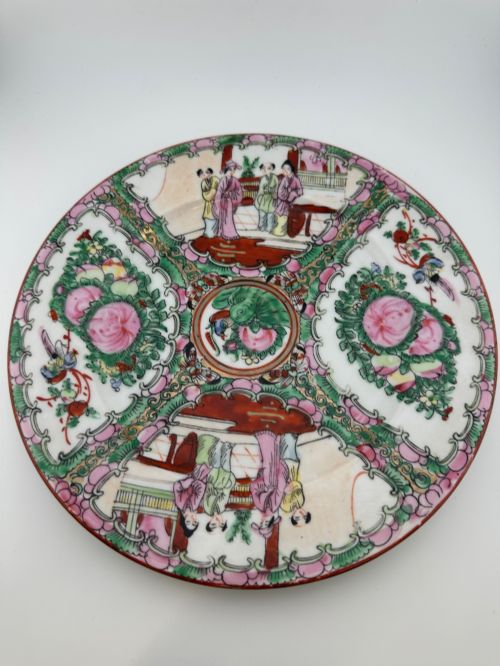
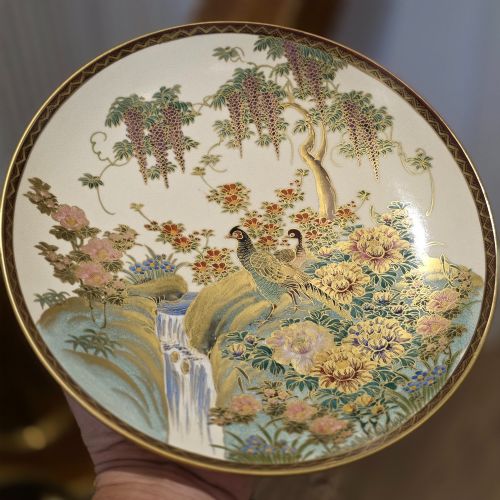
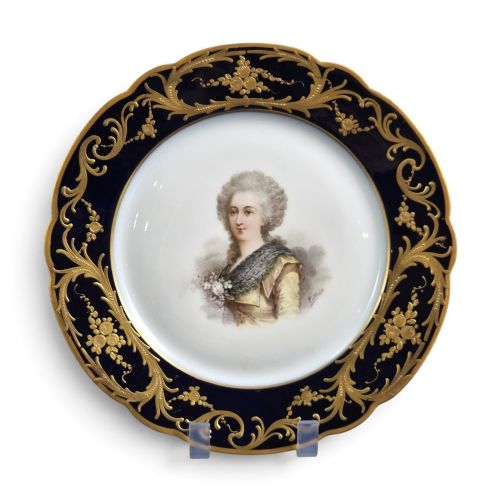
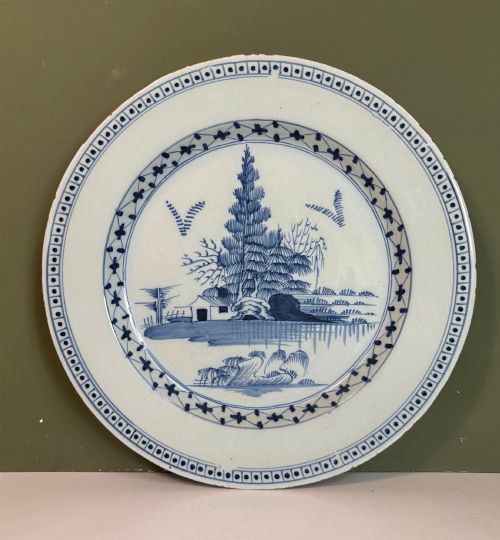
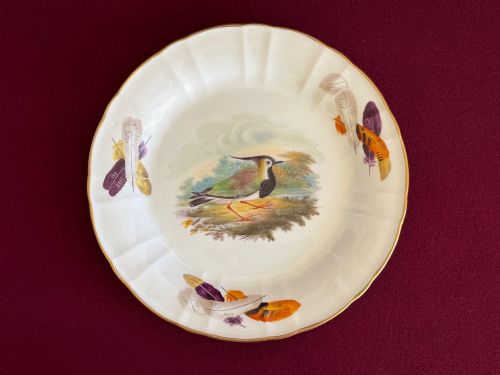
The selection also includes specialised display formats such as corner cupboards, decorative chargers, and architectural wall brackets designed to showcase porcelain or small curiosities. Each form demonstrates how past generations utilised vertical surfaces to organise and decorate their homes.
Factors That Determine Quality
The hierarchy of quality rests on the selection of timber grain, the crispness of hand-carved ornamentation, and the originality of the structural components. Pieces featuring coherent period brassware and undisturbed timber patination command greater appreciation than those with replaced fixings or heavily restored surfaces.
Construction methods also dictate worth, as evidenced by cleanly cut dovetails on drawer boxes and properly fitted glazing bars within cabinet doors. Superior examples display balanced proportions and thoughtful joinery that secure the weight of the display securely to the wall.
Past inventories include a wall case containing seventy-seven Victorian taxidermy glass eyes, proving collectors frame the most unusual curiosities.
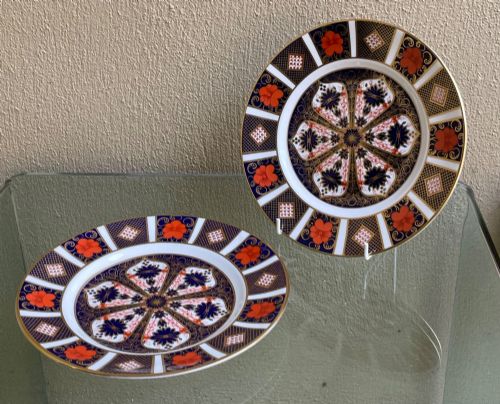
Royal Crown Derby·Wedgwood·Spode·Meissen·Sèvres
The Antique Wall Display Glossary
- Whatnot
- A set of open shelves standing on multiple tiers, designed for displaying small ornaments and books. These units are frequently adapted for wall mounting in Victorian and Edwardian interiors.
- Charger
- A large decorative plate intended for display on a wall or sideboard rather than for dining use. These items often feature elaborate painted patterns or metal repoussé work.
- Delt rack
- A wooden wall-mounted framework specifically built to hold plates upright in a kitchen or dining setting. Georgian examples typically feature grooved plate rails and sturdy oak construction.
- Marquetry
- The art of applying pieces of veneer to a structure to form decorative patterns and pictorial designs. Dutch examples from the eighteenth century frequently employ this technique on cabinet doors.
- Intaglio
- A design engraved into a material such as glass or stone so that the impression sinks below the surface. Framed pairs of these carved items appear frequently in nineteenth-century collections.
Antique Wall Display: Frequently Asked Questions
How do I hang a heavy antique cabinet safely?
Heavy wall-mounted cabinets require secure fastening directly into wall studs using appropriate steel brackets or structural screws. Professional installation ensures the vintage timber frame remains unwarped and safely bears the weight.
Older display cases often feature original brass mounting plates positioned on the back panels. Checking the soundness of these historic fixing points is essential before loading the shelves with porcelain or glass.
What is the difference between a whatnot and wall shelves?
A whatnot is a multi-tiered shelving structure originally intended for displaying small decorative objects and knick-knacks. Wall shelves typically refer to simpler horizontal board arrangements fixed directly against vertical surfaces.
Both forms became popular during the nineteenth century for organising domestic spaces. Wall-mounted versions save floor area while keeping collections visible at eye level.
Were delft plate racks meant for kitchens?
Historic plate racks were functional fixtures designed primarily for utilitarian kitchens and pantries to air-dry and store earthenware. Georgian and eighteenth-century examples utilised sturdy oak to withstand daily domestic service.
Over time, these practical wooden racks transitioned into decorative display furniture. Homeowners today use them to exhibit antique ceramic chargers and cabinet plates.
How do I date a mahogany wall shelf?
Dating mahogany furniture involves examining the tool marks, timber colour, and joinery techniques visible on the reverse and interior surfaces. Georgian pieces often display hand-cut dovetails and deep, rich patination acquired over centuries.
Victorian and Edwardian iterations frequently incorporate machine-sawn elements alongside heavier carved decoration. Comparing the wood density and style of brackets helps pinpoint the manufacturing era.