



Framed Cameo Medallions
Framed cameo medallions bring classical antiquity and grand tour elegance directly to your walls.
Framed Cameo Medallions
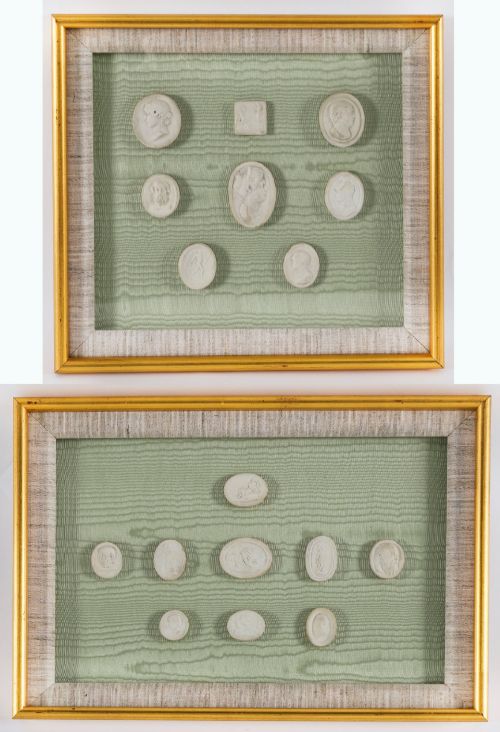
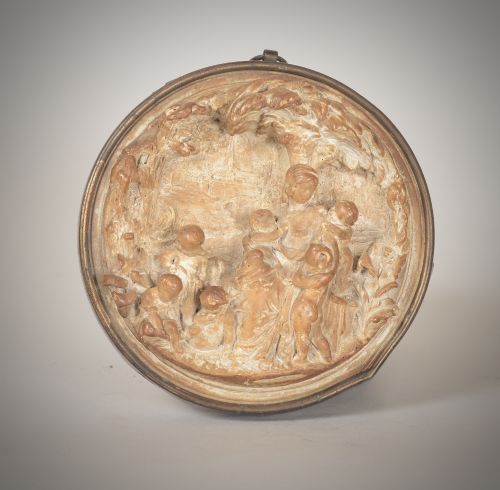
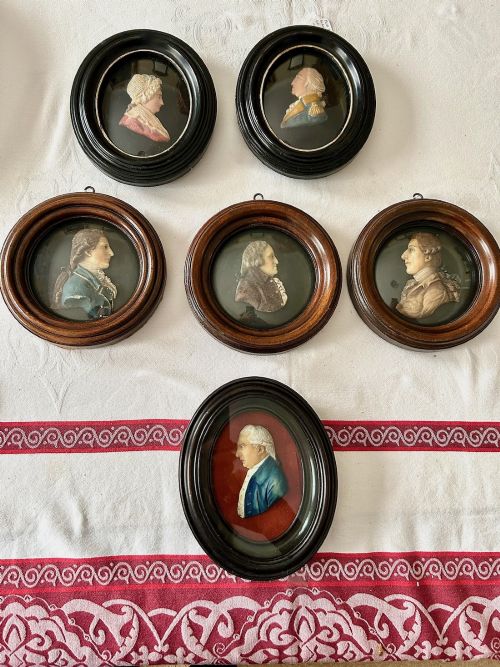
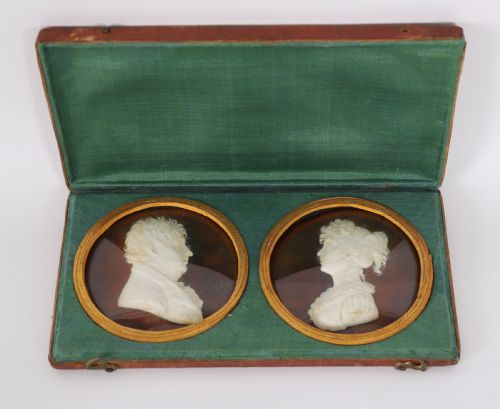
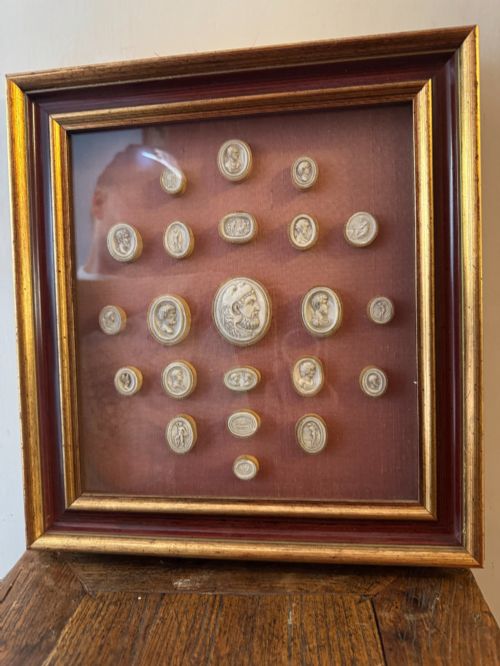
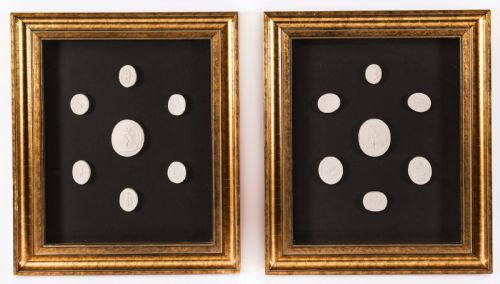
Framed cameo medallions comprise relief profile portraits and classical intaglios mounted behind glass within timber or giltwood frames. When you search for framed cameo medallions, you encounter wall plaques, framed art, and portrait miniatures originating from the eighteenth and nineteenth centuries.
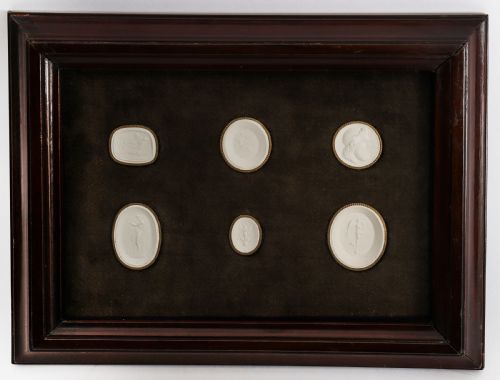
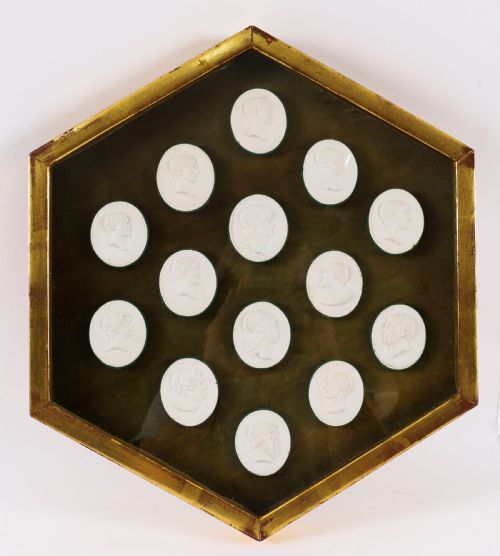
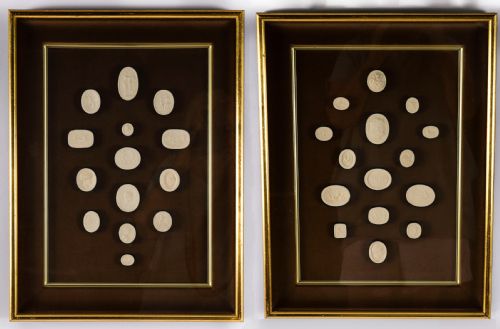
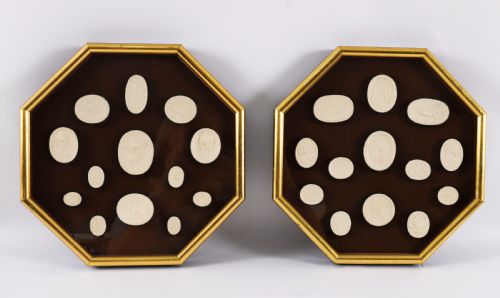
The pieces on this page lean heavily towards Grand Tour souvenirs collected by travellers journeying through Italy. They typically present plaster, wax, glass paste, gypsum, or carved marble profiles arranged singly, in pairs, or in extensive collections within box frames.
Neoclassical and Georgian aesthetics dominate these groupings, reflecting a profound historical fascination with Roman emperors, dignitaries, and classical mythology. Makers such as Giovanni Liberotti, Pietro Bracci, and James Tassie produced or supplied these casts for discerning collectors.
How they were made
Plaster, wax, and glass paste serve as the primary mediums for casting classical intaglios and relief portraits. Workshops poured or pressed these materials into moulds taken from ancient gems and sculpted marbles, capturing minute details of classical subjects.
Makers set these delicate casts against backdrops of velvet or fabric to accentuate the crisp white or coloured profiles. Gilt wood, brass, and standard wood frames finished with gold leaf then enclosed the compositions, frequently under protective glass.
Listings feature 19th Century, Edwardian, Victorian, and 18th Century periods alongside materials such as plaster, glass, velvet, gilt wood, and gold leaf.
What varies in quality
The sophistication of the mounting and framing elevates certain pieces above standard souvenirs. Elaborate giltwood frames, matched sets by named modellers, and well-preserved velvet or fabric backings distinguish the finest examples.
Giovanni Liberotti·Pietro Bracci·James Tassie
The Framed Cameo Medallions Glossary
- Intaglio
- A gem or medallion carved with a design depressed below the surface. This technique allows impressions to be stamped into wax or other soft substances.
- Grand Tour
- A cultural journey of Europe undertaken by wealthy young men during the eighteenth and nineteenth centuries. Souvenirs included plaster casts and carved marble reliefs.
- Jasperware
- A type of fine stoneware developed by Josiah Wedgwood featuring a matte surface. It typically displays white neoclassical relief figures against a coloured background.
- Gypsum
- A soft sulphate mineral used to create plaster casts. Makers utilised it extensively for producing durable relief medallions.
- Glass paste
- A vitreous material melted and pressed into moulds to imitate carved gems. It allowed makers to replicate antique cameos with colourful translucency.
Framed Cameo Medallions: Frequently Asked Questions
What are framed cameo medallions?
These pieces are historical relief portraits, intaglios, and profile casts mounted inside decorative frames for wall display. They capture classical art forms originating predominantly from the eighteenth and nineteenth centuries.
Travellers collected them as souvenirs of European journeys, preserving miniature classical sculptures within wood, brass, or giltwood borders.
How were grand tour medallions used?
Grand tour medallions served primarily as educational and decorative wall art in nineteenth-century homes. They demonstrated the owner's classical learning and refined cultural taste.
Collectors displayed them singly or arranged in extensive framed sets to showcase comprehensive collections of Roman emperors and mythological figures.
How do I care for framed wax portraits?
Framed wax portraits require protection from direct sunlight and elevated temperatures to prevent softening or melting. Keeping them behind sealed glass preserves the delicate material from dust and atmospheric moisture.
Display these pieces on interior walls away from heat sources and maintain a stable room environment.
How can I tell nineteenth-century pieces apart?
Distinguishing nineteenth-century pieces involves examining the framing materials, the backing fabrics, and the medium of the cast itself. Plaster, gypsum, and wax casts often reflect the specific production methods of prominent modellers of the era.
Early nineteenth-century examples frequently bear the distinct characteristics of Grand Tour workshops, utilising velvet linings and giltwood frames.