






Regency Era Wall Art
Regency era wall art brings the distinct portraiture, landscapes, and engravings of the early nineteenth century into modern rooms.
Regency Era Wall Art
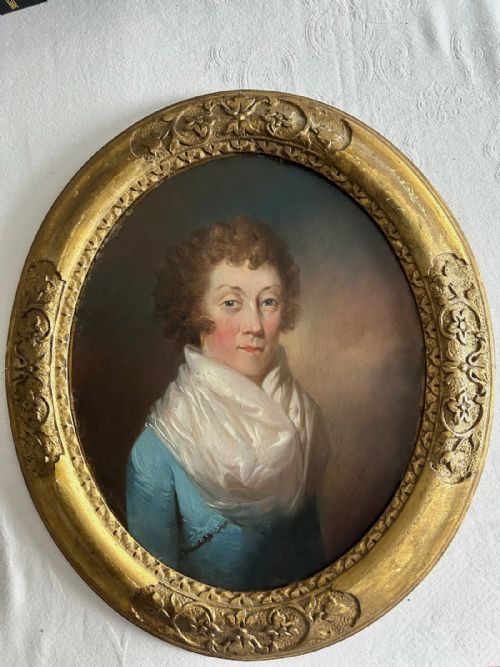
Regency era wall art encompasses oil paintings, watercolours, pastels, drawings, and prints produced across the Regency, Georgian, and early nineteenth century periods. These works capture subjects ranging from formal portraits and naval officers to rustic landscapes and architectural engravings like the Brighton Pavilion.
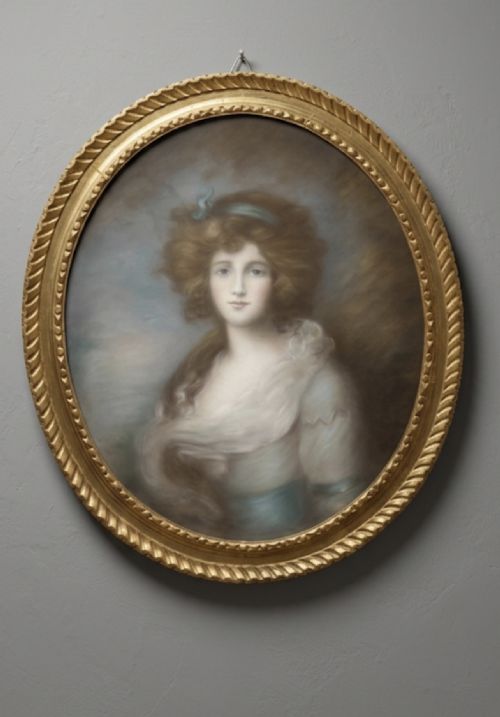
The pieces appearing most frequently on this page are framed oil paintings and watercolour portraits on paper, often depicting identifiable sitters or anonymous models from the era. Alongside these formal works, buyers encounter folk art, prints, and scrapbook pages featuring caricatures and armorials from the same timeframe.
Materials and Techniques
Makers utilised canvas, wood panels, and paper as substrates for oils, watercolours, pastels, gouache, and graphite. Frames often incorporate wood and giltwood, while select prints feature metal embellishments added to the clothing of depicted figures.
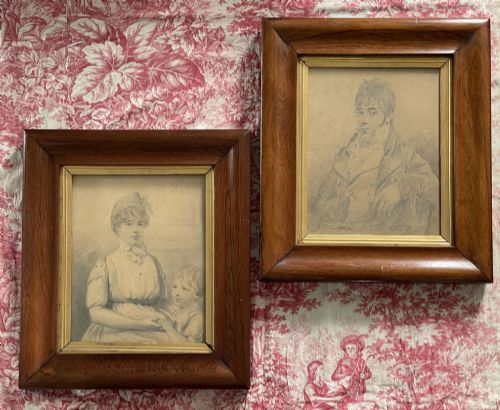
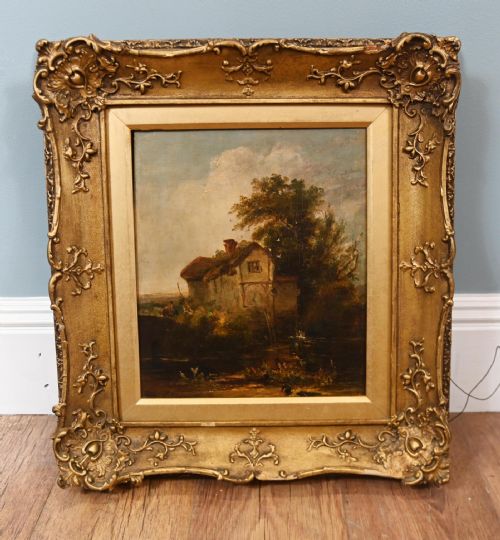
Paintings employ oil on canvas or wood panel, capturing fine details in portraiture and landscape work by artists associated with schools such as the Norwich School. Works on paper rely on watercolour, pastel, and graphite, occasionally finished with ink or presented as period engravings.
Regency Era Wall Art Retail Price Guide 2026
Typical asking prices for regency era wall art among the pieces listed under this phrase on Sellingantiques today, from the lower quarter to the upper quarter. They describe what is for sale here now, not the wider market.
The selection includes pieces dated across the eighteenth, nineteenth, and twentieth centuries, centred primarily on the Regency era.
Assessing Quality and Execution
Quality in these works rests upon the skill of the draughtsman or painter in rendering anatomy, expression, and light. Finer portraits display subtle tonal transitions in flesh and fabric, whereas primitive or folk art pieces prioritize bold outlines and direct charm over academic proportion.
The preservation of the paper, canvas, or wood panel dictates the visual strength of the piece. Works retaining their original pigments, stable grounds, and period frames demonstrate superior survival through the centuries.
SIR WILLIAM BEECHEY R.A·MARGARET SARAH CARPENTER·Thomas Gainsborough·Sir Thomas Lawrence·Nasmyth·John Opie·Henry Hoppner Meyer·John Russell
The Regency Era Wall Art Glossary
- Gouache
- An opaque watercolour paint that dries to a matte finish, frequently utilised in portrait miniatures and works on paper from this era to build solid areas of colour.
- Pastel
- A dry medium of powdered pigment bound into sticks, applied to paper to achieve soft skin tones and blended textures in nineteenth-century portraiture.
- Norwich School
- A regional movement of painters working in East Anglia during the nineteenth century, known for landscape works depicting local scenery and flatlands.
- Armorial
- A depiction of heraldic arms or coats of arms, often found in historical scrapbook pages and decorative illustrations from the Georgian and Regency periods.
- Engraving
- A printmaking technique where an image is incised into a metal plate, allowing multiple impressions on paper such as architectural views and published portraits.
Regency Era Wall Art: Frequently Asked Questions
What subjects appear in Regency era wall art?
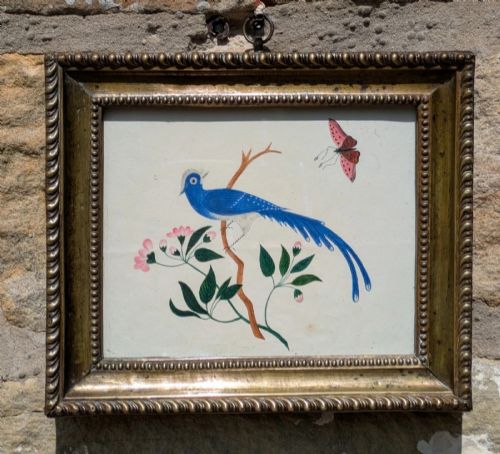
The subjects range from oil portraits of gentlemen and ladies to watercolours of birds and naval officers. Landscapes, rustic bothies, and architectural engravings also feature prominently.
Many works depict named individuals, while others portray anonymous sitters, children, or everyday domestic scenes from the early nineteenth century.
How do I date a piece of wall art?
Dating relies on costume, hair styling, framing methods, and signatures or inscriptions on the reverse of the canvas or panel. Reference to specific sitters or historical events provides a reliable timeline.
Paintings and prints often carry period dates or stylistic markers tied to the Regency and Georgian eras.
Are these works framed?
The majority of pieces arrive framed, often in period wooden or giltwood surrounds that complement the artwork. Frames vary from simple antique moulding to more decorative gilt designs.
Checking the fit and backing of the frame helps determine whether it is original to the artwork.
How do I care for antique watercolours and pastels?
Works on paper require protection from direct sunlight to prevent fading of watercolours and pastels. Glazing shields the delicate media from dust and atmospheric moisture.
Maintaining stable indoor humidity levels prevents the paper and framing materials from degrading over time.