


Georgian Female Oil Painting
A georgian female oil painting captures the elegance and character of women from the eighteenth and early nineteenth centuries through traditional portraiture.
Georgian Female Oil Painting
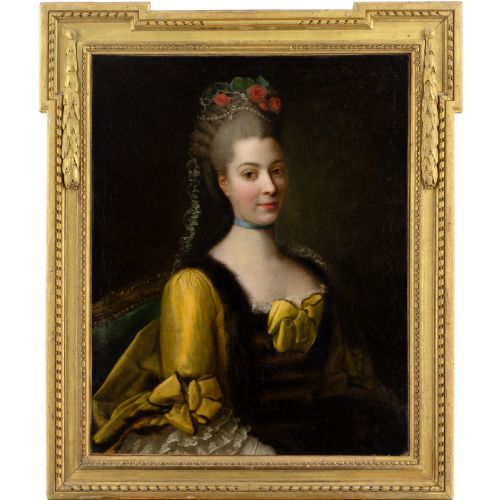
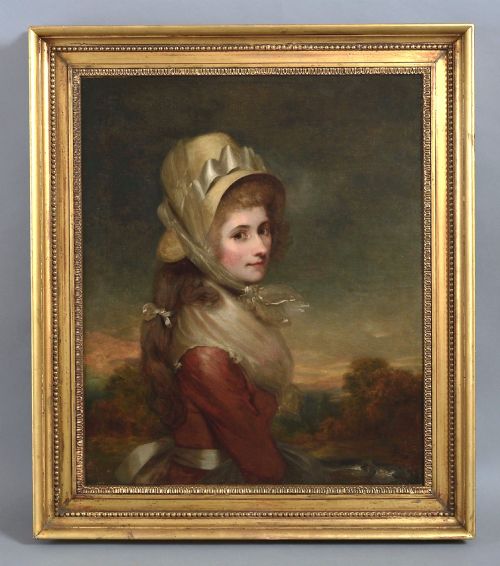
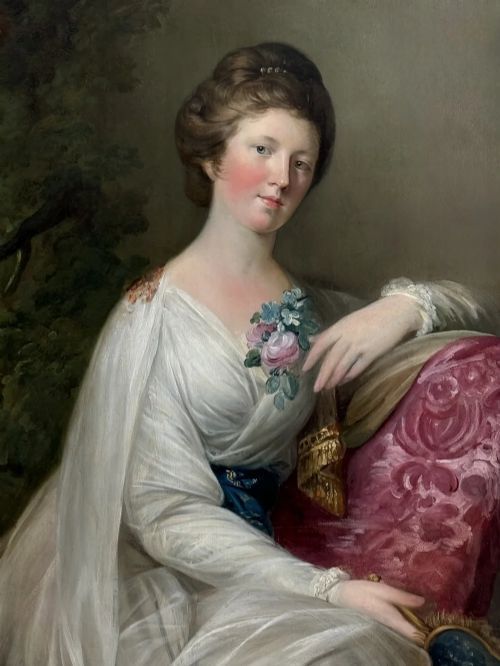
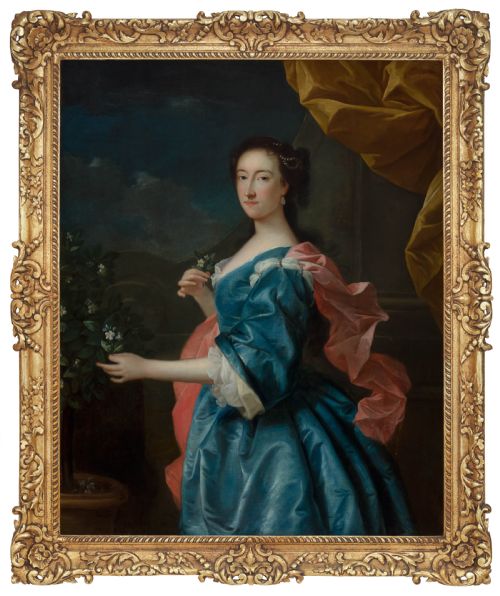
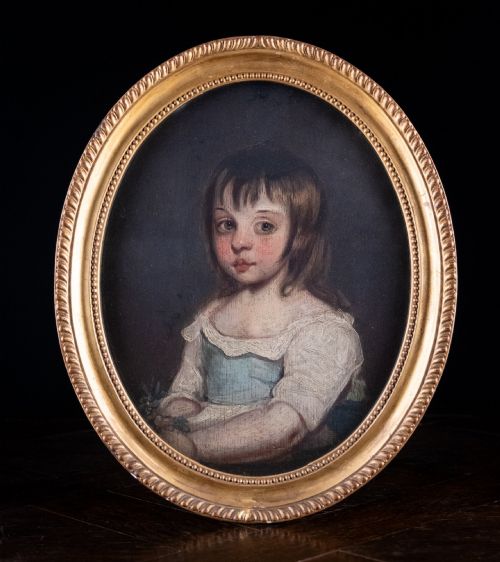
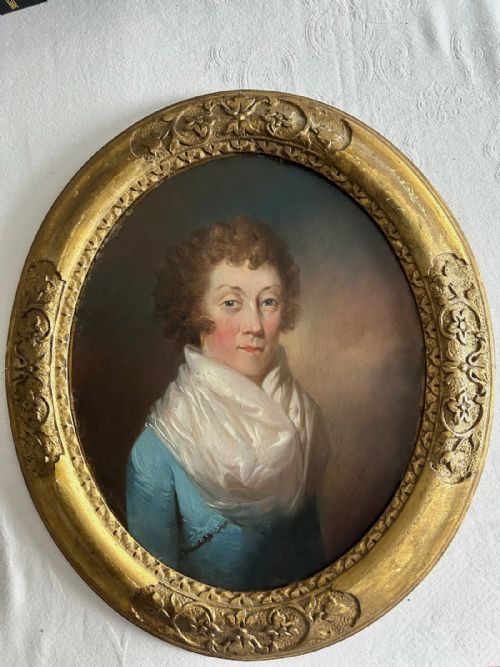
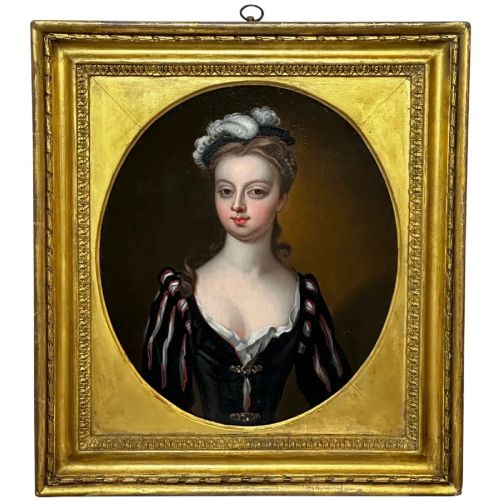
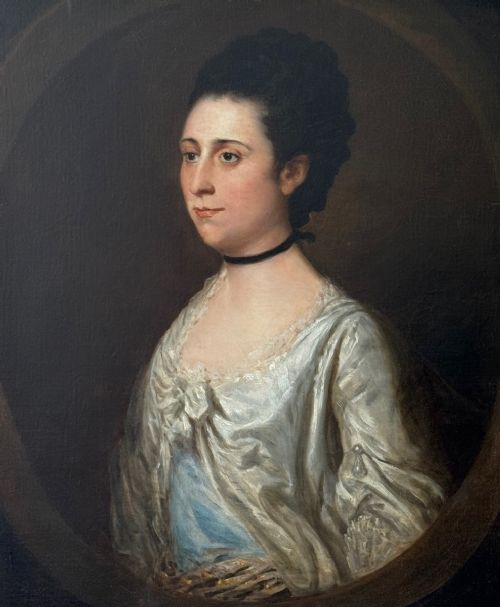
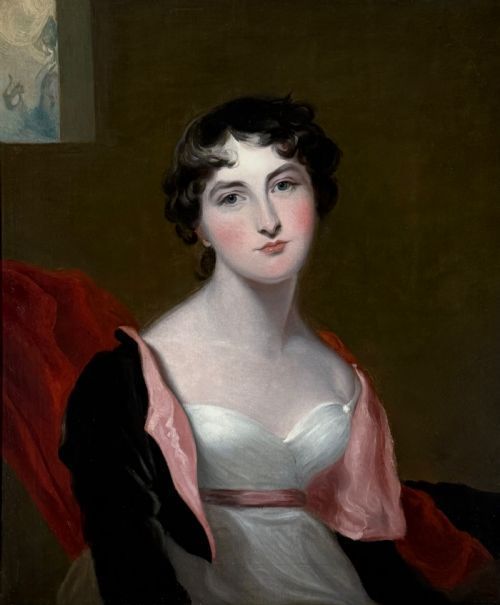
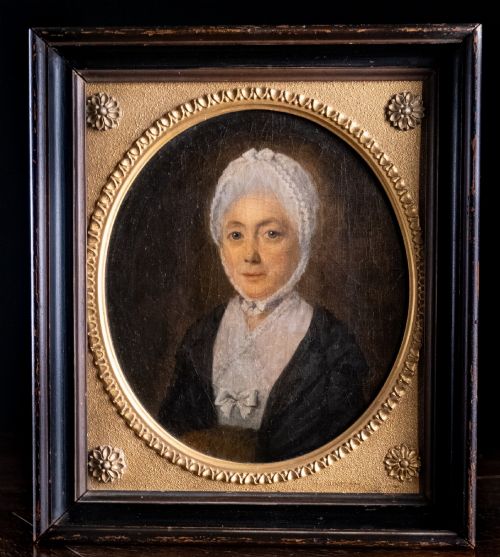
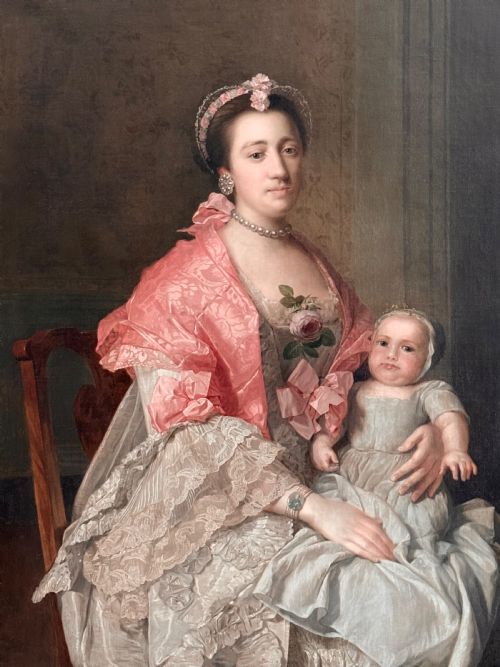
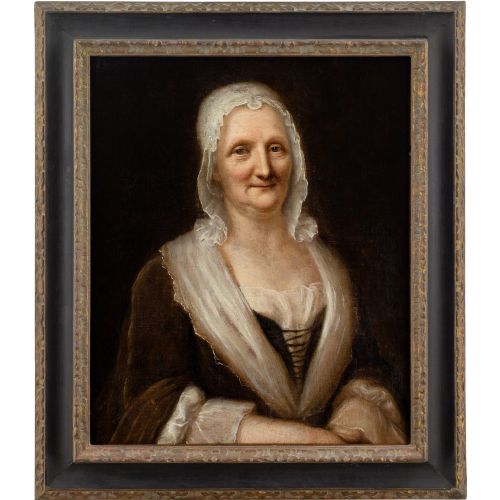
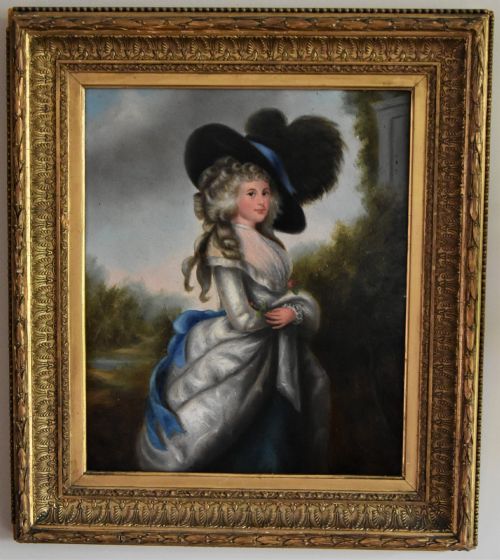
A georgian female oil painting typically depicts aristocratic ladies, young girls, or elegant sitters dressed in silk gowns, bonnets, or elaborate period attire. These works frequently emerge from the eighteenth century, the Regency era, or later revivals, reflecting the dominant portraiture conventions of British and European schools.
Buyers encounter everything from intimate shoulder-length studies to large-scale gallery canvases framed in gilded wood. Many examples represent sitters in landscapes or domestic interiors, often accompanied by symbolic elements such as orange trees or ribbons.
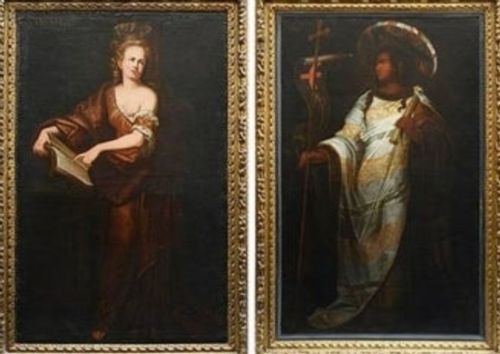
While several pieces originate from named artists or established studios, others survive as works by anonymous European or British school painters. The selection spans formal aristocratic commissions down to more modest portrayals of country girls and elegant females.
Materials and technique
These portraits rely primarily on oil paint applied to woven canvas stretched over wooden frames, though occasional examples utilise oil on board. Artists built up the composition through multiple layers of pigment, capturing the sheen of silk dresses and the texture of lace collars.
Original frames play a crucial role in presentation, constructed from wood and heavily finished with gold leaf, giltwood, or dark ebony moulding. The physical fabric of the canvas often bears the marks of age, including historic relining and fine craquelure across the painted surface.
Listings feature oil on canvas and oil on board works across the eighteenth century, Regency, and Victorian periods.
Assessing quality and execution
The prominence of the artist or studio significantly shapes the standing of a piece, with works by documented painters commanding greater attention than generic school pieces. Originality of surface condition, minimal restoration, and the presence of a period giltwood frame also distinguish finer canvases from heavily overworked examples.
Charles Jervas·George Willison·Jeremiah Davison·Thomas Beach·Sir Thomas Lawrence·Sir Allan Ramsay·John Opie·Henry Pickering·Louis William Desanges
The Georgian Female Oil Painting Glossary
- Craquelure
- The fine network of microscopic cracks that forms across the surface of old oil paint as the medium ages and hardens over decades. This natural phenomenon helps confirm the age of a canvas.
- Relining
- A conservation technique where a historical canvas is adhered to a fresh backing fabric to provide structural support. This process stabilises fragile or degraded material.
- Giltwood
- Timber carved and coated with a thin layer of gold leaf or metallic powder to create a bright, reflective surface. It frequently defines the decorative frames housing period portraits.
- Studio of
- A designation indicating a work produced under the direct supervision or within the workshop of a master artist. Such pieces closely follow the master's style and composition.
Georgian Female Oil Painting: Frequently Asked Questions
How do I date a Georgian portrait?
Dating relies heavily on the sitter's hairstyle, headwear, and costume details such as neckline cuts and dress silhouettes. Comparing these elements with documented fashion trends of the eighteenth and early nineteenth centuries narrows the period.
Material analysis of the canvas preparation and the style of the wooden stretcher frames also offer reliable chronological indicators. Expert attribution often links specific brushwork techniques to known active dates of particular painters.
Where should I hang an oil portrait?
These works require stable interior environments away from direct sunlight and excessive humidity to protect the delicate oil pigments and canvas support. Placing them on interior walls maintains the integrity of both the painting and its original giltwood frame.
Lighting should be gentle and indirect to prevent glare on the varnished surface while accentuating the fine details of the sitter's dress and expression. Traditional spaces benefit from pairing these portraits with period furniture or neutral wall colours.
What is the difference between school of and after an artist?
A painting attributed to the school of an artist indicates production by an anonymous hand working within that master's circle during the same general period. These pieces share stylistic traits and workshop techniques without necessarily being direct copies. By contrast, a work described as after an artist is typically a later copy executed by another hand following a famous original composition. Understanding these distinctions helps clarify the historical relationship between the canvas and the primary master.
How do I care for antique canvas paintings?
Maintenance involves keeping the surface free of dust using a soft, dry brush without applying any liquid cleaners or chemical agents. Professional conservators should handle any structural repairs, cleaning, or varnish removal to avoid damaging the historic pigment.
Monitoring indoor climate conditions prevents the wood stretcher and canvas from warping or developing tension fractures. Regular inspection of the rear of the frame ensures the canvas remains properly tensioned and secure.