
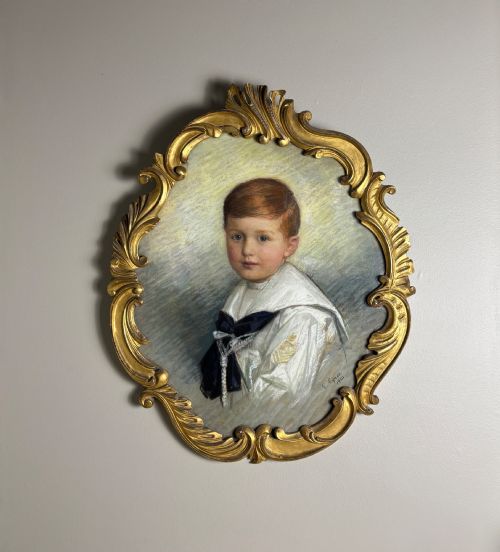


Rococo Framed Fine Art
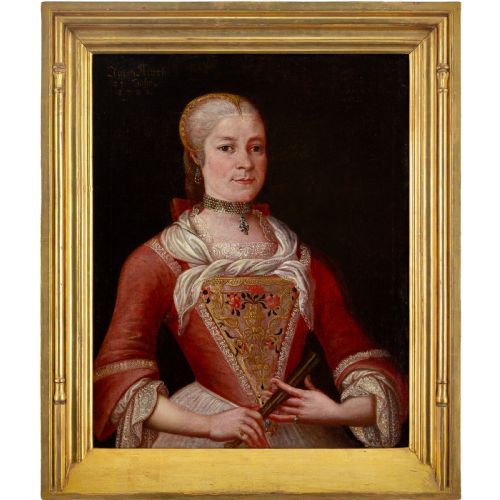
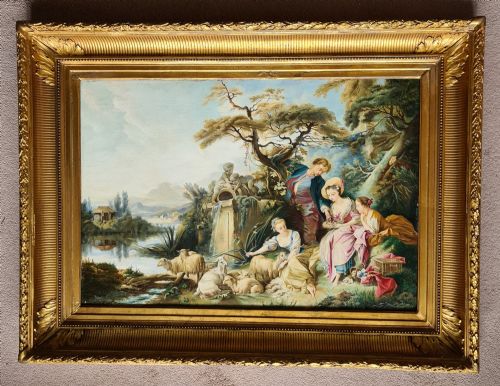
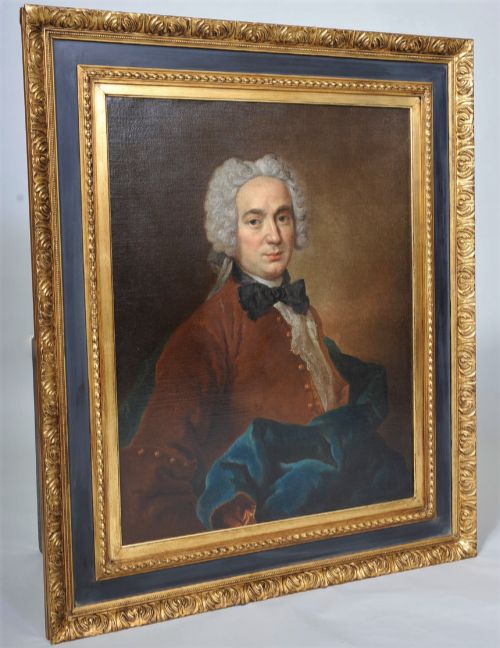
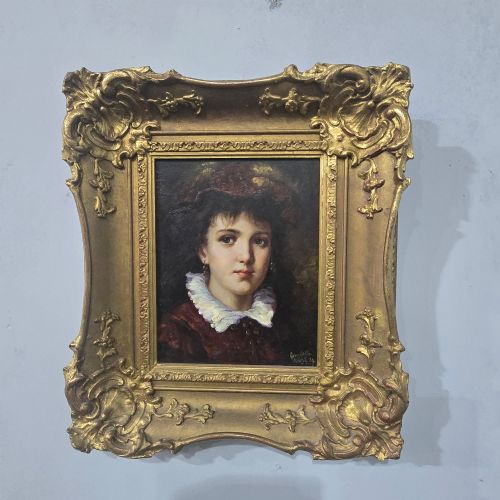
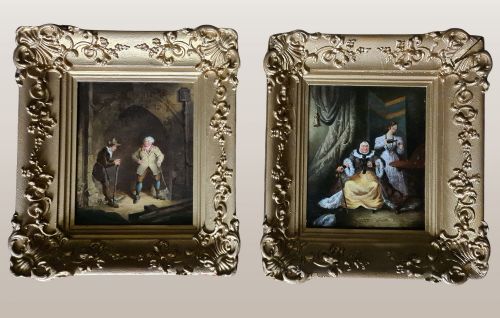
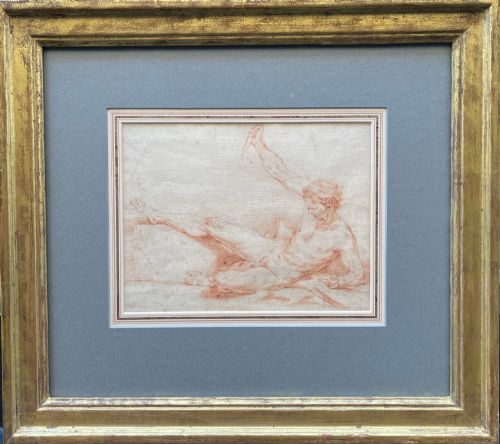
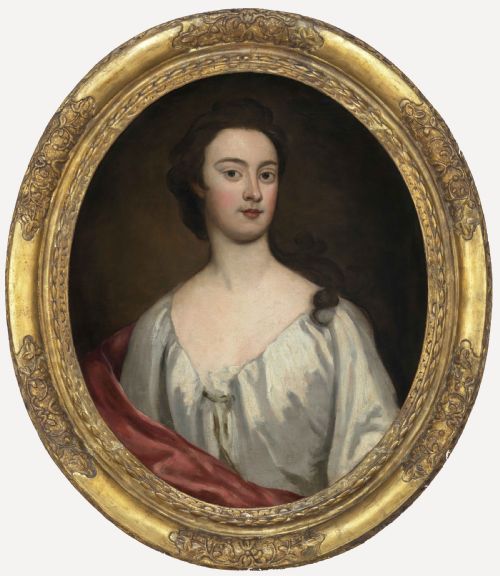
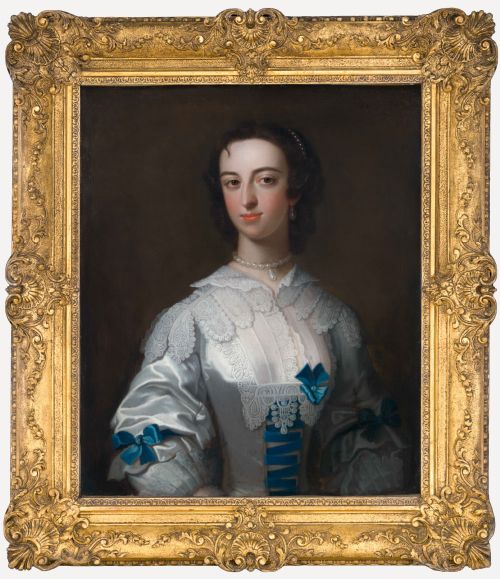
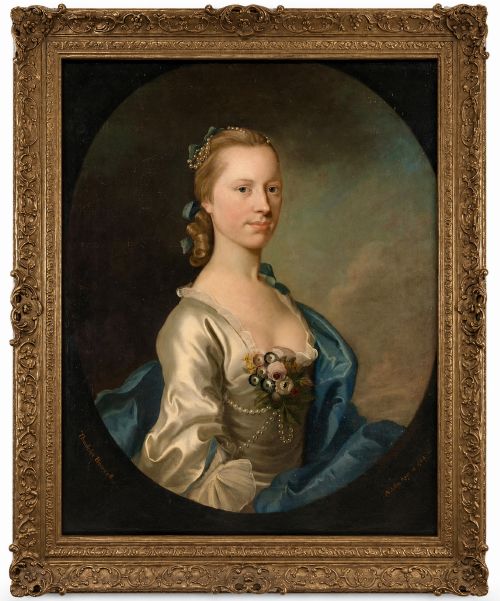
When you search for rococo framed fine art, you uncover period oil paintings and works on paper set within ornate, scroll-carved housings.
Rococo Framed Fine Art
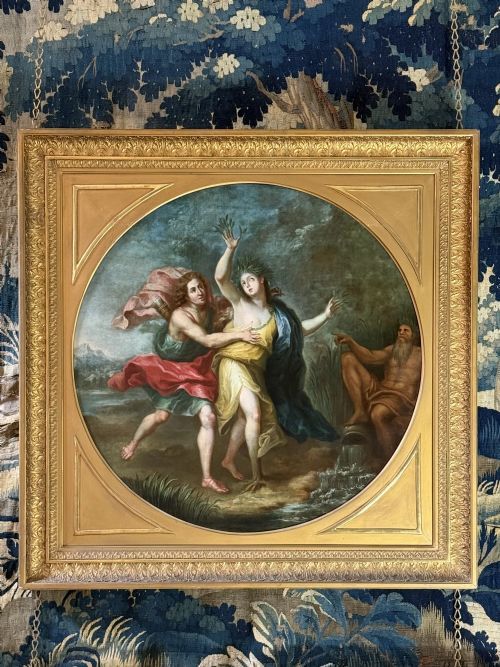
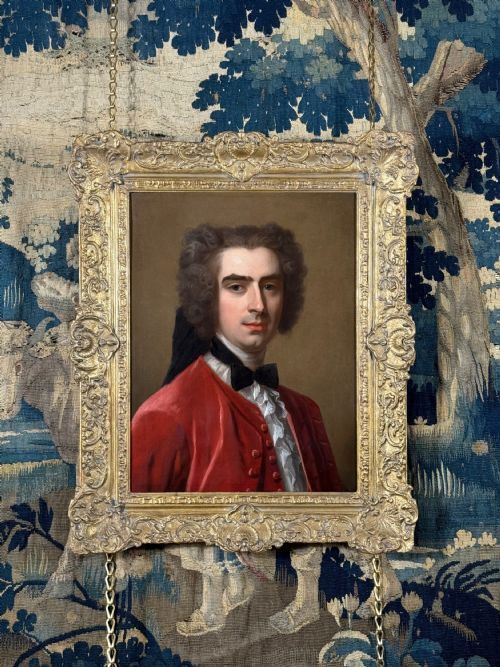
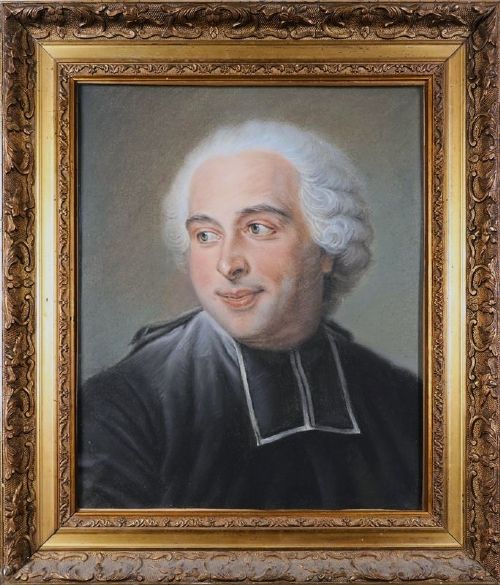
Rococo framed fine art encompasses oil paintings, pastels, and prints dating primarily from the eighteenth and nineteenth centuries, reflecting ornate continental and British aesthetic movements. Buyers searching for rococo framed fine art encounter portraits, classical mythology scenes, and pastoral works executed by European schools and individual artists.
The surviving pieces on this page lean heavily toward eighteenth-century portraiture and nineteenth-century revival interpretations. Canvases and panels frequently depict aristocratic subjects, children, and gentlemen captured in oil, housed in period-appropriate gilt surrounds.
How they were made
The artworks themselves rely upon traditional oil paint applied to canvas, wood panels, or paper supports, occasionally accompanied by pastel or needlework techniques. These pictorial surfaces are held within heavy wooden frames shaped with gesso and finished in gilding to create sweeping, asymmetrical scrollwork.
Carvers shaped the surrounds from timber before applying layers of gesso to build up the intricate floral and shell motifs characteristic of the style. Painters used layered oil pigments to achieve deep drapery tones and subtle skin textures on the portraits and historical scenes.
Listings feature oil on canvas paintings, pastels, and engravings created across the Georgian and Victorian periods.
What varies in quality
Quality rests upon the subtlety of the brushwork and the depth of the artistic attribution, moving from anonymous school pieces to signed works by known portraitists. Superior paintings display confident handling of textiles and facial expressions, rather than stiff, formulaic rendering.
The construction of the frame also dictates overall standard, separating hand-carved giltwood with crisp gesso details from later, simpler mouldings. Original period housings that retain their early gilding elevate the integrity of the entire piece.
Charles-Antoine Coypel·Jean-Baptiste Van Loo·Maurice Quentin de la Tour·Francois Boucher·Nicolas Fouché·Jean-baptiste Joseph Pater·John Simmons·Pierre Gobert·Christian Lindner·Louis Léopold Boilly·Philip Mercier·Nathaniel Hone·Arthur Pond·George Knapton
The Rococo Framed Fine Art Glossary
- Gesso
- A plaster mixture applied to wood frames as a base for carving and gilding. This material allows artisans to mould sharp decorative relief details.
- Giltwood
- Timber coated with gold leaf or gold paint. It provides the shimmering, reflective border typical of eighteenth-century frames.
- Oil on canvas
- Pigment suspended in drying oil applied to a woven fabric support. This medium dominates the historical paintings found in these listings.
- Pastel
- A dry medium consisting of powdered pigment and a binder formed into sticks. Artists used it on paper or canvas for soft-toned portraits.
- Rococo Revival
- A nineteenth-century artistic movement that recreated the elaborate scrolls and asymmetry of the earlier eighteenth-century style.
Rococo Framed Fine Art: Frequently Asked Questions
What periods do these artworks cover?
The listings span primarily from the eighteenth century through to the nineteenth century, capturing both original period pieces and later Victorian revivals.
You will also find occasional works extending into the early twentieth century that maintain traditional portrait and landscape subjects.
Are the frames original to the paintings?
Many pieces retain period giltwood or gesso frames that match the age and aesthetic of the artwork itself.
Some artworks have been paired with complementary frames from later centuries to preserve the canvas and enhance the visual presentation.
How do I care for an oil painting?
Keep oil paintings away from direct sunlight, high humidity, and rapid temperature fluctuations to prevent the canvas and paint from cracking.
Dust the surface and the carved frame gently with a soft, dry brush without applying liquid cleaners or pressure.
What subjects are most common?
Portraiture of aristocratic ladies, gentlemen, and children dominates the selection, reflecting the portrait-heavy output of the Georgian and Victorian eras.
Historical genre scenes, mythological narratives, and pastoral landscapes also appear frequently across the paintings and prints.