


Georgian Aristocratic Portrait Art
Georgian aristocratic portrait art captures elite likenesses through oil on canvas, mezzotint prints, and giltwood frames from the seventeenth to nineteenth centuries.
Georgian Aristocratic Portrait Art
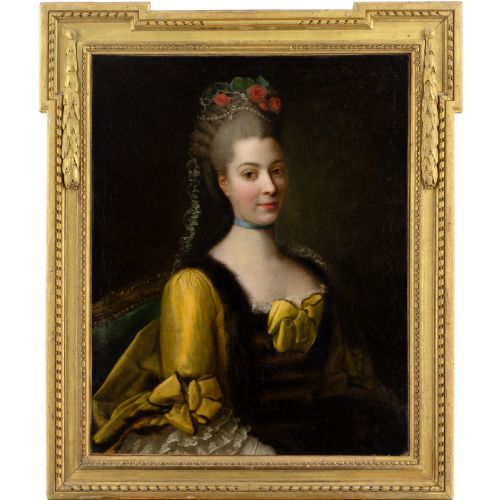
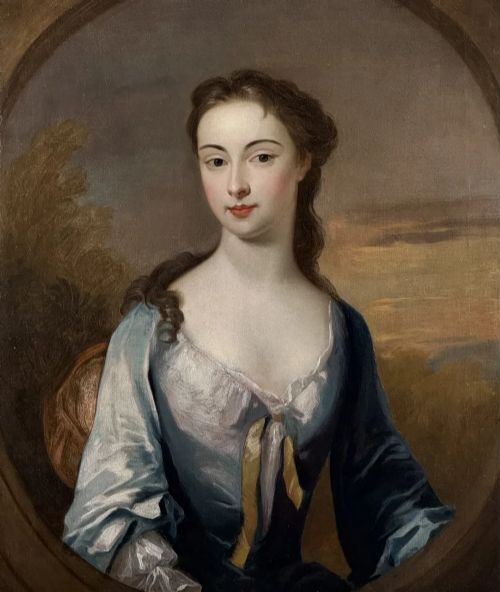
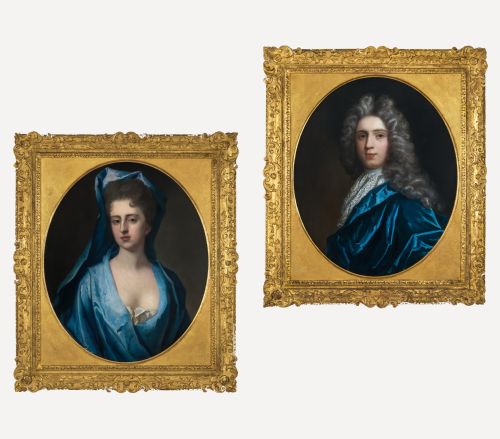
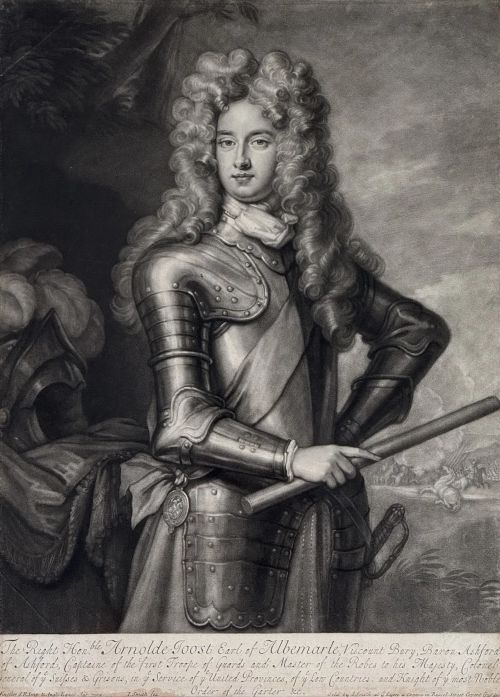
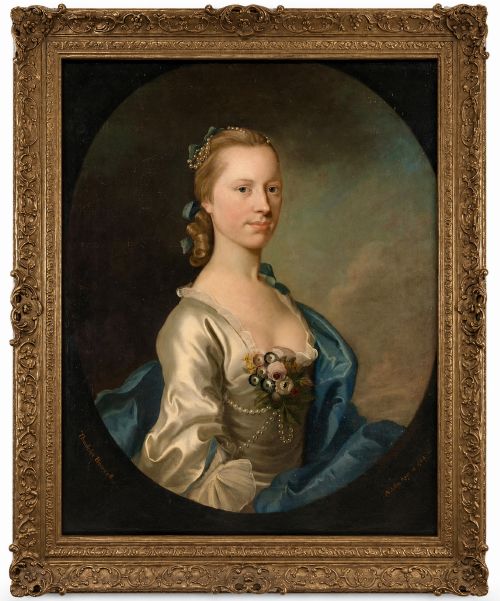
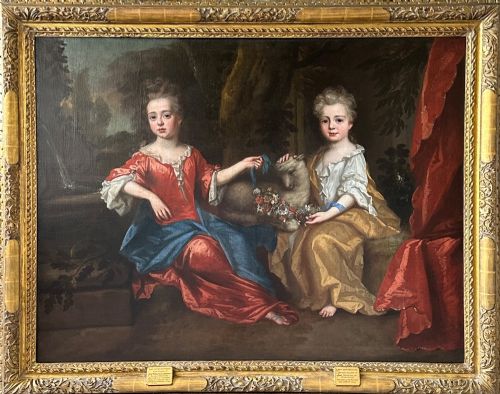
When searching for Georgian aristocratic portrait art, collectors encounter oil paintings and print works depicting nobility, lords, ladies, and gentry. The inventory draws heavily upon eighteenth-century canvases alongside seventeenth-century survivals and nineteenth-century interpretations.
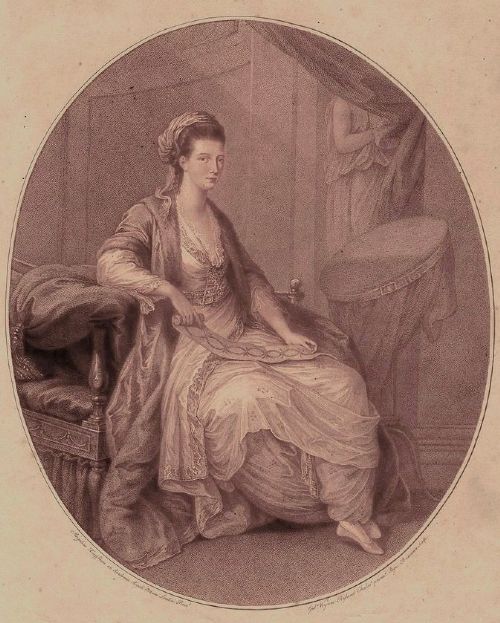
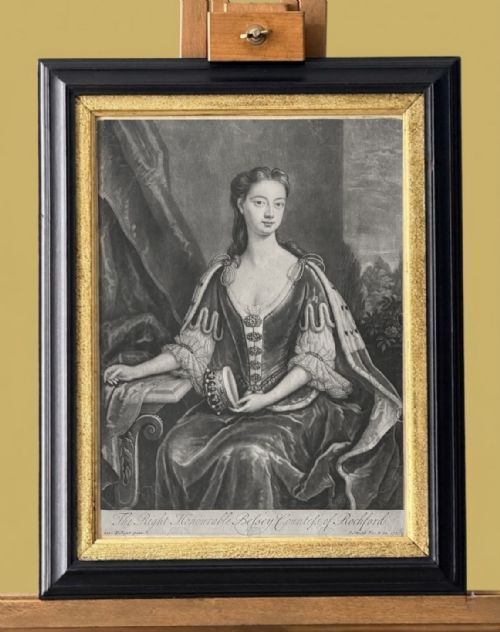
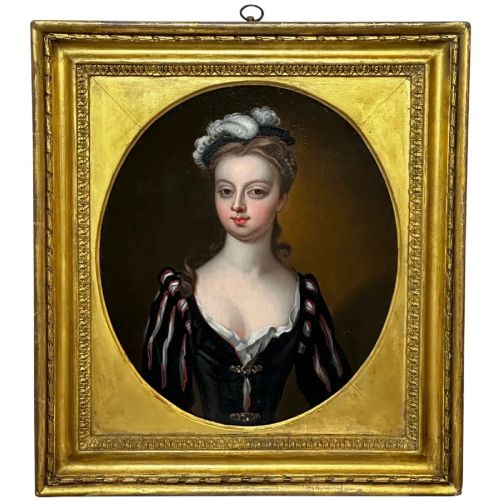
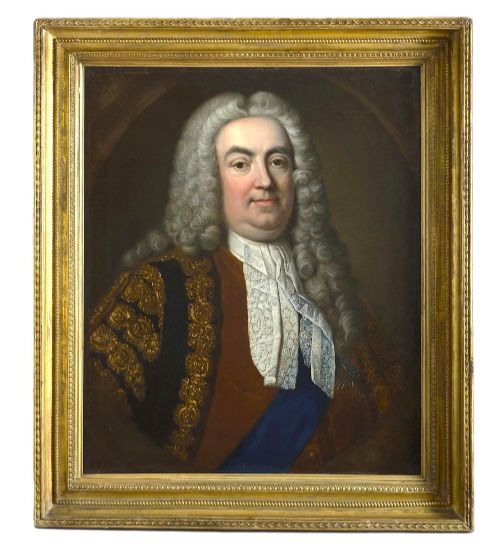
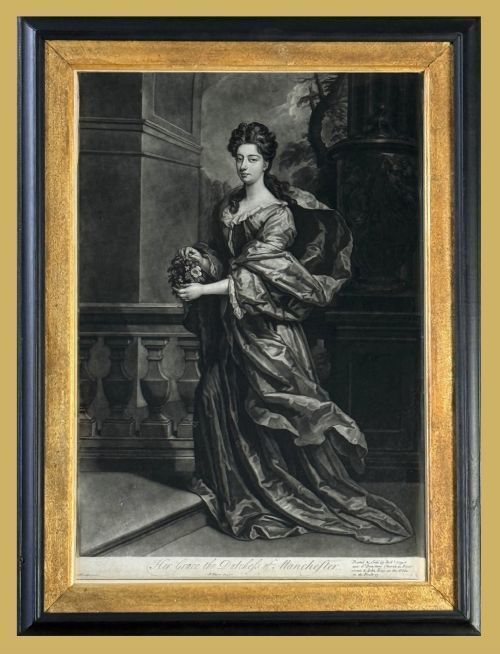
The dominant forms are oil paintings on canvas and paper portrait prints, framed within period surrounds. Subjects include named historical figures such as prime ministers, earls, duchesses, and baronets, often rendered by regional schools or circle members of notable portraitists.
Works span British Baroque, Regency, and French styles, reflecting the formal visual language of European high society. Buyers select these pieces to anchor period interiors with historical gravity and hand-rendered likenesses.
What varies in quality
Execution and attribution dictate the standing of a piece within the genre, moving from studio-led masterworks to provincial folk art interpretations. The subtlety of skin tones, textile rendering, and anatomical precision separate accomplished portraiture from formulaic output.
The integrity of the canvas, the preservation of the original pigment layer, and the matching period frame significantly influence the desirability of the work. Contemporary studio attributions or documented connections to known artists elevate a canvas above anonymous output.
Several young lords and future prime ministers gaze out from these canvases while clutching spinning tops and wearing velvet coats.
Charles Jervas·Michael Dahl·Thomas Murray·John Smith·Charles D Agar·John Vanderbank·Jean Baptiste Van Loo·John Faber Jr·Sir Godfrey Kneller·Allan Ramsay·James Maubert·Nicolas De Largillihre·Gainsborough·Enoch Seeman·Philip Mercier·Robert Byng·Bartholomeus van Burgindis·Joseph Highmore·George Dawe·Henry Wyatt·Thomas Hickey
The Georgian Aristocratic Portrait Art Glossary
- Mezzotint
- A printmaking process where the copper plate is roughened to achieve rich dark tones and subtle gradations of light. This technique was widely utilised for reproducing grand painted portraits in monochrome.
- Giltwood
- Wood carved and coated with gold leaf or metallic paint to create a luminous decorative surface. Frames made this way complement the rich palettes of oil paintings.
- Baroque
- An ornate artistic style characterised by drama, tension, and grand scale. In portraiture, this manifests in flowing drapery, dynamic poses, and dramatic lighting.
- Circle of
- A term used in attribution to denote an artist working closely alongside a master, sharing their exact style and palette. These works date from the same period as the named painter.
- Regency
- A period in British history defined by elegance and neoclassical influence in the arts. Portraits from this era display softer palettes and refined costume details.
Georgian Aristocratic Portrait Art: Frequently Asked Questions
What subjects appear in these portraits?
Subjects include named aristocrats, duchesses, earls, military commanders, and politicians from British and European nobility. Many sitters wear formal attire such as silk dresses, frock coats, or ermine-trimmed cloaks.
Artists recorded the lineage of prominent families through these likenesses, preserving the visage of figures like prime ministers and baronets for posterity.
How should I display these frames?
These artworks require stable wall environments away from direct sunlight and dramatic humidity shifts to protect the oil paint and canvas. Giltwood frames need gentle dusting with a dry cloth without chemical polishes.
Hung securely at eye level in primary reception rooms, these portraits establish a period atmosphere reminiscent of historic country houses.
What is the difference between an oil painting and a mezzotint?
Oil paintings are unique hand-rendered works utilising pigments suspended in oil on stretched canvas or panel. They show texture from brushstrokes and depth through layered glazes.
Mezzotints are printed works on paper created from engraved copper plates. They offer tonal depth in monochrome rather than the full colour palette of an oil canvas.
How do I identify the period of a portrait?
Period identification relies on costume design, hairstyle, wig styles, and framing materials. Baroque pieces feature elaborate drapery and formal wigs, while Regency examples show neoclassical simplicity.
Inscriptional evidence on the reverse of the canvas or historical attribution records also assist in dating the work accurately.