

Antique Female Portraiture
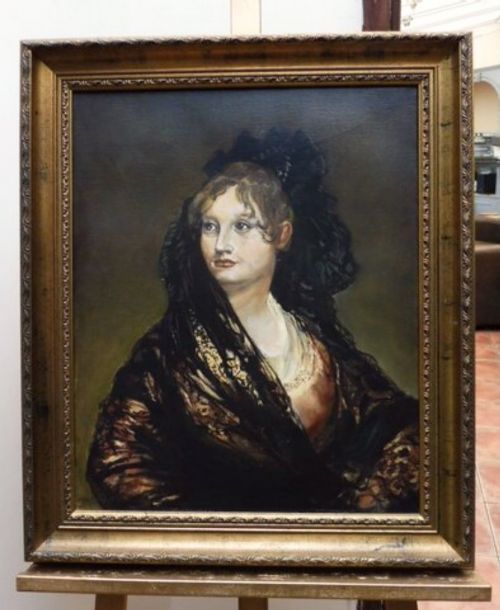
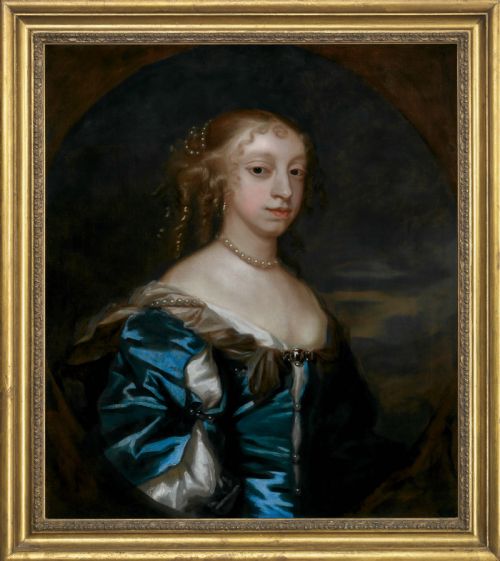
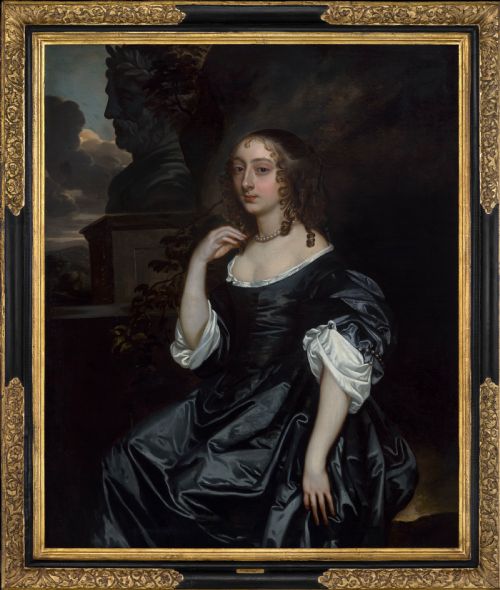
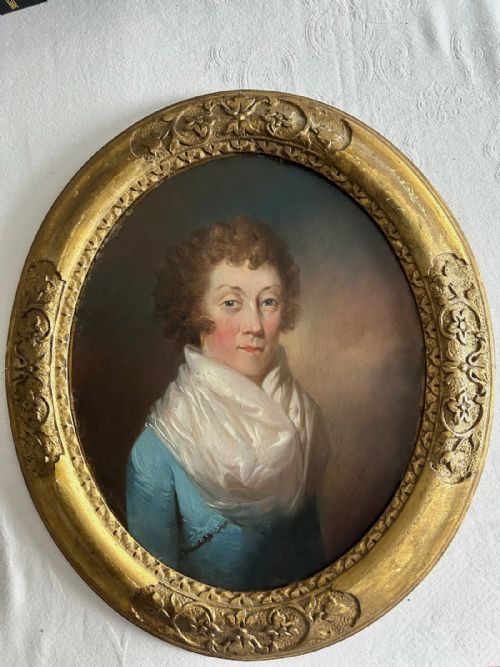
Antique female portraiture captures centuries of women on canvas, panel and paper, offering buyers a direct visual link to past lives through historic oil paintings and prints.
Antique Female Portraiture
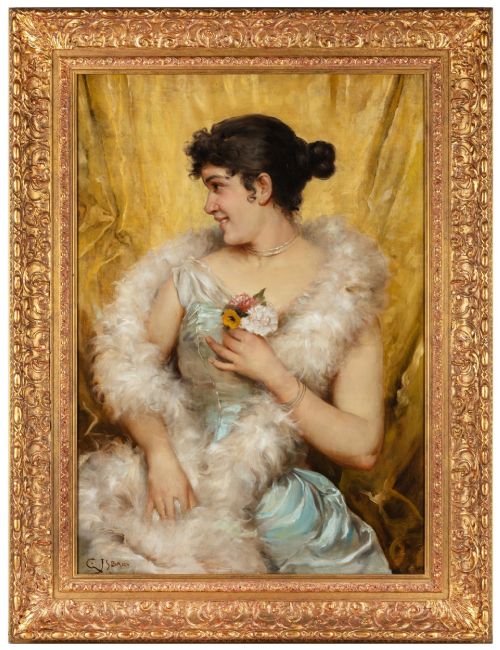
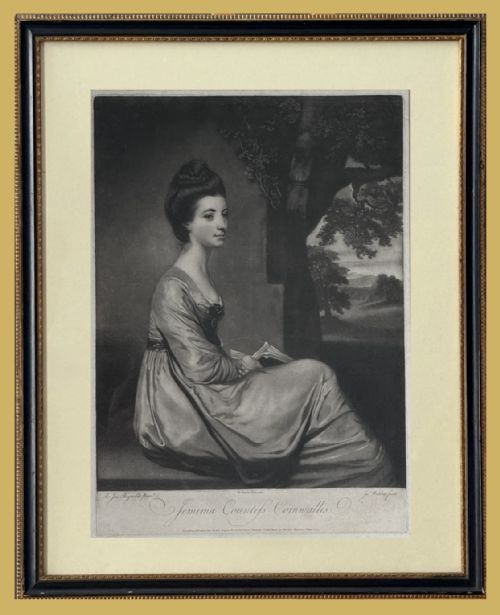
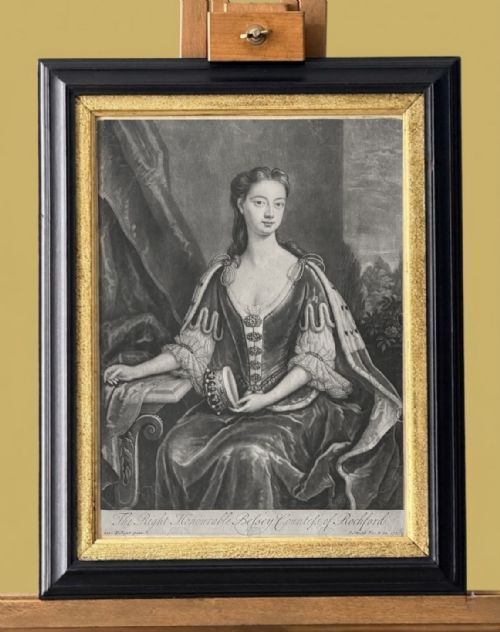
Antique female portraiture encompasses historic depictions of women ranging from the seventeenth century through to the mid-twentieth century. Collectors encounter oil paintings, pastel portraits, engravings and mezzotints representing diverse social standings.
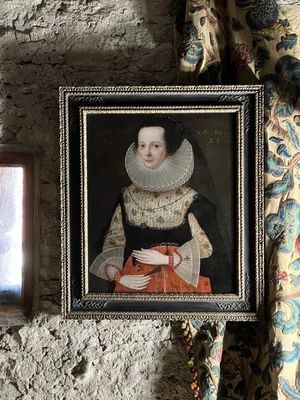
The nineteenth century and eighteenth century provide the majority of formal oil paintings and reproductive prints on this page. Earlier seventeenth-century works present panel paintings in elaborate costume, whilst later pieces extend into twentieth-century interpretations.
Subjects include named aristocratic ladies, noblewomen and anonymous beauties rendered in distinct period styles such as Georgian, Victorian, Regency and Jacobean. These artworks preserve the changing fashions, hairstyles and social roles of women across generations.
Materials and execution
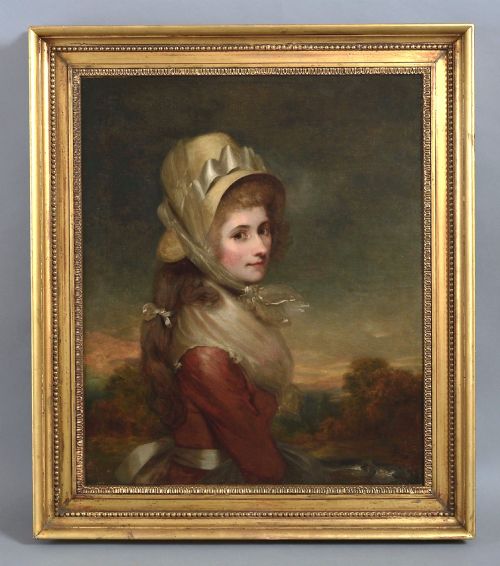
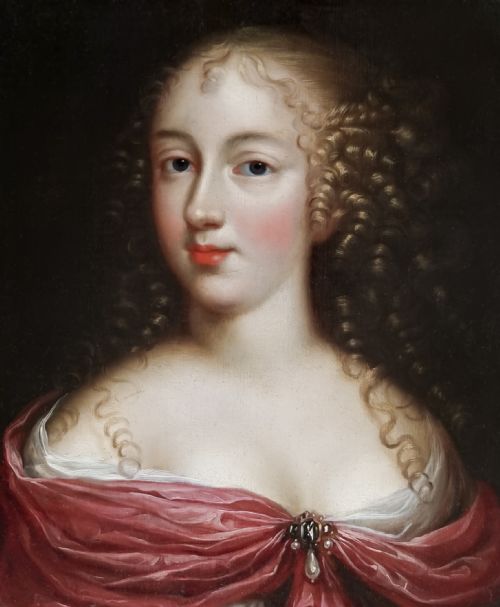
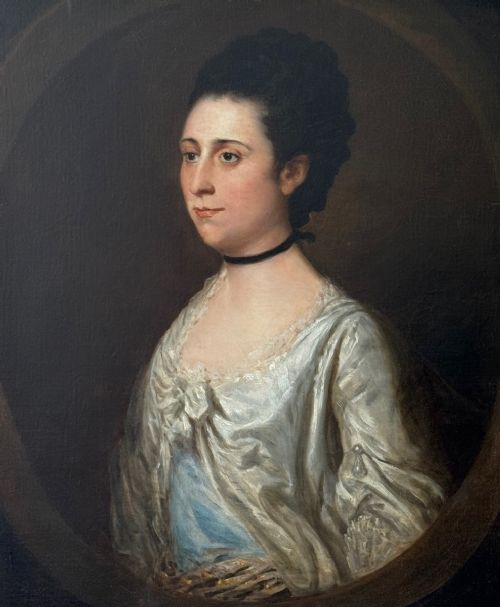
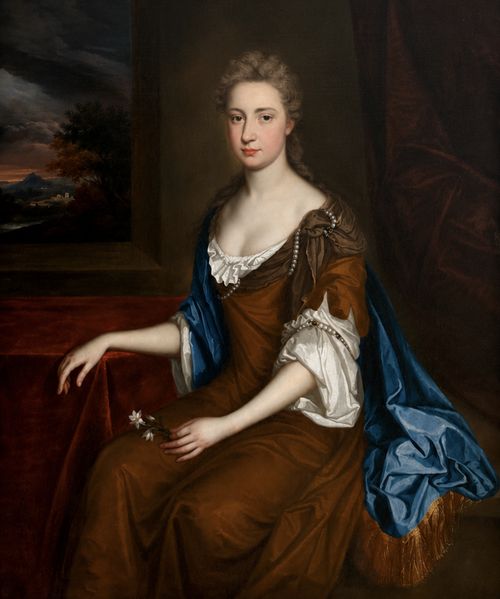
Artists relied primarily on oil paint applied to canvas or wood panels, utilising fine pigments to build up layered depictions of skin tones, textiles and lace. Frames constructed from giltwood or carved wood often complement the visual weight of these historical works.
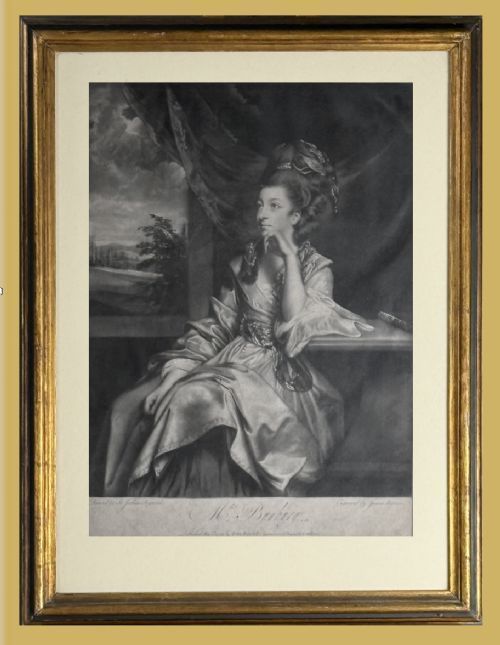
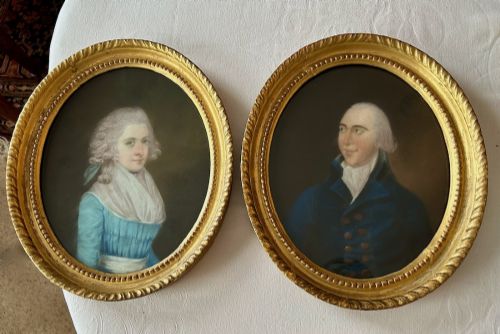
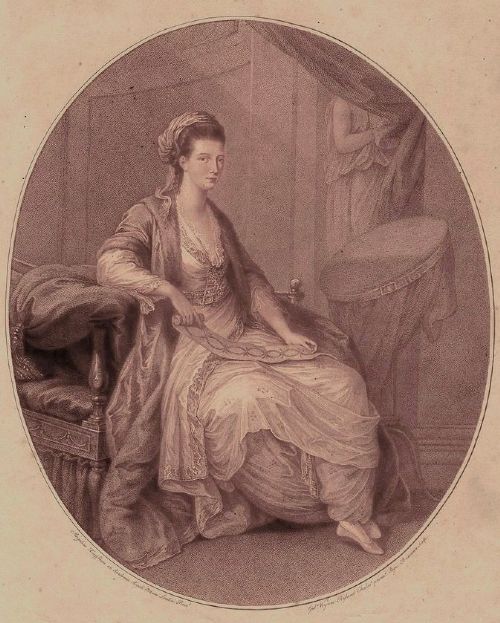
Pastel portraits on paper capture delicate facial expressions through dry colour sticks, requiring glass protection to preserve the friable medium. Engravings and mezzotints utilise inked metal plates to multiply portrait prints on paper support.
Gold leaf accents occasionally highlight intricate frames and period details, while the fundamental substrate shifts from early wooden panels to stretched canvas and paper boards in later centuries.
Listings feature works spanning from the 17th Century to the 1960s, executed in oil on canvas, pastel, and print on paper.
Judging quality and depth
The distinction between standard decorative portraits and superior works lies in the psychological depth of the sitter's expression and the confident handling of complex fabrics like silk, velvet and lace. Master painters demonstrate an authoritative command of light upon skin and drapery.
Condition and originality significantly influence the standing of a piece, particularly the stability of the original canvas, the minimal extent of later retouching, and the presence of period-appropriate framing materials such as giltwood.
Sir Joshua Reynolds·Sir Peter Lely·Cornelius Johnson·Thomas Beach·John Russell
The Antique Female Portraiture Glossary
- Mezzotint
- A printmaking process of the intaglio family where the plate is roughened to produce tones of grey and black, allowing for rich tonal gradations in portrait prints.
- Panel painting
- A painting executed on a flat piece of wood rather than stretched canvas, common in earlier seventeenth-century works.
- Pastel
- A dry painting medium in the form of a stick, consisting of powdered pigment and a binder, used extensively for delicate eighteenth-century portraits.
- Giltwood
- Wood that has been treated with a thin layer of gold leaf or gold paint, frequently used for traditional picture frames.
- Attributed to
- A term used when a work is considered likely by a given artist based on stylistic evidence, though lacking definitive documentation.
Antique Female Portraiture: Frequently Asked Questions
How do I date an antique portrait?
Dating relies heavily on the sitter's costume, hairstyle, and the construction methods of the canvas or wooden panel. Examining the back of the frame and stretcher bars also provides clues regarding the age of the piece.
Stylistic markers such as Jacobean lace collars or Victorian bonnets anchor the artwork to specific decades. Comparing brushwork and pigment usage with known period examples helps narrow down the active years of creation.
What is the difference between an oil painting and a mezzotint?
An oil painting is a unique, hand-painted original work created with pigmented oils on canvas or wood. A mezzotint is a printed reproduction created by working a metal plate to transfer ink onto paper.
While paintings offer textured brushwork and deep layers of colour, mezzotints provide velvety tonal ranges in a graphic format. Both forms served distinct purposes in documenting historic female subjects.
How should I care for antique oil portraits?
Antique oil portraits require stable indoor environments away from direct sunlight and excessive humidity. Maintaining consistent temperatures prevents the canvas from slackening and protects the wooden panel or stretcher from warping.
Cleaning should be restricted to gentle dusting with a soft brush, leaving chemical cleaning or varnish removal entirely to professional conservators. Proper hanging hardware ensures the weight of the giltwood frame is supported safely.
Why are some sitters unidentified?
Many historical portraits lost their documentation over the centuries as families dispersed and inventories were separated from the artworks. Sitters of lesser rank or private individuals were frequently recorded only by family lore rather than formal archival records.
Unidentified subjects allow modern viewers to appreciate the painting purely as an aesthetic object and historical costume study. Clues like crests or rings occasionally survive to hint at the sitter's identity.