




Nineteenth Century Engravings
Nineteenth century engravings are framed works on paper that bring period sporting scenes, natural history and classical subjects into a room.
Nineteenth Century Engravings
Nineteenth century engravings cover a diverse range of printed imagery, from sporting art and natural history studies to classical subjects and portraits. Buyers encounter framed prints and wall art spanning the Regency, Victorian and later decades of the nineteenth century.
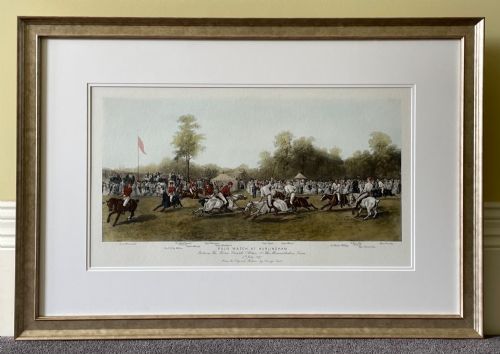
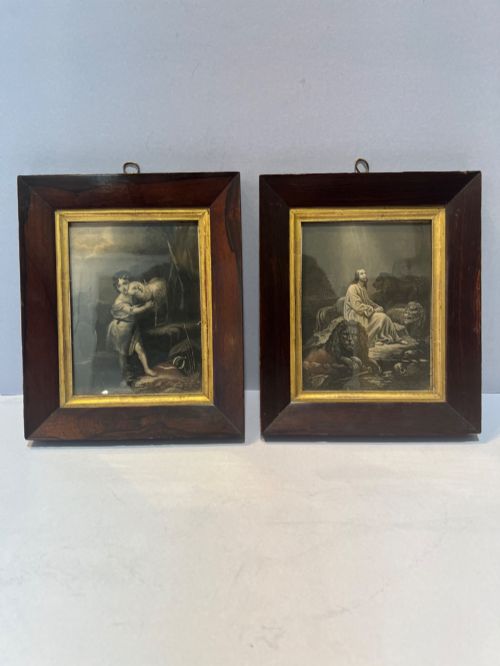
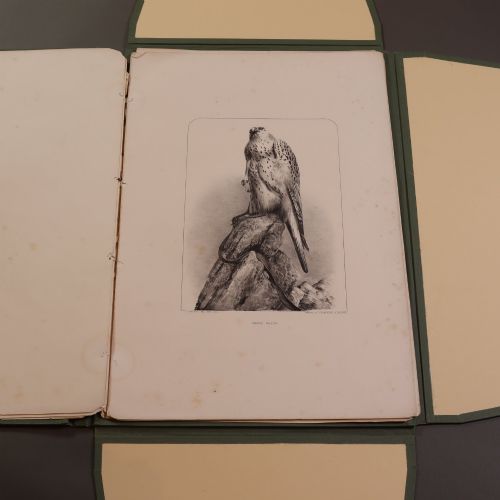
The selection includes matched pairs and sets depicting subjects such as bird studies, fox hunting, polo matches and school scenes. Many arrive in period frames finished in wood, rosewood veneer or gilded wood.
While the broad category encompasses various printmaking methods including lithographs and reverse glass work, engraved plates form a distinct core. These pieces reflect the visual culture and popular tastes of nineteenth century British life.
How they were made
Makers produced these works using ink on paper, occasionally adding hand colouring to accentuate details in sporting and natural history subjects. Printers pulled impressions from etched or engraved metal plates before mounting the sheets behind glass.
Framing materials included rosewood veneer, standard wood and gilded wood employing gold leaf or gilt finishes. Reverse glass examples required specialised techniques to apply the image directly to the rear of the pane.
Even the polo matches and fox hunts of the nineteenth century needed good framing.
What varies in quality
The distinction between standard examples and finer pieces lies in the crispness of the impression and the precision of any hand applied watercolour. Earlier plates yield sharper lines, whereas worn plates produce softer, less defined imagery.
Framing also distinguishes the pieces, as original period surrounds in rosewood or gilded wood hold greater integrity than later replacements. Sets and pairs that remain complete maintain higher coherence than fragmented groups.
The Nineteenth Century Engravings Glossary
- Engraving
- A printmaking technique where an artist cuts lines directly into a metal plate with a sharp tool called a burin. The inked plate then transfers the design onto paper under pressure.
- Lithography
- A planographic printing process based on the mutual repulsion of oil and water. Artists drew on limestone or metal plates with greasy crayons to produce multiple impressions.
- Hand coloured
- A process where colourists applied watercolours by hand to monochrome prints after printing. This technique added vibrancy to natural history and sporting subjects.
- Reverse glass painting
- An art form where the image is painted or engraved directly onto the back side of a glass panel. When viewed from the front, the glass protects the media and provides a glossy finish.
- Regency
- A British design period spanning the early nineteenth century defined by neoclassical elegance and refined craftsmanship. Pieces from this era often feature classical motifs and polished wood frames.
Nineteenth Century Engravings: Frequently Asked Questions
How do I care for nineteenth century engravings?
Keep framed pieces away from direct sunlight to prevent the ink and any hand applied watercolour from fading over time. Maintain stable humidity levels in the room to protect the antique paper and wooden frames from warping.
Avoid hanging them in damp spaces such as kitchens or bathrooms where moisture can damage the paper and encourage mould growth behind the glass.
Are these prints original to the nineteenth century?
The listings comprise works produced during the nineteenth century, utilising period printing methods and materials characteristic of that era. Many retain their original framing from the Regency or Victorian periods.
Examining the paper stock, printing technique and framing helps confirm the period origin of each specific piece.
What is the difference between an engraving and a lithograph?
An engraving involves cutting lines into a hard plate to hold ink, resulting in crisp, precise lines under magnification. A lithograph relies on a chemical process using stone or metal plates, producing softer tonal gradations.
Both mediums were common in the nineteenth century but serve different visual effects in framed wall art.
How were sets of engravings displayed?
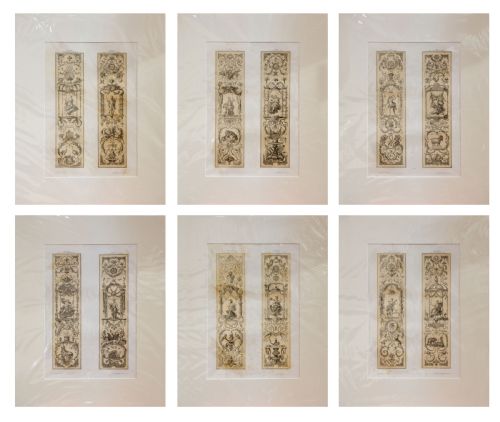
Sets depicting subjects like the months, sporting scenes or bird studies were typically hung together in symmetrical arrangements on panelled walls or in drawing rooms. Matching frames helped unify the group across a gallery wall.
Today, buyers frequently keep paired or grouped prints together to preserve their original decorative intent.