
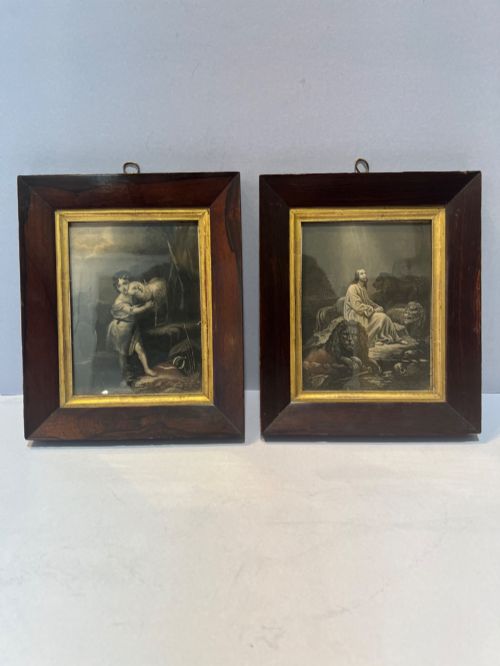


Pair Framed Classical Prints
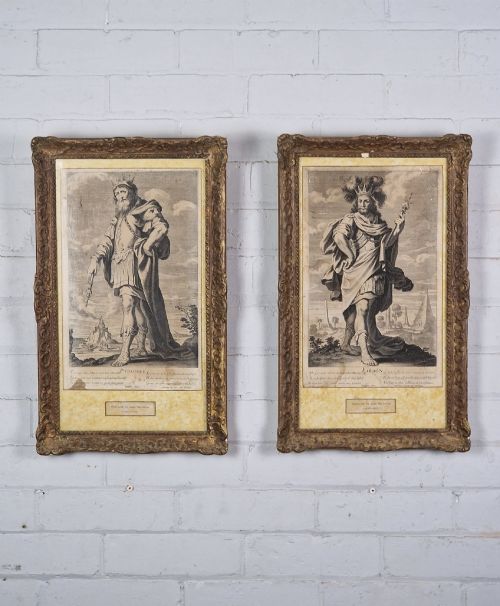
Pair framed classical prints bring mythological scenes, grand architecture and antique sculpture into a room with symmetrical balance.
Pair Framed Classical Prints
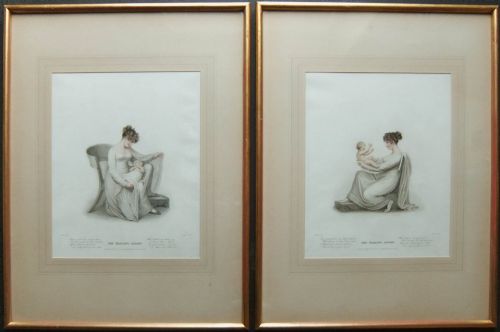
When you search for pair framed classical prints, you encounter matched sets of historical engravings, mezzotints and etchings framed for hanging together. These works draw heavily upon neoclassical subjects, Grand Tour themes and Baroque compositions.
The selections on this page lean heavily towards works from the eighteenth and nineteenth centuries, alongside earlier seventeenth-century examples. You will frequently find subjects after artists such as Jean Mariette, Adam Buck, Robert Sayer, John Boydell, Pierre Buillon, Henri Chatillon and Francesco Piranesi.
Framing formats vary from simple period walnut moulding to ornate oval gilt frames with dome fronted glass. Common subjects range from architectural studies and dressage scenes to allegorical depictions of Rome and classical figures.
How they were made
The primary medium involves paper works produced through traditional printmaking techniques like engraving and mezzotint. Printers inked engraved metal plates before pressing the image onto fine paper sheets.
Frames utilise timber such as walnut and gilded wood embellished with gold leaf or gilt. Protective glazing typically consists of glass, occasionally curved in dome fronted formats to sit over the paper.
What varies in quality
Quality rests upon the crispness of the impression left by the plate and the preservation of the paper itself. Finer prints retain sharp lines in complex architectural details and figural work without fading or heavy staining.
The framing contributes significantly to the overall merit of the piece. Period frames possessing original gilding or authentic walnut construction elevate the pairing above later or replacement framing.
Jean Mariette·Adam Buck·Robert Sayer·John Boydell·Pierre Buillon·Henri Chatillon·Francesco Piranesi
The Pair Framed Classical Prints Glossary
- Engraving
- A printmaking process where an artist cuts lines directly into a metal plate with a burin. This technique produces fine, precise details suited to architectural and classical subjects.
- Mezzotint
- A tonal printmaking method allowing smooth gradations of dark and light. This process creates rich atmospheric effects in historical portraiture and figurative scenes.
- Neoclassical
- An artistic movement drawing inspiration from the art and culture of classical antiquity. It emphasises symmetry, restraint and mythological or historical subjects.
- Giltwood
- Wood carved and covered with a thin layer of gold leaf or gilt. It provides a reflective, ornate border often seen on formal frames from the eighteenth and nineteenth centuries.
- Grand Tour
- A traditional trip through Europe undertaken by upper-class young men to absorb classical art and culture. Souvenirs from these travels often included architectural prints and classical engravings.
Pair Framed Classical Prints: Frequently Asked Questions
How do I hang a pair of prints?
Hang the two pieces at eye level with consistent spacing between them to maintain balanced symmetry on the wall.
Ensure the frames align correctly along their top or centre edges depending on the wall dimensions and surrounding furniture.
What periods do these prints cover?
The selection spans from the seventeenth century through the eighteenth and nineteenth centuries up to nineteen hundred.
Earlier pieces often feature Baroque framing and subjects, while later works typically reflect Regency, Grand Tour and Victorian aesthetics.
Are the frames original to the prints?
Many listings feature period frames such as walnut moulding or ornate giltwood surrounds that match the age of the paper.
Some pieces pair older prints with traditional framing styles appropriate to the era of the artwork.
How should I care for framed paper prints?
Keep the framed pieces away from direct sunlight to prevent the paper from yellowing and the inks from fading over time.
Maintain stable indoor humidity levels to protect both the antique paper and the wooden or gilded frames.