






Game Bird Oil Painting
A game bird oil painting brings the rich tradition of sporting art and rural life directly onto the wall, prized for capturing feathers and foliage with enduring texture.
Game Bird Oil Painting
A game bird oil painting depicts feathered quarry, larder scenes, and sporting subjects rendered in oil paint upon canvas or wooden panels. These works span the eighteenth, nineteenth, and twentieth centuries, encompassing Victorian sporting art, Dutch School traditions, and continental expressions.
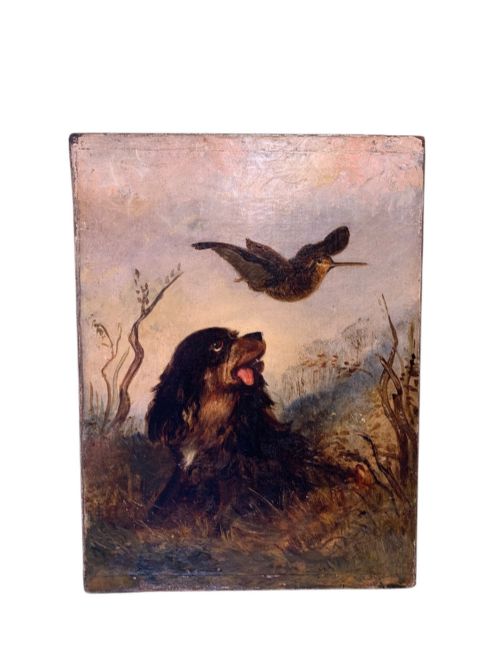
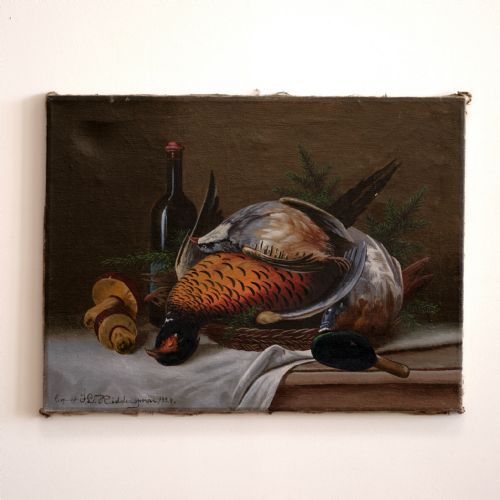
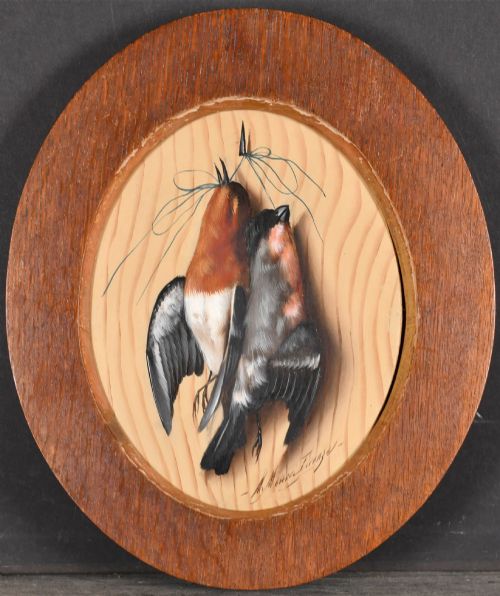
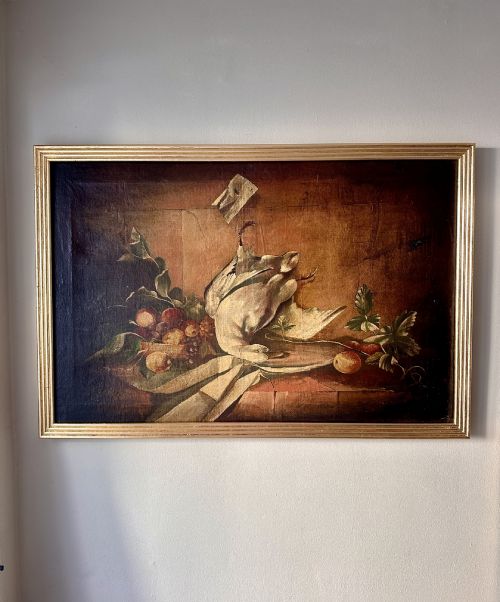
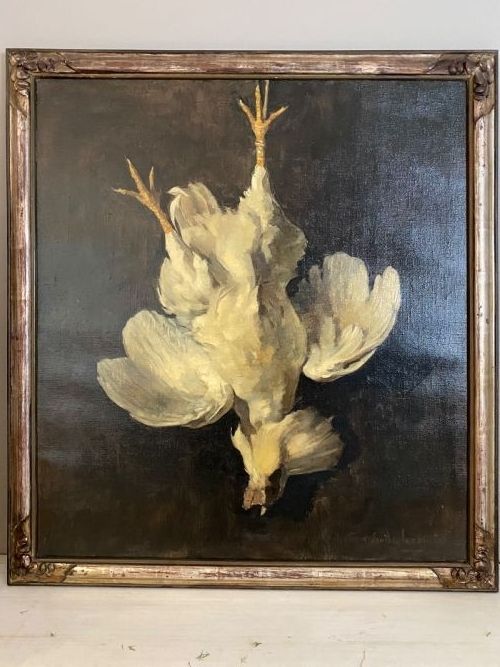
Buyers encounter subjects ranging from flying ducks and startled woodcocks to cockerels, pheasants, and hanging songbirds arranged in larder settings. The pieces vary widely in scale, from intimate portrayals to large continental still lifes designed to command a room.
The material surface carries the weight of the tradition, utilising oil paint applied to canvas, giltwood frames, or wood. Each game bird oil painting reflects the prevailing artistic conventions of its period, whether detailed Victorian naturalism or mid-century impressionist brushwork.
Materials and technique
Painters built up these works using oil paint applied to stretched canvas or wooden panel supports, allowing for rich blending and deep tonal graduation. Artists layered pigments to capture the intricate iridescence of feathers and the dark tones of rustic larders.
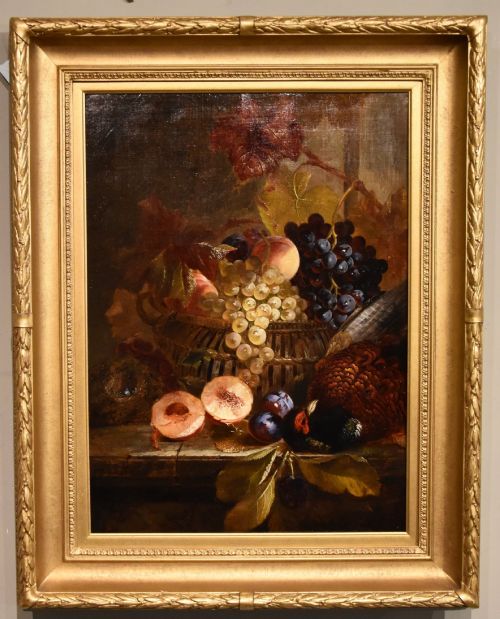
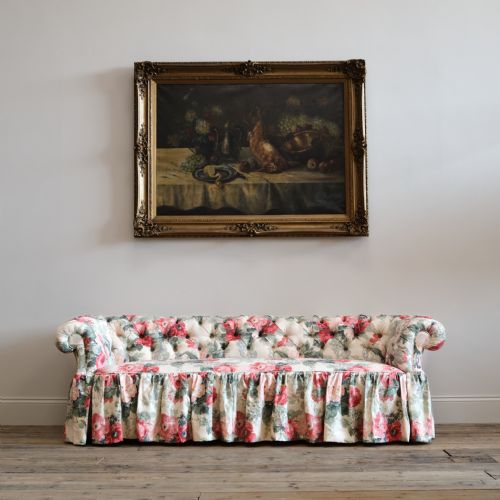
Many works retain their original gold leaf or giltwood frames, which provide structural support and historical context to the canvas. The combination of oil on canvas with robust wooden framing ensured the physical survival of these paintings across centuries.
Listings feature works executed in oil paint upon canvas and wooden panels, framed in giltwood.
Distinctions in craftsmanship
Quality rests upon the artist's command of anatomy, texture, and light, particularly in the rendering of plumage and the convincing weight of hanging game. Superior works display confident brushwork that defines the softness of down and the glossy sheen of wings without resorting to stiff illustration.
The integration of the subject within its environment distinguishes finer compositions, whether placing gun dogs and woodcocks in a landscape or arranging fruit and game on a larder table. The harmony of the surrounding frame, often period giltwood, further separates standard decorative pieces from accomplished works of art.
Michelangelo Meucci·John Sargent Noble·William Henry Ward·Henri Joseph Pauwels·Thomas Blinks·Stephen Elmer·Emile Lecomte·Abel Hold
The Game Bird Oil Painting Glossary
- Canvas
- A heavy woven fabric stretched across a wooden frame to serve as the foundation for oil paintings. It provides a flexible yet durable surface that responds well to traditional layering techniques.
- Oil Paint
- A slow-drying paint made by mixing pigments with oils such as linseed. This medium allows artists to achieve rich colour depth, smooth blending, and varied surface textures.
- Giltwood
- Wood that has been coated with a thin layer of gold leaf or gold powder. It is commonly found on traditional frames encasing nineteenth-century canvases.
- Still Life
- A painting featuring inanimate subject matter, typically commonplace objects or natural items such as game birds, fruit, and larder supplies. This genre emphasises composition, lighting, and texture.
- Panel
- A flat piece of wood used as a rigid support for painting instead of stretched fabric. Wooden panels were frequently utilised in earlier European traditions.
Game Bird Oil Painting: Frequently Asked Questions
What periods do these paintings come from?
The available works span several centuries, including eighteenth-century compositions, nineteenth-century Victorian pieces, and twentieth-century interpretations up to the nineteen-sixties.
Each era brings distinct stylistic approaches, moving from Dutch-inspired larder arrangements to spirited Victorian sporting art and mid-century impressionist handling.
How were these paintings originally displayed?
These works were traditionally hung in country houses, dining rooms, and libraries, often reflecting the sporting pursuits and rural interests of the household.
They served as both decorative focal points and celebrations of field sports and kitchen larders, usually housed within ornate giltwood frames.
What surfaces were used by the artists?
Artists painted primarily on stretched canvas or wooden panels using traditional oil paint media.
These materials allowed painters to build up luminous glazes and detailed textures necessary for depicting feathers, fur, and rustic interior lighting.
How do I distinguish continental styles from British ones?
Continental and Dutch School works frequently focus on elaborate larder still lifes featuring game, fruit, and utensils arranged on tables.
British Victorian sporting art tends to emphasise gun dogs, working dogs, and birds depicted either in open landscapes or immediately following the hunt.