


Antique Bird Still Life
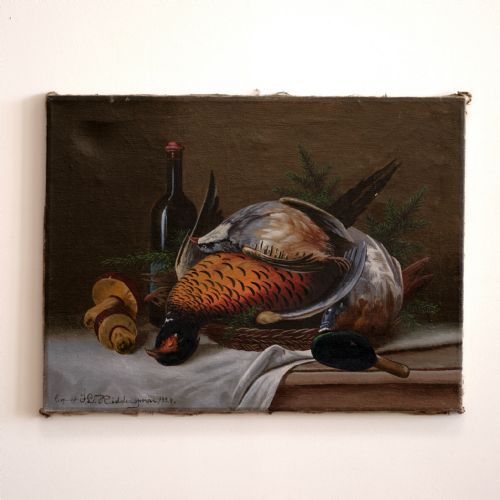
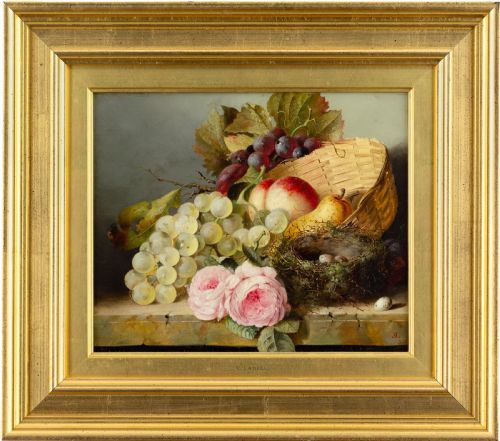
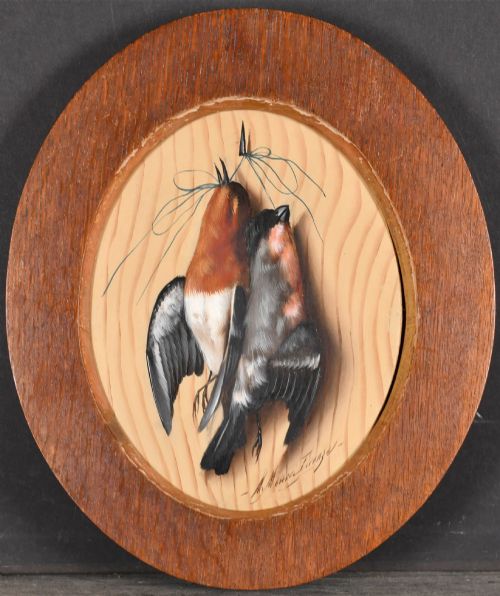
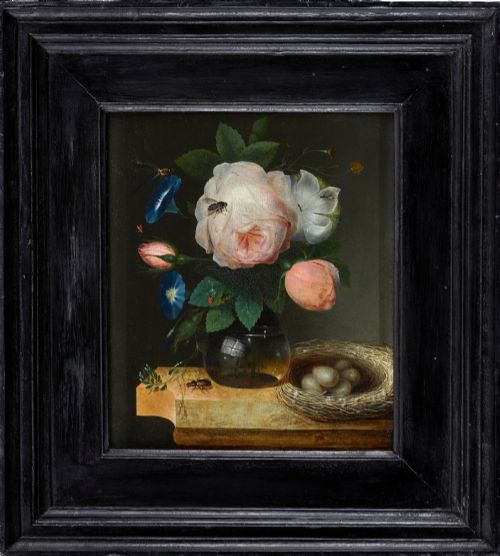
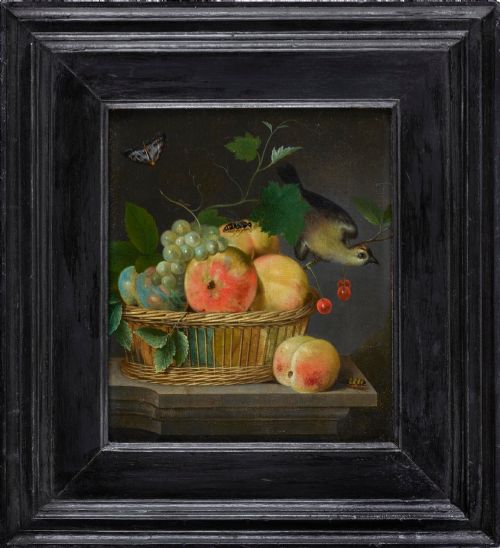
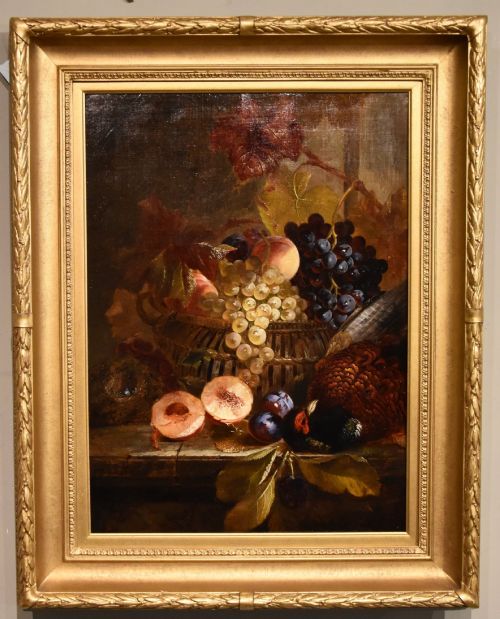
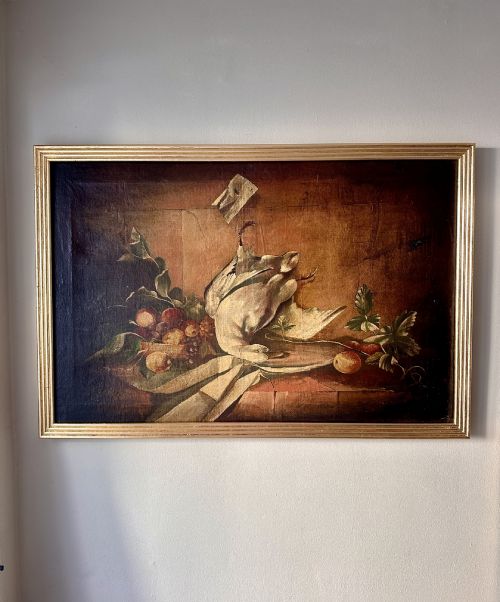
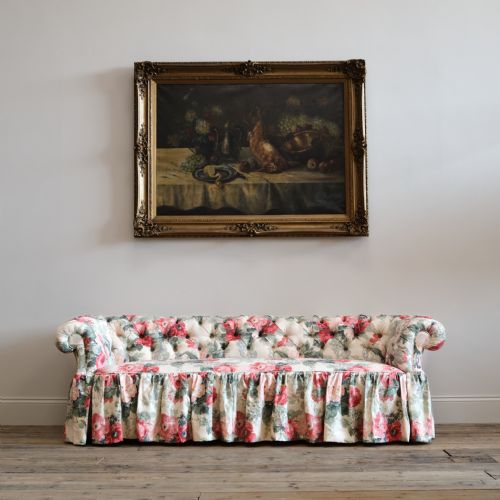
These antique bird still life paintings capture feathered subjects and nests preserved in oil paint, watercolour, and gouache across several centuries.
Antique Bird Still Life
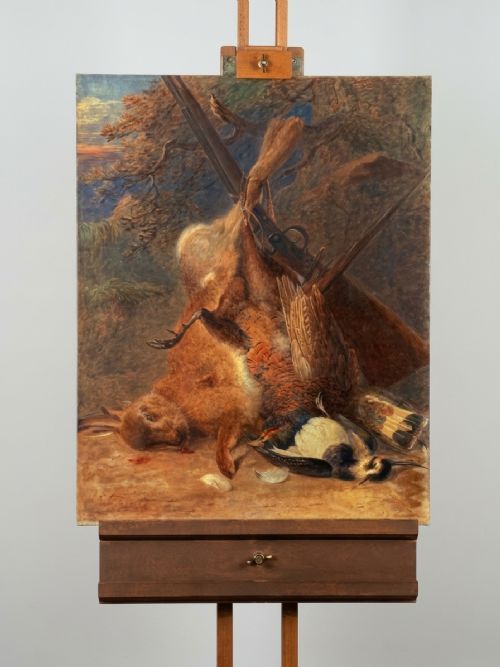
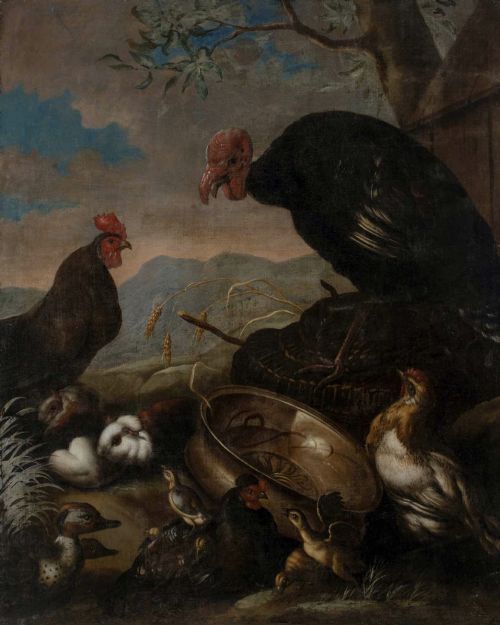
An antique bird still life brings together winged subjects, game, nests, and natural history studies rendered by artists working within the Victorian, Baroque, and Dutch traditions. You will encounter nineteenth-century British bird's nest compositions alongside seventeenth-century continental canvases depicting fowl and larder scenes.
The works span media including oil paint on canvas and wood panel, alongside detailed watercolours on paper. Subjects range from solitary songbirds and parrots to dead game birds arranged beside fruit, flowers, and mossy banks.
How They Were Made
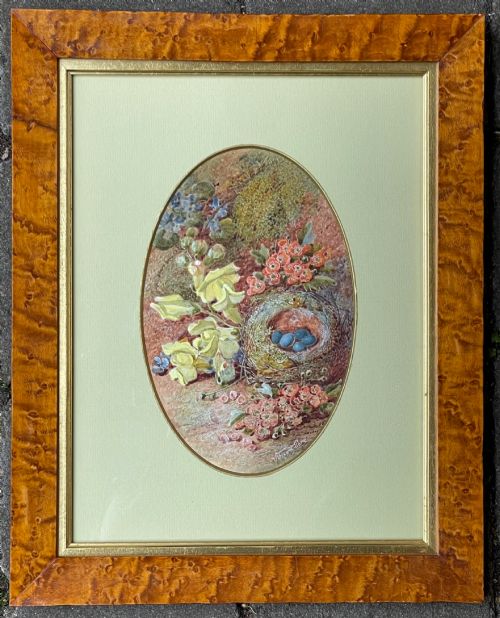
Painters applied oil paint to stretched canvas or wooden panels, building up rich textures for feathers, plumage, and foliage. Watercolours and bodycolours on paper relied on careful washes and fine brushwork to capture delicate details in nests and blossoms.
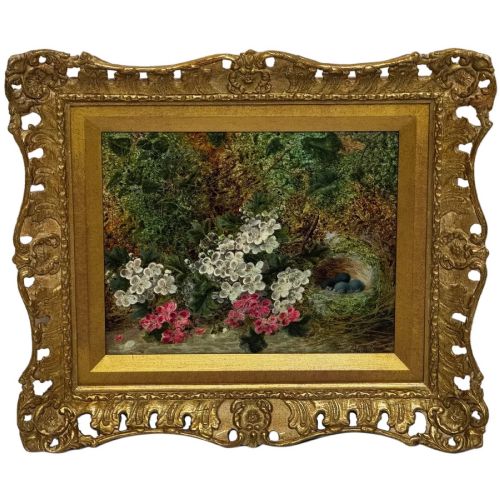
Framing often involved giltwood mouldings that complemented the deep tones of the canvas. Selected works utilised prepared leather panels or painted screens as supports.
Listings feature works executed in oil paint, watercolour, gouache, and giltwood across the nineteenth and seventeenth centuries.
What Varies in Quality
The precision of brushwork in rendering individual feathers, moss, and delicate eggshells determines the distinction between ordinary decorative works and accomplished studies. Compositional balance between the central subject and surrounding flora reveals the artist's training within specific continental or Victorian schools.
Condition of the canvas, pigment stability, and the presence of original stretcher frames or giltwood surrounds influence the integrity of the surviving piece.
GEORGE SYDNEY SHEPHERD·Angelo Maria Crivelli·Oliver Clare·Vincent Clare·Edward Ladell·Michelangelo Meucci·Gaspar Peeter Verbruggen·William Henry Ward·PAUL LELONG·Calzolari·Eloise Harriet Stannard·JOHN SHERRIN·George Lance·Emile Lecomte·George Clare·William Cruikshank·G Stainton
The Antique Bird Still Life Glossary
- Oil Paint
- Pigment mixed with drying oil, commonly linseed, used on canvas or wood panels. This medium allows for deep blending of colours and rich surface textures.
- Watercolour
- A paint consisting of pigment suspended in a water-based solution, applied to paper. It creates transparent washes often enhanced with bodycolour for opaque highlights.
- Giltwood
- Wood carved and coated with a thin layer of gold leaf or gold paint. It frequently forms the decorative frames surrounding oil paintings.
- Trompe l'Oeil
- An art technique involving extreme realism to optical illusion. These pieces trick the eye into perceiving painted objects as three-dimensional.
- Bodycolour
- Water-based paint mixed with a white pigment to render it opaque. Artists used it alongside watercolours to add solid highlights.
Antique Bird Still Life: Frequently Asked Questions
What is an antique bird still life?
These works depict birds, nests, and feathers arranged alongside flora and fruit, painted primarily during the seventeenth, eighteenth, and nineteenth centuries.
They reflect shifts in natural history illustration and domestic interior decoration across British and continental schools.
How were bird nests depicted?
Artists painted nests resting on mossy banks, often containing speckled eggs and surrounded by spring blossoms or primroses.
This motif was particularly favoured by Victorian painters exploring naturalism and detailed woodland textures.
Which materials were used?
Surviving examples utilise oil paint on canvas or wood panel, alongside watercolours and gouache on paper.
Many works retain their period giltwood frames, which contribute to the overall presentation of the artwork.
How do I date a painting?
Dating relies on stylistic conventions, signatures, artist lifespan records, and the physical composition of the canvas and stretcher.
Nineteenth-century British watercolours often feature distinct paper marks, while seventeenth-century continental oils display typical Baroque lighting.