




Antique Animalier Canvas Art
These antique animalier canvas art works capture the raw energy of wildlife and domestic animals, painted with rich oil pigments on stretched fabric.
Antique Animalier Canvas Art
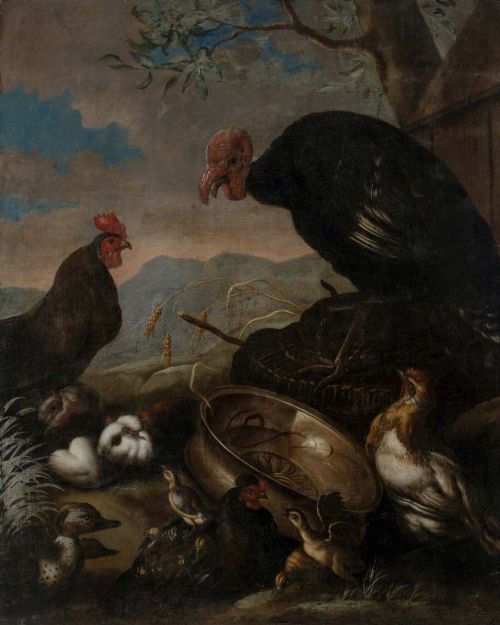
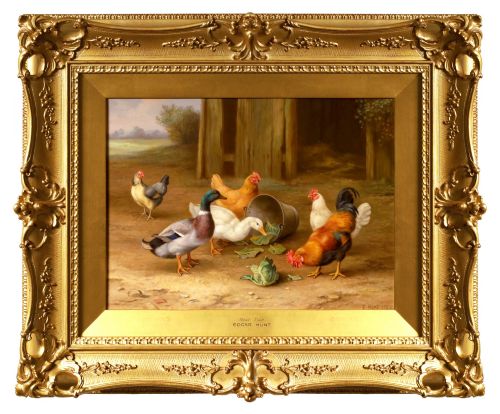
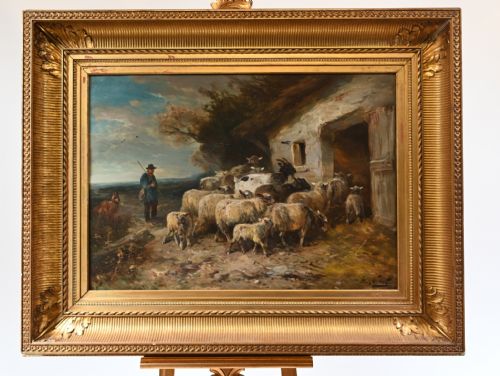
Antique animalier canvas art encompasses oil paintings focused on animals, birds, and livestock created during periods spanning from the seventeenth century through to the early twentieth century. These works depict subjects ranging from farmyard chickens and sheep flocks to dramatic big cats and birds in landscapes.
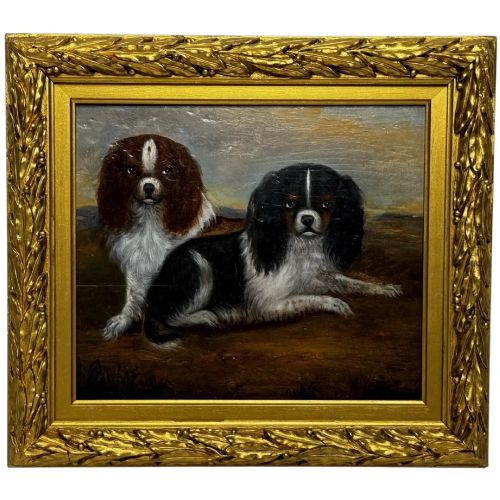
The pieces you encounter on this page heavily feature Victorian animalier styles alongside seventeenth-century baroque compositions and nineteenth-century realism. Painters captured these subjects on canvas, board, and framed giltwood settings that reflect the artistic tastes of their respective eras.
Materials and construction methods
Artists utilised traditional oil paint applied to woven canvas substrates, sometimes mounted upon wooden boards. These mediums allowed for rich blending and textured brushwork that defined fur, feathers, and natural landscapes.
Many of these historical paintings sit within decorative frames constructed from wood, embellished with gold leaf and giltwood finishes to complement the domestic display of the artwork.
Antique Animalier Canvas Art Retail Price Guide 2026
Typical asking prices for animalier canvas art among the pieces listed under this phrase on Sellingantiques today, from the lower quarter to the upper quarter. They describe what is for sale here now, not the wider market.
Several canvases feature remarkably observant farmyard chickens and cats with fish, proving that historical pets possessed plenty of personality.
Determining quality in animalier paintings
Quality rests upon the artist's ability to render anatomical precision and lifelike textures in the fur, plumage, and expressions of the animals. Finer works display dynamic composition and atmospheric depth within the surrounding landscape.
The preservation of the original oil paint surface and the craftsmanship of the associated gilded wood or giltwood frame contribute significantly to the standing of a piece.
Valentine T. Garland·Angelo Maria Crivelli·Edgar Hunt·Henry Schouten·Claude Cardon·Eugene Joseph Verboeckhoven·Horatio Henry Couldery·Geza Vastagh·Cuthbert Edmund Swan
The Antique Animalier Canvas Art Glossary
- Animalier
- Art depicting the physical characteristics and behaviour of animals. This genre gained prominence in the nineteenth century across painting and sculpture.
- Giltwood
- Wood that has been covered with a thin layer of gold leaf or gold paint. It frequently forms the ornate frames surrounding historical canvas paintings.
- Realism
- An artistic movement focused on depicting subjects truthfully without artificiality. Nineteenth-century examples capture animals and rural life with direct observation.
- Baroque
- A stylistic period from the seventeenth century characterised by drama and rich detail. Works from this era often place animals within expansive, moody landscapes.
Antique Animalier Canvas Art: Frequently Asked Questions
What subjects appear in animalier art?
The subjects range from domestic farm animals such as chickens, sheep, and ponies to wild creatures including lions, leopards, and birds in natural landscapes.
Artists during the seventeenth and nineteenth centuries observed these animals closely, translating their varied behaviours and textures directly onto canvas.
How should I frame an antique oil painting?
Many of these works retain their original giltwood or gold leaf wooden frames, which complement the period aesthetic of the canvas.
Maintaining the original framing helps preserve the historical context and visual balance of the artwork.
How do I identify a nineteenth-century canvas?
Nineteenth-century works often reflect movements like realism and romanticism, showing naturalistic lighting and detailed animal anatomy.
Examining the canvas weave, backing materials, and artist signatures provides further context regarding the date of creation.
Where were these animal paintings created?
The pieces originate from various European traditions, including British, Italian, and Belgian artistic schools active across different centuries.
Each regional school brought distinct techniques to the portrayal of wildlife and domestic livestock.