



Framed Pheasant Artwork
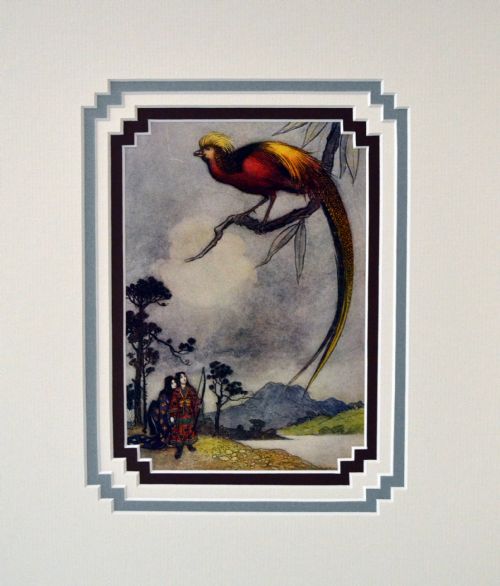
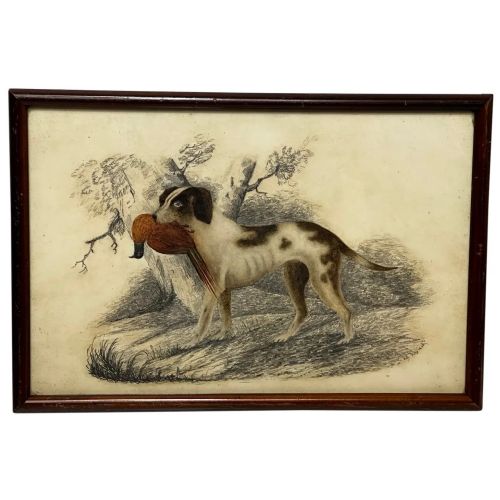
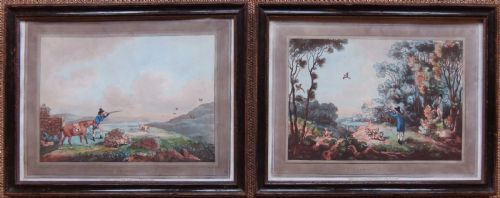
Framed pheasant artwork brings rustic character indoors through traditional depictions of game birds preserved in wood and glass.
Framed Pheasant Artwork
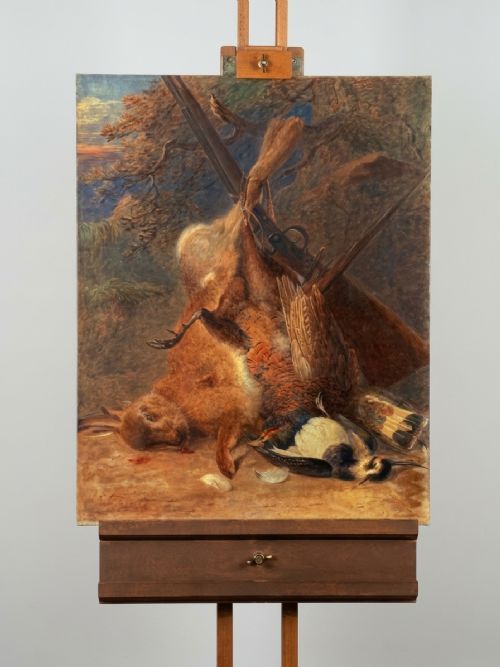
Framed pheasant artwork encompasses decorative wall pieces focusing on game birds, often associated with sporting themes and rural traditions. When searching this phrase, buyers encounter varied interpretations ranging from delicate watercolours to robust oil paintings and porcelain plaques.
The selections available span multiple periods including the Georgian era, the nineteenth century, and mid-century modern decades. Formats include traditional wall art, framed prints, and hand-painted porcelain panels housed in wood or gilt frames.
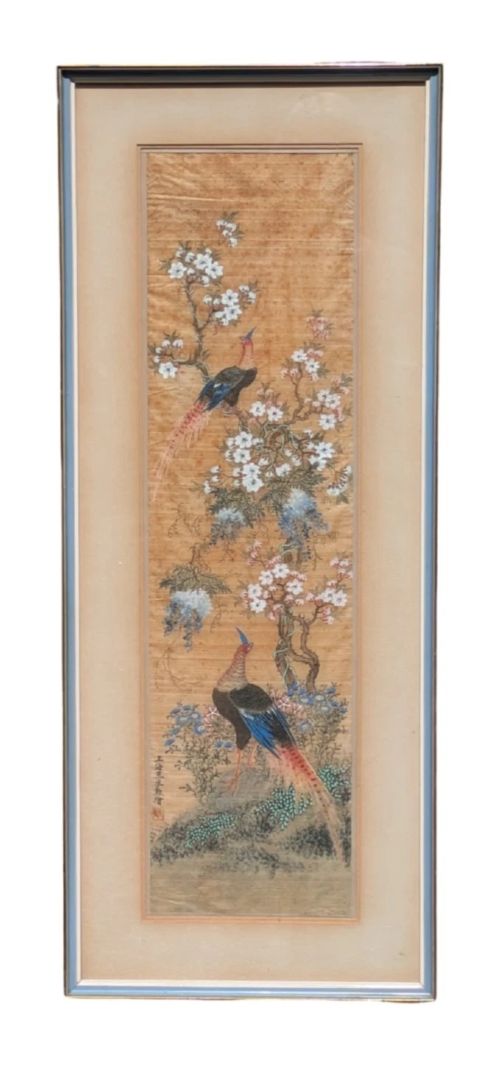
Origin styles stretch across British traditional sporting aesthetics alongside occasional international influences such as Qing Dynasty silk works and Japanese prints. Pieces frequently capture the plumage and posture of game birds within naturalistic settings.
How They Were Made
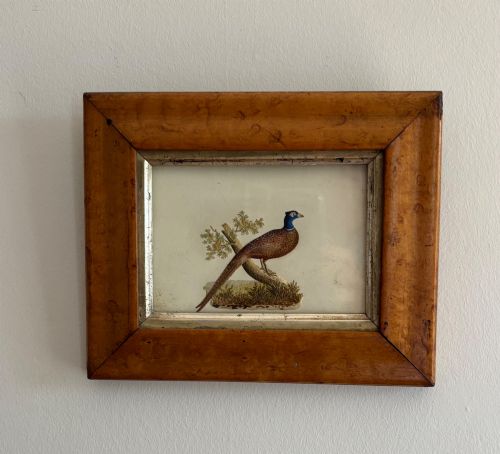
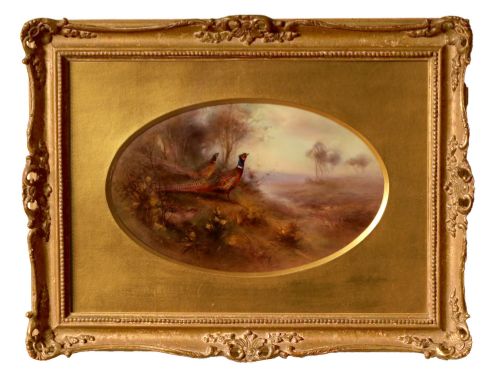
Makers utilised traditional artistic mediums including oil paint on canvas, watercolour and bodycolour on paper, and ink on silk. Many works incorporate delicate hand-painted details upon porcelain plaques, fixed securely within protective timber and glass surrounds.
Framing methods rely heavily on wood and gilt wood construction, frequently pairing heavy oil paintings with substantial mouldings or watercolours with simpler glazed mounts. The craftsmanship prioritises the preservation of fragile paper and silk surfaces against environmental wear.
Certain early artists clearly studied uncooperative pheasants closely, capturing indignant expressions that modern portraiture seldom achieves.
What Varies in Quality
Quality rests upon the fidelity of the bird's anatomical depiction and the fluency of the brushwork, distinguishing skilled hand-painted execution from mechanical reproduction. Superior examples display careful handling of light across plumage and natural backgrounds.
The integrity of the framing materials and the condition of the underlying paper, silk, or canvas significantly influence the piece. Original glass and period wood frames elevate the historical coherence of the artwork.
Samuel Dixon·James Stinton·Benjamin Blake·Henri Joseph Pauwels·Sam. Howitt
The Framed Pheasant Artwork Glossary
- Bodycolour
- Watercolour paint mixed with a white pigment to render it opaque, creating denser passages of colour and highlight.
- Basso-rilievo
- A sculptural technique where the figures project only slightly from the background plane, creating a low-relief picture.
- Porcelain plaque
- A flat ceramic tablet fired and glazed specifically to serve as a stable surface for detailed overglaze painting.
- Watercolour
- A painting method where fine pigment is suspended in a water-soluble binder, traditionally applied to absorbent paper.
Framed Pheasant Artwork: Frequently Asked Questions
How old is framed pheasant artwork typically?
The pieces span various periods ranging from the Georgian era through Victorian times and into the mid-twentieth century. Each era brings distinct stylistic touches to the depiction of game birds.
Materials and framing techniques often provide the clearest indication of a piece's true age, reflecting the prevailing interior tastes of its time.
What materials are used in these pieces?
Artisans employed mediums such as oil paint on canvas, watercolour on paper, and hand-painted designs directly onto porcelain plaques. Silk panels also appear among the selection.
Surrounds are constructed primarily from wood and gilt wood, frequently incorporating glass to protect the delicate painted or printed surfaces.
Where should I hang framed pheasant artwork?
These pieces suit traditional studies, dining rooms, and hallways, where sporting and rural themes complement existing period decor. Hanging them away from direct sunlight protects vulnerable watercolours and silk from fading.
Pairing smaller prints or porcelain plaques together creates a cohesive gallery wall inspired by nineteenth-century sporting displays.
How do I care for antique framed art?
Maintain stable indoor humidity levels to prevent the wood frames from warping and to protect paper components from moisture damage. Dust frames gently with a dry, soft cloth.
Avoid using liquid cleaners on the glass or gilt surfaces, as moisture can seep beneath the moulding and harm the artwork.