


Original Fine Art Oil
When you search for original fine art oil, you enter a rich tradition of pigment suspended in drying oil, capturing light and texture across the centuries.
Original Fine Art Oil
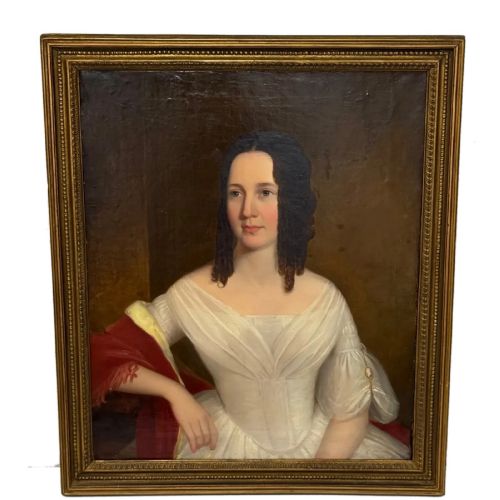
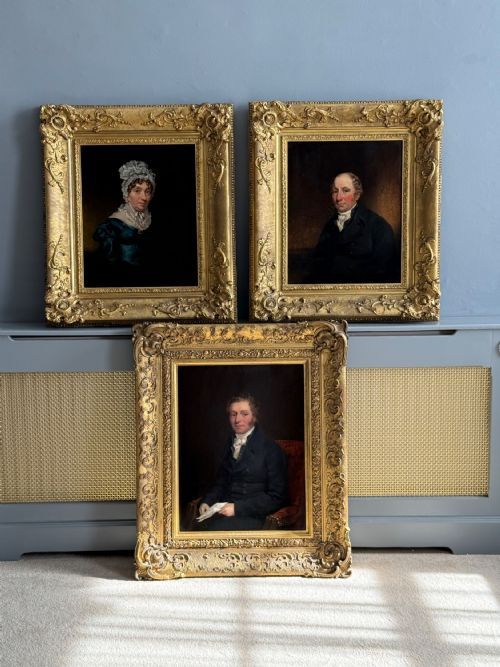
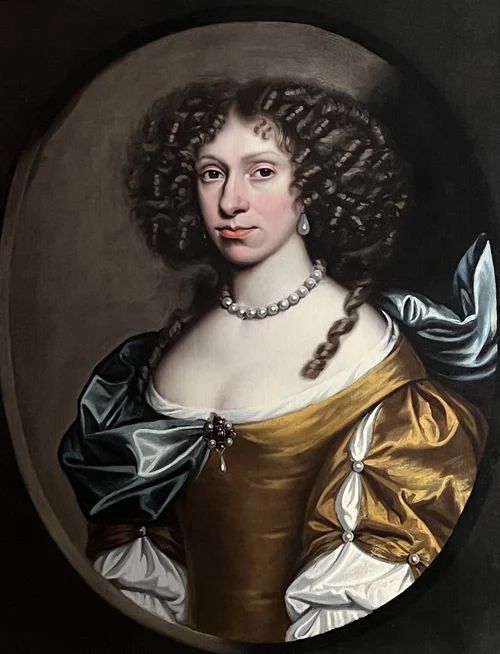
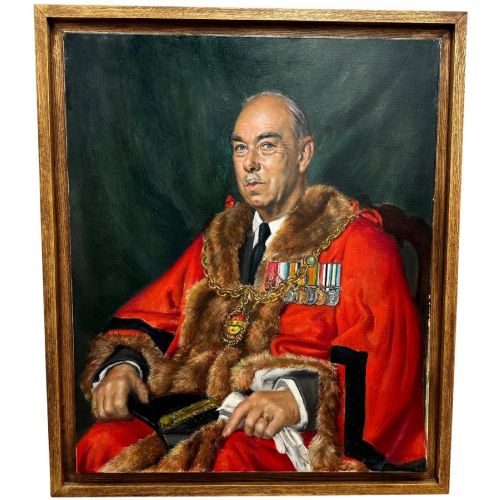
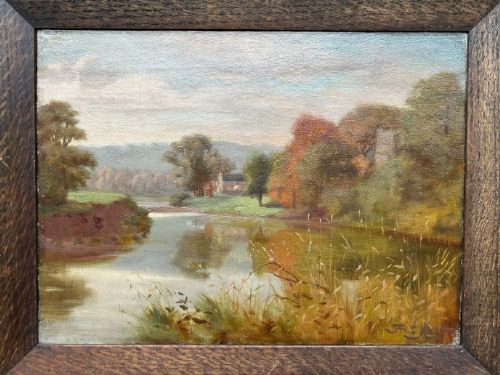
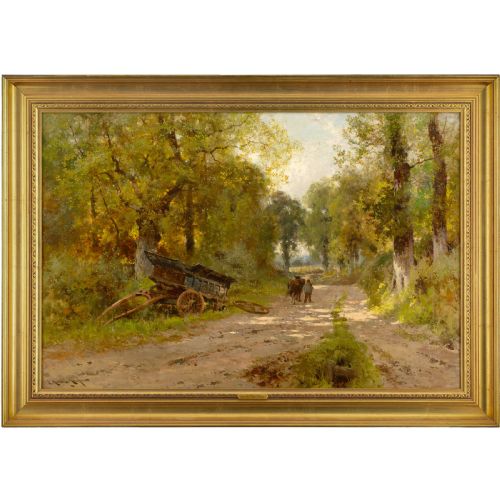
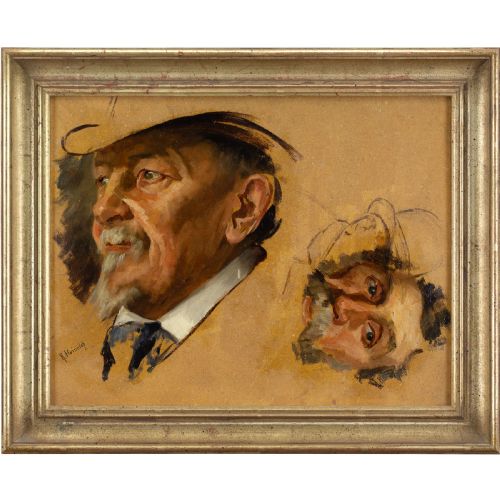
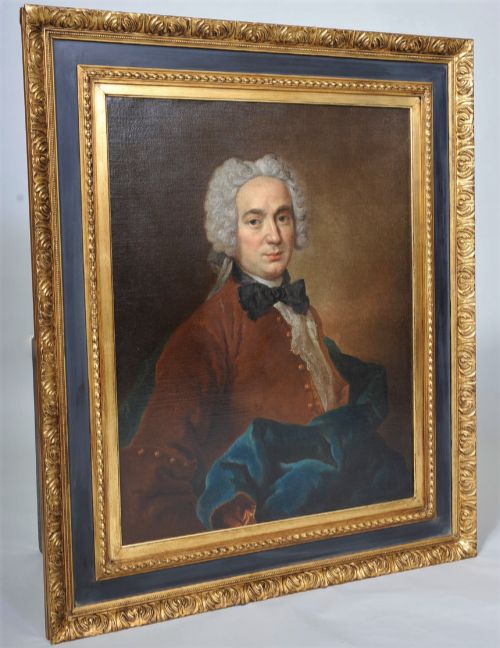
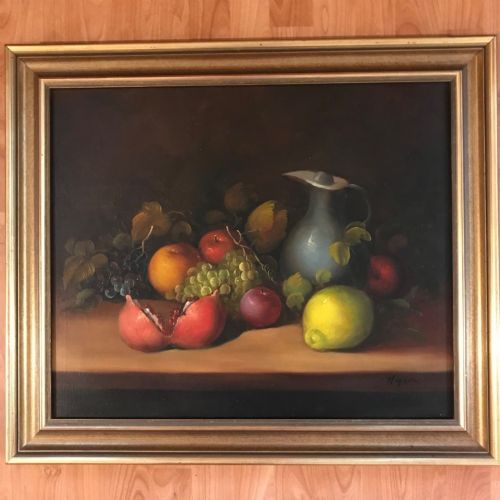
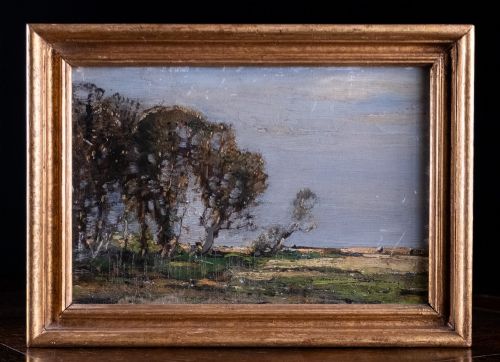
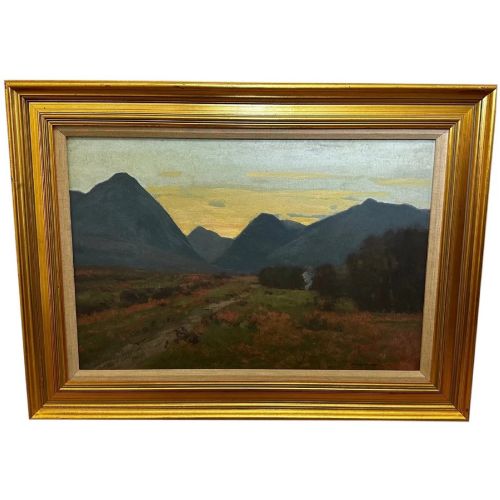
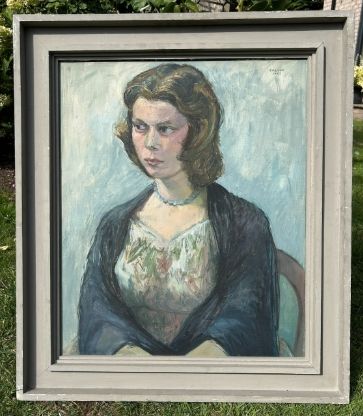
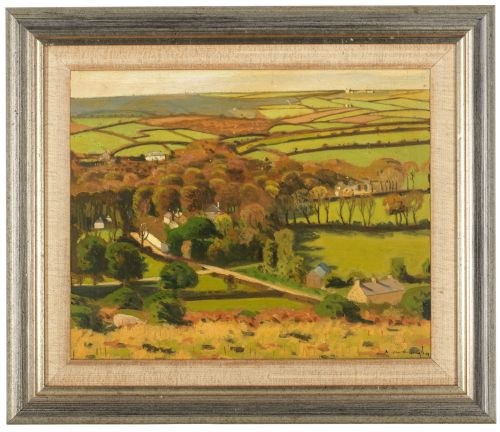
Original fine art oil encompasses hand-painted works executed directly by artists using oil paint as the primary medium. The selections span portraits, landscapes, and still life compositions across multiple eras.
The most common versions encountered here hail from the nineteenth century onward, including Victorian academic studies and early twentieth-century British impressions. These works range from intimate panel paintings to large canvases.
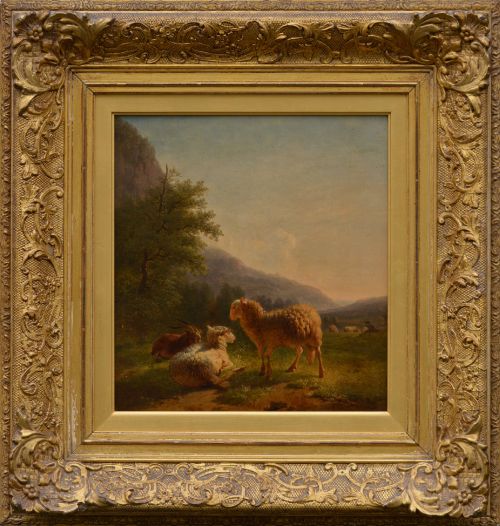
Subjects stretch from sweeping Scottish highlands and Venetian canals down to quiet domestic interiors and botanical studies. Each piece preserves the distinct touch and vision of its maker.
How They Were Made
Artists built these works by applying oil paint onto prepared surfaces such as woven canvas, stretched linen, wooden panels, or rigid board. The slow-drying nature of the medium allowed painters to blend hues smoothly and build rich impasto textures over days or weeks.
Many of these paintings retain their period frames constructed from carved wood, plaster, and gilt decoration. These surrounds were often designed to complement the palette and depth of the canvas within.
Several sheep have found immortality in these oils, quietly grazing across Scottish highlands and Flemish pastures alike.
What Varies in Quality
The primary distinction in quality lies in the sureness of the brushwork and the artist's command of light, shadow, and anatomy. Masterful handling creates a sense of atmosphere and presence that simpler decorative works lack.
The integrity of the surface preparation and the preservation of the original pigment layers also define superior examples. Works that retain their untouched surface and period framing carry greater historical weight.
Eugène Verboeckhoven·Joseph Clover·David Scougall·Bernard Hailstone·Tom Campbell·Frederick Marriott·John Horace Hooper·Kershaw Schofield·George Houston·Kenneth Cozens·Robert Morson Hughes·Gabriel Mathieu·G. J. S. Bary·Lucy Pratt·Alfred Pollentine·Peter Brannan·Adelaïde Salles-Wagner·Max Kaltenmoser·Carl Felkel·Raymond Booth·James Fry·Harald Foss·Herbert Ashwin Budd·Louis Charles Verwee·Gladys Marguerite Baker
The Original Fine Art Oil Glossary
- Oil paint
- A slow-drying medium consisting of pigments suspended in a drying oil, typically linseed. This medium allows for deep saturation and subtle colour transitions.
- Canvas
- A heavy woven fabric stretched across a wooden frame to serve as a sturdy support for painting. Linen and cotton duck are the traditional choices.
- Impasto
- Paint applied thickly to a surface, leaving visible brush or palette knife marks that stand out in relief. This technique adds tactile depth to the composition.
- Giltwood
- Wood carved and covered with a thin layer of gold leaf or gilt composition. It is commonly found on period frames designed for nineteenth-century fine art.
- Panel
- A rigid flat wooden support used by artists before stretched canvas became dominant. Panels offer a stable surface that resists the flexing common in fabric.
Original Fine Art Oil: Frequently Asked Questions
How do I care for an oil painting?
Keep paintings away from direct sunlight, extreme temperature shifts, and high humidity to protect the canvas and wood.
Dust the surface gently with a soft, dry brush without applying pressure to the pigment layers.
Are these paintings signed by the artist?
Many works bear visible signatures or monograms applied by the painter, often found in the lower corners of the canvas.
Unsigned pieces are typically attributed to specific periods or schools based on stylistic evidence and historical documentation.
What is the difference between canvas and panel?
Canvas provides a flexible woven surface that yields slightly to the touch and offers a textured ground for brushwork.
Panel provides a completely rigid wooden support that prevents the cracking sometimes seen in aged fabric grounds.
How can I tell the age of a frame?
Period frames display hand-carved ornamentation, composition ornament over wood, and natural ageing in the gilt layers.
Original frames match the period of the painting and show consistent wear appropriate to their age.