



Victorian Watercolour Study
These delicate sheets capture light and form with enduring freshness, making a victorian watercolour study a prized addition to any wall.
Victorian Watercolour Study
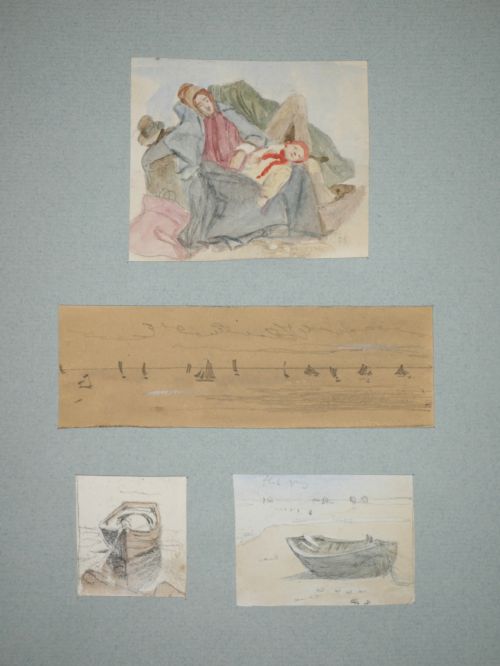
A victorian watercolour study represents an intimate window into nineteenth-century artistic observation, recording subjects from botanical specimens to coastal vessels on paper. These paintings often function as preparatory sketches or finished cabinet pieces created by professional artists and accomplished amateurs alike.
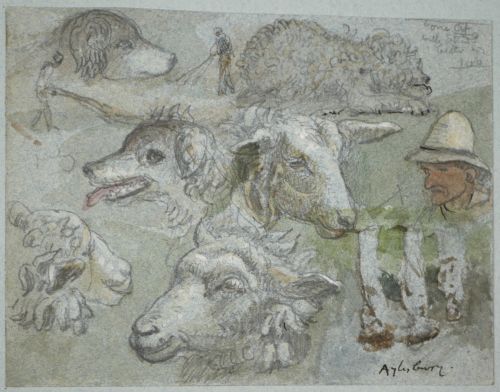
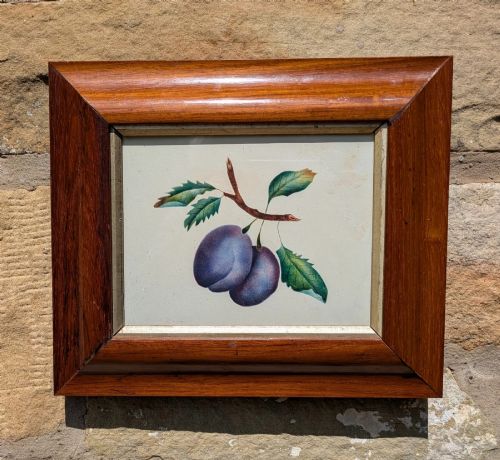
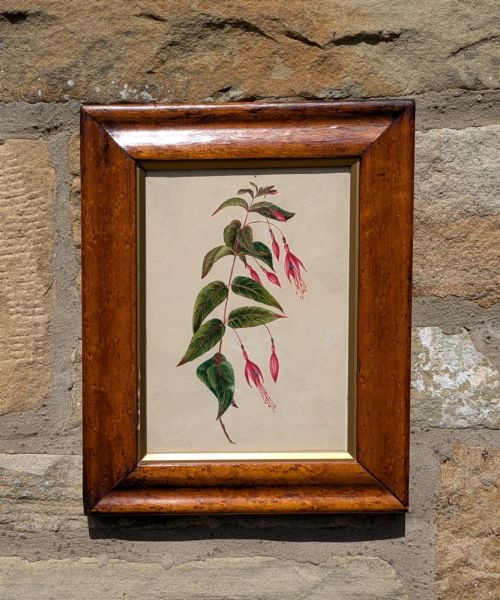
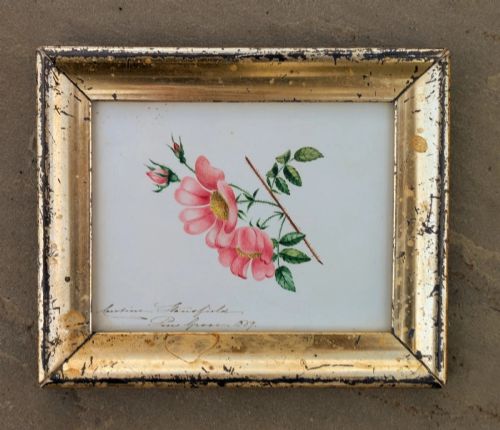
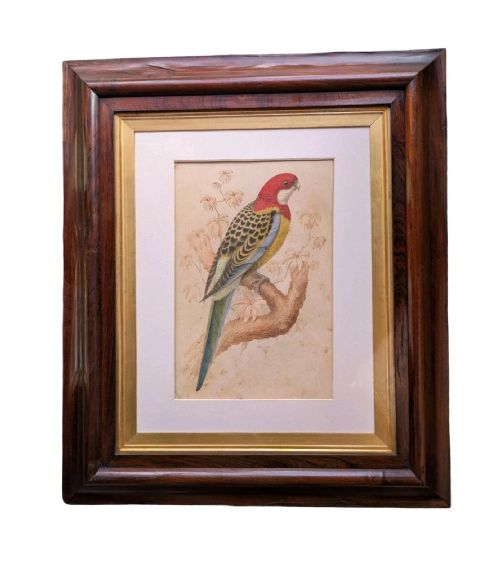
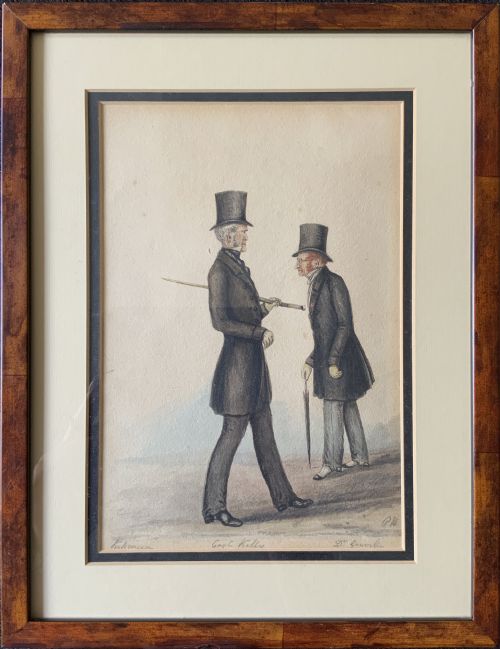
The selections available here lean heavily toward botanical and natural history subjects, alongside architectural views, maritime scenes, and character portraits. Common framing includes rosewood, ebonised timber, and deep giltwood mounts that protect the fragile medium.
Originating predominantly within the nineteenth century and extending into the Edwardian era, these works reflect the period's intense fascination with direct observation of the natural world and foreign landscapes. The grouping encompasses both signed works by known exhibitors and anonymous compositions of high technical skill.
Materials and technique
Watercolour pigment mixed with water forms the primary medium, applied to various weights of rag paper that provide the structural foundation for each painting. Artists frequently integrated ink for preparatory sketching and definition, while occasional gouache added opacity to highlights.
Frames utilised during the period typically incorporated wood such as rosewood, alongside gilded elements that complemented the subtle tones of the pigment. Glazing protected the absorbent paper surface from environmental damage while preserving the luminosity of the transparent washes.
Several artists captured the fierce expressions of exotic parrots and prowling leopards without ever leaving the comfort of Victorian Britain.
Distinctions in quality
Quality rests upon the sureness of the brushwork and the precision of observation, distinguishing a practiced hand from a stiff academic exercise. Mastery shows in the management of transparency and the preservation of light within the unpainted paper areas.
Condition plays a vital role, as exposure to light fades fugitive pigments and acidity in older backing papers causes yellowing. Original framing and clear provenance from documented exhibitions elevate individual sheets significantly.
James Smetham·Carl Haag·William Frederick Settle·James Hardy Junior·William Andrews Nesfield·Harry Bright·William Edward Frost·Robert Richard Scanlan·Edith Barrow·Grace Hastie·Marian Chase·Charlotte Isa James·Arthur Wardle·Charles James Adams·William Henry Hunt·Annie Mary Youngman·Francis William Topham·Peter Toft·Montagu Barstow·Tom Dudley·John Sherrin·Cuthbert Edmund Swan·Margaret Thompson
The Victorian Watercolour Study Glossary
- Watercolour pigment
- Finely ground colour suspended in a water-soluble binder. It provides the translucent washes characteristic of these historic paintings.
- Gilt wood
- Timber treated with a thin layer of gold leaf or metallic gilt. This finish frames many nineteenth-century works to enhance their visual depth.
- Gouache
- An opaque watercolour medium containing a white pigment filler. Artists utilise this to introduce solid highlights and body to a composition.
- Botanical artwork
- Detailed depictions of plant life intended for scientific record or aesthetic appreciation. These studies form a major category within nineteenth-century painting.
- Works on paper
- A broad classification encompassing drawings, watercolours, and prints. It highlights the delicate substrate common to these historic pieces.
Victorian Watercolour Study: Frequently Asked Questions
What subjects appear most often in these paintings?
Subjects range widely across natural history, portraiture, and topography, reflecting the varied interests of nineteenth-century artists. Botanical studies, maritime views of sailing vessels, and architectural sketches dominate the available selections.
Animals, still-life arrangements of fruit and flowers, and foreign landscapes also feature prominently. Each genre demonstrates the era's dedication to careful observation and recording of the world.
How should I care for a nineteenth-century watercolour?
These works require protection from direct sunlight and high humidity to prevent pigment fading and paper degradation. Hanging them away from bright windows preserves the delicate colours.
Professional framing with acid-free backing materials and UV-filtering glass ensures long-term preservation. Regular checks for moisture and insect activity keep the paper stable.
Are most of these pieces signed by the artist?
Signatures appear on many examples, often in ink or pencil near the lower edge, while others remain anonymous. Unsigned sheets frequently originate from sketchbooks compiled by skilled practitioners of the period.
Attributions rely on stylistic comparison, contemporary exhibition records, or occasional inscriptions on the reverse of the paper or frame. Both signed and unsigned works offer insight into period techniques.
How do I distinguish between an original painting and a print?
Examination under magnification reveals the characteristic pooling of pigment and brush stroke textures unique to watercolour painting. Prints display dot patterns or uniform ink application associated with reproduction processes.
The paper surface of an original study often shows indentations from preliminary pencil work and the subtle buckling caused by wet washes. Edge examination typically reveals the natural deckle of historic paper.