


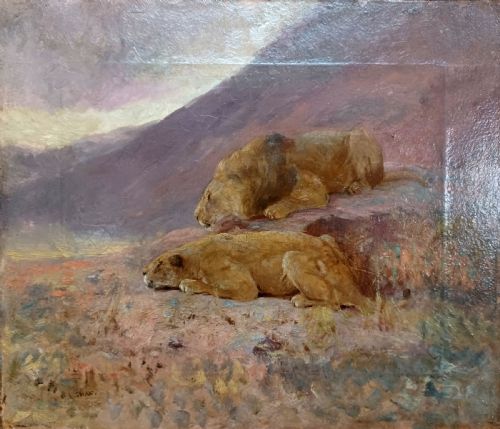


British Wildlife Artwork
British wildlife artwork captures the character of native fauna through the hands of Victorian, Edwardian and mid-century painters and printmakers.
British Wildlife Artwork
British wildlife artwork includes oil paintings, watercolours, etchings and pastels depicting animals, birds and landscapes from the nineteenth and twentieth centuries. These pieces record natural history and sporting subjects through the styles of British Naturalism, Victorian Animalier and Modern British art.
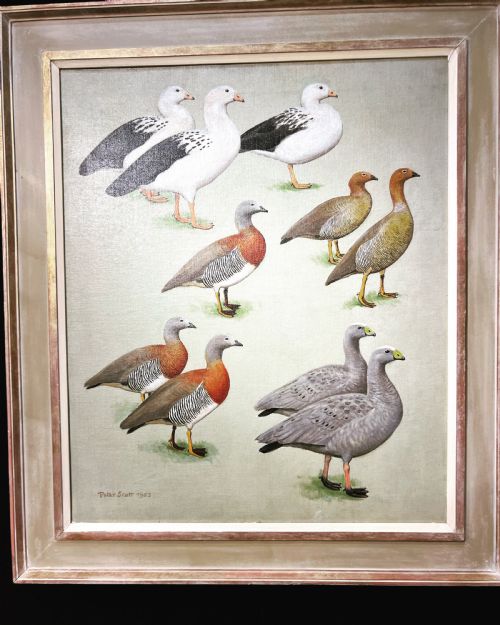
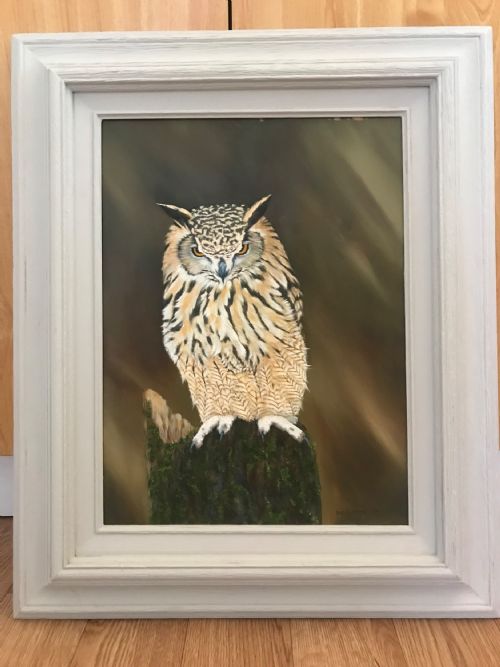
The selections available here range from detailed studies of songbirds and owls to large depictions of deer, foxes and wildfowl. Painters such as George Armfield and Charles F. Tunnicliffe represent the shift from Victorian sporting traditions toward mid-century observation.
Materials and techniques
Artists worked primarily with oil paint on canvas or panel, watercolour and gouache on paper, and printed techniques such as etching. Pigments were applied to capture the texture of feathers and fur, often framed in wood or gilt wood.
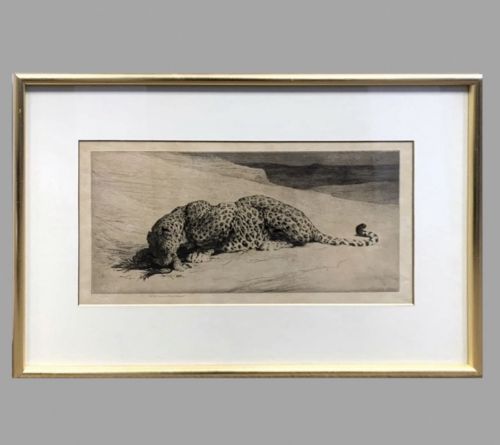
Etchings on paper utilised inked plates to produce detailed limited editions, while pastels and watercolours relied on swift, descriptive marks to record birds and mammals in their natural habitats.
Listings feature works spanning the nineteenth century, Edwardian period, and 1950s and 1960s.
Judging quality in wildlife pieces
Quality rests upon the artist's ability to render anatomy and movement convincingly, distinguishing a generic study from a piece by a recognised practitioner such as Herbert Dicksee or Arthur Wardle. Stronger works demonstrate accurate observation of light, atmosphere and animal behaviour.
The survival of the original medium, whether oil on canvas or delicate watercolour on paper, influences the piece's condition. Examples retaining their initial colour balance and early framing demonstrate superior preservation.
Sir Peter Markham Scott·Herbert Dicksee·Carl Whitfield·Joseph Knight·Dame Elisabeth Frink·George Armfield·Charles F. Tunnicliffe·Thomas Blinks·Arthur Wardle·John Macallan Swan·Cuthbert Edmund Swan·Godfrey Douglas Giles
The British Wildlife Artwork Glossary
- Etching
- A printmaking process where lines are bitten into a metal plate with acid before being inked and pressed onto paper. This technique allows for fine, detailed lines.
- Gouache
- An opaque water-based paint that provides solid, flat areas of colour and highlights. It is frequently combined with watercolour in nineteenth-century works on paper.
- Oil painting
- Pigments bound in a drying oil, usually applied to canvas or wood panel. This medium offers deep colour saturation and gradual blending.
- Victorian Animalier
- An artistic genre focusing on the realistic depiction of animals. It gained prominence during the nineteenth century through detailed studies of wildlife and pets.
British Wildlife Artwork: Frequently Asked Questions
What periods do these pieces cover?
The works span from the nineteenth century through the Edwardian era and into the mid-twentieth century. Artists recorded native and exotic fauna across these changing decades.
Styles shift from detailed Victorian naturalism toward the cleaner lines of modern British painting by mid-century.
How should I care for works on paper?
Watercolours and etchings on paper require protection from direct sunlight to prevent fading of the pigments and paper degradation. Acid-free mounting and framing help preserve the condition over time.
Keep them in rooms with stable humidity to avoid warping or foxing on the paper surface.
What subjects are most common?
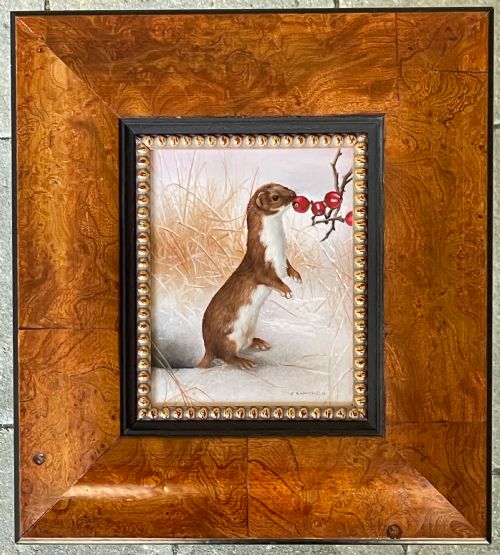
Birds feature frequently, including owls, blue tits, thrushes and wildfowl such as geese and ducks. Mammals also appear regularly, from foxes and weasels to deer and large cats.
Many pieces place these animals within distinct British landscapes like Dartmoor or marshland environments.
Are these works original or prints?
The selection includes both unique works, such as oil paintings, watercolours and pastels, and printed works like signed etchings. Each listing specifies the exact medium used by the artist.
Print listings often note whether the piece is part of a limited edition or an artist proof.