



Framed Wildlife Painting
A framed wildlife painting brings the movement and character of the natural world directly onto an interior wall.
Framed Wildlife Painting
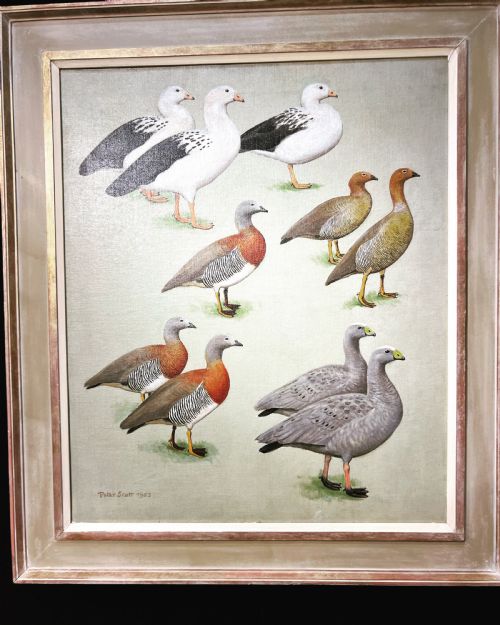
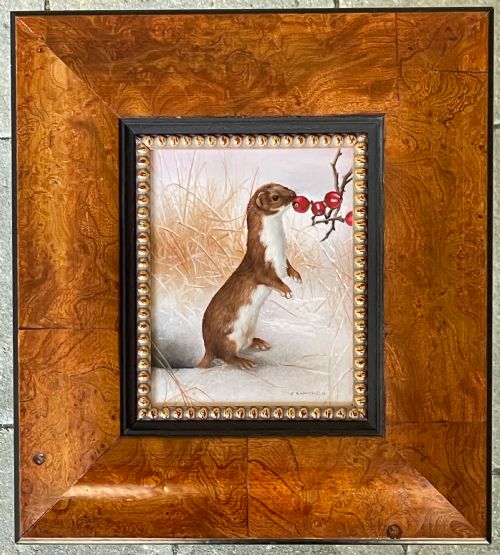
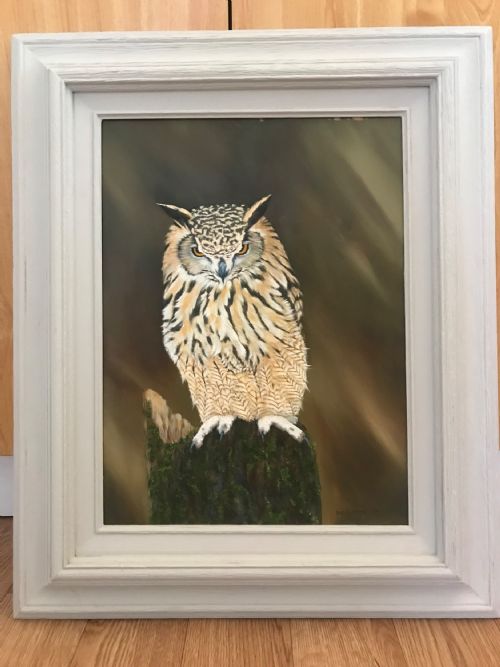
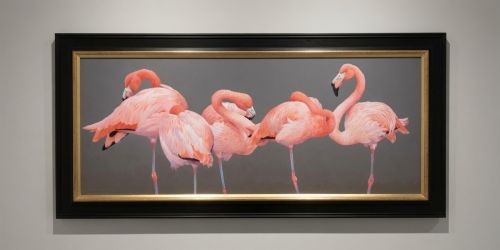
A framed wildlife painting captures animals, birds and natural landscapes across centuries of artistic observation. The selection ranges from Victorian studies of game birds to mid-century watercolours of parrots and songbirds.
Buyers encounter oil paintings on canvas and board alongside delicate watercolours on paper and gouache works. Pieces span eras from the eighteenth century through to the mid-twentieth century, reflecting changing tastes in natural history illustration.
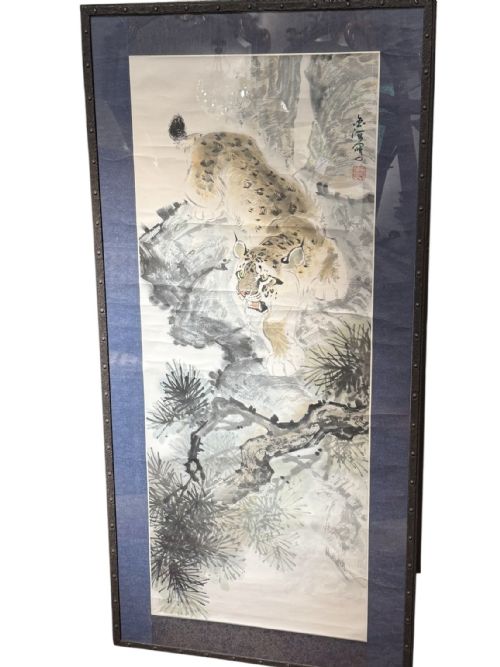
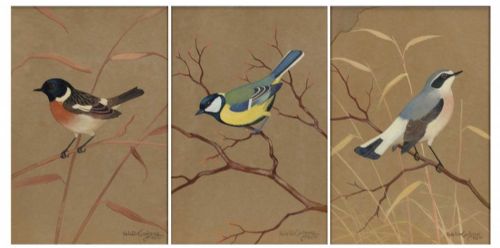
The subjects extend from British garden birds and deer on moorlands to exotic snow leopards and waterfowl. Works appear in various traditional framing styles that preserve and complement the paper or canvas within.
How they were made
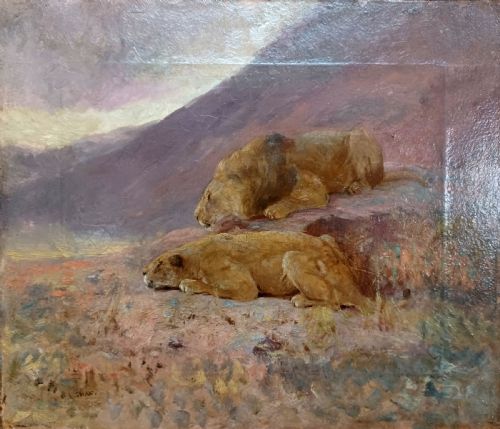
Artists utilise oil paint on canvas or wooden panel to build rich textures and deep tones for larger mammalian subjects and dramatic scenes. Watercolours and gouache on paper allow for fine, precise detailing of feathers and plumage in bird studies.
Pigments are applied using traditional brushwork techniques, sometimes combined with pastel or ink depending on the period. Works are protected behind glass where executed on paper, or left open to the air when rendered in oil on canvas.
Wooden frames provide structural support and often incorporate gilt finishes suited to the aesthetic of the Victorian and Edwardian eras. Scroll mountings appear in examples originating from traditional Chinese traditions.
Frogs and toads occasionally share canvas space with eighteenth-century ducks, proving wildlife artists rarely ignored the amphibians underfoot.
What varies in quality
The anatomical precision and liveliness of the subject separate master works from standard decorative pieces. An accomplished artist captures the tension in a stalking predator or the delicate structure of a bird wing with absolute conviction.
The handling of light and background atmosphere dictates the depth of the composition. Stronger works integrate the animal naturally into its habitat rather than placing a generic creature against a plain backdrop.
The preservation of the original medium, whether oil or watercolour, influences visual impact. Unfaded pigments and intact historical wooden frames maintain the integrity intended by the creator.
Sir Peter Markham Scott·Carl Whitfield·David Orr Kerr·Ralston Gudgeon·Dame Elisabeth Frink·Philipp Ferdinand de Hamilton·Marmaduke Cradock·Jacob Bogdani·Charles F Tunnicliffe·Cuthbert Edmund Swan·Thomas Blinks·Arthur Wardle·Constant Ludovic Artz·Robin Hill·Michael Jackson·Paul-Louis Barruel·Donald Watson·Godfrey Douglas Giles·William Crampton·James Malcolm Stewart·Stephen Elmer·Archibald Thorburn
The Framed Wildlife Painting Glossary
- Watercolour
- A painting method where fine pigment is suspended in water-soluble binders and applied to paper. It offers translucent washes suitable for detailed natural history illustration.
- Oil paint
- A slow-drying medium composed of pigments suspended in a drying oil, typically linseed. This allows artists to blend tones smoothly across canvas or panel.
- Gouache
- An opaque water-based paint that includes a white pigment filler, resulting in a heavier, solid finish. It often appears alongside watercolour to add highlights to wildlife studies.
- Natural history illustration
- Scientific or artistic depiction of animals and plants with strict attention to anatomical accuracy. These works served both aesthetic and documentary purposes.
- Animalier
- A nineteenth-century artistic genre focused on the realistic portrayal of animals. Practitioners specialised in capturing beasts in motion or combat.
Framed Wildlife Painting: Frequently Asked Questions
How do I care for a watercolour wildlife painting?
Keep works on paper away from direct sunlight to prevent the pigments from fading over time. Ensure they hang in rooms with stable humidity levels to protect both the paper and the historical frame.
Are these paintings original artworks?
The selection consists primarily of original hand-painted oils and watercolours created directly by artists. Some listings also include period game prints reproducing traditional artwork.
How do I identify a Victorian animal painting?
Victorian pieces often feature dramatic realism, deep oil tones, and subjects like hunting scenes or domestic wildlife. They typically reside within heavy, ornate gilt wooden frames characteristic of the nineteenth century.
Where should I hang a large wildlife oil painting?
Large oils on canvas require a sturdy wall with adequate space to let the composition breathe. Dining rooms and studies suit the traditional aesthetic of these substantial animal studies.