
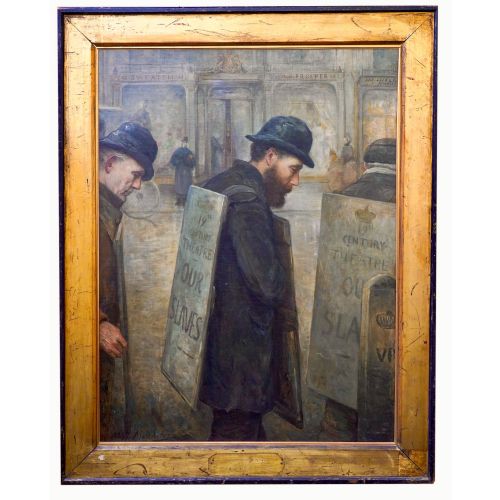

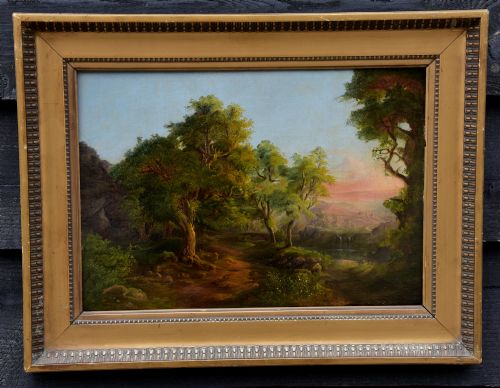
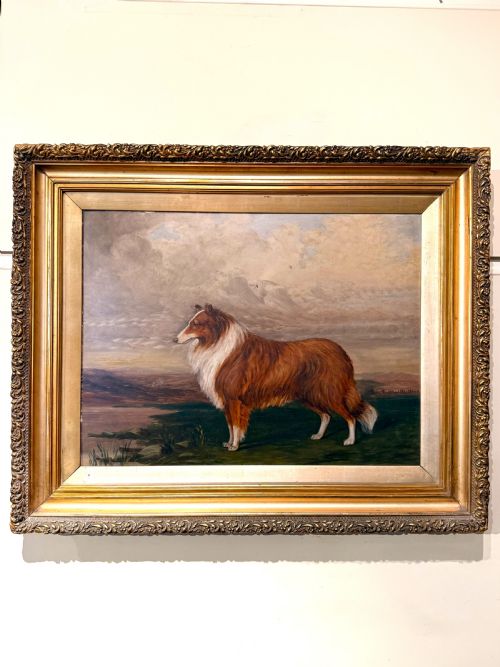
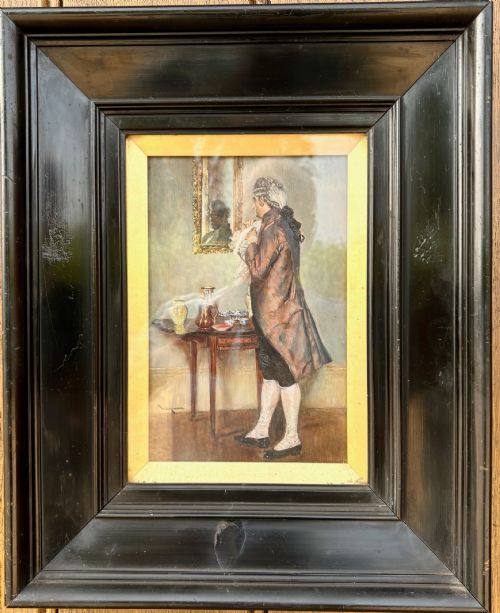



Victorian Oil on Board
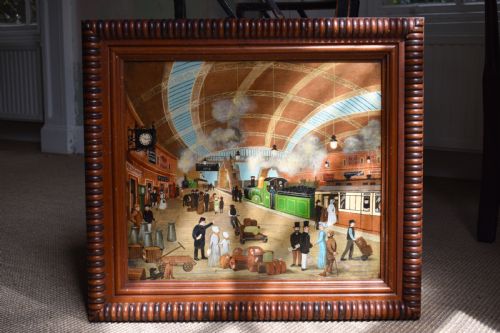
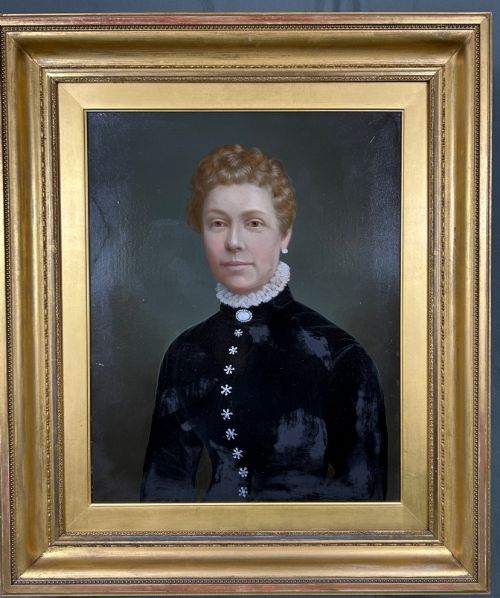
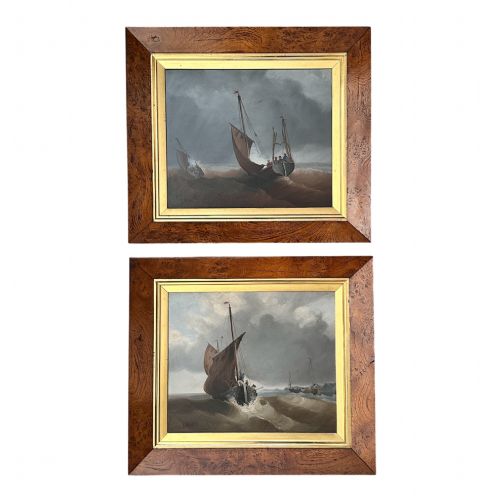
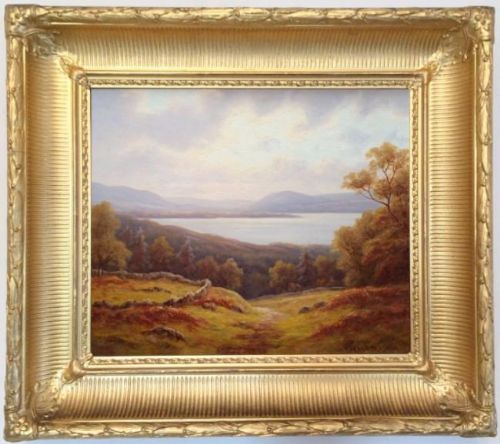
Victorian oil on board paintings capture detailed landscapes, animal studies and intimate portraits rendered by artists working directly onto rigid wooden supports.
Victorian Oil on Board
A victorian oil on board is a painted artwork executed on a rigid wooden panel rather than flexible canvas, offering a durable surface favoured by nineteenth-century artists for both plein air sketches and finished studio works. Buyers searching this phrase encounter a diverse array of subjects ranging from tranquil woodland scenes and coastal marine views to domestic animal studies and expressive character portraits.
The selections span various nineteenth-century movements, including romanticism, social realism, maritime painting and orientalist subjects. Portraiture and rural landscapes dominate the available examples, frequently housed within their original giltwood frames.
Most pieces date from the mid-to-late nineteenth century, reflecting the Victorian era's broader cultural enthusiasm for accessible domestic art. Collectors often find works bearing signatures from regional British artists alongside unsigned examples attributed to notable schools.
How They Were Made
Artists applied oil paint directly onto prepared wooden boards or panels, which provided a firm, stable ground that resisted the sagging and stretching common in canvas supports. This rigid foundation allowed for precise brushwork and rapid sketching during outdoor painting excursions.
Finished works were frequently housed in decorative gilt wood or ebony frames that complemented the rich pigments of the paint. The combination of oil medium and wooden support ensured remarkable longevity for these portable nineteenth-century compositions.
Victorian Oil on Board Retail Price Guide 2026
Typical asking prices for victorian oil on board among the pieces listed under this phrase on Sellingantiques today, from the lower quarter to the upper quarter. They describe what is for sale here now, not the wider market.
Nineteenth-century artists frequently reused cigar box lids as convenient wooden boards for spontaneous landscape sketches.
What Varies in Quality
The standard of a victorian oil on board depends heavily on the artist's brush control, anatomical accuracy in figures or animals, and the atmospheric depth of the composition. Works by established named painters command greater attention than anonymous student pieces due to superior draughtsmanship and tonal harmony.
The preservation of the original surface and the presence of a period-appropriate gilt frame significantly elevate a piece's visual integrity. Subtle details, such as the expressive rendering of light in a landscape or texture in a portrait, distinguish exceptional works from standard decorative examples.
Felix Stone Moscheles·W.D. Almond·John Moore of Ipswich·Everett Watson Mellor·James Kyd·William Mellor·George Hilditch·Colin Graeme Roe·John Falconar Slater·Benjamin Callow·Richard Wilson
The Victorian Oil on Board Glossary
- Oil on Board
- A painting executed with oil-based pigments upon a rigid wooden panel or artists' board. This technique provides a firm, unyielding surface that prevents the cracking associated with aged canvas.
- Giltwood
- Wood that has been decorated with a thin layer of gold leaf or gilt powder. It is frequently seen on nineteenth-century frames designed to enhance the artwork.
- Genre Painting
- A pictorial representation of scenes from everyday life involving ordinary people engaged in common activities. These works provide social history through domestic and street narratives.
- Tondo
- A circular painting or relief sculpture. This format challenges composition by requiring the artist to balance elements within a round border.
- Plein Air
- The act of painting outdoors to capture direct observations of natural light and atmosphere. Artists utilised portable board supports extensively for this method.
Victorian Oil on Board: Frequently Asked Questions
How do I clean a victorian oil on board?
Surface dust should be removed gently using a soft, dry artist's brush without applying moisture or pressure to the paint layer.
Professional conservators should handle any deep cleaning or removal of aged varnish to prevent permanent damage to the delicate oil pigments.
Were these paintings meant for framing?
Almost all nineteenth-century oil boards were intended for display within decorative frames, which protected the vulnerable edges of the panel.
Original period frames add substantial context and aesthetic value to the artwork they enclose.
How can I tell board from canvas?
A board offers a completely rigid surface that does not yield when gentle pressure is applied to the reverse side.
Canvas supports display a distinctive woven textile texture and slight elasticity when touched.
Where were these paintings displayed?
Middle-class and aristocratic Victorian homes utilised these portable artworks to adorn parlour walls, studies and drawing rooms.
Their manageable scale made them ideal for domestic display rather than grand institutional galleries.