

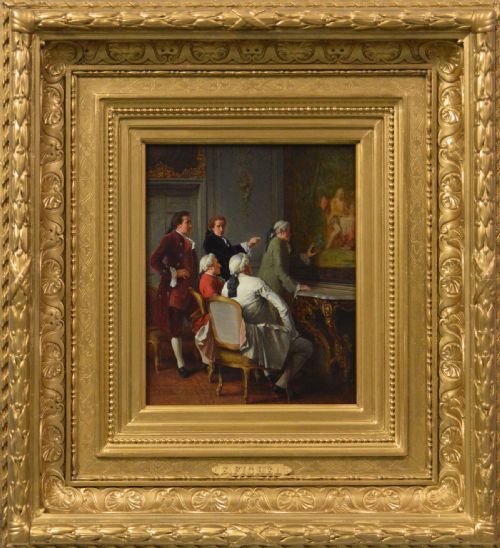


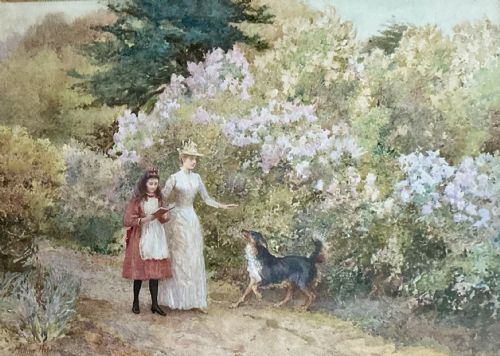


Historical Scene Artwork
Historical scene artwork captures dramatic narratives, domestic vignettes and bygone eras through oil paint, watercolours and engravings.
Historical Scene Artwork
When searching for historical scene artwork, a buyer examines narrative paintings, drawings and prints depicting past events, military encounters and period genre scenes. These works range from monumental social history compositions to intimate domestic interiors, capturing human activity across centuries.
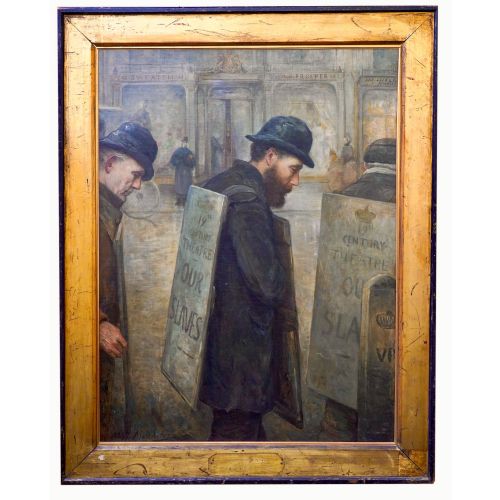
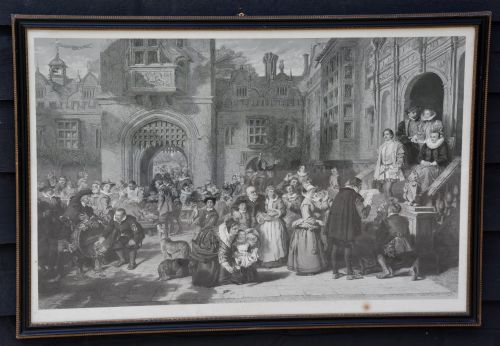
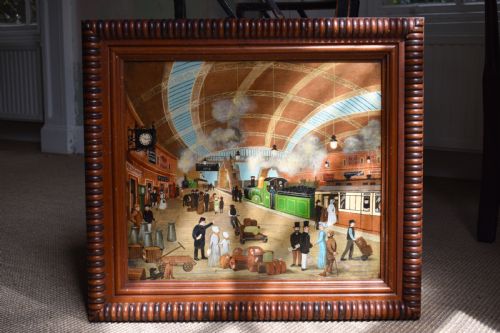
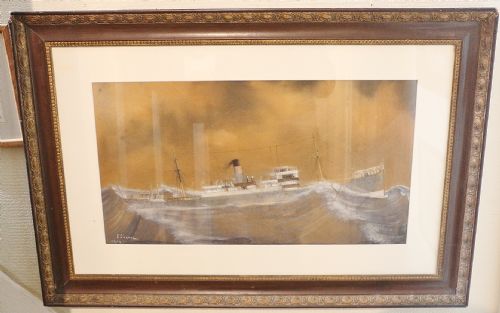
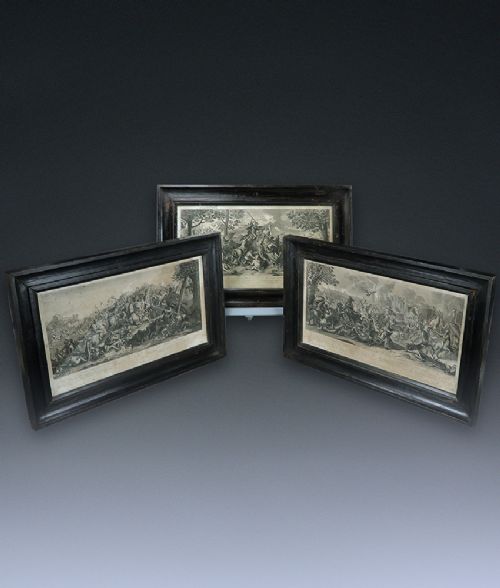
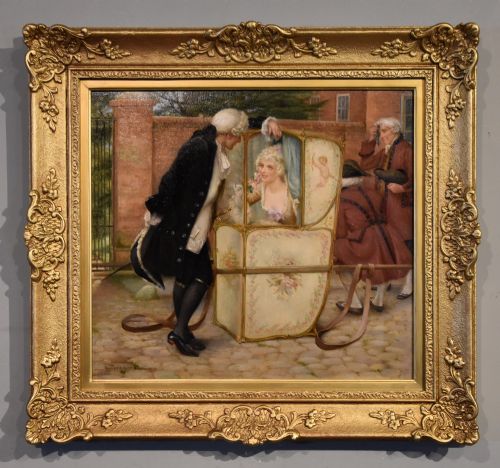
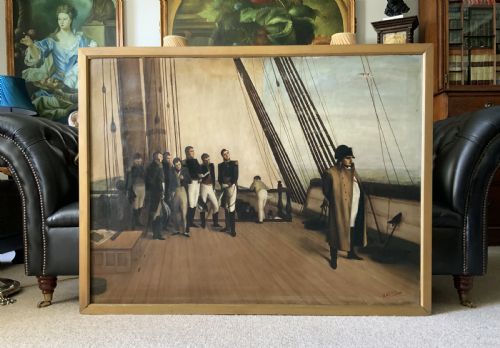
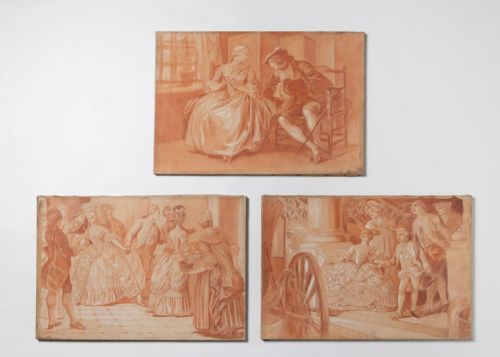
The pieces on this page lean heavily toward nineteenth-century oil paintings and works on paper, alongside eighteenth-century prints and seventeenth-century Italian school canvases. Common subjects include naval battles, railway stations, domestic courtrooms and costumed figures in architectural settings.
Buyers encounter everything from signed watercolours of local fishing dockyards to massive giltwood-framed canvases depicting classical triumphs and military skirmishes. These varied formats reflect the diverse ways artists recorded both grand historical moments and quiet everyday narratives.
Materials and technique
Artists relied primarily on oil paint applied to canvas, wood or board, building rich layers of colour and texture to render period costume and dramatic lighting. Watercolours and inks on paper offered a more immediate medium for topographical views and rapid battlefield sketches.
Works of this nature depend heavily on their original framing, often utilising carved giltwood, Hogarth frames or heavy moulded timber to protect and complement the imagery. Engravings and printed works utilised copper plates and paper, sometimes combined with needlework to create textured picture surfaces.
Assessing quality
Quality rests upon the artist's command of figure drawing, compositional balance and the atmospheric rendering of light within the scene. Superior works display confident brushwork and anatomical precision, whereas lesser pieces rely on stiff posture and repetitive backgrounds.
The integrity of the surface and the retention of the original frame heavily influence the standing of a piece. Works retaining documented signatures, contemporary inscriptions or early labels carry greater documentary weight than anonymous studio copies.
Felix Stone Moscheles·Benjamin Eugene Fichel·Alfred George Morgan·Robert Alexander Hillingford·George Morland·Frank Moss Bennett·Rolinda Sharples·Willem Johannes Martens
The Historical Scene Artwork Glossary
- Genre painting
- Depiction of aspects of everyday life by depicting ordinary people engaged in common activities. These scenes often focus on domestic interiors, tavern life or street markets.
- Engraving
- A printmaking technique where an artist carves an image into a metal plate, typically copper, using a burin. The inked lines are then transferred under pressure to paper.
- Oil on canvas
- A painting medium consisting of pigments suspended in drying oils, applied to a stretched woven fabric support. This combination allows for rich blending and deep colour saturation.
- Trench art
- Decorative or utilitarian objects made by soldiers, prisoners of art and civilians during conflicts from raw materials found at hand. In this context, it includes battlefield drawings executed on active service.
- Giltwood
- Wood that has been coated with a thin layer of gold leaf or powder. It is commonly found on traditional frames designed to highlight oil paintings.
Historical Scene Artwork: Frequently Asked Questions
What is historical scene artwork?
Historical scene artwork comprises paintings, drawings and prints that depict narratives from history, literature or everyday life in past centuries. These pieces serve as visual records of human activity, fashion and architectural settings.
Makers range from academic painters producing large military canvases to watercolourists recording local harbour views and domestic interiors.
How were these artworks displayed?
Historically, these pieces were housed in grand country houses, municipal buildings and domestic parlours, framed in heavy giltwood or timber to match interior decor.
Today, they function as focal points in period or contemporary rooms, displayed at eye level on picture rails or solid walls.
How do I identify the period?
Dating relies upon stylistic cues in the clothing, architecture and painting technique, alongside framing methods and handwritten labels on the reverse.
Signatures, artist dates and archival records further anchor a piece within the seventeenth, eighteenth, nineteenth or early twentieth centuries.
Are these pieces original?
The listings include original hand-painted works in oil and watercolour, alongside period engravings and prints pulled from early plates.
Documentation such as signatures, artist attributions and nineteenth-century labels help distinguish unique compositions from later reproductions.