




Large Gilt Frame Artwork
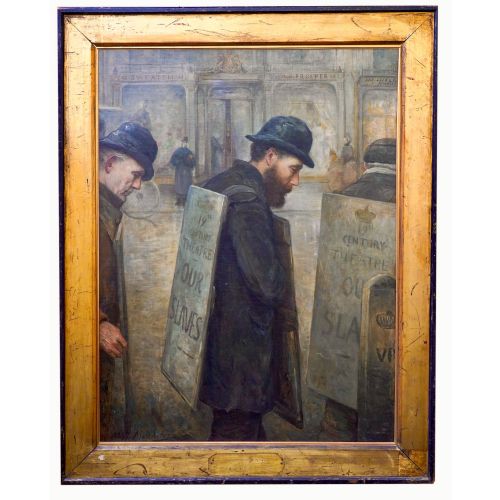
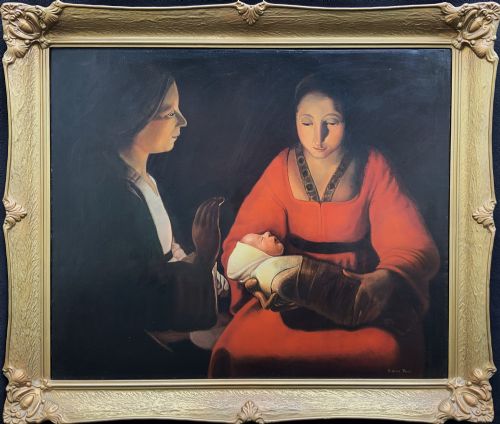
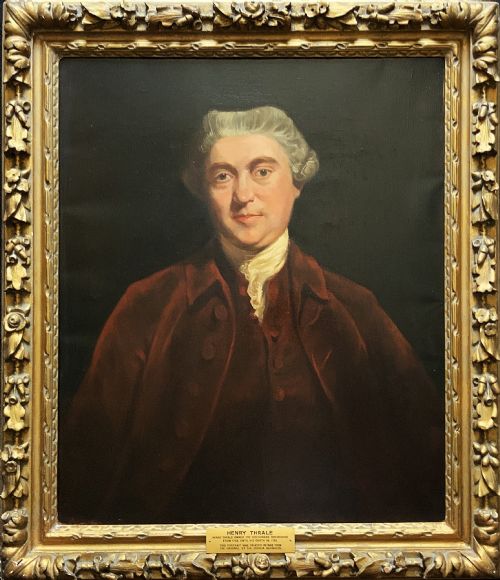
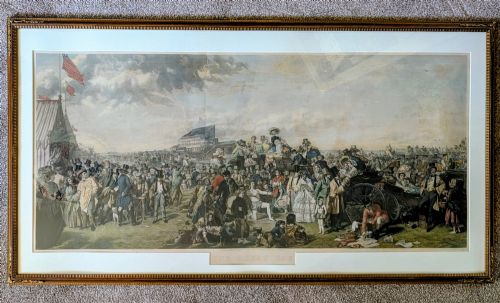
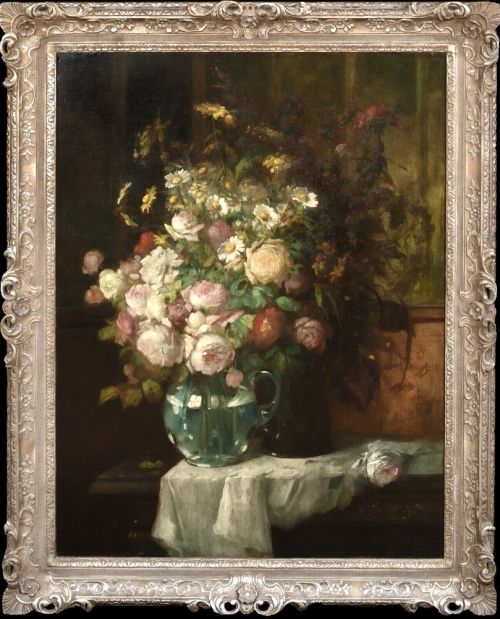
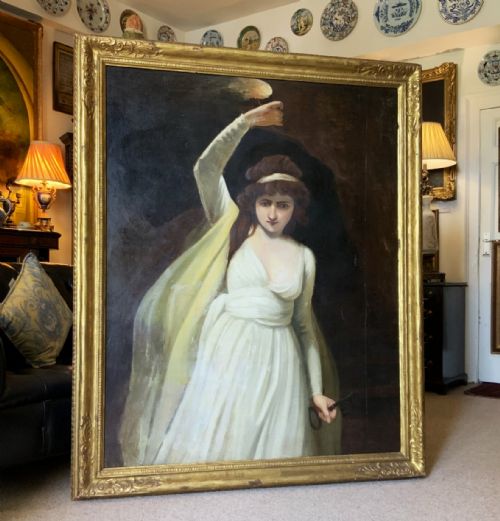
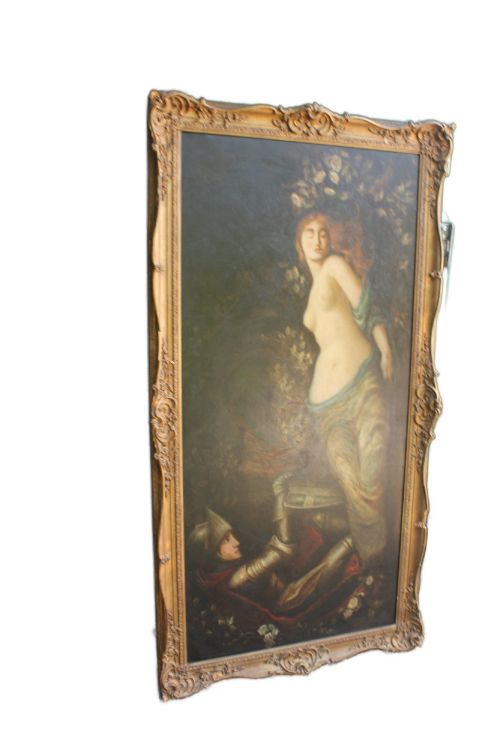
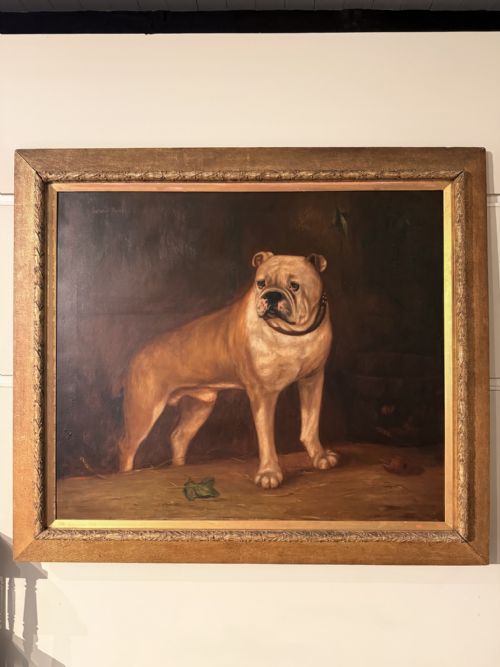
When you search for large gilt frame artwork, you encounter substantial oil paintings, pastels and prints enclosed in ornate wooden borders.
Large Gilt Frame Artwork
These works comprise oil paintings, pastels, prints and engravings housed within substantial frames. You will frequently encounter Victorian and eighteenth-century examples alongside mid-century interpretations.
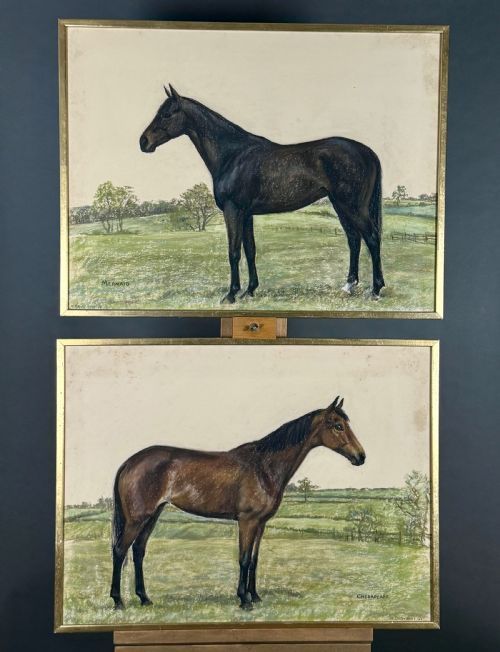
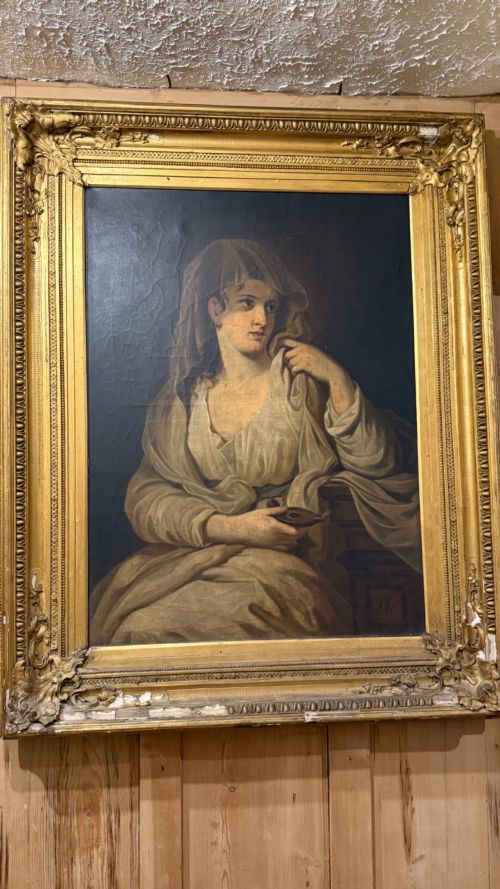
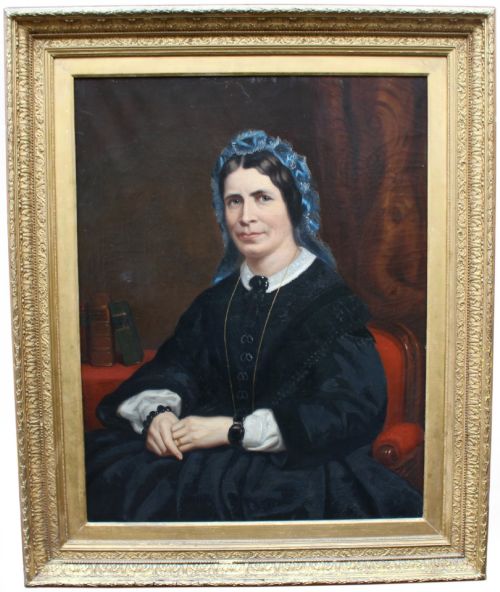
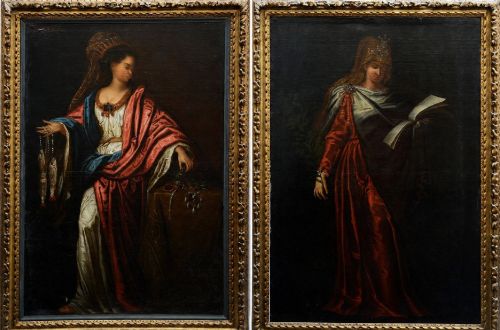
The subjects range from romantic landscapes and historical portraits to sporting scenes and still life compositions. Many pieces originate from British, French and Austrian schools across the nineteenth and twentieth centuries.
Framed art of this scale often dominates a wall, functioning as a primary focal point within a room. The integration of gilded woodwork enhances the visual weight and historical character of each piece.
How they were made
Makers constructed the primary supports using canvas, wood, paper and board, applying oil, pastel or gouache pigments by hand. Engravings and textured prints also appear alongside original painted surfaces.
Frames utilise wood bases coated in gesso before the application of fine metal leaf or gilt finishes. Linen slips frequently separate the artwork from the outer wooden moulding to provide a measured transition.
Listings feature oil paintings, pastels and engravings spanning from the eighteenth century through the mid-twentieth century.
What varies in quality
The skill evident in the brushwork or draftsmanship dictates the artistic standing of the visual centrepiece. Finely detailed portraiture and nuanced landscape lighting distinguish superior compositions from simpler decorative output.
The craftsmanship of the framing enclosure involves depth of relief carving and the integrity of the gilt surface. Original hand-carved wooden frames exhibiting crisp gesso ornamentation command greater attention than later replacement mouldings.
Richard Sebastian Bond·Felix Stone Moscheles·William Powell Frith·Thomas Smythe·W.R. Waters·Konstantin Stoitzner·John Opie·James Hamilton·George Watson·Harold Knight·Erich Mercker·Robert Cleminson·Joseph Knight·Alexandre Le Bihan·William Henry Mander·Thomas Sidney Cooper
The Large Gilt Frame Artwork Glossary
- Gesso
- A plaster-like mixture applied to wooden frame bases to create a smooth surface for gilding. It holds crisp relief details when carved or moulded.
- Giltwood
- Wood that has been coated with thin sheets of gold metal leaf. This technique protects the underlying timber while producing a radiant metallic finish.
- Pastel
- A medium consisting of powdered pigment bound into stick form for drawing on paper. Works executed in this material require protective glazing to prevent pigment displacement.
- Slip
- A narrow border, often covered in fabric such as linen, positioned inside a picture frame. It creates a visual buffer between the artwork and the outer moulding.
Large Gilt Frame Artwork: Frequently Asked Questions
What subjects do these artworks feature?
The inventory encompasses a wide array of subjects, including pastoral landscapes, equestrian studies, maritime views and botanical still lifes. Historical narratives and formal portraiture also feature prominently among the heavier framed pieces.
Artists across the eighteenth, nineteenth and mid-twentieth centuries utilised these genres to capture contemporary life, domestic interiors and dramatic natural scenery. Each subject interacts differently with the accompanying gilt border depending on the era of creation.
How were the frames constructed?
Makers typically built the structural borders from timber before applying layers of gesso to smooth the contours. Artisans then laid fine metal leaf across the prepared surface to achieve the characteristic reflective golden appearance.
Many frames incorporate deep mouldings, cast ornamentation or linen slips to complement the scale of the central canvas. This construction method provided both structural rigidity and decorative grandeur.
How do I hang a heavy framed piece?
Due to the substantial weight of large wood and gesso frames, secure wall fixings directly into structural studs or masonry are essential. Utilising heavy-duty picture wire or synchronized D-rings distributes the load evenly across the structure.
Ensuring the hanging hardware matches the weight of the artwork prevents damage to both the wall and the antique frame. Professional installation is often advisable for works exceeding standard domestic dimensions.
How do I distinguish nineteenth-century frames?
Nineteenth-century frames frequently display deep profile mouldings, complex gesso corner ornaments and heavier wooden foundations. Examination of the reverse often reveals older construction techniques, oxidation on metal fixings and period labels.
Later reproductions may mimic these historic profiles but often lack the patina and hand-finished irregularities found on authentic nineteenth-century examples. Comparing the joinery of the frame corners provides further clues to its age.