


Antique Botanical Watercolour
An antique botanical watercolour brings the precision of natural history study into a room through delicate washes of pigment on paper.
Antique Botanical Watercolour
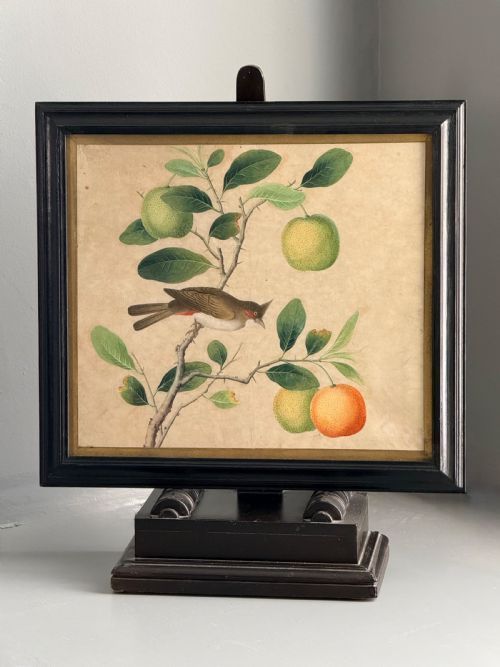
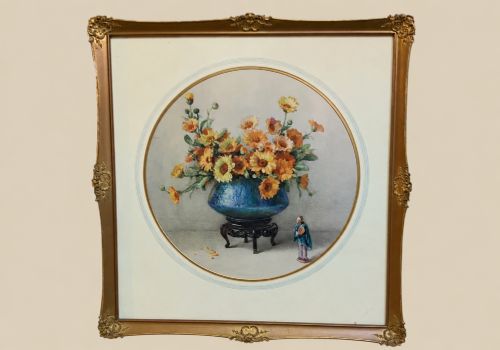
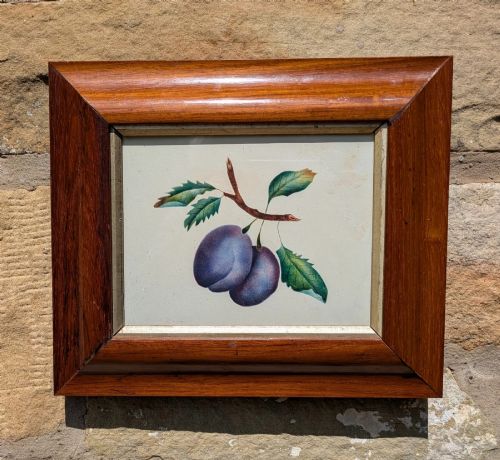
An antique botanical watercolour is a hand-painted study of plants, flowers, or fruit executed on paper, often preserved within period wooden or gilt frames. These works span periods from the eighteenth century through the mid-twentieth century, capturing scientific observation alongside decorative interior art.
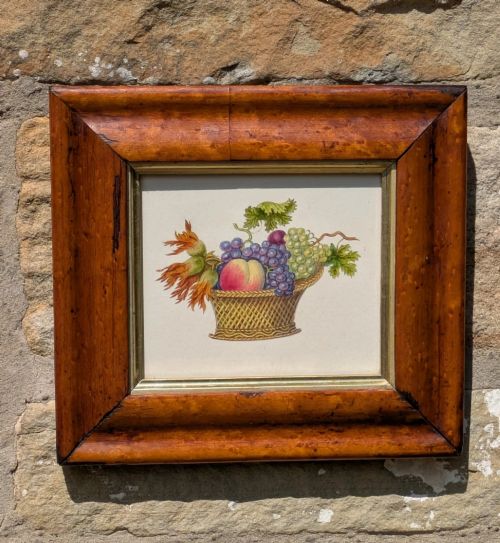
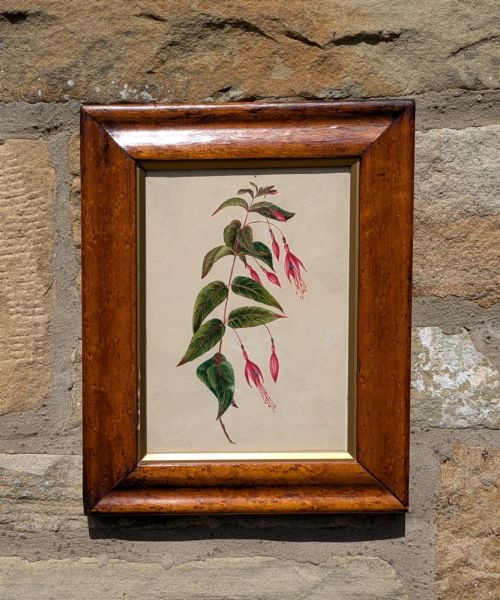
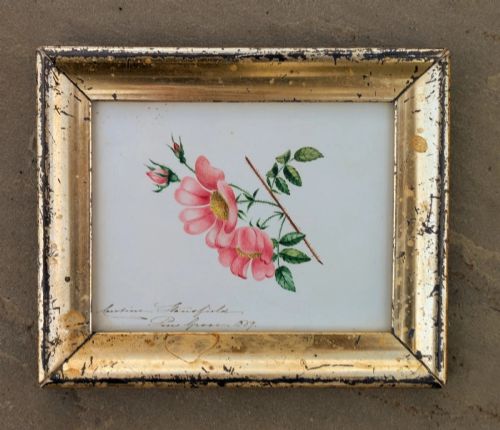
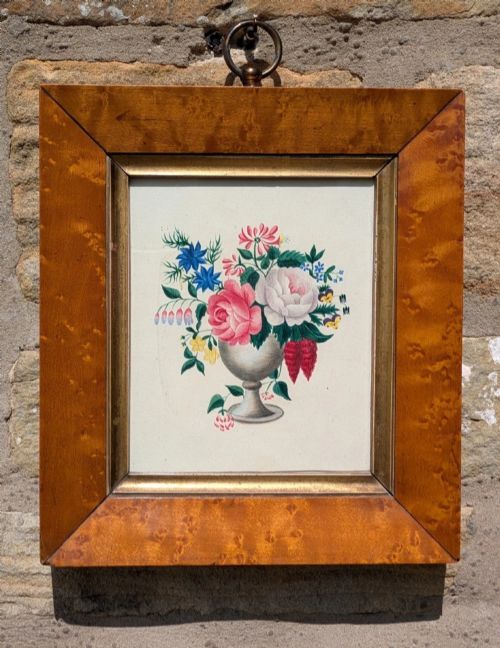
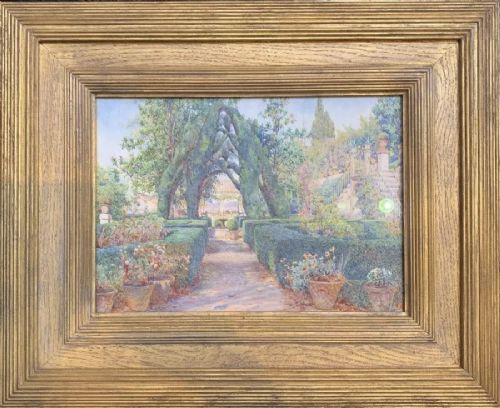
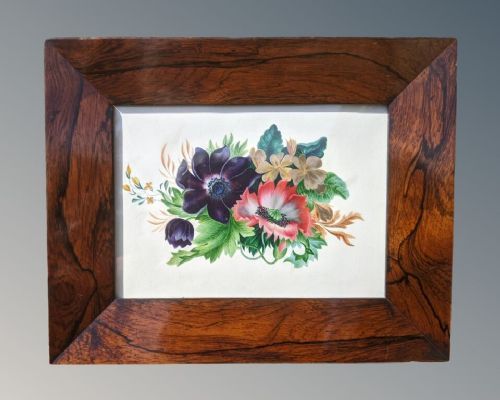
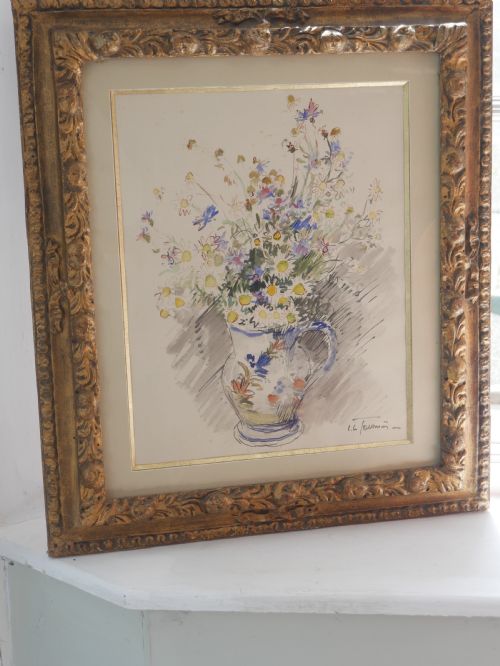
The most common examples on this page date from the nineteenth century, including Regency studies and Victorian naturalism pieces. They range from single floral portraits like roses, fuchsias, and azaleas to detailed arrangements in baskets, jugs, or garden settings.
Many items reflect British and European schools, with specific examples spanning the Regency era, the Aesthetic Movement, and later twentieth-century interpretations. Collectors encounter everything from anonymous English school studies to signed works by named Victorian and Edwardian flower painters.
How these watercolours were made
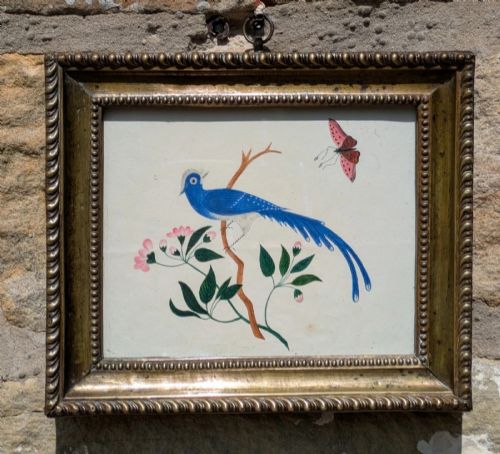
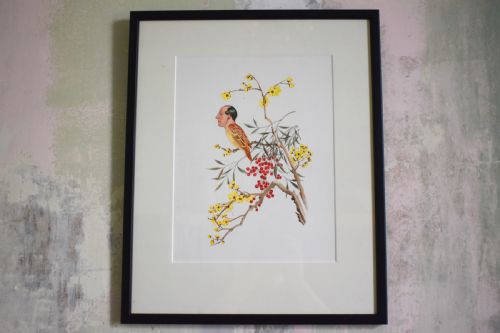
These works rely primarily on watercolour pigment and gouache applied to paper, occasionally utilising pencil underdrawings to map out complex petal structures and foliage. Some nineteenth-century pieces utilise specialised supports such as pith paper for delicate oriental compositions.
Framing forms an integral part of the physical object, with period examples housed behind glass in rosewood, maple, gilt wood, or pewter frames. These mountings often reflect prevailing design movements, from Regency mouldings to Aesthetic Movement metalwork.
Framing materials recorded in the evidence include rosewood, maple, gilt wood, and pewter.
What varies in quality
Quality rests on the precision of the botanical draftsmanship and the control of the pigment washes, separating hurried decorative sketches from rigorous observational studies. Master painters achieve depth and translucency in petals and leaves without muddying the lighter hues.
The preservation of the paper and the vibrancy of the original watercolour pigment also determine value, as fading alters the intended colour balance. Original period framing that complements the artwork adds coherence and historical integrity to the piece.
Ernest Arthur Rowe·John Sherrin·Alice Anne Renshaw·Harry Wanless·Henrietta Creswell·William Edward Fox·Lester Sutcliffe·William Andrews Nesfield·Lilian Stannard·William Hough·Eloise Harriet Stannard·Edith Barrow·Grace Hastie·Marian Chase·Alfred W Parsons·Jabez Bligh·Owen Bowen·Charlotte Isa James·Arthur Wardle·Alice Macallan Swan·Beatrice Parsons·Marion Broom·Annie Mary Youngman·Edith Alice Andrews·Otto Soltau
The Antique Botanical Watercolour Glossary
- Gouache
- An opaque watercolour paint mixed with a white pigment binder to create solid, flat colour fields. It is frequently combined with transparent watercolour in nineteenth-century botanical studies to highlight veins and edges.
- Pith paper
- A delicate material derived from the pith of the Tetrapanax papyrifer plant, used for traditional Asian paintings. It absorbs water-based pigments with a distinct velvety texture.
- Aesthetic Movement
- A late-nineteenth-century design style emphasising visual beauty over narrative or moral themes. Frames and compositions from this period often feature stylized floral motifs and unconventional materials like pewter.
- Regency
- The period in British history from 1811 to 1820, extending into the reign of George IV. Works from this style era often display refined, classical restraint and elegant framing.
- Still life
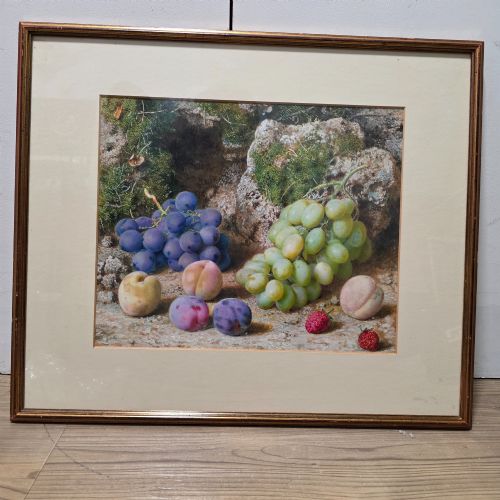
- An artwork depicting inanimate subject matter, typically commonplace objects such as vases of flowers, fruit baskets, or gathered garden foliage.
Antique Botanical Watercolour: Frequently Asked Questions
What is an antique botanical watercolour?
An antique botanical watercolour is a hand-painted illustration of plants, flowers, or natural specimens created on paper during past centuries. These works combine artistic skill with accurate natural history observation.
They served both as scientific records for botanists and as refined interior decoration for homes. Today, they offer a direct connection to historical methods of documenting the natural world.
How should I care for my watercolour?
Watercolour pigments are sensitive to strong light and humidity, meaning these pieces require careful placement away from direct sunlight. Framing behind glass protects the paper surface from dust and atmospheric moisture.
Maintaining a stable indoor climate prevents the paper from warping and keeps the colours from fading over time. Professional framing using acid-free materials ensures long-term preservation.
How do I identify a Victorian botanical painting?
Victorian botanical works often feature detailed naturalism, showing flowers in garden settings or arranged in baskets and jugs. The handling of the pigment tends to be precise, capturing the exact botanical structure of the plant.
Signatures, framing styles, and paper types can also provide clues to the period. Many pieces from this era reflect the Victorian fascination with natural history and gardening.
Were these paintings used in books?
Many botanical watercolours served as preparatory studies for hand-coloured engravings published in nineteenth-century periodicals and botanical folios. Artists painted from live specimens to ensure scientific accuracy before publication.
Other works were created as independent cabinet pieces or framed decorative studies for domestic display rather than book illustration. Both finished artworks and working studies survive in collections today.