
Antique Still Life
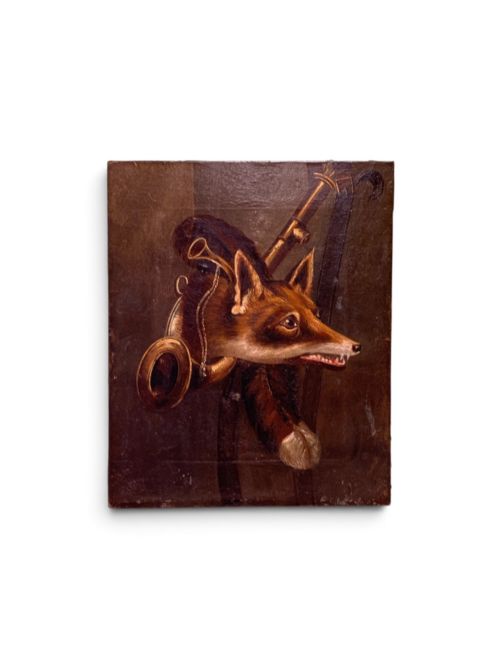
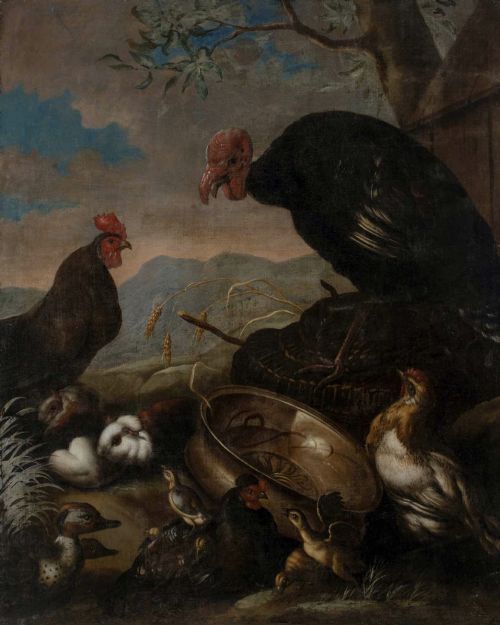
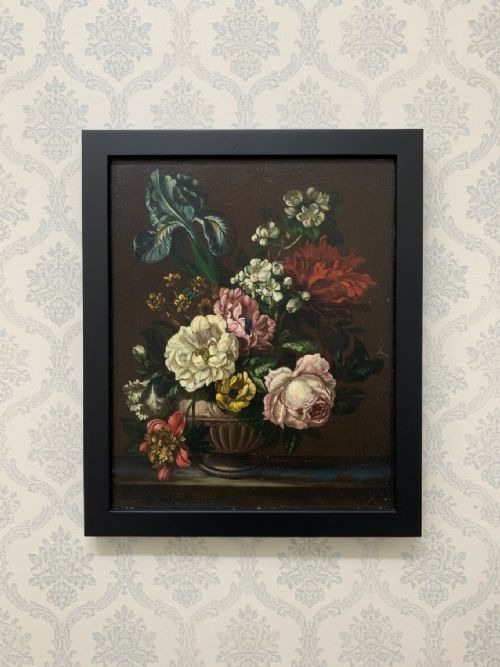
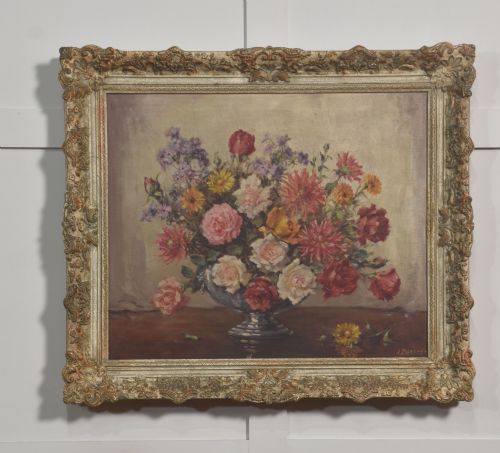
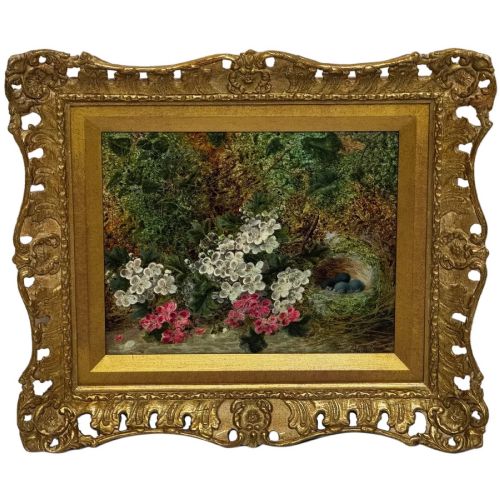
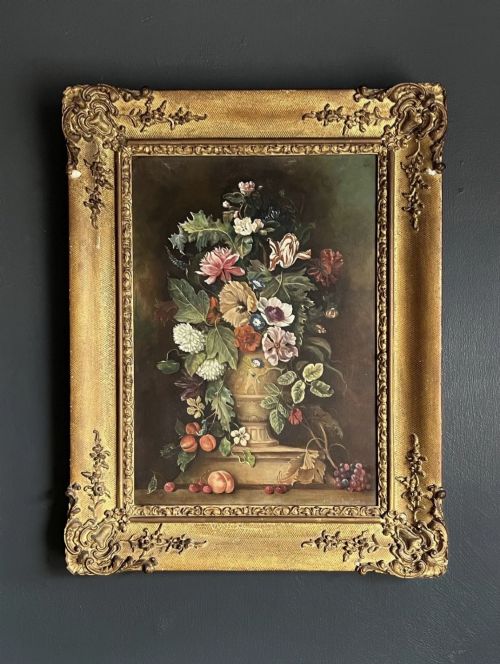
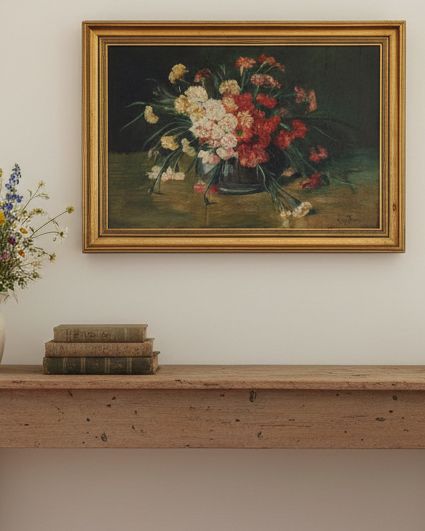
These antique still life paintings and works on paper capture centuries of carefully arranged flora, fauna and provisions.
Antique Still Life
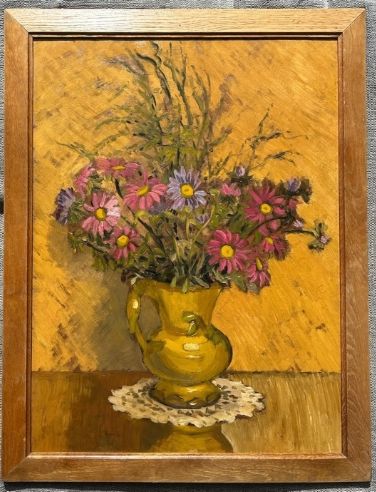
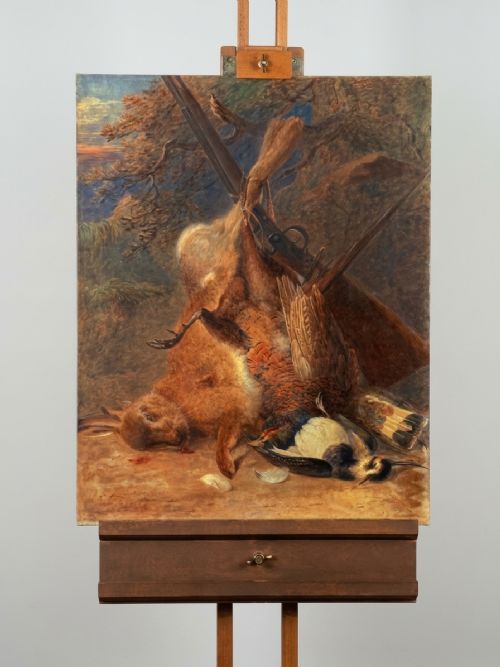
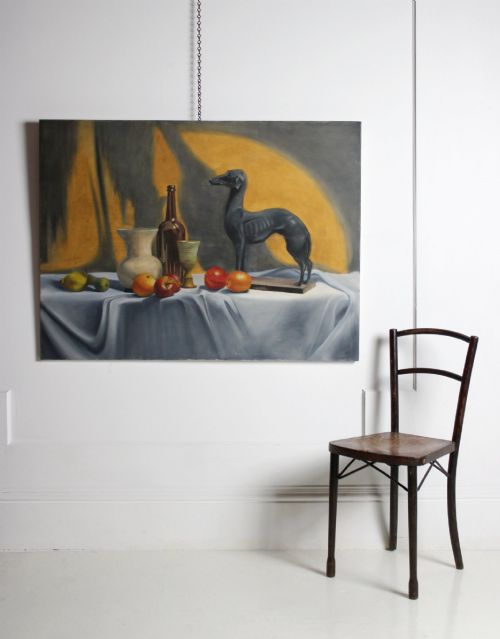
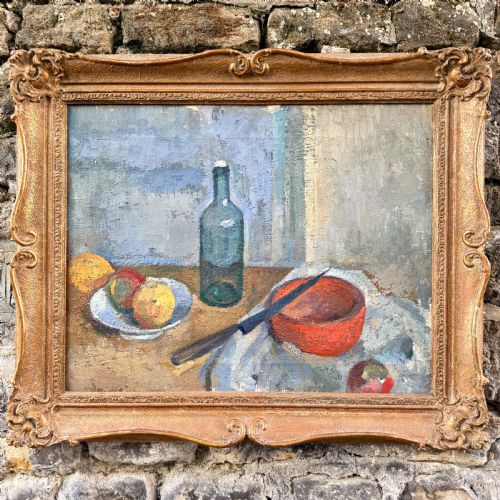
An antique still life brings together domestic objects, game, flowers and fruit captured across the seventeenth to twentieth centuries.
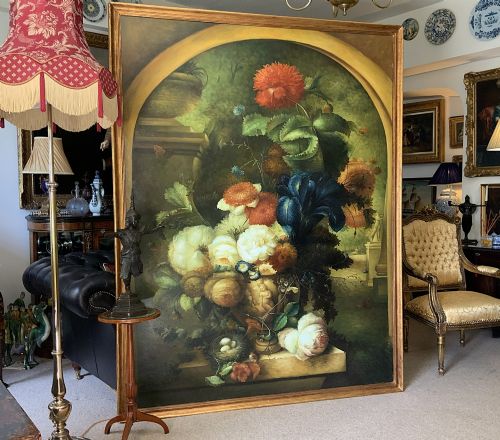
Buyers browsing this selection encounter nineteenth-century oil paintings on canvas, delicate watercolours, and grand Dutch-style floral compositions.
The category spans diverse European schools, featuring French, Dutch, Italian and British interpretations of traditional compositions.
How They Were Made
Artists relied on oil paint applied to stretched canvas, wooden panels, or metal supports, often building rich textures through layered glazes.
Works on paper utilised watercolour, bodycolour, pastel and gouache to achieve precise botanical and avian details.
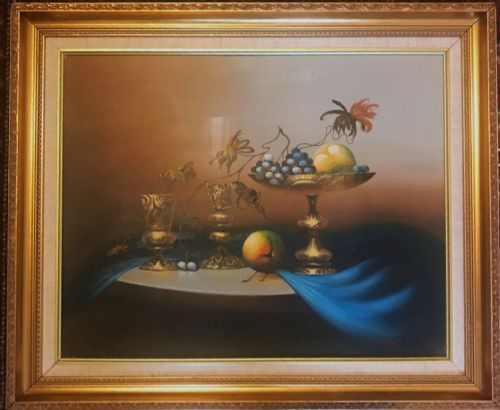
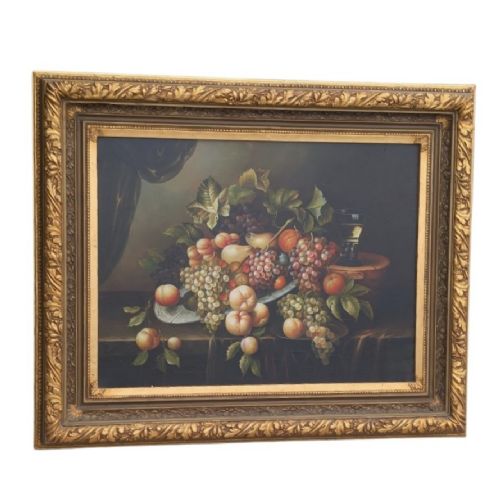
Many surviving pieces retain their original gilded wood frames, gesso mouldings, or ornate gilt frames that complement the artwork.
Several floral arrangements manage to squeeze an unexpected cat, dog or busy spider right among the roses.
What Varies in Quality
The distinction between standard works and exceptional pieces lies in the precision of brushwork, handling of light, and naturalism of textures.
Compositions featuring complex arrangements of fauna, delicate petals, and reflective surfaces demand a higher tier of technical mastery from the painter.
George Sydney Shepherd·Angelo Maria Crivelli·Oliver Clare·Konstantin Stoitzner·Edward Ladell·Michelangelo Meucci·Gaspar Peeter Verbruggen·Richard Sebright·John Sherrin
The Antique Still Life Glossary
- Canvas
- A heavy woven fabric stretched across a wooden frame to serve as a stable foundation for oil paintings.
- Giltwood
- Wood that has been carved and coated with a thin layer of gold leaf for decorative framing.
- Bodycolour
- An opaque water-based medium mixed with white pigment to create solid, flat areas of colour in works on paper.
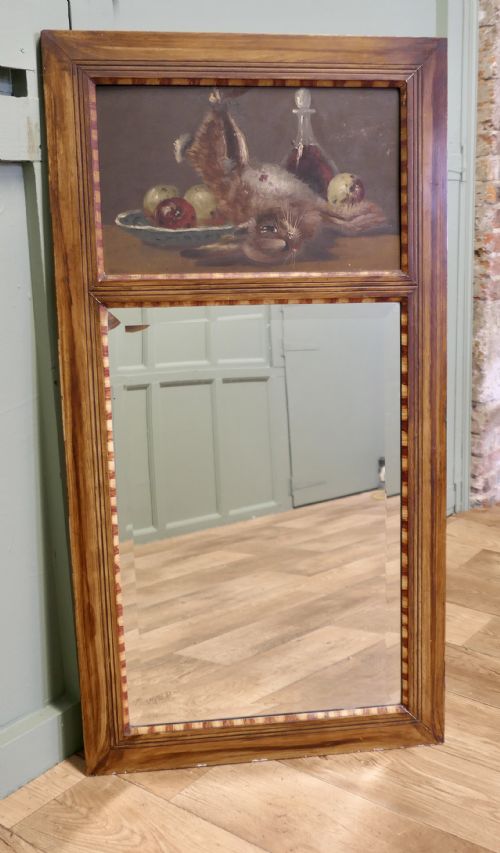
- Trumeau
- A decorative wall mirror or panel featuring an oil painting set into the upper section above the glass.
- Gesso
- A plaster mixture applied to wood or canvas surfaces to prepare a smooth base for painting or gilding.
Antique Still Life: Frequently Asked Questions
What subjects appear in these paintings?
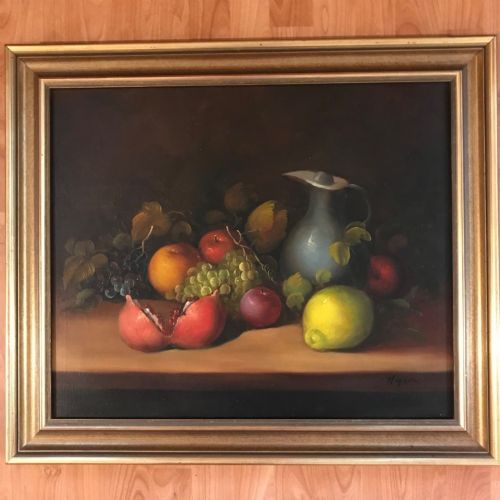
Artists frequently arranged seasonal flowers, wicker baskets overflowing with fruit, and hunted game birds upon wooden ledges or within landscape settings. Domestic items such as glassware, ceramics and tableware also feature prominently.
These arrangements allowed painters to demonstrate their skill in rendering diverse textures, from soft petals and glossy fruit skins to feathered game and reflective metal surfaces.
How do I hang a large still life?
Grand floral or game compositions require substantial wall space and sturdy fixings to support the weight of heavy canvases and original gilt frames. They work best as focal points in dining rooms or living areas with balanced ambient lighting.
Positioning the painting at eye level ensures the fine details of the brushwork can be properly observed without strain.
How can I tell the period of a piece?
The stretcher construction, canvas type, and framing style provide primary clues for dating a work alongside any visible artist signatures and dates. Seventeenth-century Dutch and Flemish works often display darker backgrounds and symbolic arrangements, whereas nineteenth-century pieces embrace brighter palettes and naturalism.
Examining the reverse of the canvas or panel frequently reveals historical dealer stamps, labels, or inscriptions that confirm the era.
Are watercolours as durable as oils?
Works on paper executed in watercolour or gouache require careful framing behind protective glass to prevent fading from direct sunlight and environmental moisture. While oil paintings on canvas tolerate ambient conditions better, both media benefit from stable indoor environments.
Keeping paper pieces away from direct heat sources preserves the vibrancy of the original pigments.