



English Floral Art
English floral art brings together the painted, glazed and embroidered depictions of blooms that define domestic decoration across the nineteenth and twentieth centuries.
English Floral Art
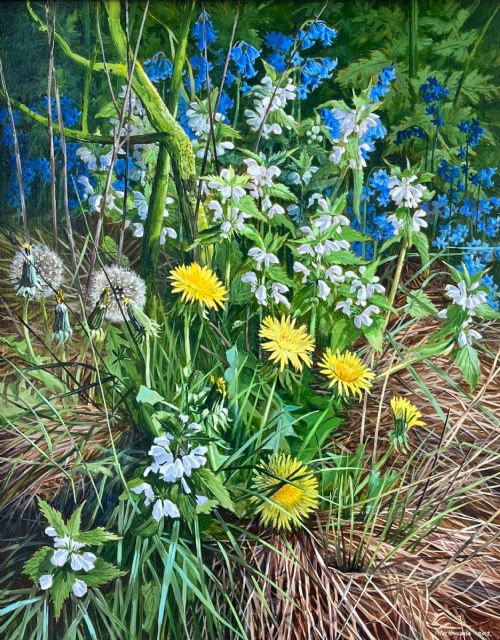
English floral art encompasses a diverse range of objects, from watercolour still-life paintings and botanical studies to glazed earthenware vases and enamel silver pieces. These items capture blooms in various forms, reflecting the changing tastes of Victorian, Edwardian and Art Deco makers.
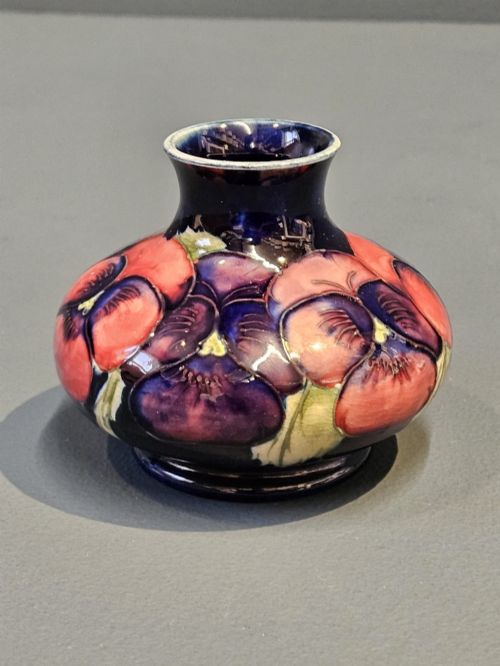
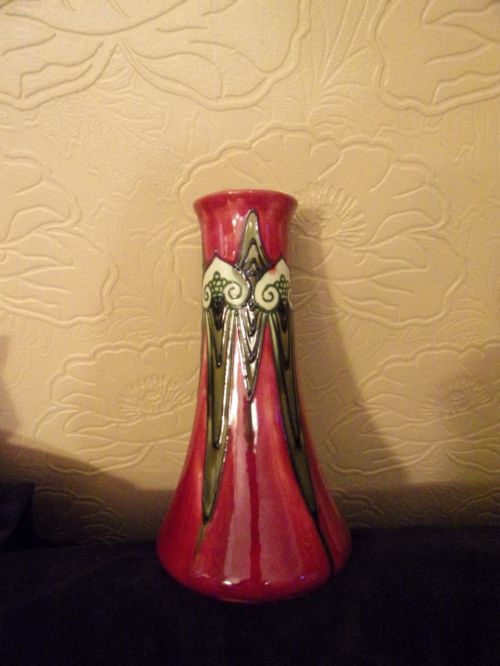
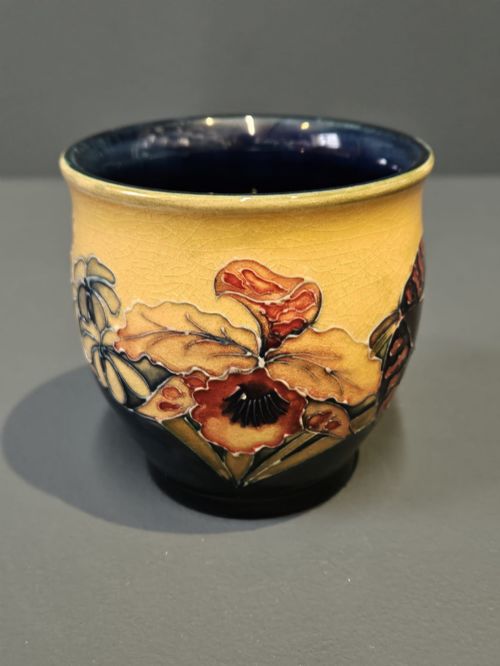
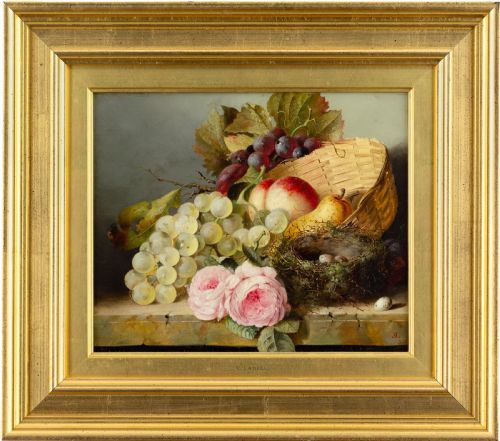
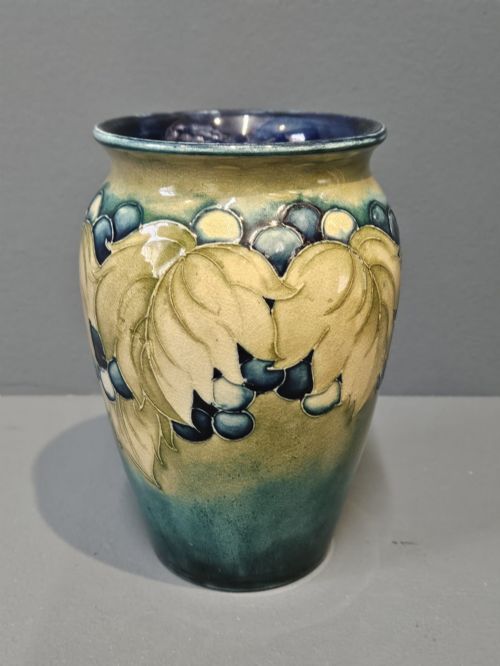
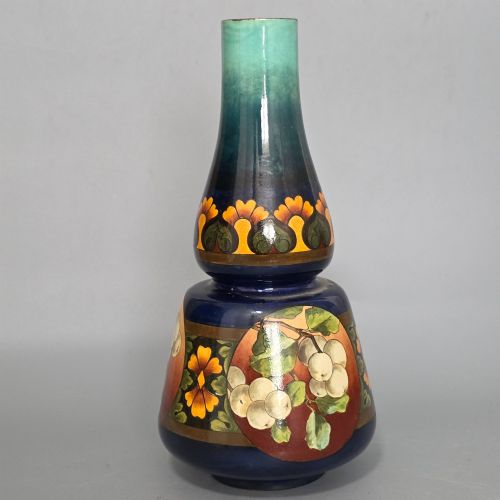
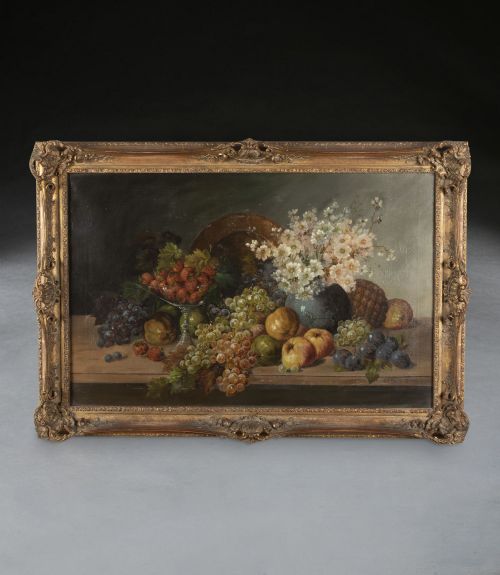
Vases and ceramic bowls dominate the selection, often decorated with tube-lined or hand-painted motifs of pansies, orchids, tulips and roses. Alongside these ceramics, framed watercolours and oil paintings record garden landscapes and cut flower arrangements in domestic settings.
The periods represented span from the nineteenth century through the 1940s, including Arts and Crafts, Art Nouveau and Modern British movements. Buyers encounter works in wood, glass, paper and ceramic that celebrate floral subjects through varied artistic mediums.
Materials and technique
Pottery pieces utilise earthenware and faience, decorated with glazes and tube-lined enamel techniques to create raised outlines for floral motifs. Glass objects incorporate cameo carving and enamel decoration to depict wild roses and botanical subjects.
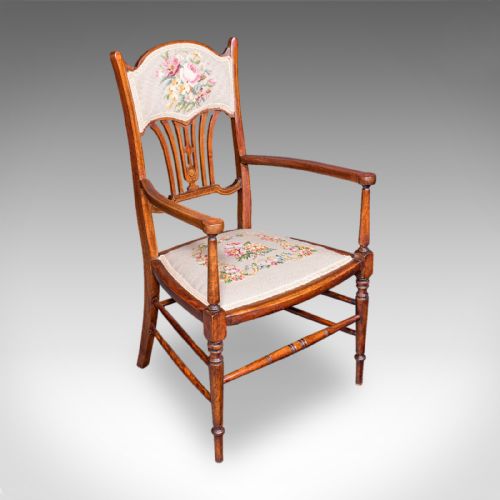
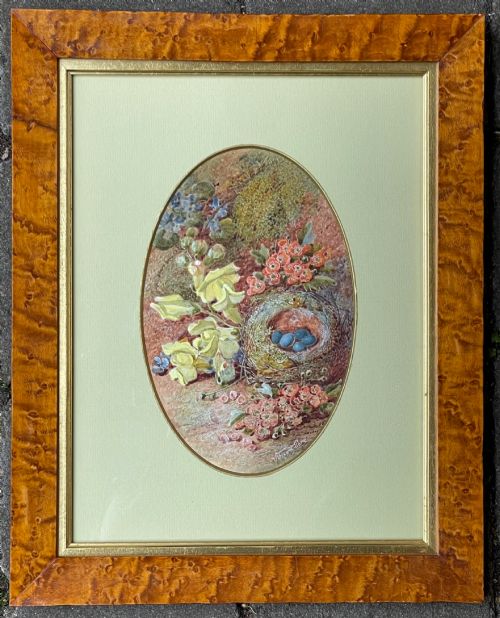
Paintings and studies combine watercolour, gouache, pencil and oil on canvas or paper to record detailed depictions of garden scenes and still-life arrangements. Needlework and embroidered panels utilise silk and fabric threads to stitch botanical and baroque designs.
Several Victorian ladies spent their afternoons stitching silk roses so diligently that the leaves outlasted the parlour furniture.
Quality variations
The distinction between standard production pieces and superior examples rests on the execution of the hand-painted or hand-carved detail. Skilled brushwork in watercolours and precise tube-lining on pottery elevate specific works above mass-produced items.
The reputation of the designer and the specific pottery or studio involved influence the standing of an object. Marked works associated with known makers and documented artistic movements demonstrate higher craftsmanship in material preparation and finish.
Vincent Clare·Edward Ladell·James Tower·Alice Anne Renshaw·Harry Wanless·Eliza Simmance·Thomas Webb and Sons·Clarice Cliff·Theresa Stannard·Ernest Higgins Rigg·Lilian Stannard·Stuart for Liberty·William Hough·Charlotte Rhead·James Hodgkiss
The English Floral Art Glossary
- Tube-lined
- A ceramic decoration technique where clay slip is squeezed through a nozzle onto the surface to create raised outlines before glazing. This method defines many notable Arts and Crafts and Art Nouveau vases.
- Faience
- Tinswilt glazed earthenware decorated with opaque coloured glazes. It provides a smooth canvas for detailed floral painting on nineteenth-century vessels.
- Gouache
- An opaque watercolour paint mixed with a binding agent, used in botanical studies and paintings for solid colour and matte finish. It allows for precise detail in nineteenth-century floral depictions.
- Silkwork
- Embroidery executed in silk threads on a fabric ground, frequently seen in framed panels depicting floral and pastoral scenes. This technique creates a textured, lustrous representation of petals and leaves.
English Floral Art: Frequently Asked Questions
What periods do these pieces cover?
The items span from the nineteenth century through the 1940s, encompassing Victorian, Edwardian, Arts and Crafts, Art Nouveau and Art Deco movements. This timeline reveals shifting botanical interests across different decades.
Earlier pieces often lean towards detailed botanical studies and traditional still-life paintings, while later twentieth-century objects embrace stylised ceramic patterns and modern watercolour techniques.
How were these decorative items used?
Ceramic vases and bowls served as functional vessels for cut flowers or as standalone display pieces on mantelpieces and tables. Paintings and embroidered panels hung upon domestic walls to bring garden scenes indoors.
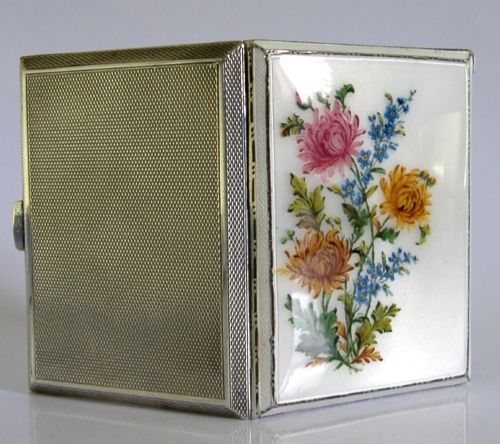
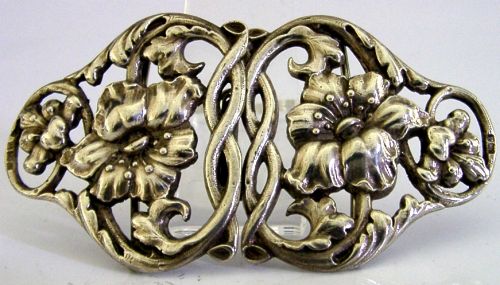
Smaller items like cigarette cases and belt buckles integrated floral motifs into personal accessories worn or carried daily.
How do I identify Art Nouveau floral pieces?
Art Nouveau works feature stylised, flowing natural lines inspired by plant stems and flower petals. Look for sinuous curves in silver belt buckles, ceramic vases and woodwork.
The palette often includes muted greens, blues and earthy tones applied to earthenware or enamel surfaces.
How should I care for antique watercolours?
Watercolour paintings require protection from direct sunlight to prevent the fading of pigments on paper. Display them away from sources of moisture and extreme temperature fluctuations.
Framing with acid-free mounts preserves the paper and prevents deterioration over time.