




Brown Botanical Painting
A brown botanical painting captures plant life in earthy tones, offering quiet academic study and natural warmth for your walls.
Brown Botanical Painting
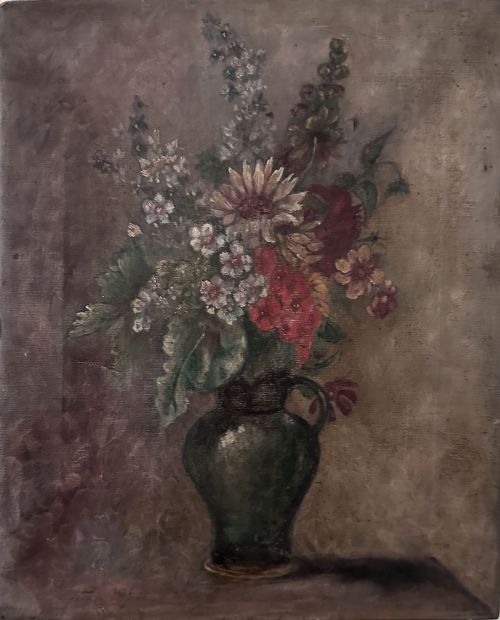
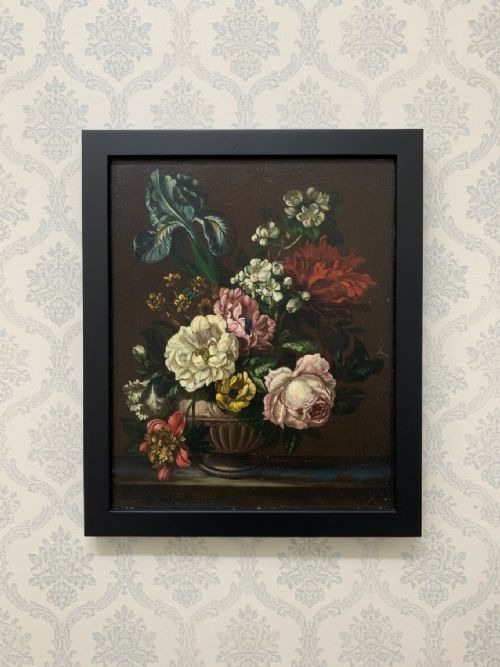
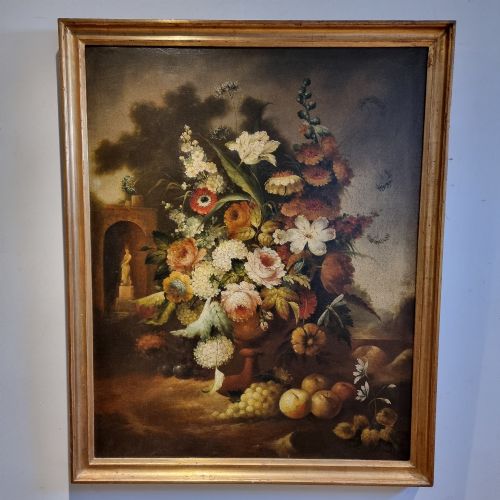
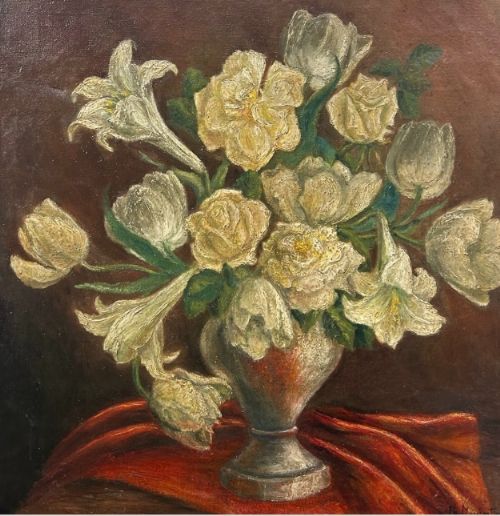
When you search for a brown botanical painting, you encounter a selection of works focused on plants, flowers, and still life compositions rendered in subdued, earthy palettes. These pieces span from the nineteenth century through the mid-twentieth century, capturing natural specimens with careful observation.
The assortment on this page includes watercolours on paper, oils on canvas, and framed herbarium examples. You find individual studies of flowers in jugs, chestnut leaves, and botanical scenes rooted in periods such as the Victorian era and the mid-century modern movement.
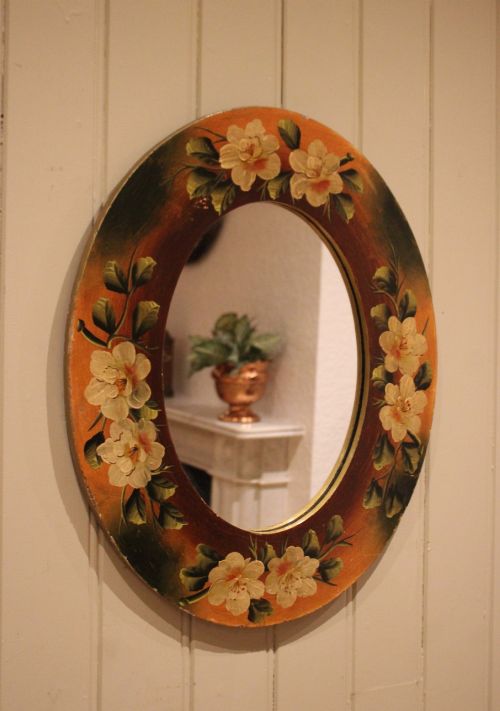
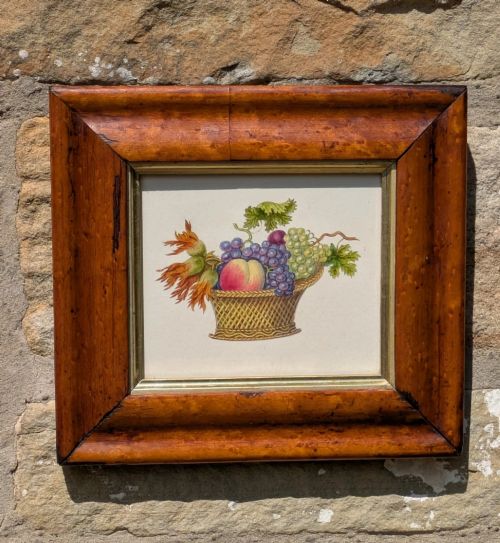
Makers and artists range from named watercolourists to anonymous regional schools working within British Impressionism and continental traditions. The forms extend beyond standard canvas to include painted screens and decorative miniature paintings.
Materials and technique
These works rely on traditional media such as watercolour on paper and oil paint on canvas or panel. Artists build up earth tones and botanical details using fine brushes, sometimes incorporating ink or impasto texture to give depth to foliage and vessels.
Support materials include aged canvas stretched over wooden frames, heavy watercolour paper housed behind glass, and occasionally wood panels. Framing choices vary from folk art constructions to period wooden mouldings that protect the delicate paint surfaces.
One enthusiastic artist clearly loved chestnut trees so much they immortalized their unfurling leaves in a 1961 cubist oil.
Execution and preservation
Quality rests in the precision of the brushwork and the liveliness of the composition, distinguishing spirited original observation from formulaic decorative output. Stronger examples display confident handling of tone, particularly in how light interacts with stems, petals, and earthenware pots.
Condition and preservation of the paper or canvas dictate the standing of a piece. Works retaining their original pigments without excessive fading, foxing, or moisture damage command greater appreciation among collectors of historic natural history illustration.
James Tower·Lester Sutcliffe·Terence Loudon·Robin MacKertich·Marian Chase·Alfred W. Parsons·Jabez Bligh·Owen Bowen·Cuthbert Edmund Swan
The Brown Botanical Painting Glossary
- Herbarium
- A collection of preserved plant specimens scientifically arranged and mounted for study. In decorative contexts, these plant sheets are often displayed framed behind glass.
- Impasto
- A technique where paint is laid onto a canvas in thick areas, creating a textured surface that stands out from the plane. This method adds tangible depth to depictions of flowers and leaves.
- Still life
- A work of art depicting mostly inanimate subject matter, typically commonplace objects which may be either natural or man-made. Floral arrangements and fruit bowls form the primary examples here.
- Watercolour
- Artists' paint made with a water-soluble binder and transparent pigments applied to paper. It allows for delicate, luminous washes suited to botanical illustration.
Brown Botanical Painting: Frequently Asked Questions
What periods do these paintings date from?
The selection spans from the nineteenth century through to the mid-twentieth century. You encounter Victorian watercolours alongside 1920s oils and 1960s modernist interpretations.
Dates are determined by stylistic evidence, signatures, and framing methods typical of specific decades like the Regency era or the wartime period of the 1940s.
What surfaces are these artworks painted on?
Artists utilised various supports including canvas, heavy paper, wooden panels, and card. Watercolour works typically sit on paper behind glass, while oil paintings are executed on stretched canvas or wooden boards.
Some pieces incorporate mixed media elements or form part of decorative folding screens and framed herbarium displays.
How do I care for antique watercolours?
Antique watercolours on paper require protection from direct sunlight to prevent the fading of delicate pigments. Keeping them away from excessive moisture preserves both the paper support and the surrounding mount.
Displaying them in stable indoor environments ensures the paper does not warp and the framing materials remain secure over time.
Are these paintings signed by the artists?
Many works in this category feature artist signatures or inscriptions, while others represent anonymous or regional school output. Signed pieces often link to listed painters from British and continental traditions.
Attributions are drawn from visible signatures on the front or inscribed details on the reverse of the canvas or frame.