


Framed Botanical Illustration
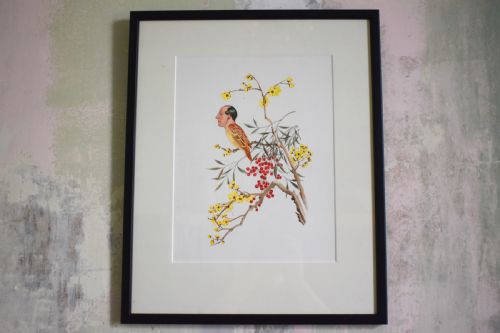
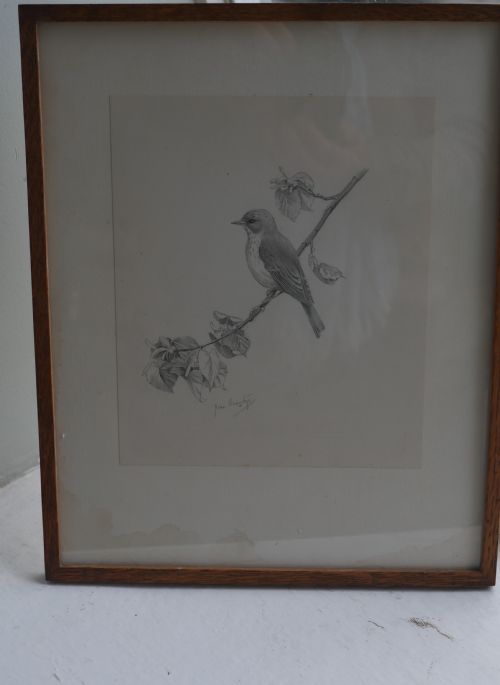
These framed botanical illustration pieces bring natural history into a room through watercolours, lithographs and hand-coloured engravings.
Framed Botanical Illustration
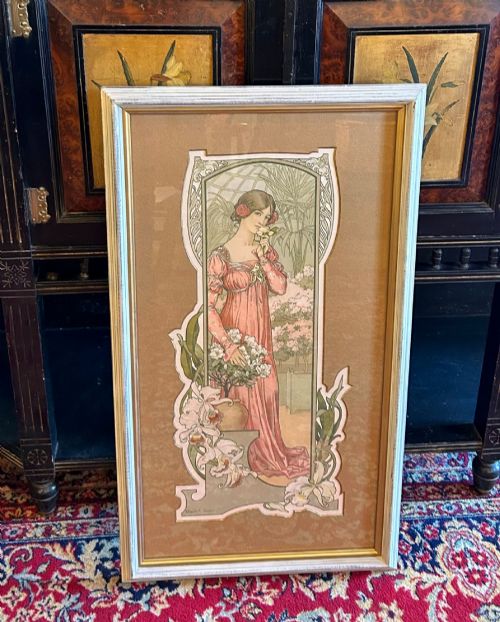
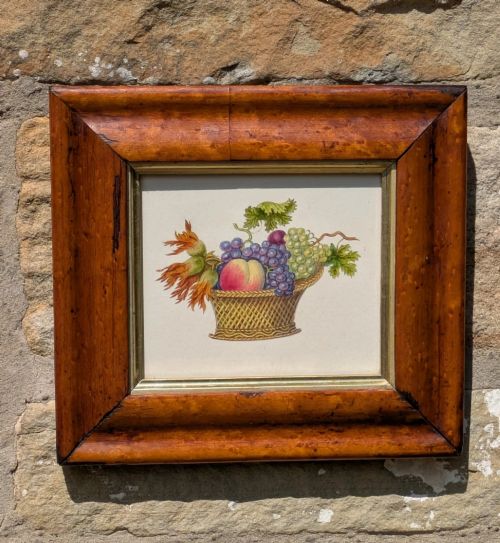
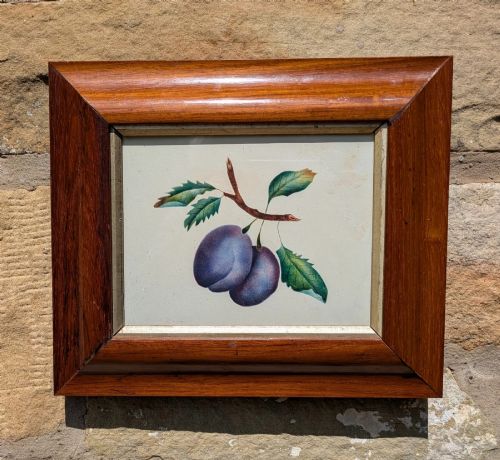
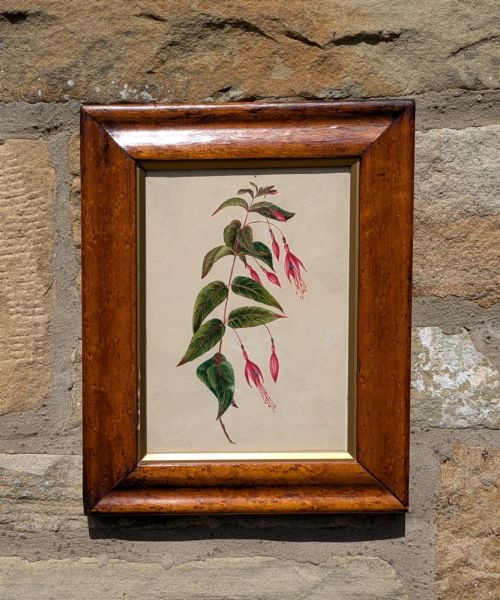
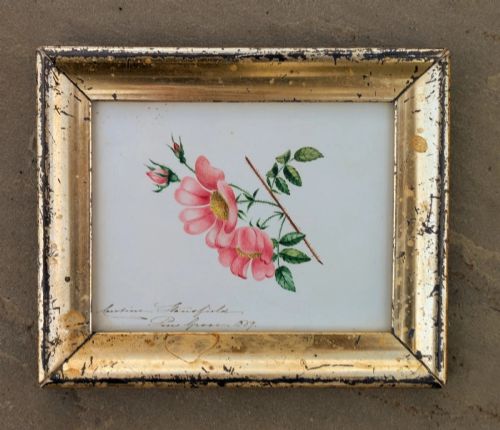
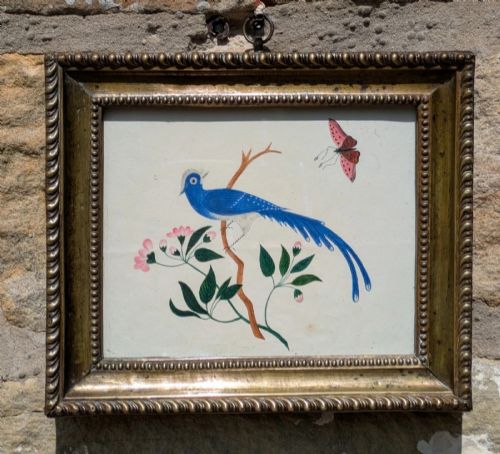
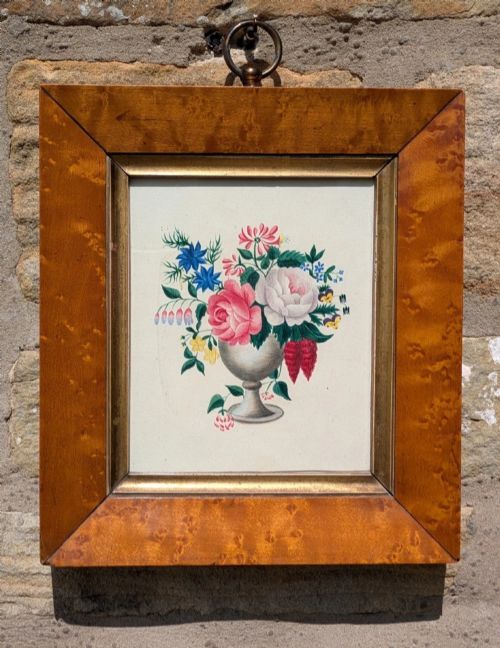
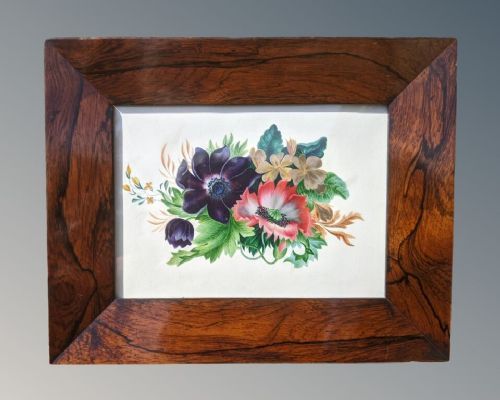
A framed botanical illustration serves as a study of plants, flowers and natural subjects, presented behind glass in wood or gilt frames. These works span the eighteenth, nineteenth and twentieth centuries, originating from English and European schools.
The pieces on this page appear as individual watercolours, pencil drawings and sets of coloured engravings or lithographs. Subjects range from floral still lifes and garden studies to birds, butterflies and shells.
Regency and Victorian examples dominate the selection, often rendered in watercolour or gouache on paper. Collectors encounter both single framed plates and matching sets designed for wall display.
How they were made
Artists and naturalists applied watercolour, ink and gouache onto paper, frequently using pencil for preliminary outlines. Many nineteenth-century prints began as copperplate engravings or lithographs before receiving delicate hand-colouring.
Makers housed these works behind protective glass within timber frames, utilising rosewood, gilt wood and simple wood mouldings. Gold leaf accents sometimes highlight the inner edges of the frames.
Materials span paper, glass, wood, watercolour, gilt wood, ink, gold leaf and gilt across multiple eras.
What varies in quality
The precision of the draughtsmanship and the delicacy of the hand-colouring separate the finer studies from standard decorative prints. Early engravings by recognised naturalists show sharper detail in plant structures and plumage.
Elisabeth Sonrel·Oliver Goldsmith·Henrietta Creswell·William Andrews Nesfield·Eloise Harriet Stannard·Pancrace Bessa·George Edwards·Jabez Bligh·Charlotte Isa James·Alice Macallan Swan·John Curtis·Annie Mary Youngman·Edith Alice Andrews·Georg Wolfgang Knorr·William Swainson
The Framed Botanical Illustration Glossary
- Lithography
- A planographic printing method using a stone or metal plate to produce crisp ink impressions on paper. Artists used this technique for botanical and ornithological plates.
- Engraving
- A printmaking process where lines are cut into a metal plate to hold ink for transfer onto paper. Hand-colouring was frequently added afterwards.
- Gouache
- An opaque water-based paint that provides solid colour and dense highlights. It appears alongside watercolour in nineteenth-century studies.
- Regency
- An architectural and design period dating from the early nineteenth century. Pieces from this era often feature clean lines and refined natural subjects.
Framed Botanical Illustration: Frequently Asked Questions
How do I hang a set?
Arrange matching frames in balanced grids or horizontal lines to maintain visual harmony on the wall. Keeping consistent spacing between each piece ensures the display looks intentional.
Consider the lighting in the room to protect the paper and watercolour pigments from direct sunlight. Using picture wire secured to sturdy wall hooks keeps the frames level.
Are these original watercolours?
The inventory includes both unique watercolour paintings and original antique print editions. Hand-coloured engravings and lithographs represent multiple copies produced from master plates.
Examining the surface under magnification reveals brush texture on paintings and ink impressions within paper fibres on printed plates. Descriptions specify the exact medium for each listing.
How do I care for paper?
Keep framed pieces away from damp environments and fluctuating temperatures to prevent mould and paper degradation. Acid-free backing boards protect the artwork during long-term display.
Dust the timber or gilt frames gently with a dry cloth without spraying cleaning products near the glass. Professional framing conservators can address any mounting adjustments safely.
What periods are available?
The selection spans the eighteenth, nineteenth and twentieth centuries, capturing Georgian, Regency, Victorian and Edwardian aesthetics. Each era brings distinct paper weights and framing styles.
Victorian natural history works sit alongside earlier Georgian engravings and later twentieth-century botanical studies. This variety reflects changing scientific illustration methods over time.