


Victorian Botanical Engraving
These Victorian botanical engraving pieces bring nineteenth-century natural history studies directly into modern interiors.
Victorian Botanical Engraving
A victorian botanical engraving captures the rigorous scientific recording and aesthetic taste of the nineteenth century. The examples found here span framed prints and plates depicting plants, often accompanied by insects and foliage.
Many of these works originate from dedicated nineteenth-century publications and periodicals like L'Illustration Horticole. They appear alongside related natural history subjects such as birds, shells, and butterflies.
Buyers encounter individual sheets and matched sets suitable for wall display. The majority retain their original monochromatic or hand-coloured ink work on paper.
Materials and methods
These pieces rely on ink applied to paper through traditional printing techniques. Artisans frequently added colour by hand to printed outlines, producing the botanical shades seen on these plates.
Surviving examples often retain period framing executed in wood or burr maple. The combination of paper, ink, and timber defines the physical makeup of these historical works.
Listings feature paper, ink, and wood materials across nineteenth-century and Victorian periods.
Judging the works
Quality rests upon the crispness of the original ink impression and the precision of any hand-applied colouring. Plates that maintain strong contrast and clean paper grounds stand apart.
The condition of the paper and the presence of contemporary framing materials influence the overall presentation. Complete sets matched by subject matter command greater attention from collectors.
John Curtis·Oliver Goldsmith
The Victorian Botanical Engraving Glossary
- Engraving
- A printmaking technique where an artist cuts lines into a metal plate to hold ink. This method allows for exceptional fine detail in botanical illustration.
- Hand-coloured
- A print finished with watercolour or other pigments applied by hand after the printing process. This adds realistic hues to plant and insect subjects.
- Stipple engraving
- A method using dots rather than lines to create tonal gradations and soft shadows. It produces a gentle, lifelike texture suitable for natural history subjects.
- Plate
- A sheet of metal or other material bearing an engraved design for printing. Historical botanical works were often published as bound plates before being separated for framing.
Victorian Botanical Engraving: Frequently Asked Questions
How should I hang these prints?
Keep them away from direct sunlight to protect the paper and any hand-applied watercolours from fading over time. Proper conservation framing with acid-free mounts preserves the integrity of the paper.
Grouping pairs or sets together creates a balanced display on a wall. Ensure the hanging height places the artwork at comfortable eye level.
Are these prints original to the nineteenth century?
The selection includes genuine nineteenth-century print production from specific historical publications and plates. Examining the paper stock, ink application, and plate marks helps confirm the period origin.
Documentation and source publications provide further context for dating individual plates. Each piece reflects the printing standards of its specific decade.
Can I mix botanical and ornithological prints?
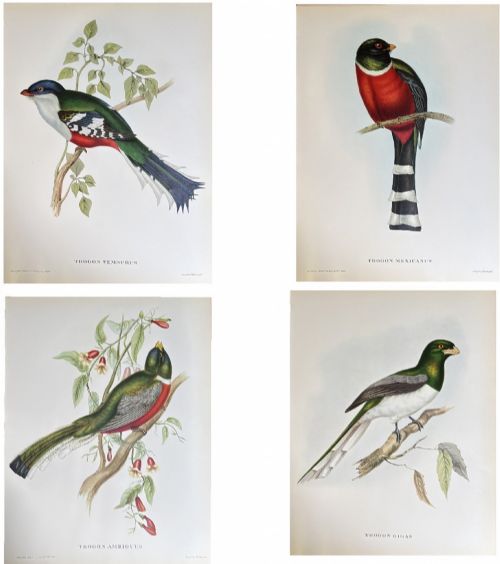
Combining botanical subjects with birds and insects follows nineteenth-century display traditions. Natural history studies from the same era share a cohesive aesthetic and colour palette.
Matching the framing style helps unify different subjects when hanging them together on the same wall. Consistency in frame depth creates a balanced arrangement.
What protection does paper need?
Glazing helps shield the paper surface from atmospheric dust and environmental moisture. Using UV-filtering glass prevents light degradation on both the ink and the paper fibres.
Maintaining stable indoor humidity levels prevents the paper from warping or developing foxing spots. Regular checks behind the frame ensure the backing board remains secure.